


Gold Diamond Bracelet
A gold diamond bracelet brings together precious metals and sparkling stones across eras ranging from Victorian pieces to mid-century designs.
Gold Diamond Bracelet
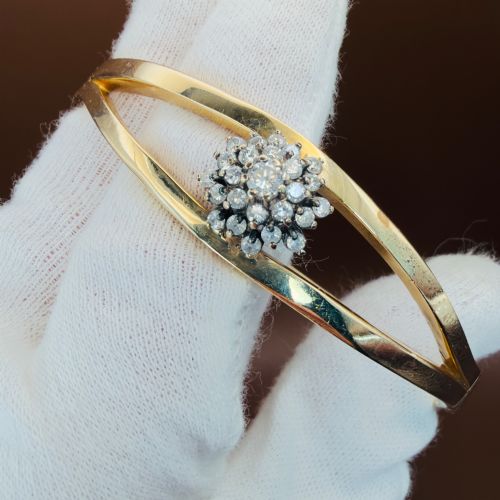
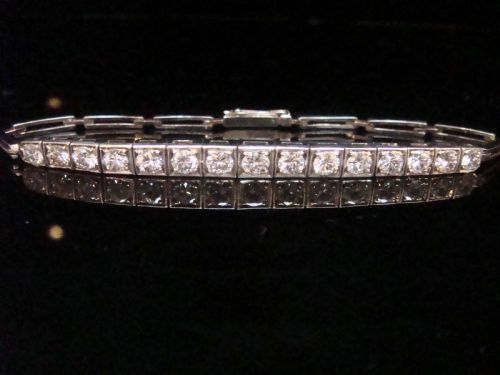
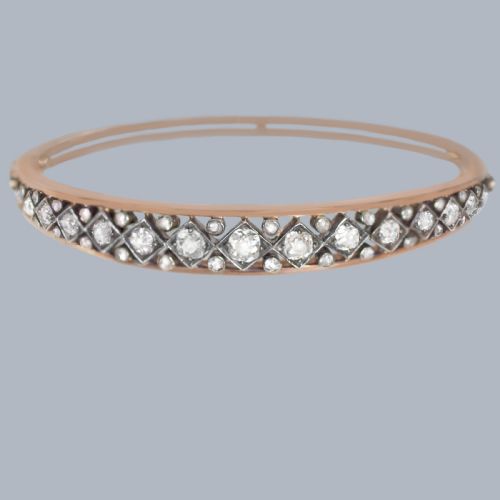
A gold diamond bracelet represents a category of fine jewellery spanning rigid bangles, flexible line bracelets, and gem-set cluster designs.
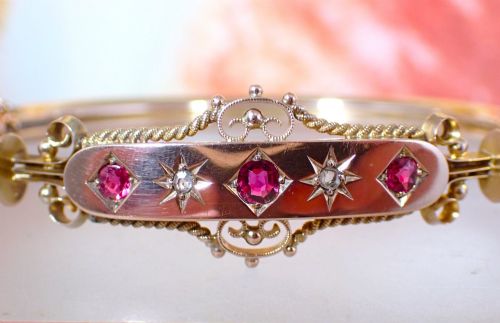
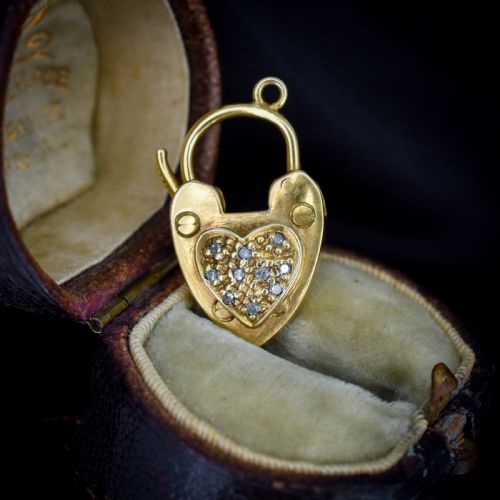
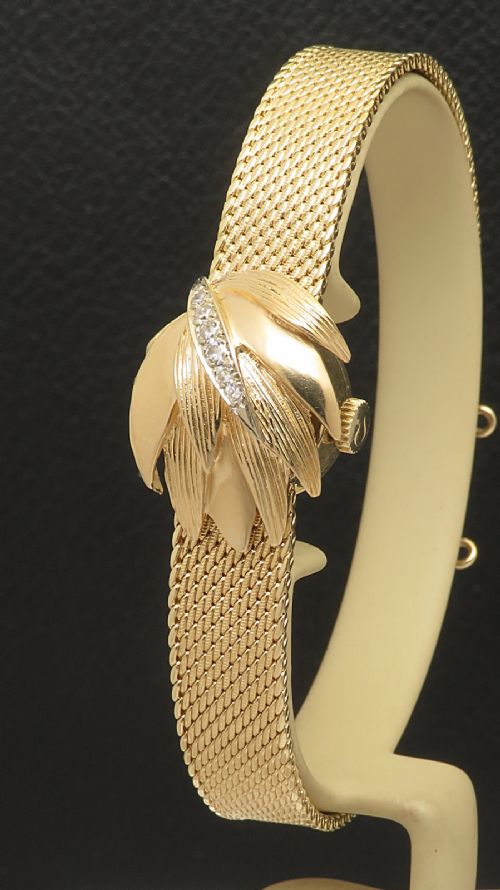
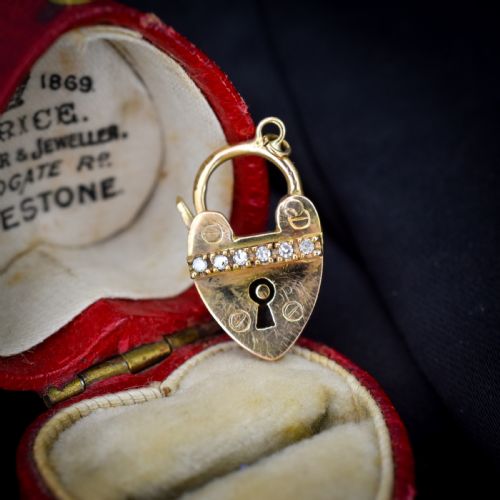
The pieces seen here range from nineteenth-century Victorian and Edwardian examples to Art Deco, Art Nouveau, and mid-century creations.
Materials and Techniques
Maker workshops utilised yellow gold, white gold, rose gold, and platinum, frequently combining silver settings for early stones.
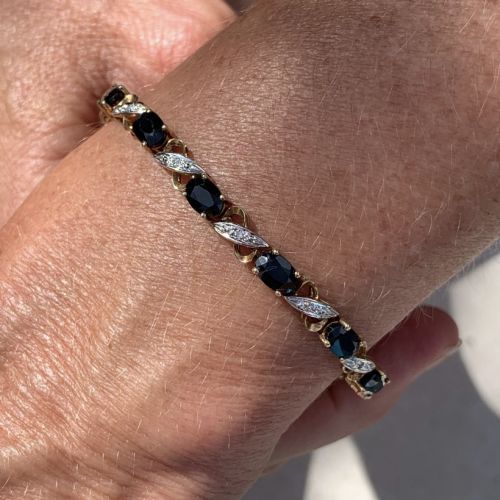
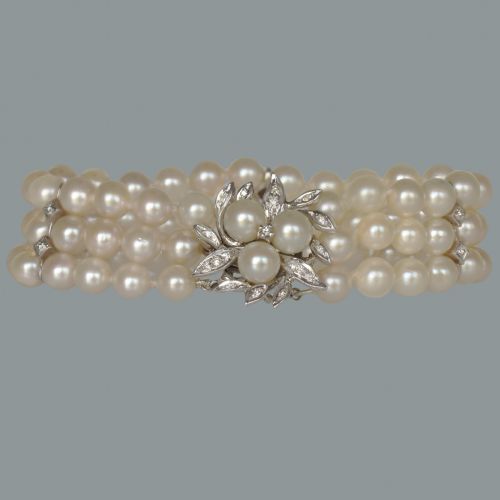
Diamonds are mounted alongside coloured gemstones like rubies, sapphires, emeralds, and pearls, set in hinged, flexible, or rigid structures.
Gold Diamond Bracelet Retail Price Guide 2026
Typical asking prices for gold diamond bracelet among the pieces listed under this phrase on Sellingantiques today, from the lower quarter to the upper quarter. They describe what is for sale here now, not the wider market.
Available pieces span multiple eras including the Victorian, Edwardian, Art Deco, and Mid-Century periods.
Assessing Quality and Execution
Quality rests on the selection of the diamonds, the precision of the metalwork, and the structural integrity of hinges and clasps.
Top-tier examples display superior stone cuts, substantial gold weight, and refined stylistic execution appropriate to their period.
The Gold Diamond Bracelet Glossary
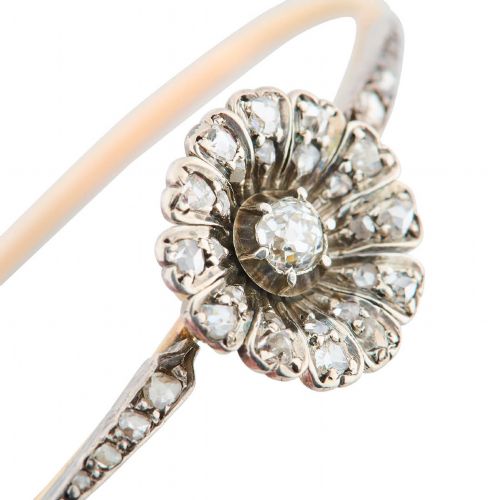
- Old Mine Cut
- An early diamond cut characterised by a cushion shape, high crown, and small table, typical of antique pieces.
- Bangle
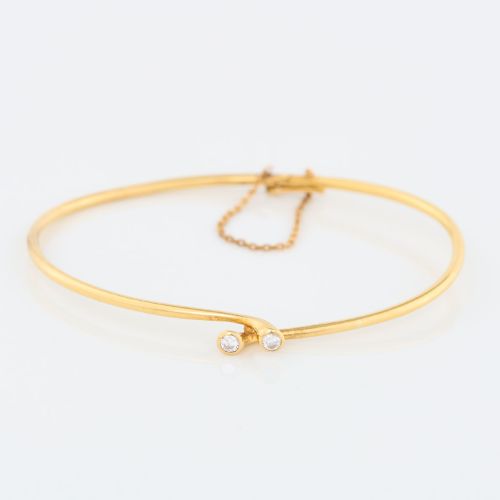
- A rigid bracelet that slips over the hand or opens with a hinged mechanism and a secure clasp.
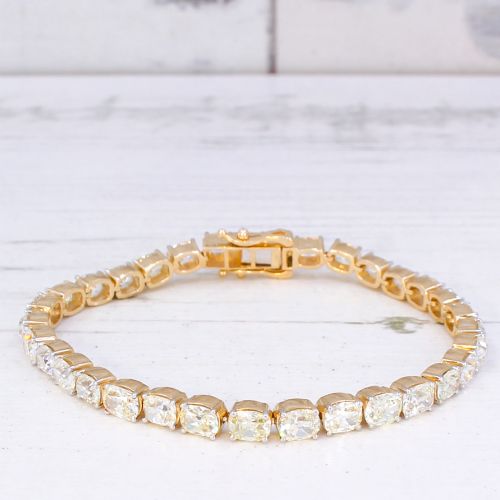
- Tennis Bracelet
- A flexible line bracelet set with a continuous row of closely matched diamonds.
- Platinum
- A dense, durable white metal utilised in fine jewellery manufacture, particularly during the Art Deco period.
Gold Diamond Bracelet: Frequently Asked Questions
How do I date a gold diamond bracelet?
Dating relies on stylistic markers such as geometric Art Deco lines, organic Art Nouveau motifs, or the substantial mounting styles of the Victorian era.
Examining the type of stone cuts, particularly old mine or old European cuts, also helps determine the approximate period of manufacture.
Are these bracelets suitable for daily wear?
Many solid gold and platinum pieces are robust enough for regular use, provided the clasps and safety chains remain secure.
More delicate antique or gem-set designs benefit from occasional wear to preserve their historical settings.
What is the difference between a bangle and a line bracelet?
A bangle is a rigid circular ornament that maintains its shape, often featuring a hinged opening for the wrist.
A line bracelet consists of flexible links or settings that drape smoothly around the arm.
What metals are commonly found in these pieces?
Jewellery from these periods incorporates various gold purities, including yellow, white, and rose variations, alongside platinum and silver.
Silver was frequently used in older items to back diamond settings before platinum became widely adopted.