



Antique Diamond Link Bracelet
These antique diamond link bracelet pieces combine fine precious metals with historic gem-setting methods, offering timeless wrist adornment for daily wear.
Antique Diamond Link Bracelet
An antique diamond link bracelet is a hinged or articulated wrist ornament that showcases faceted diamonds set within precious metal frameworks. The selections span notable design eras, bringing together geometric arrangements and fluid floral motifs from the past.
Most examples encountered here originate from the early twentieth century, particularly the Art Deco and Edwardian periods, alongside earlier Victorian and Art Nouveau interpretations. These jewels utilise flexible link constructions designed to drape comfortably around the wrist.
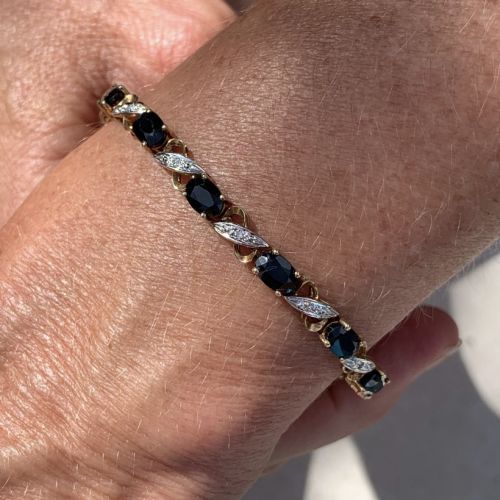
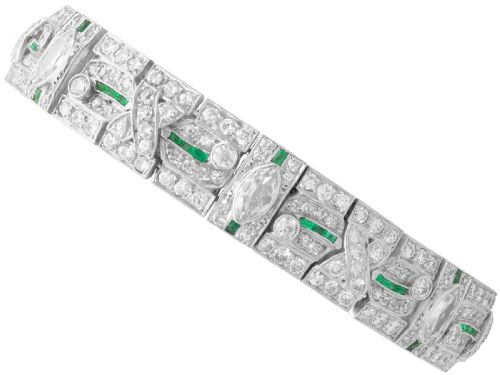
The combinations of materials vary from platinum settings housing substantial diamond carat weights to yellow gold designs accented with emeralds and sapphires. Each piece reflects the aesthetic priorities of its specific decade of manufacture.
Materials and construction methods
Master jewellers employed platinum and varying carats of yellow and white gold to construct the structural links of these bracelets. Platinum gained widespread favour in the Edwardian and Art Deco eras for its strength, which allowed for delicate, lace-like metalwork without sacrificing security.
Diamonds are integrated alongside occasional calibre-cut emeralds and sapphires using period setting techniques such as millegrain edging and bead setting. The individual links are meticulously joined by hinges or interlocking loops to ensure durability alongside flexibility.
Antique Diamond Link Bracelet Retail Price Guide 2026
Typical asking prices for diamond link bracelet among the pieces listed under this phrase on Sellingantiques today, from the lower quarter to the upper quarter. They describe what is for sale here now, not the wider market.
These glittering wrist companions survived a century of jazz age dancing without losing a single spark.
Distinguishing quality across pieces
The sophistication of the metalwork separates standard examples from exceptional items, particularly where pierced platinum galleries and precise millegrain borders demonstrate advanced bench skills. Superior craftsmanship ensures that the articulation between links remains fluid and secure after a century of wear.
Gemstone selection and total carat weight heavily influence the character of each piece, with evenly matched stones creating a cohesive visual rhythm. The integration of coloured accent stones, such as calibre emeralds or sapphires, adds complexity when proportioned harmoniously with the primary diamonds.
The Antique Diamond Link Bracelet Glossary
- Art Deco
- A design movement spanning the 1920s and 1930s characterised by symmetrical geometric patterns and stylised motifs. This aesthetic often dominates platinum and diamond jewellery from the period.
- Edwardian
- A decorative style from the early twentieth century known for light, airy platinum work that mimics lace or embroidery. Jewellers favoured this period for intricate diamond settings.
- Millegrain
- A decorative technique featuring a row of tiny raised metal beads along the edges of a setting. This method softens the transition between metal and stone.
- Art Nouveau
- A fin-de-siècle style defined by flowing, organic lines inspired by natural forms. Pieces from this movement frequently incorporate curving yellow gold motifs.
- Calibre-cut
- Small gemstones cut specifically in geometric shapes to fit tightly together within a designated channel or border. This technique creates continuous lines of colour alongside diamond fields.
Antique Diamond Link Bracelet: Frequently Asked Questions
How do I care for an antique diamond link bracelet?
Store your bracelet flat in a dedicated lined box to prevent scratching and tangling between links. Professional cleaning by a specialist ensures the delicate platinum or gold settings remain secure.
Avoid wearing historic jewellery during rigorous physical activities or exposure to harsh household chemicals. Periodic inspection of the hinges and stone settings by a jeweller protects against accidental loss.
Are these bracelets suitable for everyday wear?
Many sturdy platinum and gold designs from the early twentieth century handle regular wear well when treated with appropriate care. Checking the flexibility and link joints regularly ensures structural integrity over time.
Lighter Edwardian and Art Nouveau pieces benefit from more mindful rotation with daily activities. Proper maintenance preserves the delicate metalwork and stone security.
How can I tell an Edwardian bracelet from an Art Deco one?
Edwardian pieces generally feature flowing floral garlands and delicate lace-like platinum frameworks inspired by the eighteenth century. They emphasise high-clarity stones and soft, romantic curves.
Art Deco designs shift toward bold geometric layouts, sharp angles, and strong symmetry using calibrated gemstones. The metalwork reflects industrial modernity rather than organic naturalism.
What is the significance of platinum in antique bracelets?
Platinum offered jewellers unprecedented tensile strength during the Edwardian and Art Deco eras. This durability permitted the creation of exceptionally fine, needle-point prongs and airy scrollwork.
Its natural white lustre also enhanced the cold brilliance of old-cut diamonds without requiring rhodium plating. This metal remains a hallmark of high-end manufacture from the period.