


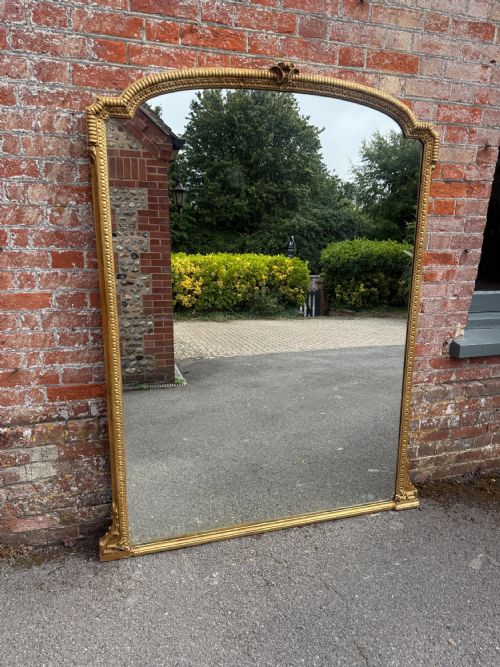
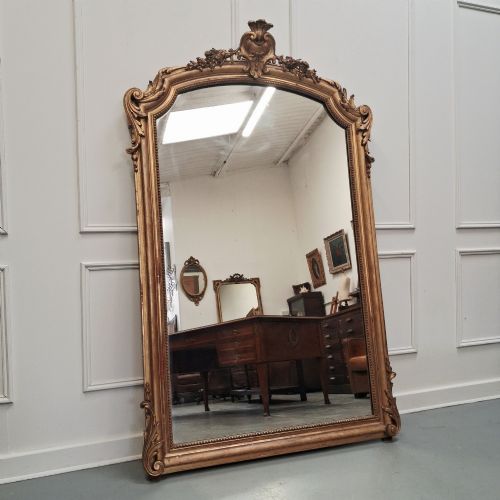
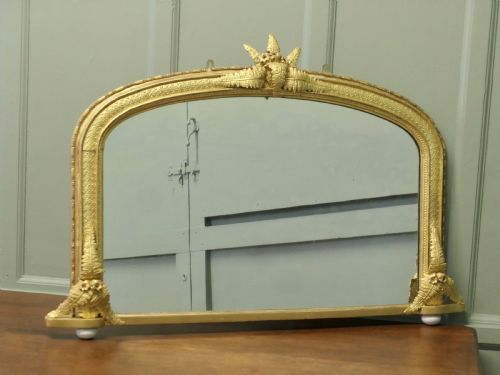
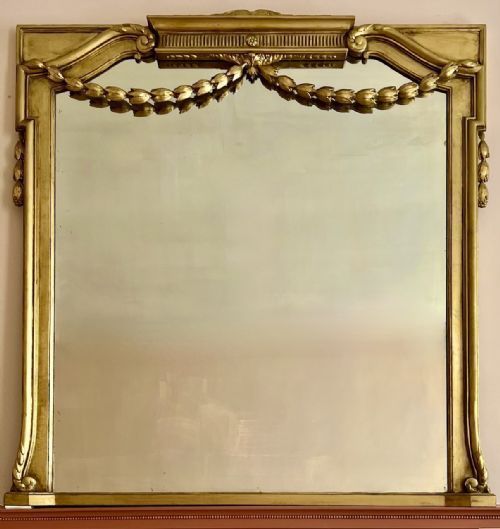
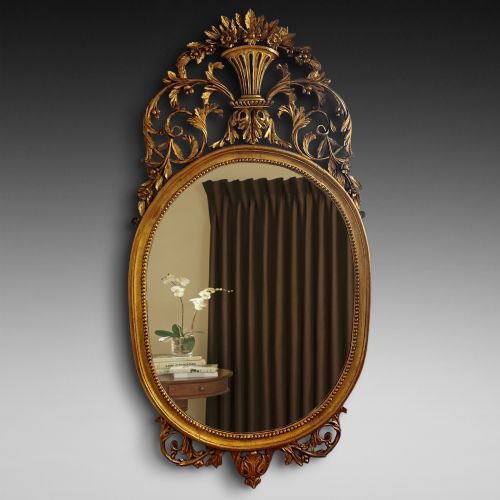
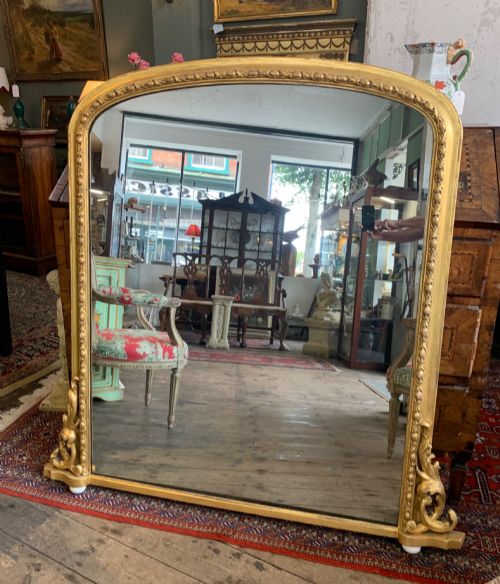
Gold Carved Mantel Mirror
A gold carved mantel mirror commands attention above a fireplace, bringing grand scale and bright reflection into a room.
Gold Carved Mantel Mirror
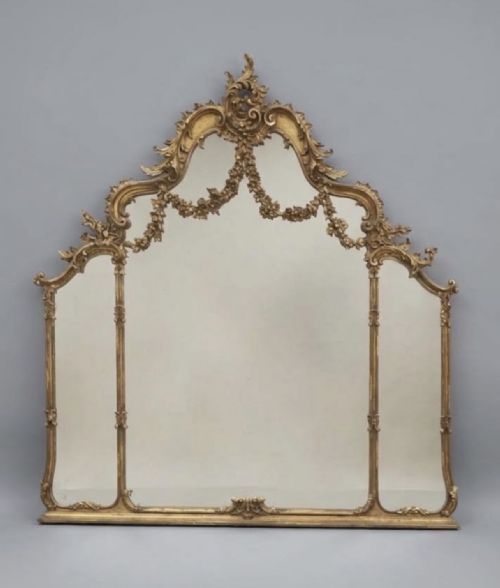
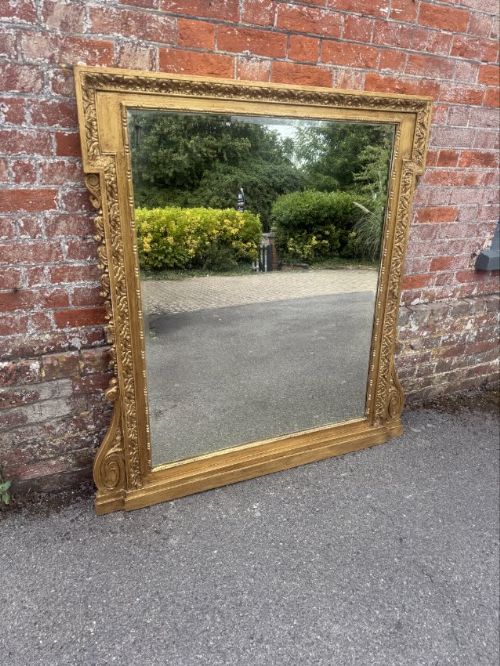
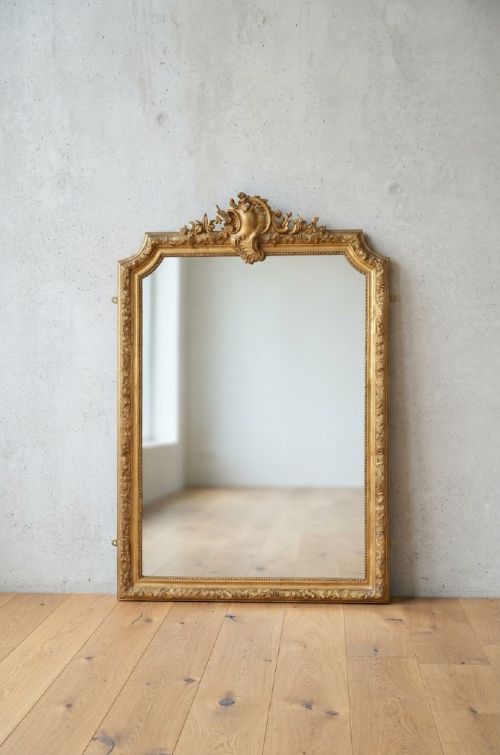
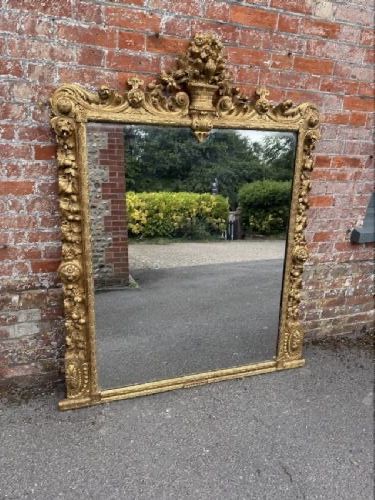
A gold carved mantel mirror represents a grand tradition of interior decoration designed to sit directly above a fireplace hearth. These impressive looking-glasses fill rooms with reflected light while anchoring the chimney breast visually. The selection spans distinct historical eras, including the Georgian, Regency, and Victorian periods, alongside French regional designs from the nineteenth century.
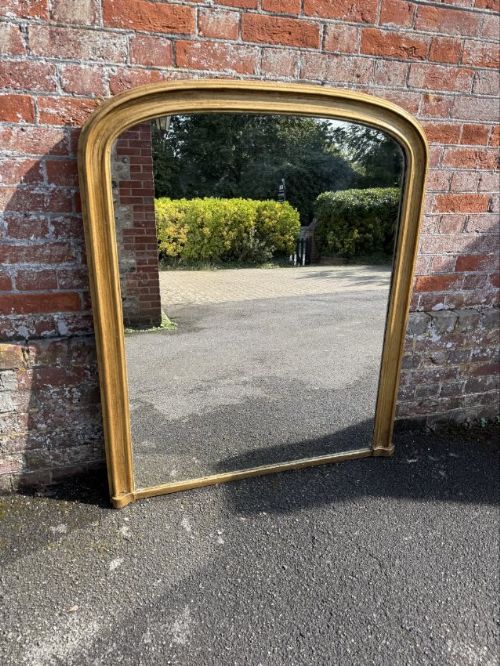
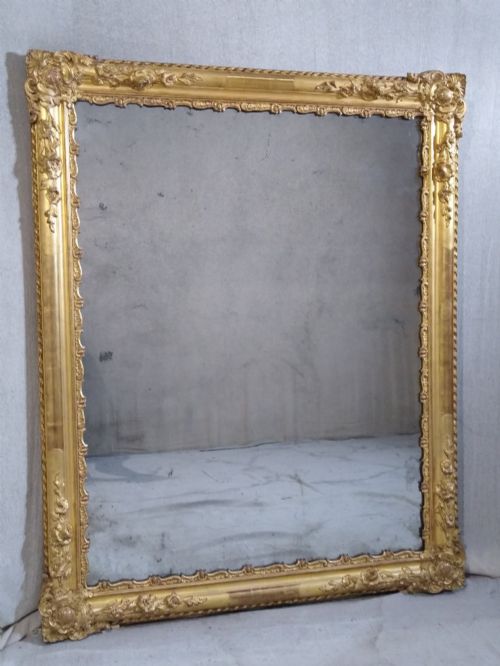
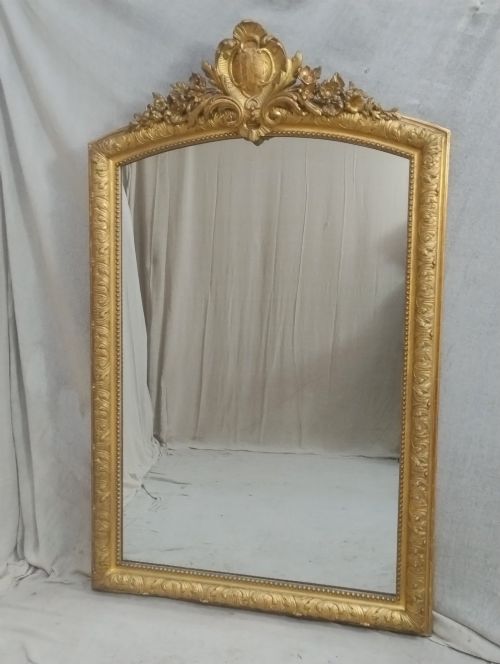
English and French workshops produced these pieces in substantial proportions to suit high-ceilinged reception rooms and country houses. Formats range from expansive arched top overmantels to rectangular wall mirrors and vertical pier mirrors meant for narrow wall spaces between windows. Surviving examples often retain their original silvered glass plates, sometimes showing gentle foxing from age.
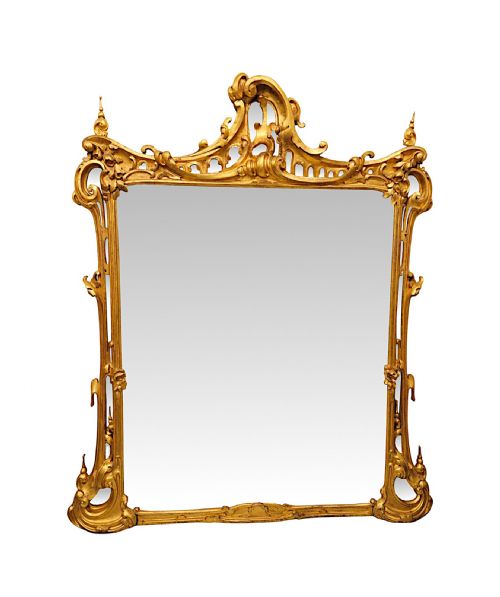
Stylistic influences vary widely across the inventory, drawing on Rococo Revival curves, classical Chinese Chippendale motifs, and Louis Philippe restraint. Makers applied elaborate ornamentation including rope twists, scrolled foliage, and architectural crestings to the upper frames. Such pieces function simultaneously as heavy structural woodwork and decorative art objects.
Materials and Construction
Makers constructed the core structure of a gold carved mantel mirror using timber such as pine or hardwood. Artisans then applied layers of gesso, a fine plaster mixture, directly onto the carved wood base to build up depth for delicate surface ornamentation. This plaster layer provided a smooth ground capable of holding crisp floral and scroll details.
Gilding was executed by applying thin sheets of gold leaf or gold paint over the prepared gesso surface. Composition ornament, a moulded putty-like paste, was frequently pressed into metal moulds and applied to the wooden frames to speed up the creation of repetitive decorative motifs. Original mirror glass plates were hand-silvered, producing deep reflections distinct from modern float glass.
Listings feature eighteenth and nineteenth-century pieces spanning Georgian, Regency, and Victorian periods alongside French styles like Rococo Revival and Napoleon III.
Distinctions in Quality
The degree of hand-carved detail versus moulded composition ornament marks a primary division in the quality of a gold carved mantel mirror. Superior examples demonstrate deeply undercut wooden carvings executed by skilled hands, whereas lesser pieces rely heavily on cast composition applied to plain timber mouldings. The crispness of the gesso groundwork beneath the gilding dictates how sharply the decorative motifs read from a distance.
Preservation of the original glass plate and the underlying gilding heavily influences the integrity of the piece. Mirrors retaining their early foxed glass and untouched oil gilt surfaces hold greater historical cohesion than items stripped and regilded in modern times. Furthermore, the structural stability of large frames depends on robust original joinery at the corner mitres.
The Gold Carved Mantel Mirror Glossary
- Gesso
- A fine plaster mixture applied to carved wood frames to create a smooth surface for gilding. It allows artisans to model intricate relief ornamentation.
- Giltwood
- Timber that has been covered in gold leaf or gold paint. This material forms the bright reflective frame characteristic of formal antique mirrors.
- Overmantel
- A large mirror specifically proportioned to hang on the wall above a fireplace mantelpiece. These pieces often feature arched or shaped tops to match architectural chimneypieces.
- Pier Mirror
- A tall, narrow mirror designed to hang on the pier of wall space situated between two windows. They reflect additional light into darker architectural zones.
- Foxed Glass
- Mirror plate showing dark spots and haziness caused by the breakdown of the backing over time. Collectors prize original foxing as a sign of genuine age.
- Composition
- A mouldable mixture of whiting, resin, and oil pressed into decorative shapes. It was widely utilised on Victorian frames as a faster alternative to hand-carving.
Gold Carved Mantel Mirror: Frequently Asked Questions
How do I hang a heavy overmantel mirror?
These substantial frames require secure fixing directly into masonry or heavy wall studs using appropriate steel brackets. Weight distribution must be shared evenly across the structure to protect the antique wooden joints.
Professional installation is recommended due to the sheer size and weight of nineteenth-century carved wooden frames. Ensure the chosen wall space can bear the load permanently.
What is the difference between an overmantel and a pier mirror?
An overmantel mirror is wide and low, built to span the horizontal space across a fireplace mantel. A pier mirror is tall and narrow, designed for the wall space between windows.
Both forms utilise gilded wooden frames, but their contrasting proportions serve entirely different architectural functions within a historic room layout.
Can I replace the original glass plate?
Replacing the glass plate removes the historic character and visual depth provided by original silvering and foxing. Most collectors prefer to retain the authentic aged glass whenever possible.
If replacement is strictly necessary for safety reasons, choose a silvered glass that replicates the thickness and slight imperfections of nineteenth-century manufacturing methods.