
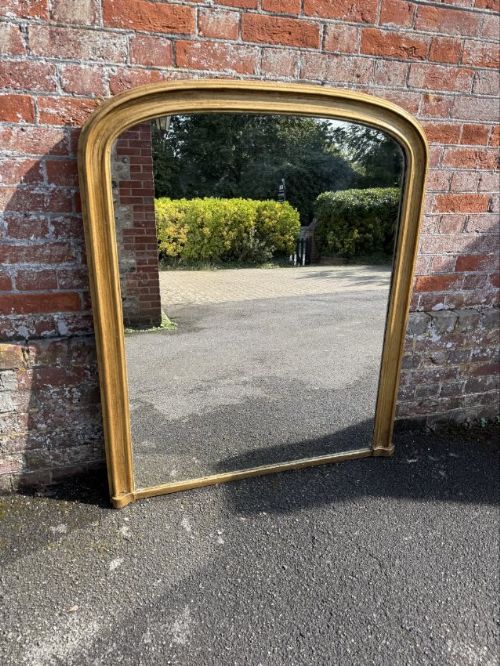
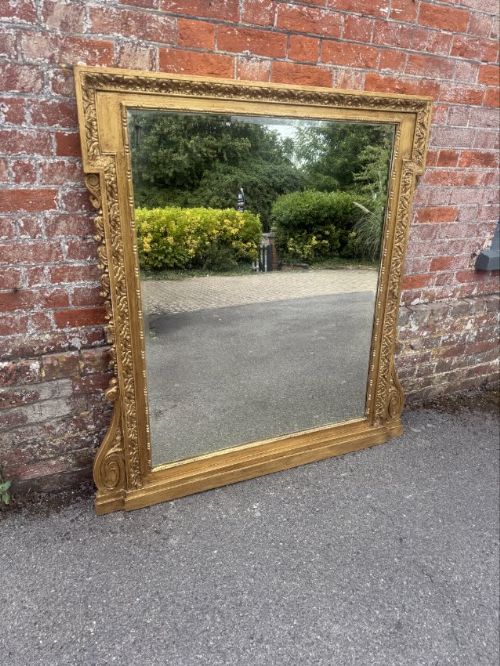
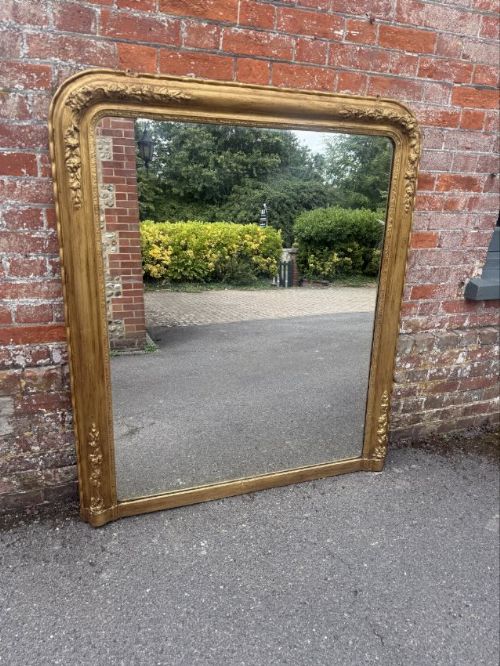
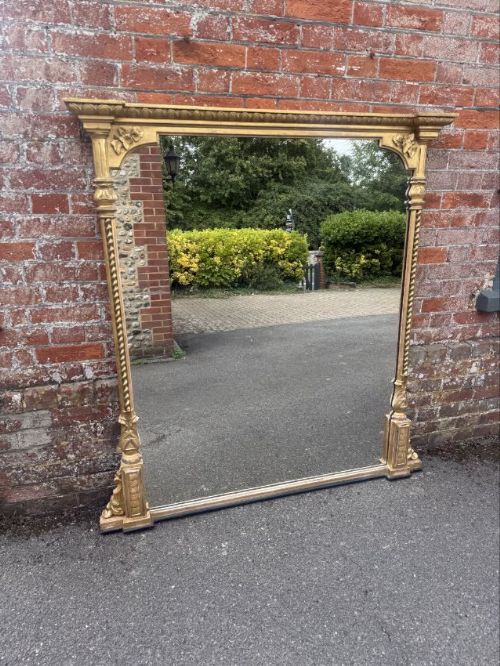
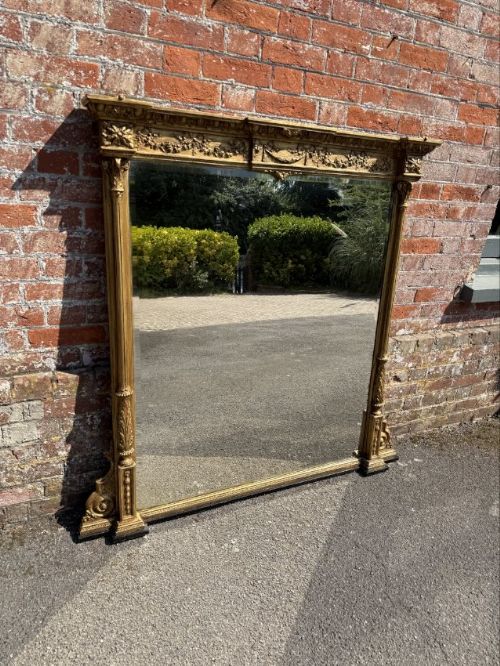
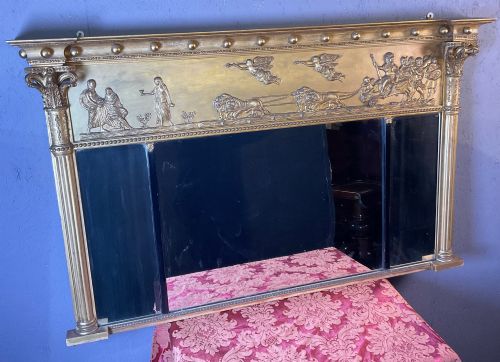


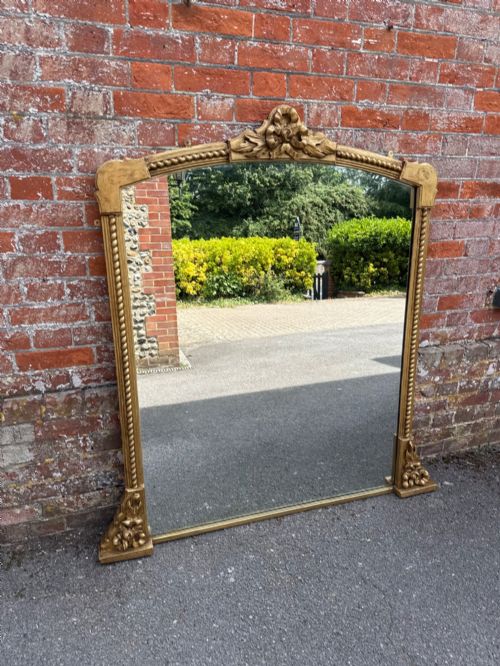
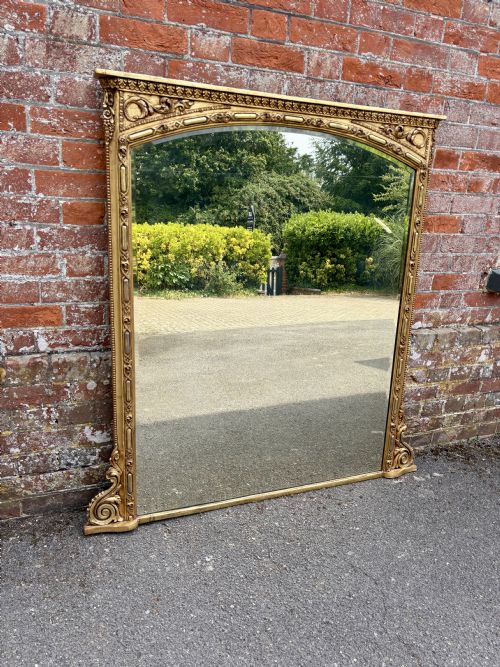
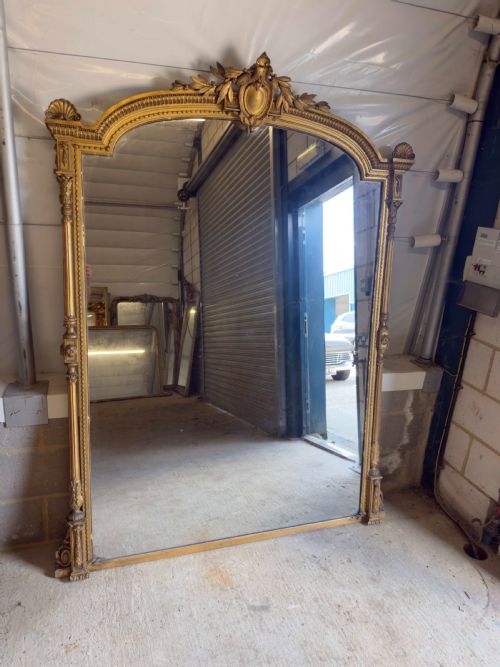
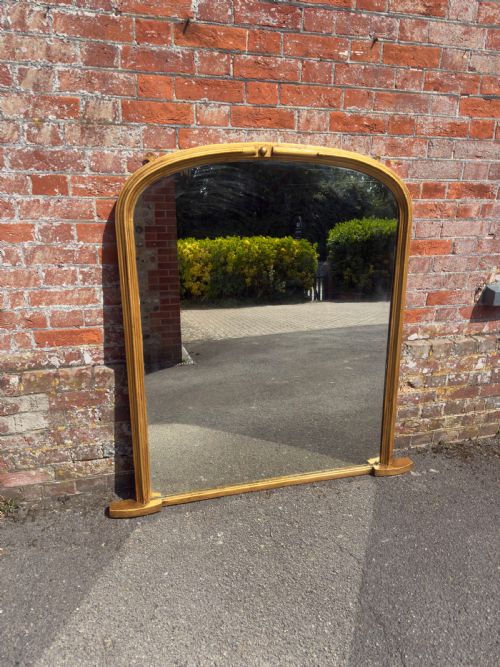
Victorian Gesso Overmantel Mirror
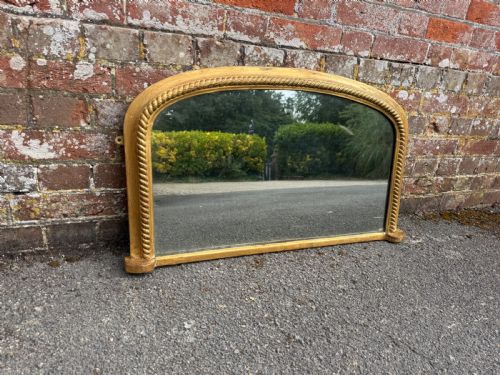
A victorian gesso overmantel mirror brings heavy nineteenth-century presence to a room, hanging above a fireplace with arched or shaped tops and gilt surfaces.
Victorian Gesso Overmantel Mirror
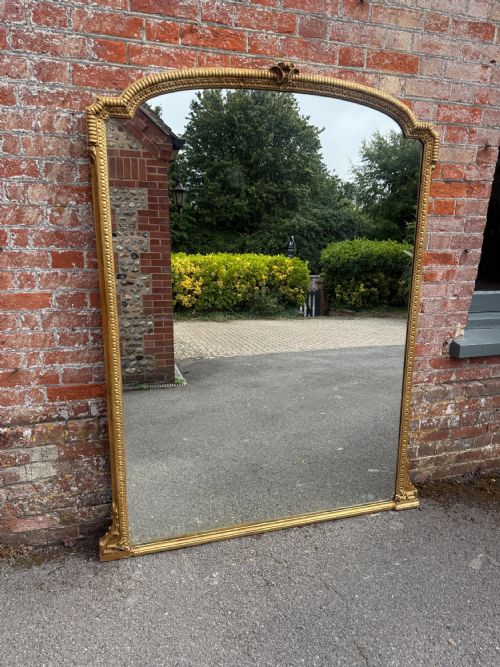
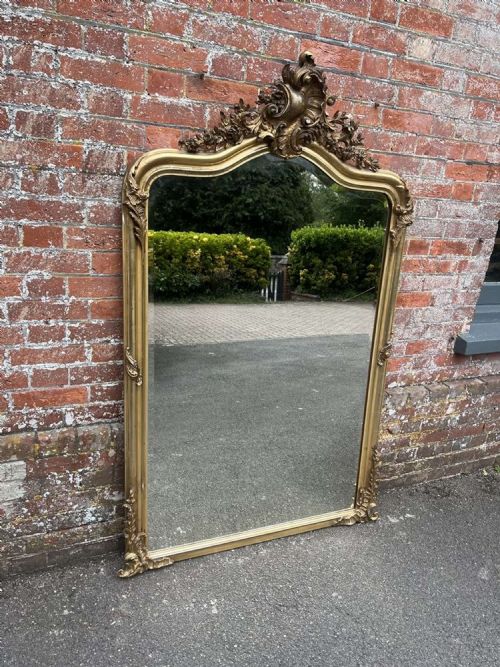
A victorian gesso overmantel mirror typically spans a large horizontal format designed to sit directly above a mantelpiece, often featuring an arched, shaped, or oval top. These items originate predominantly from nineteenth-century English and French workshops, encompassing styles such as Rococo Revival and French Chateau.
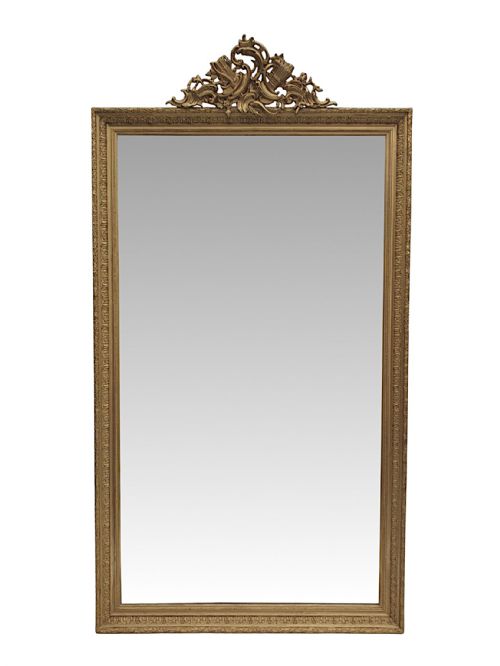
The selections recorded here include tall leaner mirrors, pier mirrors, and wall mirrors sharing the characteristic heavy framing of the era. Makers utilised timber substrates built to support substantial expanses of mirror glass within ornate rooms.
How they were made
The primary construction relies on a carved wood carcass built from timber, which is then coated in layers of gesso to build up intricate relief details like rope twists, ribbed columns, and tulip motifs. Artisans applied gold leaf or gilt paint over the gesso surface to produce a rich golden finish.
Mirrors utilise thick glass plates set into the heavy wooden frames, occasionally showing later replacement plates in archival pieces. The combination of carved wood and pliable gesso allowed craftsmen to shape elaborate cartouche and arched profiles.
Listings feature pieces spanning the decades from 1850 to 1900, employing gesso, carved wood, and gold leaf.
What varies in quality
Quality rests in the crispness of the moulded gesso relief and the depth of the carved wood elements beneath the gilt surface. Pieces displaying fine details such as distinct rope twists, columns, or ornate crestings sit at the higher end of the range.
The condition and originality of the gilt surface and the mirror plate dictate the overall integrity of the piece. Surviving original mirror glass and intact, undisturbed gesso ornamentation separate superior examples from heavily restored variants.
The Victorian Gesso Overmantel Mirror Glossary
- Gesso
- A plaster-like mixture applied to wood frames to create a smooth surface for carving or moulding relief decoration. It forms the raised ornamentation found on nineteenth-century frames.
- Overmantel
- A large mirror or painting specifically designed to be positioned on the wall directly above a fireplace mantel. These pieces anchor the visual weight of a Victorian hearth.
- Giltwood
- Timber that has been coated with gold leaf or gold paint to give the appearance of solid gold. This finish catches the light in candlelit or gaslit nineteenth-century interiors.
- Cartouche
- An ornamental tablet or frame resembling a rolled-up scroll or embossed shield, frequently seen shaping the crest of Victorian mirrors. It defines the more elaborate Rococo Revival silhouettes.
- Pier mirror
- A tall wall mirror traditionally hung on the narrow pier of wall space situated between two windows. These tall formats mirror the vertical proportions of nineteenth-century drawing rooms.
Victorian Gesso Overmantel Mirror: Frequently Asked Questions
Where should an overmantel mirror hang?
These mirrors traditionally mount on the wall directly above a fireplace mantelpiece, functioning as the visual centrepiece of a Victorian reception room.
Alternatively, large formats serve as leaner mirrors placed directly on the floor against a wall.
How do I identify a Victorian mirror?
Look for heavy wooden construction coated in gesso and gilt, featuring typical nineteenth-century forms such as arched tops, rope twists, and column frames.
Period styles lean heavily toward Rococo Revival and French Chateau influences.
What is gesso?
Gesso is a mixture of plaster and binder applied to the wooden frame to build up thick, ornate surface decorations before gilding.
It allows craftsmen to mould intricate relief patterns like floral motifs and ribbed columns.
Are the mirror plates original?
Many surviving examples retain their original glass, though archival records show that some pieces accommodate later replacement plates.
Original glass often displays subtle signs of age across the silvered backing.