


Gold Bronze Buddha
These gold bronze buddha figures span centuries of Asian sculpture, offering tangible history and quiet presence to any room.
Gold Bronze Buddha
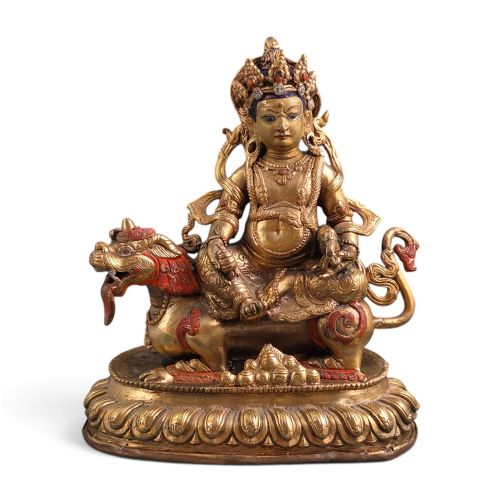
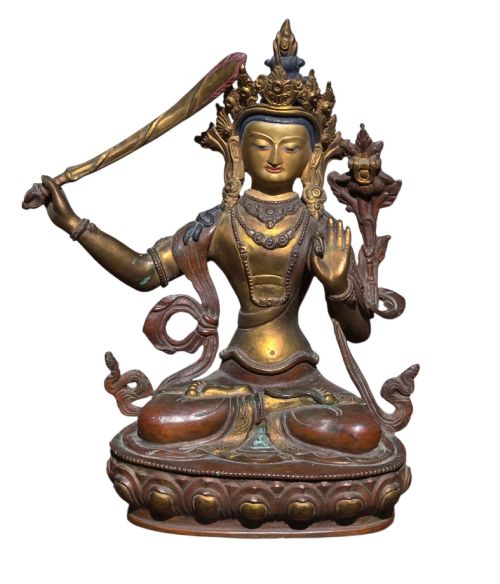
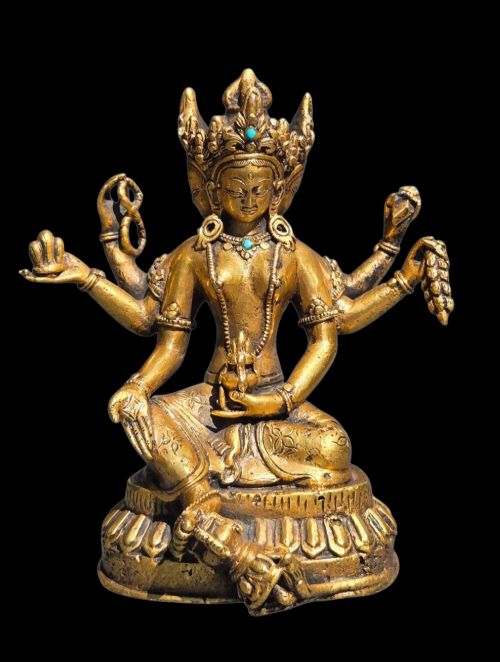
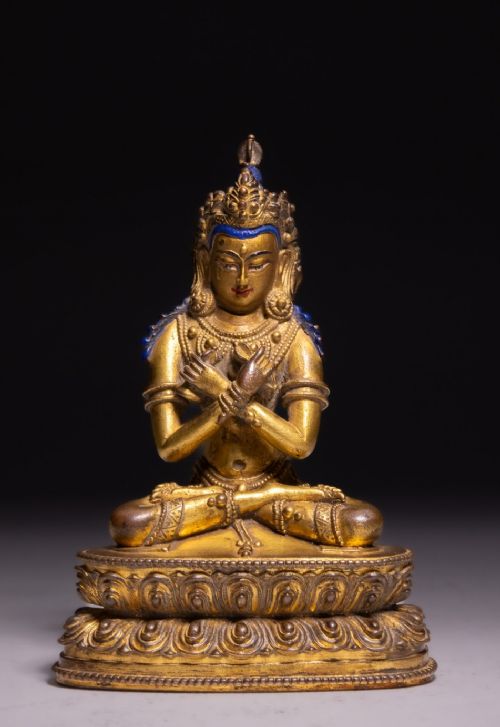
When you search for gold bronze buddha, you encounter sacred sculptures originating from diverse traditions including Sino-Tibetan, Thai, and Hindu cultures. The selections available on this page most frequently date from the eighteenth and nineteenth centuries, alongside earlier sixteenth-century Ayutthaya pieces and early twentieth-century works.
The physical forms include seated deities, multi-armed figures, and specific personages such as Jambhala, Manjushri, and Vajradhara. These objects range from substantial devotional statues to smaller bronze scroll weights and paperweights fashioned in traditional metallic mediums.
How they were made
Maker workshops utilised foundational metals including bronze, copper alloy, and brass, shaping them through casting techniques that produced both solid and hollow sculptures. Artisans then applied fire gilding or gold surfaces to the metal body to denote sacred status.
Current listings feature materials including gilt bronze, turquoise, coral, and pigment across the eighteenth and nineteenth centuries.
What varies in quality
The refinement of the casting process dictates the crispness of facial expressions, drapery folds, and intricate jewellery details across these figures. Superior examples demonstrate confident chiselling and balanced proportions that reflect the aesthetic standards of their originating period.
The preservation of original surface treatments, whether remaining gilt layers or mineral inlays, distinguishes finer pieces from those that have suffered extensive wear or later intervention. The integration of pigments and the harmony of the metal alloy further establish the visual distinction of higher-grade works.
The Gold Bronze Buddha Glossary
- Gilt bronze
- Metal coated with a thin layer of gold or gold amalgam. This technique imparted a luminous finish to sacred sculptures.
- Mineral inlay
- Small stones or gems embedded into the metal surface. Turquoise and coral are typical examples used for decorative emphasis.
- Bodhisattva
- An enlightened being dedicated to assisting others. These figures appear frequently in Sino-Tibetan statuary adorned with princely ornaments.
Gold Bronze Buddha: Frequently Asked Questions
How are these figures dated?
Dating relies upon stylistic markers, casting methods, and the specific iconography associated with particular centuries and regional traditions.
Material composition and the wear patterns on the gilt surfaces also provide reliable indicators of age.
Where were these statues placed originally?
These pieces served as objects of devotion within temples, monasteries, or private household shrines across Asian traditions.
Smaller examples functioned as portable devotional items or scholarly desk objects like scroll weights.
What is the difference between Tibetan and Thai styles?
Tibetan and Sino-Tibetan works generally feature elaborate vestments, multi-armed iconography, and mineral inlays.
Thai and Ayutthaya pieces tend to present simpler, more austere metallic contours with polished surfaces and focused facial expressions.
How should I care for a gilt bronze sculpture?
Maintain these objects in a stable environment away from direct sunlight and excessive humidity to protect the metal and any applied pigments.
Dust gently with a soft, dry brush and avoid chemical cleaning agents that might disturb the historical surface.