
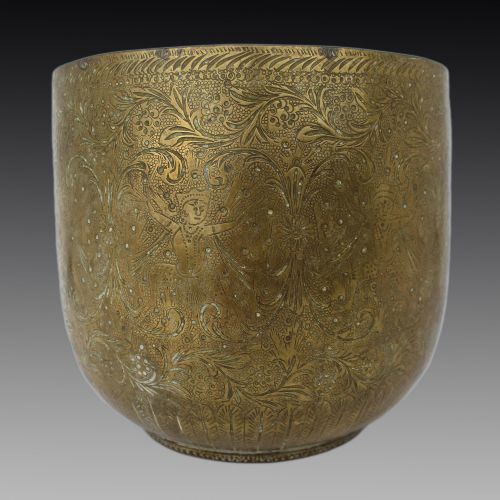
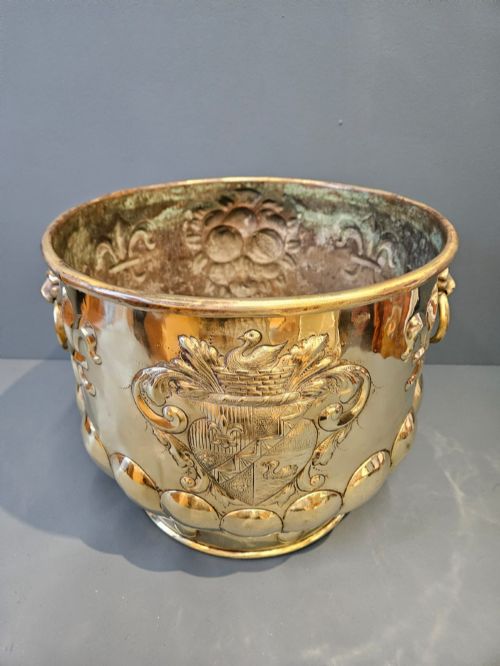
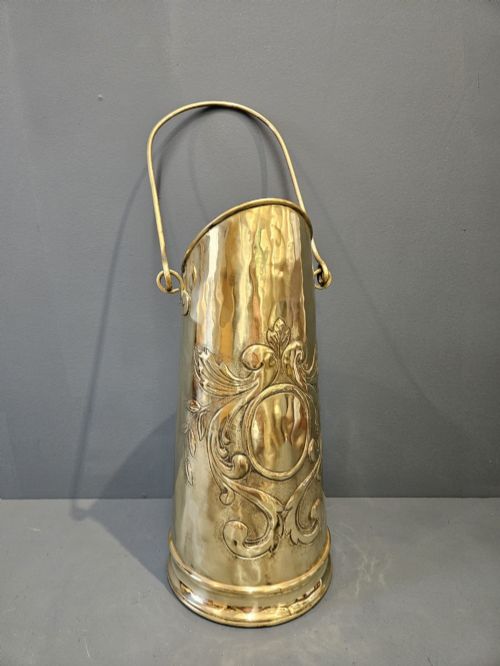
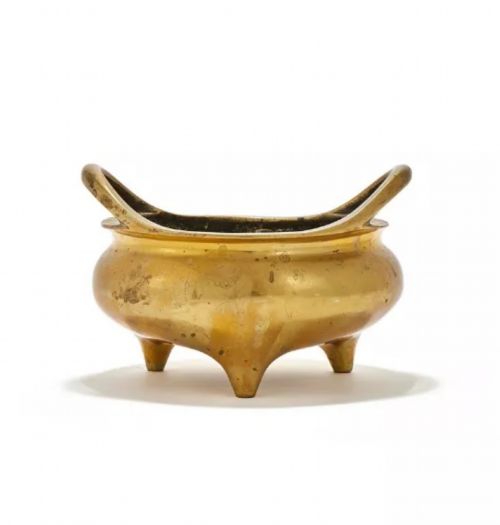
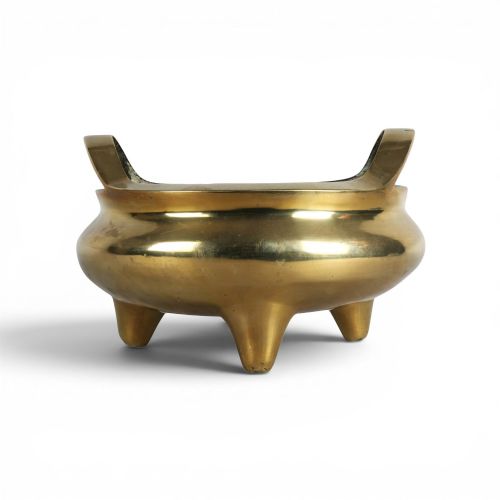

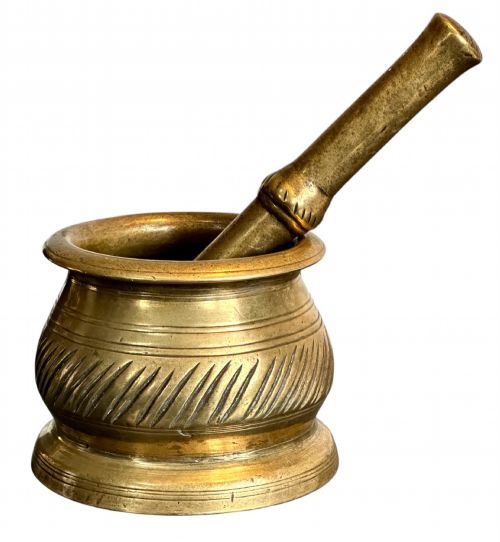
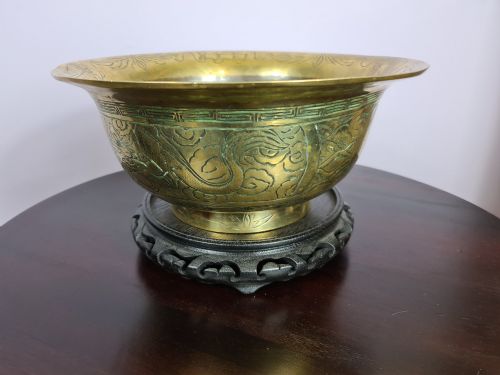


Gold Brass Vessel
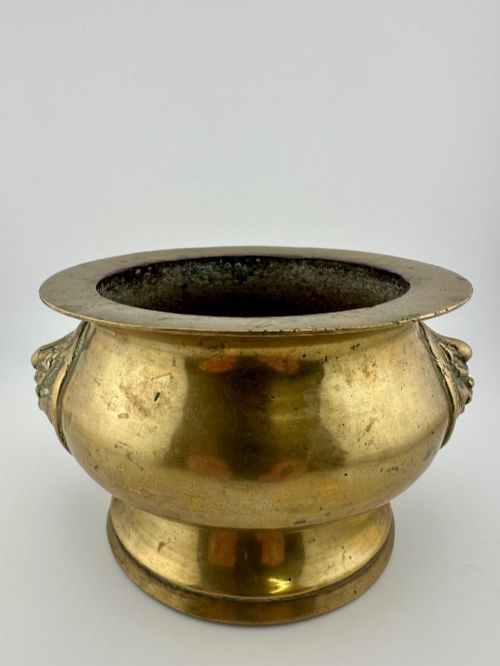
A gold brass vessel brings warmth and weight to a room, ranging from Chinese censers to Victorian planters.
Gold Brass Vessel
When you search for a gold brass vessel, you encounter a diverse collection of utilitarian and decorative objects shaped from copper alloys. These pieces span centuries of craftsmanship, covering utilitarian items like mortars alongside ritual vessels.
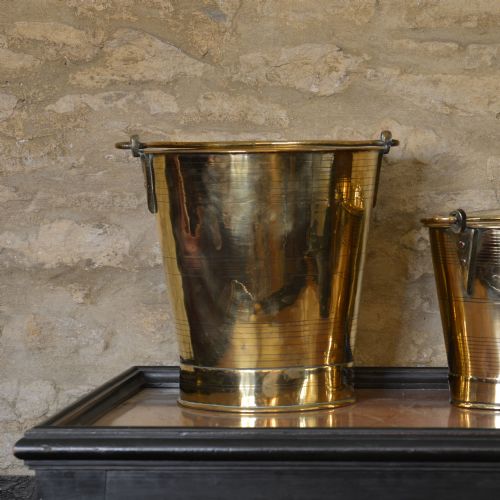
The selections on this page are most commonly Victorian planters, Chinese bronze censers, and English campaign buckets. They reflect global trade and domestic utility from the eighteenth century through to the early twentieth century.
How they were made
The makers utilised brass, bronze, and gilt bronze, often combining copper with zinc or tin to achieve varied golden tones. Casting and hammering formed the primary methods of construction for these sturdy containers.
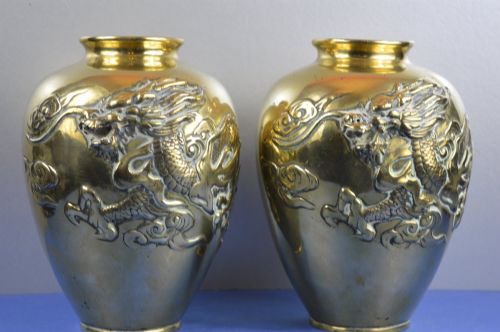
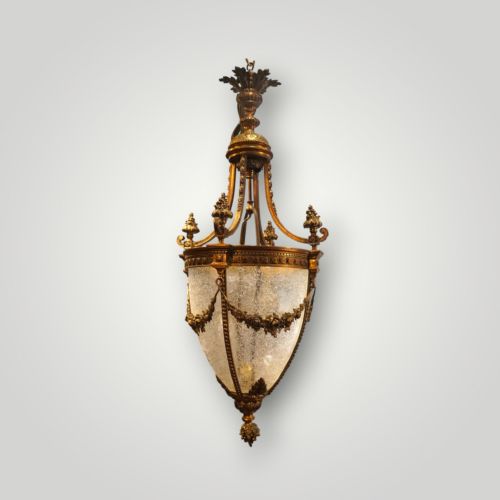
Surface decoration frequently involved intricate piercing, cloisonné enamel work, or cast relief details like dragon motifs and crests. Ormolu and fire gilding added luminous metallic finishes to select decorative pieces.
Listings feature items from the 18th Century, Victorian era, Edwardian period, and early 20th Century.
What varies in quality
Metal thickness and overall weight signal the integrity of the piece, with heavier bronze and brass examples demonstrating superior substance. Fineness of chased or cast detail distinguishes standard production work from exceptional commissions.
The harmony of proportions and the preservation of original surface patination dictate the desirability of each item. Markings, such as character stamps or maker attribution, elevate the standing of historical pieces.
The Gold Brass Vessel Glossary
- Censer
- A vessel designed for burning incense, commonly found in ritual settings. These often feature tripod bases and pierced lids.
- Jardiniere
- An ornamental pot or stand intended for holding plants or flowers. They appear frequently in heavy brass and Victorian ceramic pairings.
- Ormolu
- Gilt bronze ornamentation applied to furniture or decorative objects. The technique involves a mercury amalgam bonded to a bronze base.
- Cloisonne
- Enamelling technique where thin metal strips form compartments on a metal body. These cells are filled with vitreous paste and fired.
- Ciborium
- A covered receptacle used in ecclesiastical contexts to hold Eucharistic bread. They are typically fashioned from heavy Gothic brass.
Gold Brass Vessel: Frequently Asked Questions
What is a gold brass vessel used for?
These items served various practical and ritual purposes, from burning incense in Chinese temples to holding household coal or plants in Victorian homes.
Today, collectors repurpose them as decorative bowls, planters, or sculptural centrepieces in modern interiors.
How do I clean an antique brass vessel?
Most collectors prefer to leave the natural patination intact, as aggressive polishing removes historical surface character.
Dusting with a dry cloth or gentle cleaning with non-abrasive solutions is sufficient to maintain the metal safely.
How can I tell the period of a brass vessel?
Stylistic clues such as Art Nouveau curves, Victorian crests, or Qing Dynasty dragon motifs provide clear dating indicators.
Manufacturing marks, construction seams, and the specific composition of the metal also help determine the era of origin.
Are bronze and brass the same material?
Both are copper alloys, but brass is primarily copper combined with zinc, whereas bronze uses tin.
This difference in composition creates distinct colour variations, ranging from bright golden brass to deep brown-gold bronze.