


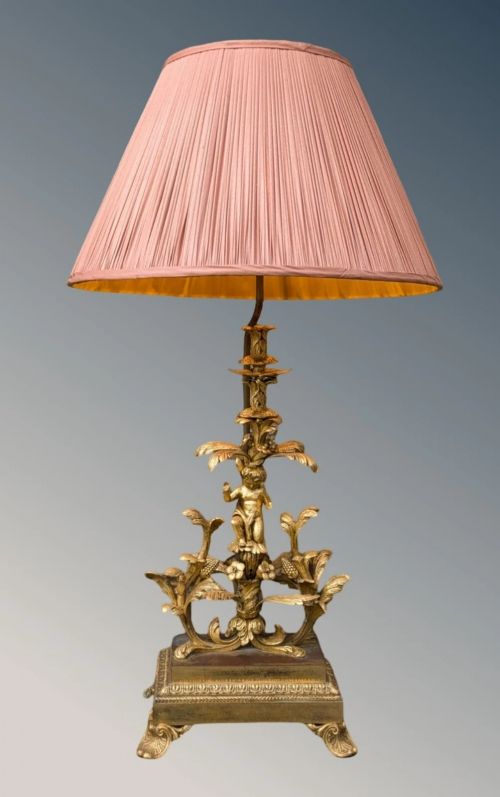
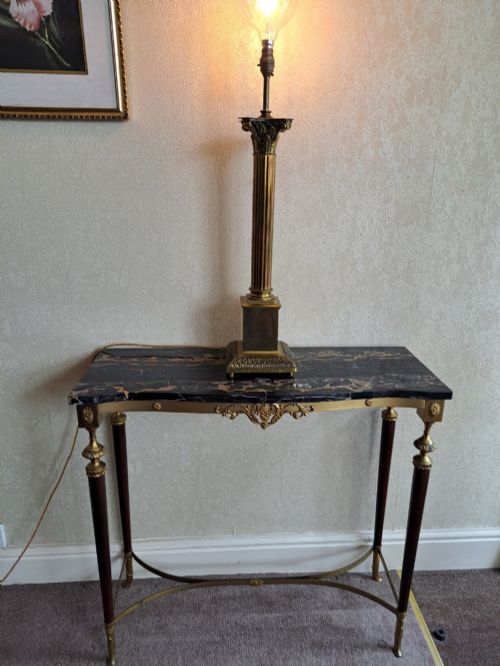
Gold Brass Reading Light
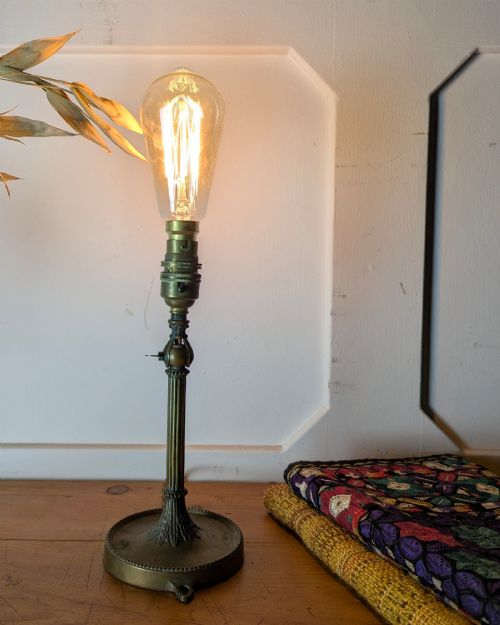
A gold brass reading light brings focused warmth and period character to a desk or corner, combining functional task lighting with robust metalwork.
Gold Brass Reading Light
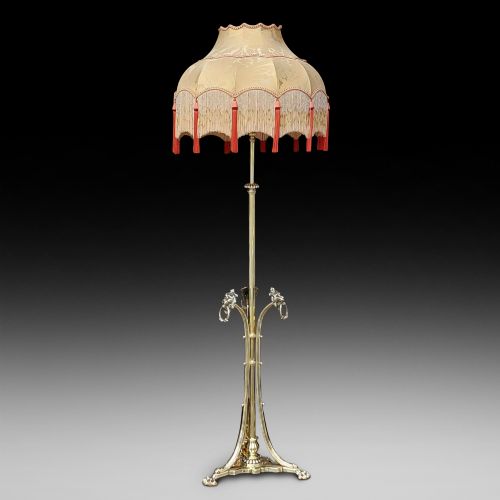
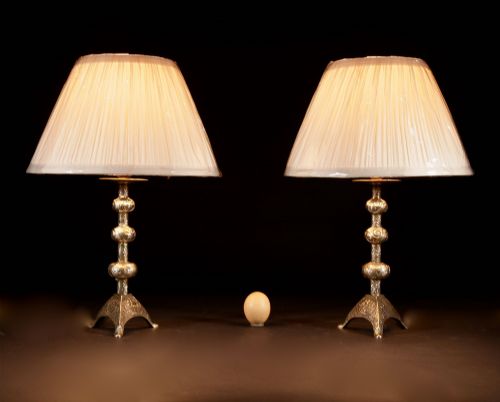
When you search for a gold brass reading light, you encounter diverse domestic illumination designed for specific tasks from the nineteenth and early twentieth centuries. These pieces encompass table lamps, standard lamps, desk lamps, and flexible variants intended to direct illumination precisely where required.
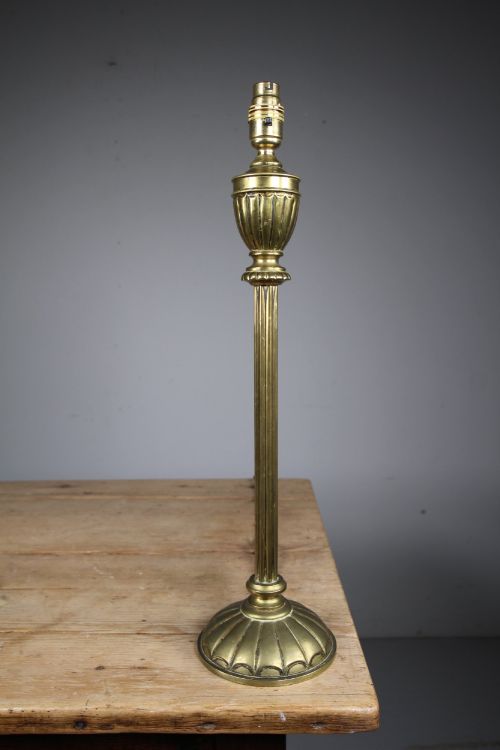
The versions most frequently met on this page span Victorian and Edwardian periods alongside the nineteen-twenties. They emerge in forms such as classical columns, adjustable standard lamps, and specialised reading or wall lights utilising durable metal construction.
Materials and construction methods
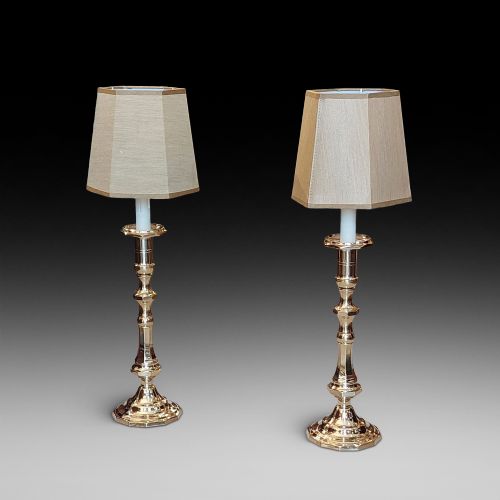
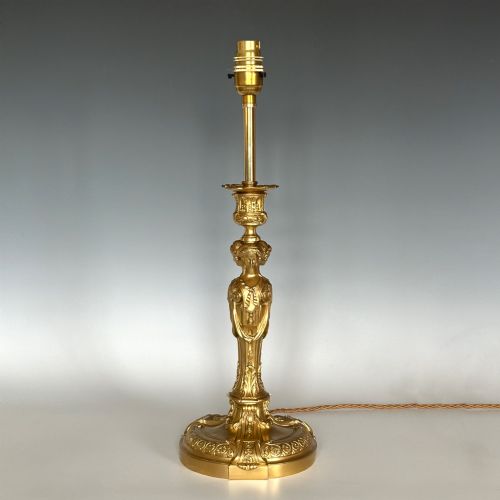
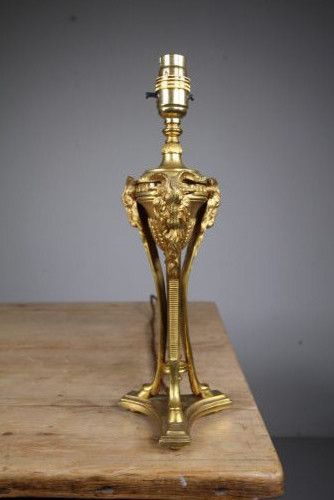
These pieces rely heavily upon brass, gilt bronze, and ormolu to provide both structural rigidity and a lustrous golden finish. Makers frequently paired these metals with glass, fabric shades, silk, marble, and toleware elements to soften the glare and balance the weight.
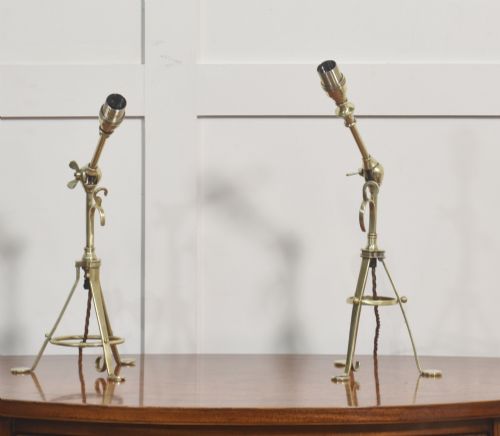
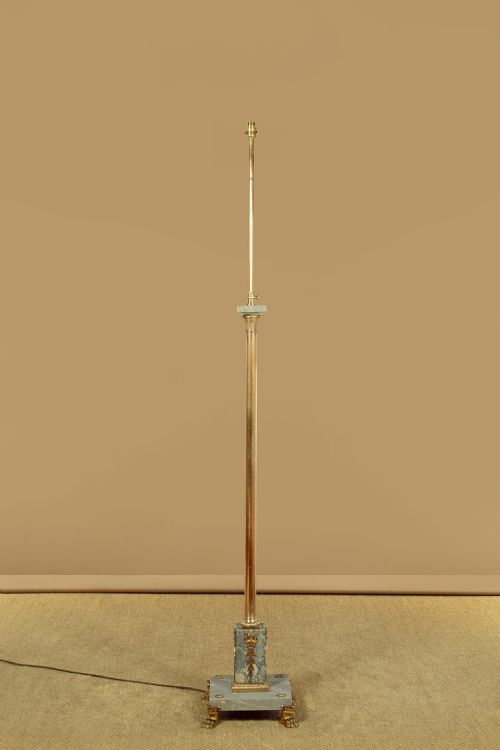
Engineering techniques focus on utility, incorporating telescopic stems, adjustable angles, and flexible joints. Cast brass components and reeded columns deliver the necessary stability for daily adjustment without sacrificing decorative detail.
Gold Brass Reading Light Retail Price Guide 2026
Typical asking prices for gold brass reading light among the pieces listed under this phrase on Sellingantiques today, from the lower quarter to the upper quarter. They describe what is for sale here now, not the wider market.
Several examples include adjustable steamer lamps designed to withstand the rolling floors of passenger ships.
Factors influencing quality
The distinction between standard examples and superior pieces rests upon the crispness of the casting and the refinement of the metal finishing. Heavier gauges of brass and finely chased gilt bronze denote a higher grade of manufacture.
Mechanical complexity also separates the ranges, where smooth telescoping actions, robust joints, and intact original wiring mechanisms demonstrate superior craftsmanship by the original workshop.
The Gold Brass Reading Light Glossary
- Ormolu
- Finely ground high-carat gold mercury-gilded onto a bronze base. This technique creates a rich, durable golden surface seen on decorative mounts and high-status lighting.
- Corinthian Column
- An architectural column form featuring ornate acanthus leaves on the capital. Victorian and Edwardian makers frequently adopted this classical order for standard lamps and table lights.
- Standard Lamp
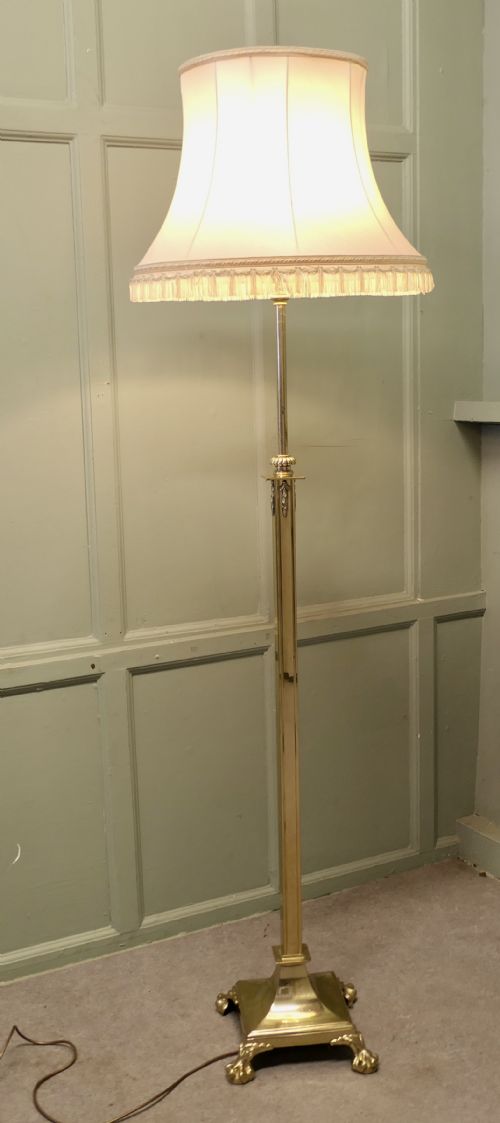
- A tall floor-standing lamp designed to illuminate a room or reading area. These pieces often feature adjustable heights and heavy bases to prevent tipping.
- Toleware
- Painted or lacquered tinplate objects often finished in rich colours like green and gold. They provide contrasting colour accents against polished brass components.
Gold Brass Reading Light: Frequently Asked Questions
How do I adjust a standard lamp?
Many period reading lights incorporate a telescopic stem or a pivoting arm secured by a thumbscrew. Loosen the mechanism gently before altering the height to avoid straining the internal wiring.
Support the upper section with one hand while adjusting to ensure the brass threads remain aligned and secure.
Where should I place a desk lamp?
Position the lamp on the opposite side of your writing hand to minimise shadows across the page. Adjustable brass arms allow you to direct the beam precisely onto books or documents.
Ensure the heavy base rests on a stable surface where the flexible or pivoting stem has full clearance to move.
How do I identify a Victorian lamp?
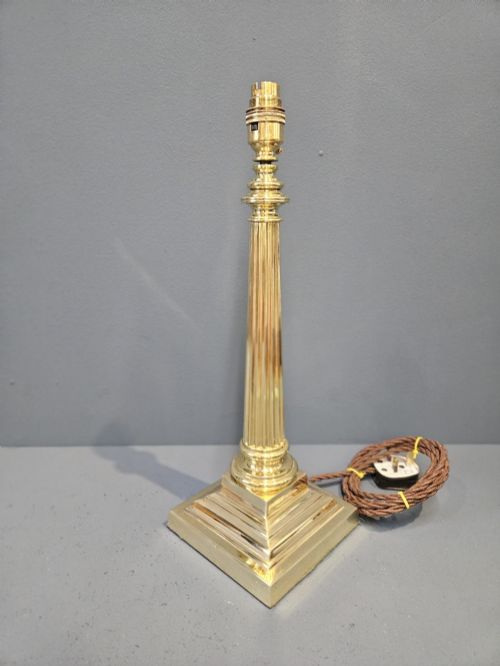
Victorian examples often display classical revival motifs such as fluted columns, heavy stepped bases, and rich patinated brass. Look for construction hallmarks like cast brass components and heavy gauge metal.
Many of these pieces transitioned from oil burning to electricity, retaining their robust proportions and classical capitals.
Can I use modern bulbs?
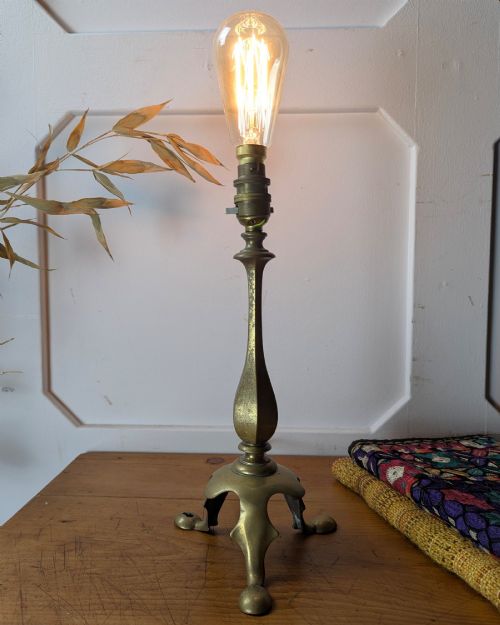
Most antique lamps accommodate standard modern screw or bayonet bulbs provided the wattage matches the historical lampholder limits. Check the internal fittings to ensure insulation remains sound.
Consult a professional if the lamp requires rewiring to meet current electrical safety standards for everyday domestic use.