


Gold Brass Pot
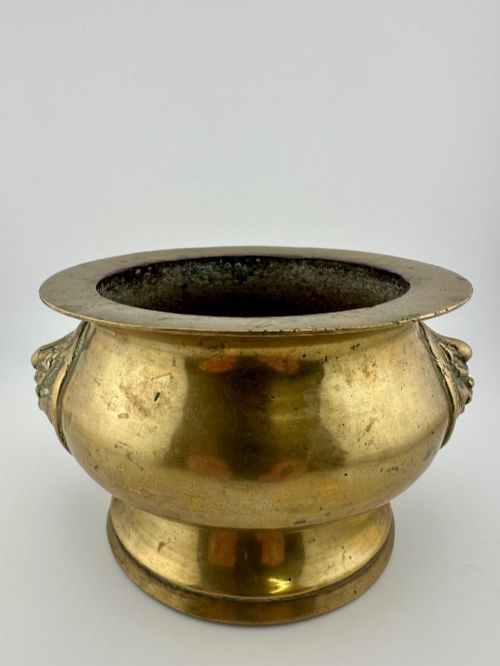
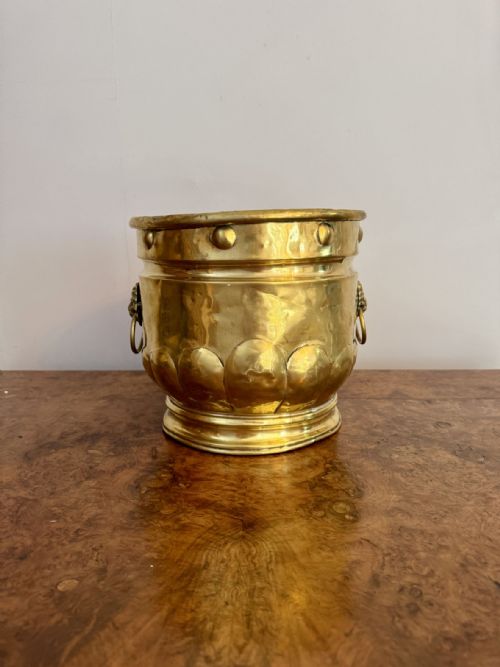
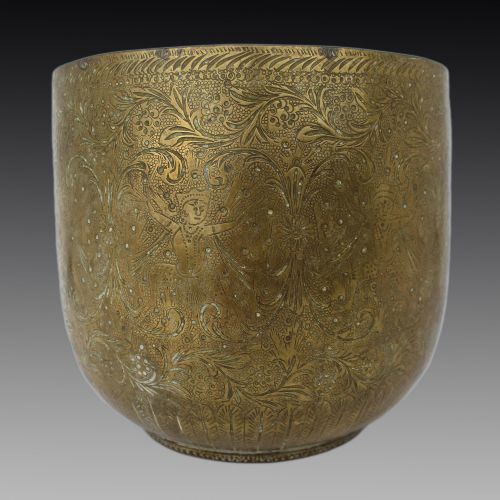
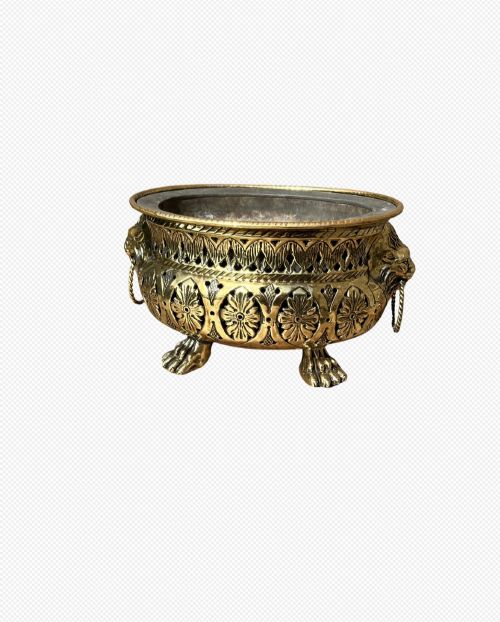
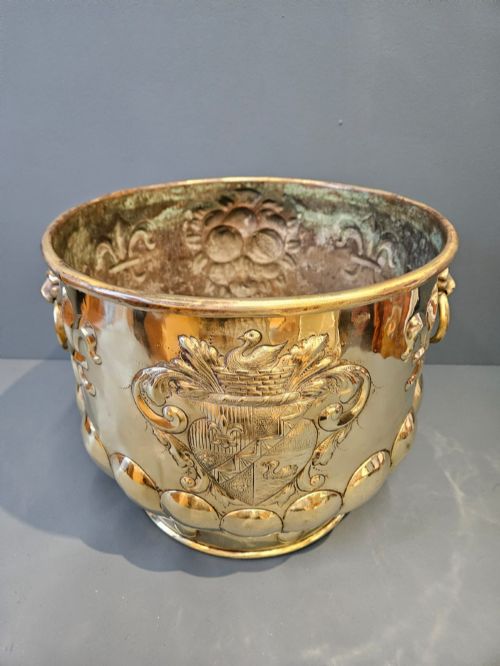
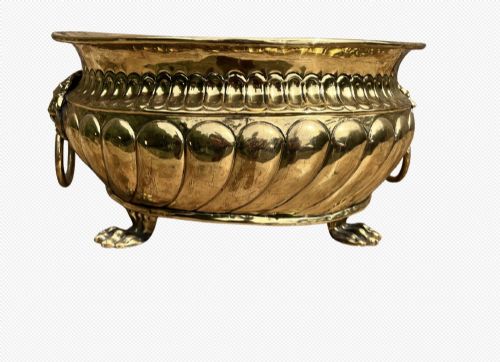
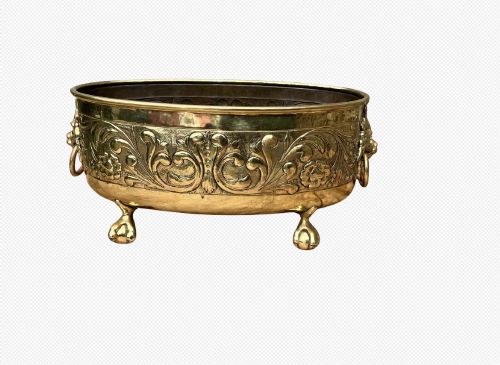
These gold brass pot pieces are historic planters, jardinières, and vessels designed to hold plants or display interiors.
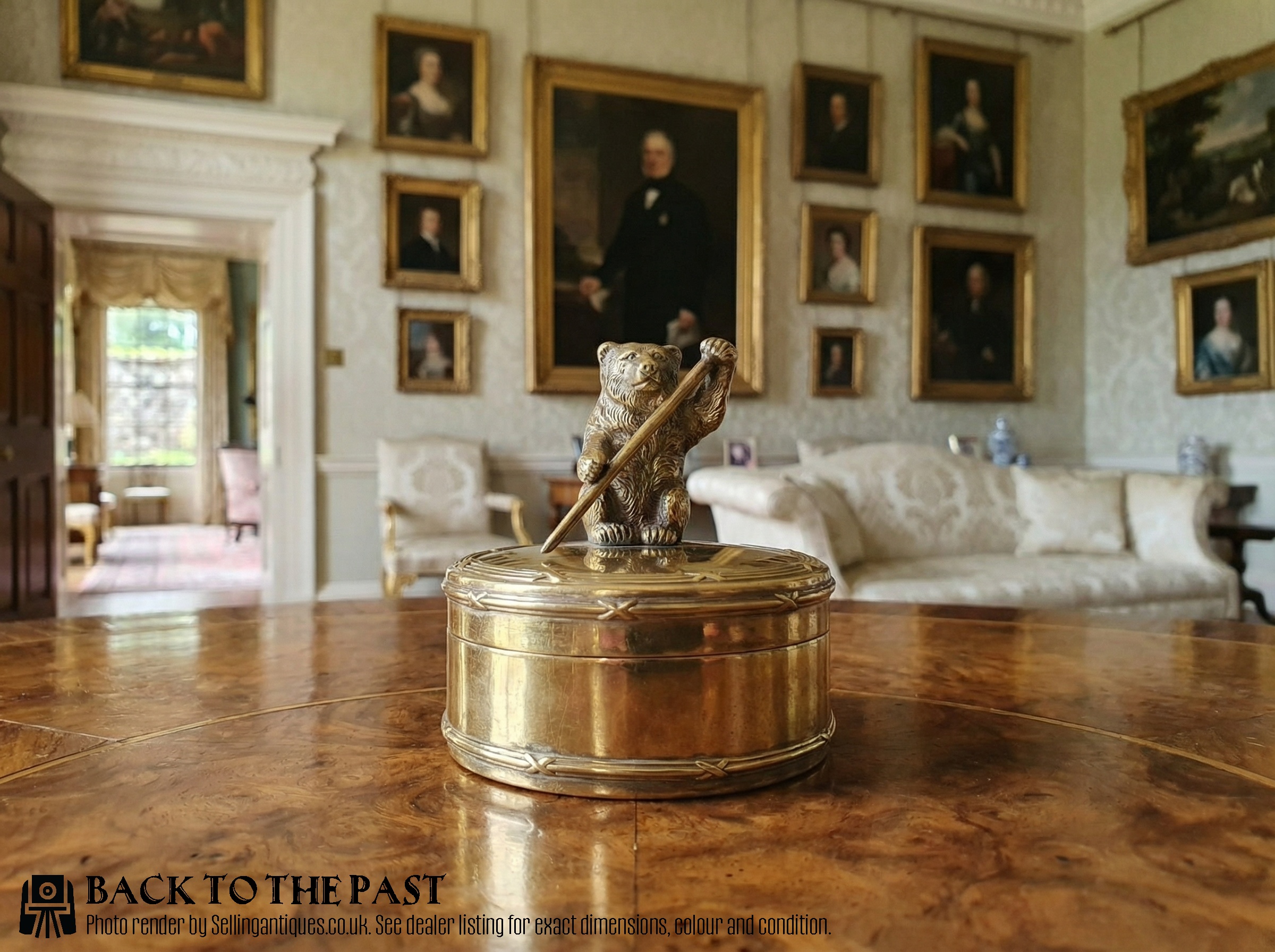
Gold Brass Pot
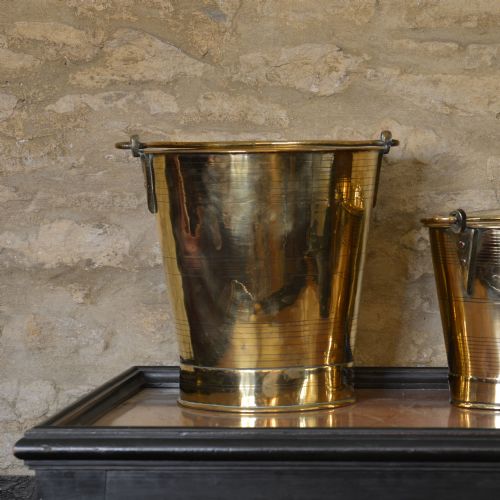
A gold brass pot spans nineteenth-century Victorian pieces and early twentieth-century Edwardian designs, often taking the form of jardinières, cachepots, and plant stands. Buyers looking at this selection will frequently encounter heavy planters, campaign buckets, and ceremonial vessels originating from Britain, continental Europe, and Asia.
The objects serve primarily as decorative containers for indoor flora or domestic storage, utilising substantial metal alloys to create commanding visual focal points in a room. Victorian and Edwardian examples dominate the current selection, reflecting domestic horticulture trends of those eras.
International influences shape many of these forms, including Anglo-Indian camp pieces, Chinese bronze censers with lion mask handles, and Dutch-inspired toleware urns. This variety ensures that buyers find both utilitarian vessels and ornate decorative objects suited to distinct interior schemes.
Assessing quality
Quality rests in the crispness of repoussé detailing and the deliberate weight of the cast metal, where thicker walls and defined animal masks or crests indicate superior craftsmanship. Lesser pieces often exhibit flat surface stamping and minimal hand-finishing.
The integrity of integrated elements, such as firm joints on handles or secure mountings on marble and metal combinations, distinguishes higher-grade items. Artisanal precision in chased motifs elevates the visual merit well above standard factory-pressed alternatives.
Current listings feature nineteenth-century and Edwardian periods, utilising brass, bronze, marble, copper, paint, and gold leaf in forms like jardinières and cachepots.
The Gold Brass Pot Glossary
- Jardiniere
- An ornamental pot or stand designed to hold plants or flowers indoors. These vessels often sit on sturdy legs or feature decorative handles.
- Repousse
- A metalworking technique where the artisan hammers the material from the reverse side to form a raised design in relief. This method creates tactile surface patterns on planters and vases.
- Cachepot
- A decorative outer pot used to conceal an ordinary flowerpot containing a plant. They prevent water damage to furniture surfaces by catching drainage.
- Ormolu
- Gilded bronze applications mounted onto decorative objects or furniture pieces, popular in French-inspired design. The technique imparts a rich gold appearance to metalwork.
- Toleware
- Painted or lacquered metalware, typically tinplate, produced in Europe and America during the eighteenth and nineteenth centuries. These items mimic Asian lacquer techniques.
Gold Brass Pot: Frequently Asked Questions
What is a gold brass pot used for?
These metal vessels primarily function as jardinières, cachepots, or plant stands designed to hold interior flora and elevate botanical displays.
Historically, households also utilised larger variants as log buckets or decorative urns within principal living spaces.
How do I date a brass planter?
Dating relies on examining the manufacturing techniques, fastener styles, and stylistic motifs associated with Victorian, Edwardian, or nineteenth-century periods.
Heavier hand-worked repoussé and specific regional patinations often point to precise decades of production.
Are these pots suitable for live plants?
Most historic cachepots and jardinières served to house potted plants inside a protective outer container rather than holding soil directly.
Using a plastic liner protects the historic interior from moisture and mineral deposits while maintaining the display.
How do I clean an antique brass pot?
Maintenance typically involves dusting with a soft cloth and preserving the natural patina rather than aggressive polishing.
Harsh chemical cleaners strip away historic surface characteristics that collectors value.