

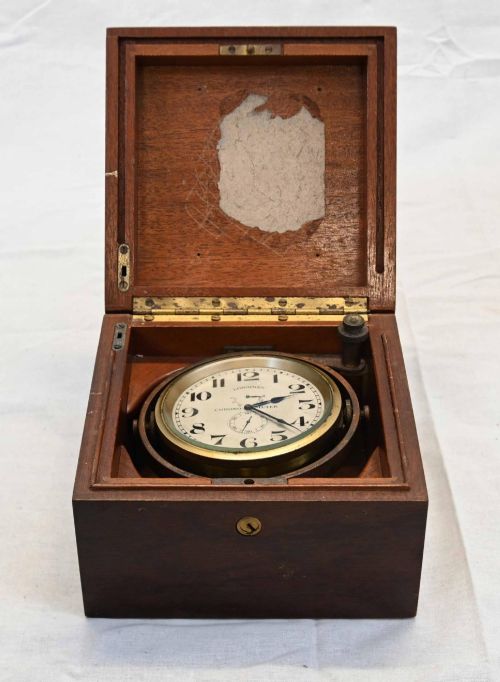
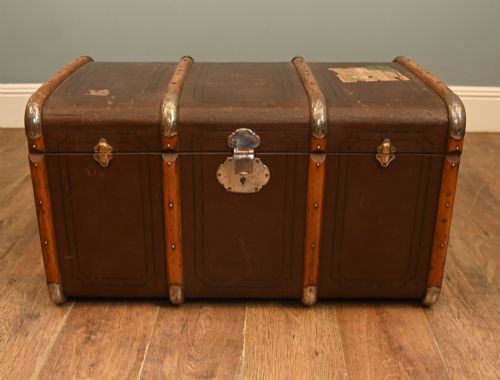
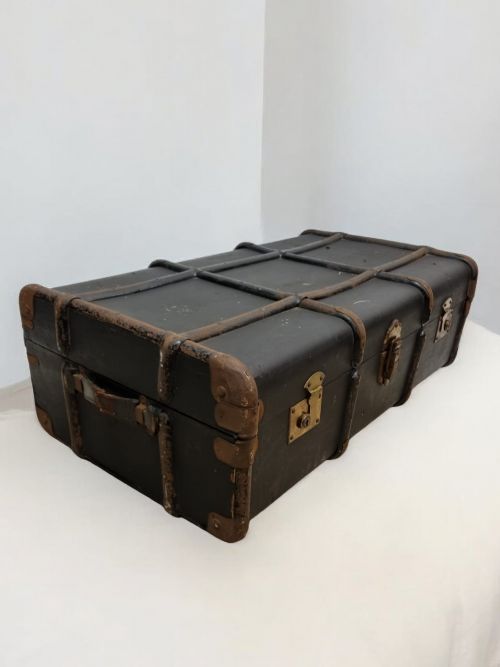


1920s Brass Box
A 1920s brass box brings period charm to a desk or mantelpiece, offering tactile appeal and compact storage.
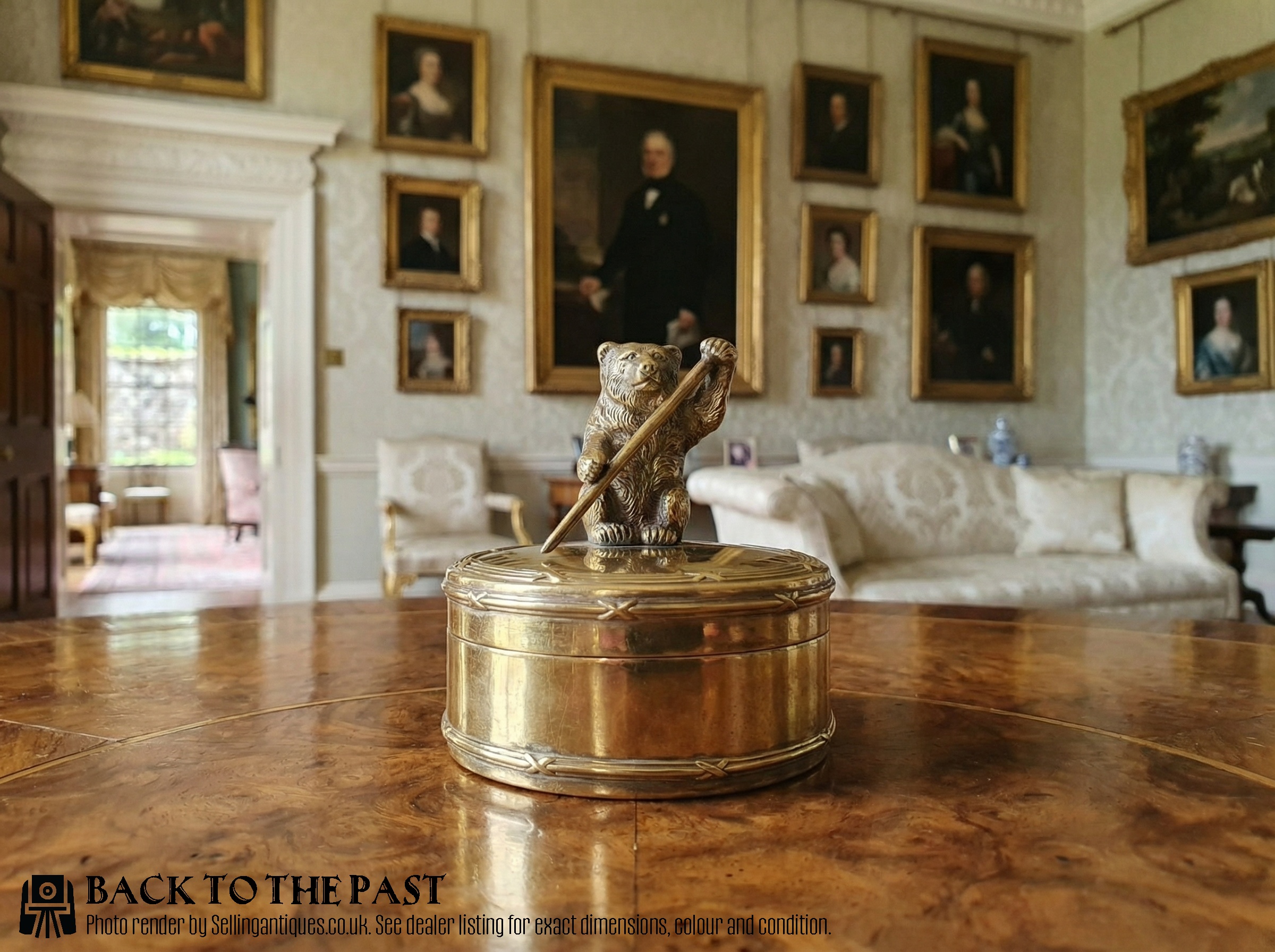
1920s Brass Box
A 1920s brass box encompasses small receptacles designed for trinkets, cigarettes, or novelty displays from the early twentieth century. These pieces often incorporate metal trim or feature distinct animal finials reflecting the design tastes of the era.
Buyers browsing this selection will encounter varied forms alongside metalwork, including decorative wooden chests, shagreen cases with bone and brass details, and novelty hat box biscuits. The assortment spans multiple cultures and functions, touching upon French styling and Chinese craftsmanship.
While the search term highlights brass, the actual selection on this page frequently pairs metal with other materials like wood, leather, and shagreen. The items range from small desk accessories to larger travel trunks outfitted with original brass hardware.
How they were made
Makers of the period utilised solid brass for structural frames, decorative corners, and detailed finials, often combining the metal with exotic materials like shagreen, crocodile, and bone. Wood foundations such as mahogany and rosewood provided sturdy internal structures for jewellery chests and writing cases.
Surface finishing relied on manual assembly and traditional hardware fitting, with hinges, locks, and stencilled monograms applied by hand. Travel luggage and trunks integrated canvas and vulcanised fibre alongside wood and leather, secured with robust brass latches.
1920s Brass Box Retail Price Guide 2026
Typical asking prices for 1920s brass box among the pieces listed under this phrase on Sellingantiques today, from the lower quarter to the upper quarter. They describe what is for sale here now, not the wider market.
The object types on this page range from small trinket and jewellery boxes to large steamer trunks and mahjong sets.
What varies in quality
The standard of a piece rests upon the crispness of its metal casting, particularly on decorative elements such as finials or hinges. Superior examples display clean joints and deliberate material pairing, whereas simpler items rely on basic construction.
Condition and originality dictate the standing of a piece within its type. Items retaining original hardware, unblemished shagreen, and intact internal compartments command greater attention than those with extensive replacement parts.
Aux Etats Unis·Goyard·Louis Vuitton
The 1920s Brass Box Glossary
- Art Deco
- A design style characteristic of the 1920s and 1930s, defined by geometric symmetry and stylised motifs. It appears across various decorative boxes and luxury travel items.
- Shagreen
- Underside sharkskin or stingray skin used as a luxury covering on small boxes and cigarette cases. It provides a distinctive textured surface.
- Finial
- A decorative ornament fixed to the top of a box lid, such as the cast metal bear found on period brass examples. It serves as both a grip and an aesthetic feature.
- Writing Box
- A portable desk fitted with compartments for stationery, ink, and pens, often featuring a sloping writing surface. These were essential travel companions in the early twentieth century.
1920s Brass Box: Frequently Asked Questions
How do I clean a brass box?
Dust the surface gently with a soft, dry cloth to preserve any patination accumulated over the decades.
Avoid abrasive metal polishes that can strip away the historic finish and damage adjacent materials like wood or leather.
Can I use a trinket box daily?
These boxes are sturdy enough for regular use storing small items like jewellery, cufflinks, or desk accessories.
Take care with delicate surface coverings such as shagreen or vintage leather when handling them frequently.
How do I date a 1920s box?
Examine the construction methods, hardware styles, and materials to align them with early twentieth-century manufacturing practices.
Maker's marks, stencilled monograms, and distinctive Art Deco design cues often help narrow the production era.
Were these boxes made for travel?
Smaller boxes were generally intended for domestic desktop use, vanity storage, or holding cigarettes.
Larger trunk forms and specialised cases were engineered specifically for ocean liners and early motoring journeys.