
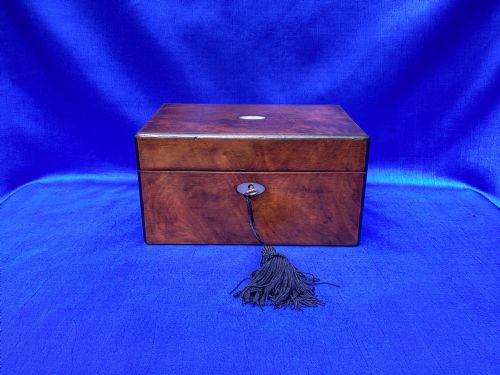
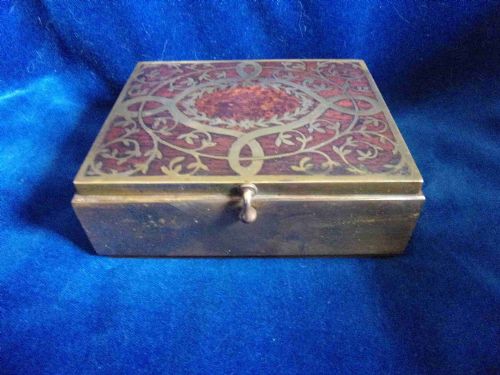
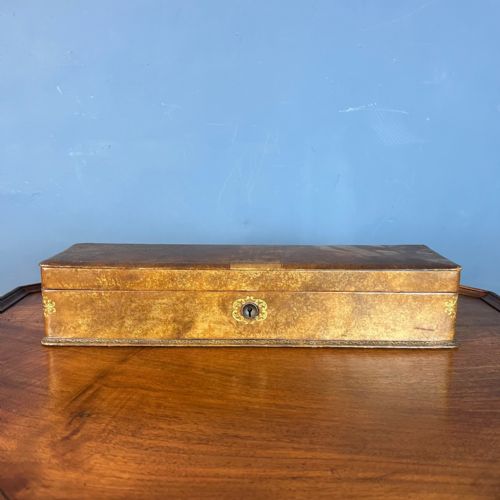


Edwardian Brass Trinket
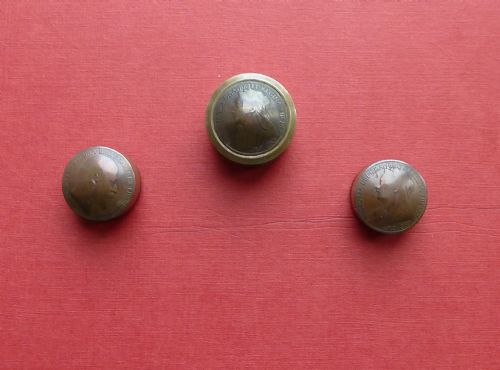
Edwardian brass trinket pieces are small decorative metal containers holding keepsakes and pins, prized for crisp period casting.
Edwardian Brass Trinket
When you search for edwardian brass trinket items, you encounter a selection of small metal containers and caskets originating around the turn of the twentieth century. These objects served utilitarian purposes on dressing tables and desks, holding small valuables, pins, or stamps.
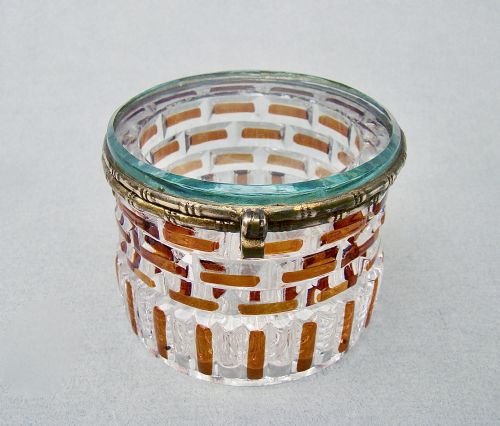
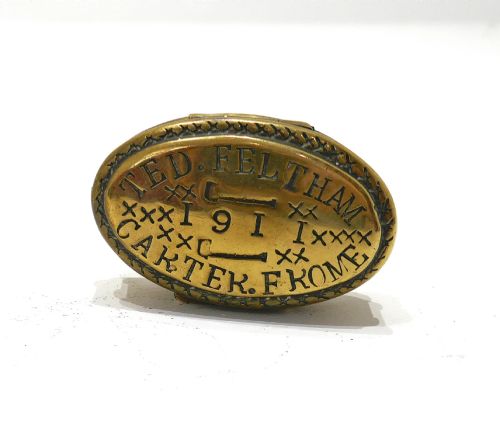
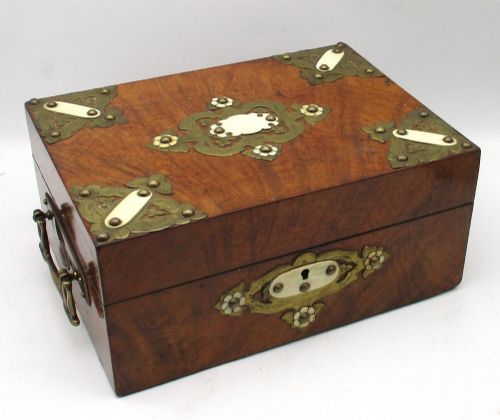
The pieces appearing on this page extend beyond strict Edwardian dates to include Victorian and 1920s metalwork, alongside related items in glass, mahogany, burr walnut, and coromandel. The forms range from simple engraved snuff boxes to cast brass caskets and glazed display tables.
Materials and construction
The construction relies heavily on cast and sheet brass, frequently paired with wooden carcases of mahogany, walnut, or exotic coromandel. Metal components are joined by hinges, while wooden boxes often incorporate brass banding, escutcheons, and inlaid motifs.
Surface decoration involves engraving, repousse work, and bevelled glass panels. Some metal surfaces carry specific names or dates, reflecting individual commissioning or commemorative use.
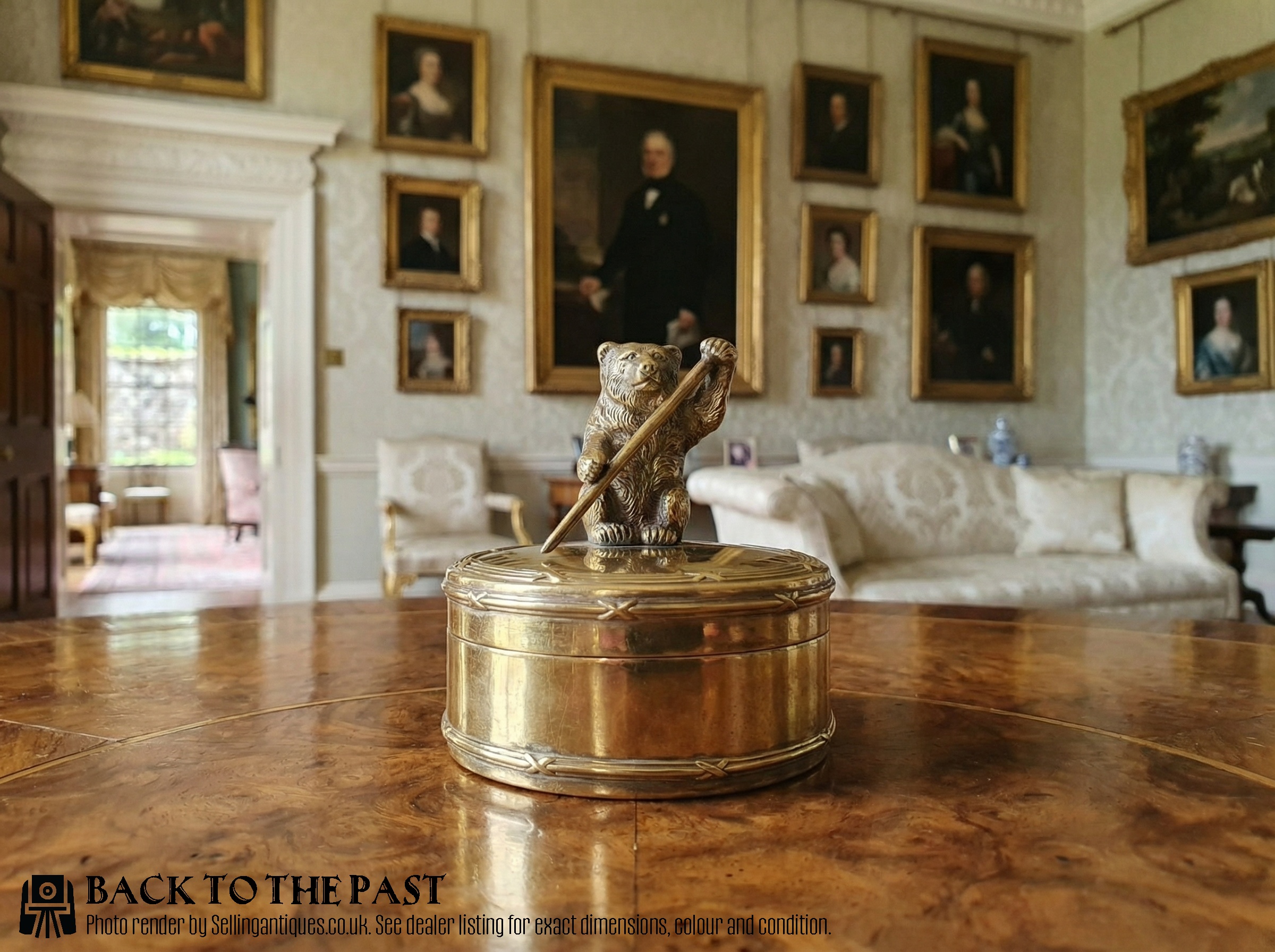
An inquisitive metal bear sits proudly as a finial on one box.
Distinctions in quality
Quality rests upon the crispness of the brass casting and the precision of the joinery between metal and wood. Superior pieces exhibit well-fitted lids, stable hinges, and detailed chased or engraved ornament rather than flat, stamped decoration.
The choice of secondary materials, such as burr walnut veneers or thick bevelled glass, distinguishes standard utility items from finer boudoir pieces. Interior linings in silk or velvet further indicate the original grade of the container.
Erhard and Sohne·William Morris
The Edwardian Brass Trinket Glossary
- Repousse
- Metalworking technique where the design is hammered into relief from the reverse side. This gives a tactile, three-dimensional quality to brass and copper surfaces.
- Escutcheon
- A flat plate surrounding a keyhole that protects the surrounding wood or metal. On these boxes, it is typically formed from polished brass.
- Bevelled glass
- Glass pane with edges ground and polished at an angle. It is frequently seen in glazed vitrines and display caskets to catch the light.
- Casket
- A decorative box designed to hold valuables or jewellery. These often feature decorative metal mounts or cast feet.
Edwardian Brass Trinket: Frequently Asked Questions
What were brass trinket boxes used for?
These small containers stored daily accessories such as pins, cufflink sets, and small keepsakes on dressing tables.
They also served as desktop receptacles for stamps and seals, keeping loose items organised in the home.
How do I clean a brass trinket box?
Dusting with a soft, dry cloth preserves the aged surface without stripping the natural patina accumulated over decades.
Harsh chemical polishes should be avoided, particularly around engraved lines or delicate wooden and fabric interiors.
Are all these boxes from the Edwardian period?
The selection encompasses pieces from the Victorian era, the Edwardian years, and the early twentieth century.
Stylistic influences span Art Nouveau, Arts and Crafts, and Jugendstil alongside standard period designs.
What is the difference between a trinket box and a jewellery box?
Trinket boxes generally provide open storage for small daily accessories and pins on a surface.
Jewellery chests often feature fitted internal compartments, trays, or specialised slots for rings and necklaces.