



Gold Brass Bowl
A gold brass bowl brings a warm, metallic gleam to a room, offering both decorative presence and historical craftsmanship from centuries past.
Gold Brass Bowl
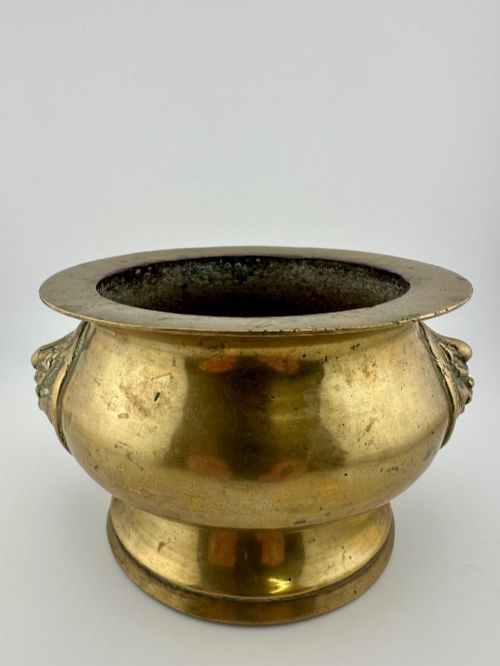
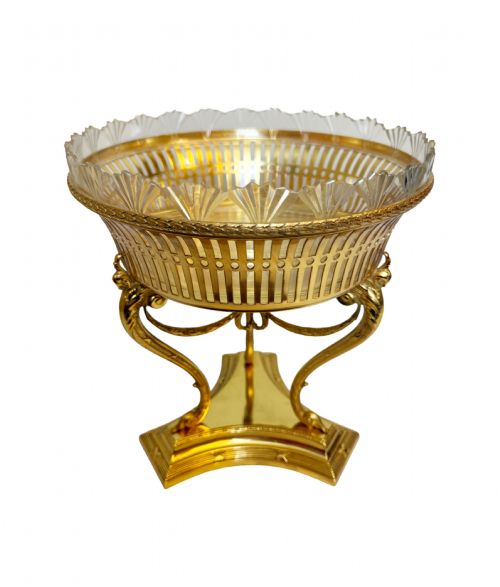
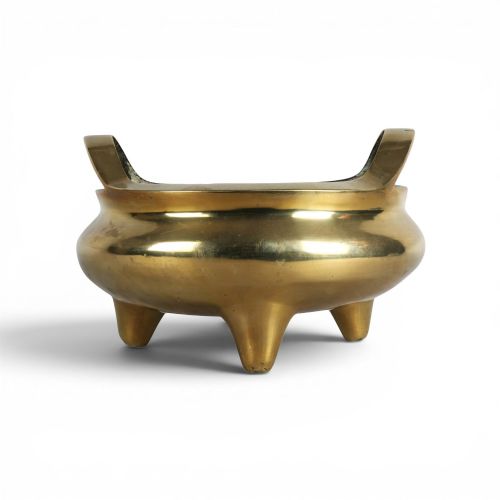
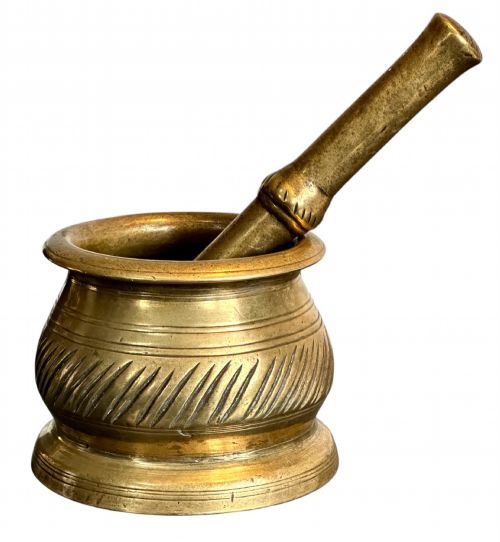
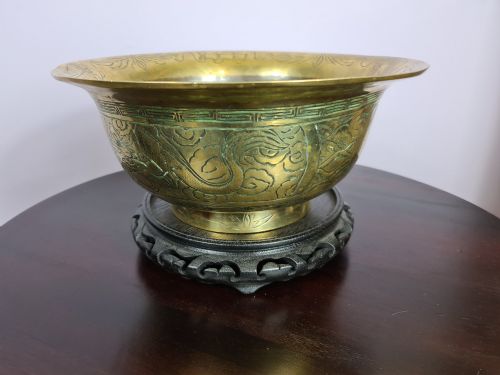
When you search for a gold brass bowl, you encounter a diverse array of metal vessels spanning several centuries and global origins. These pieces range from substantial temple censers and cachepots to delicate tazzas, centrepieces, and decorative dishes.
The selection on this page leans heavily towards 19th-century and 18th-century examples, incorporating both European revival styles and Asian bronze or brass traditions. You will frequently find jardinieres, planters, and handled incense burners sharing space with gilded dishes and butter oil lamps.
Materials and Techniques
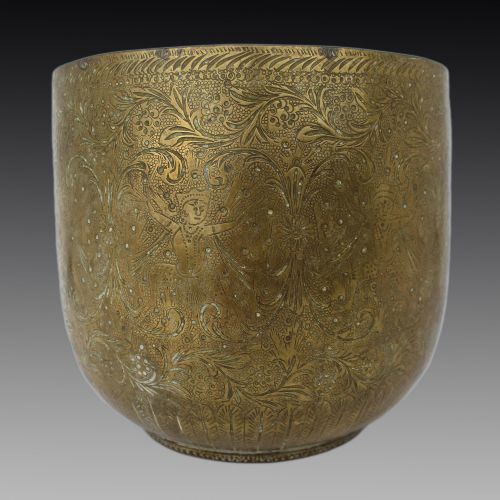
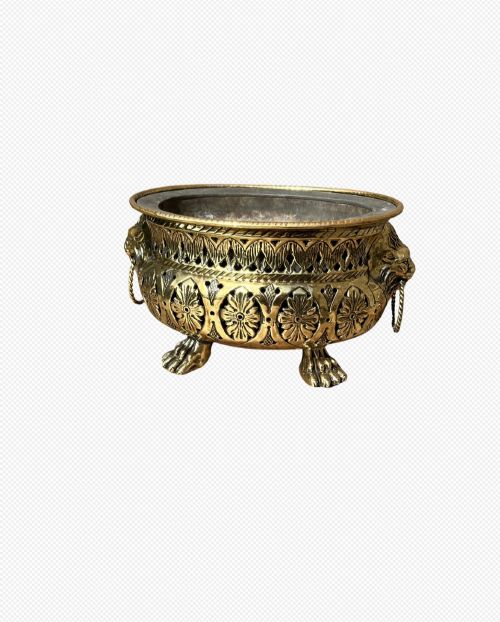
The construction of these vessels relies primarily on cast and beaten brass, bronze, and gilt metal, sometimes paired with cut glass inserts or porcelain. Metalworkers utilised techniques such as repoussé, engraving, and piercing to decorate the surfaces with intricate patterns and animal motifs.
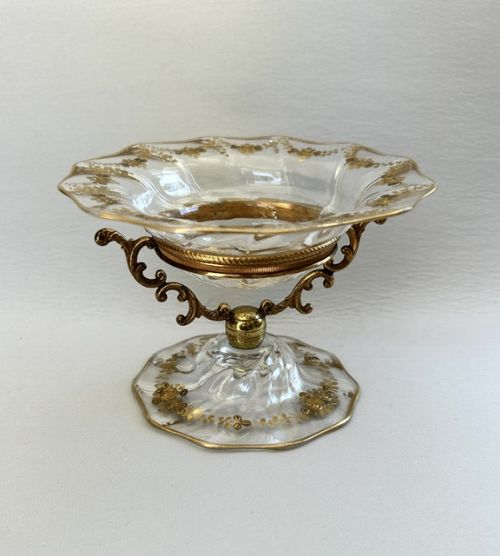
Gilding and ormolu treatments provide the characteristic golden sheen seen on many of the French Empire and Rococo revival pieces. Heavier items demonstrate traditional casting methods, often resulting in substantial weights suitable for architectural planters and large centrepieces.
Assessing Quality
Distinctions in quality rest on the crispness of the casting and the depth of the decorative work, such as hand-engraving or repoussé relief. Finer pieces display deliberate weight, balanced proportions, and careful integration of secondary materials like glass or porcelain.
The refinement of the surface finish and the preservation of original gilding or patination differentiate standard utilitarian vessels from exceptional decorative works. Maker marks or specific cultural signatures further distinguish pieces produced within established Asian or European traditions.
Wu Bangzuo·Sir George Reid
The Gold Brass Bowl Glossary
- Censer
- A vessel used for burning incense, frequently featuring tripod supports or handles in forms such as lion masks. These objects often originate from Asian traditions.
- Jardiniere
- An ornamental pot or stand designed to hold plants or flowers, commonly rendered in pierced or repoussé brass. They serve as prominent interior display pieces.
- Ormolu
- Finely ground high-carat gold applied to bronze, popular in French decorative arts for adding a bright metallic finish. It requires careful cleaning to preserve the surface.
- Repoussé
- A metalworking technique where the metal is hammered from the reverse side to create a raised design in relief. This method produces textured surfaces on planters and dishes.
- Tazza
- A shallow saucer-like dish mounted on a stem and foot, used historically for display or serving. Pairs of these items often appear in French neoclassical styles.
Gold Brass Bowl: Frequently Asked Questions
What were old brass bowls used for?
These vessels served diverse practical and ritual functions, ranging from holding water and plants to burning incense or housing temple offerings.
Over time, many utilitarian objects transitioned into pure decorative items, displayed on tables or mantelpieces for their visual impact.
How do I clean a brass bowl?
Cleaning depends entirely on whether the surface has historical patination or delicate gilding that could be damaged by aggressive polishing.
Dusting with a soft cloth is usually sufficient for everyday maintenance, avoiding harsh chemical dips that strip away age.
How can I tell the age of a brass bowl?
Age is determined by examining manufacturing marks, tool traces from hand-working, and the specific style of decoration or patination.
Comparing the weight and construction methods against known periods helps narrow down the century of production.
Are these bowls suitable for plants?
Many jardinieres and cachepots were specifically designed to hold potted plants, though metal liners are often recommended to protect the interior.
Moisture can alter the metal over time, so checking for existing drainage holes or internal inserts is advisable.