



Antique Asian Jardiniere
An antique asian jardiniere brings sculptural plant housing and decorative presence into a room, spanning bronze vessels to porcelain bowls.
Antique Asian Jardiniere
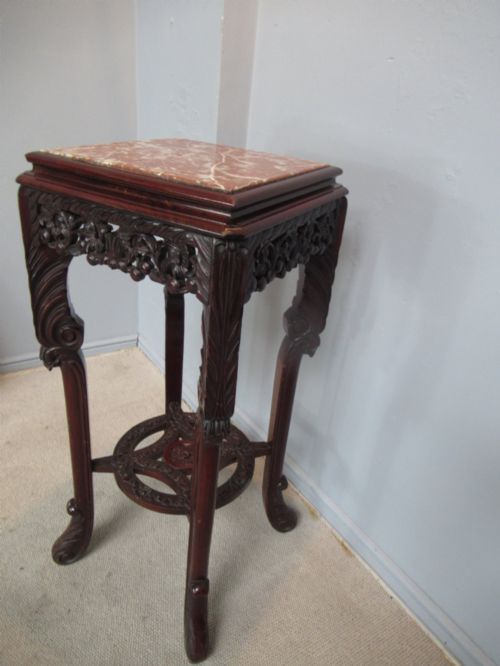
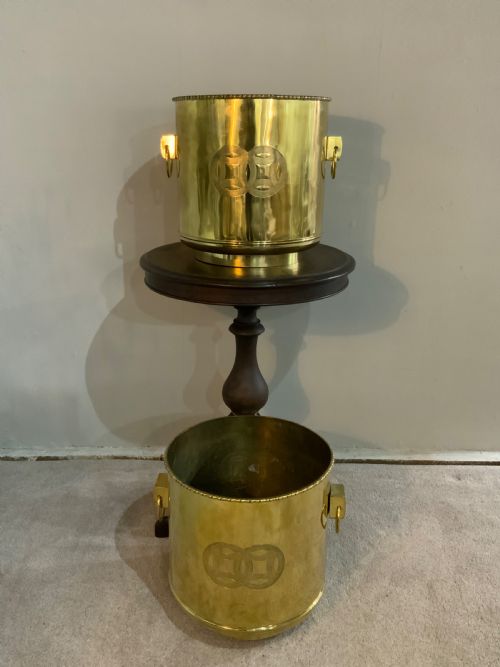
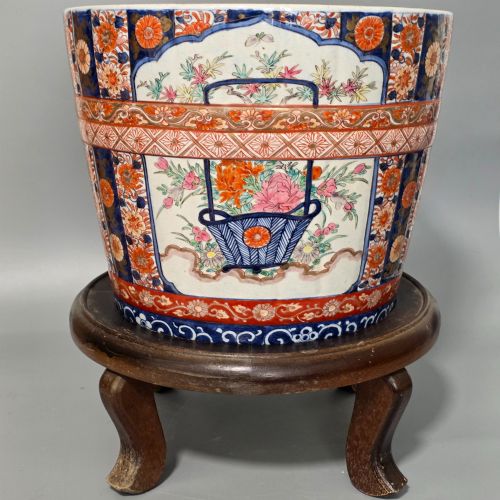
An antique asian jardiniere encompasses large planting vessels, decorative bowls, and fish bowls originating from Chinese Qing Dynasty workshops and Japanese Meiji period kilns. These pots hold indoor greenery and flowers, often paired with matching carved hardwood or marble top stands.
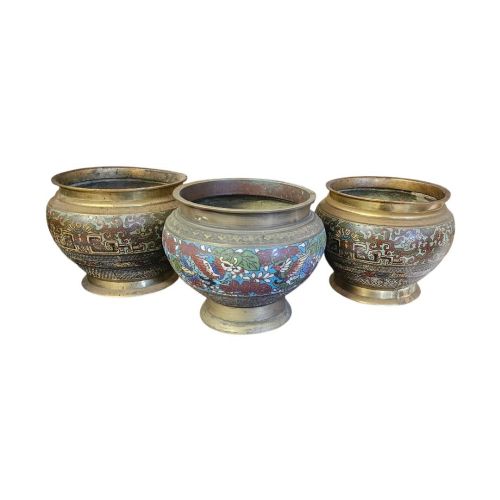
The pieces appearing most frequently across this selection date from the nineteenth century through the early twentieth century. Buyers encounter bronze champleve vessels alongside blue and white porcelain planters and stoneware pots created for export and domestic use.
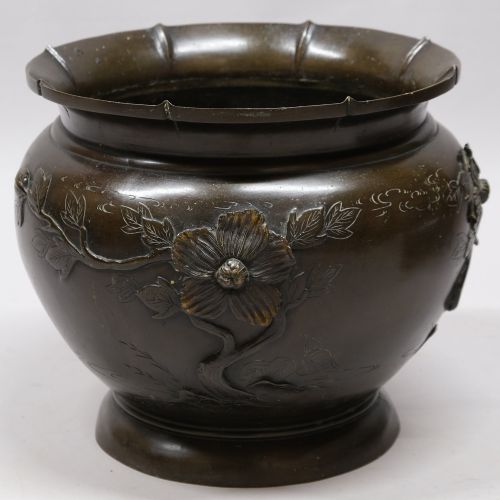
Makers and artisans from the Edo and Meiji periods produced specialised earthenware and bronze forms that survive alongside later Qing dynasty enamel pieces. Each vessel served to elevate interior planting displays within traditional and Victorian interiors.
How They Were Made
Metalsmiths utilised bronze and brass casting techniques, applying cloisonne and champleve enamel wirework to decorate vessel surfaces with coloured pastes. Potters shaped stoneware and porcelain bodies, firing blue and white pigments under clear glazes or adding polychrome satsuma enamels.
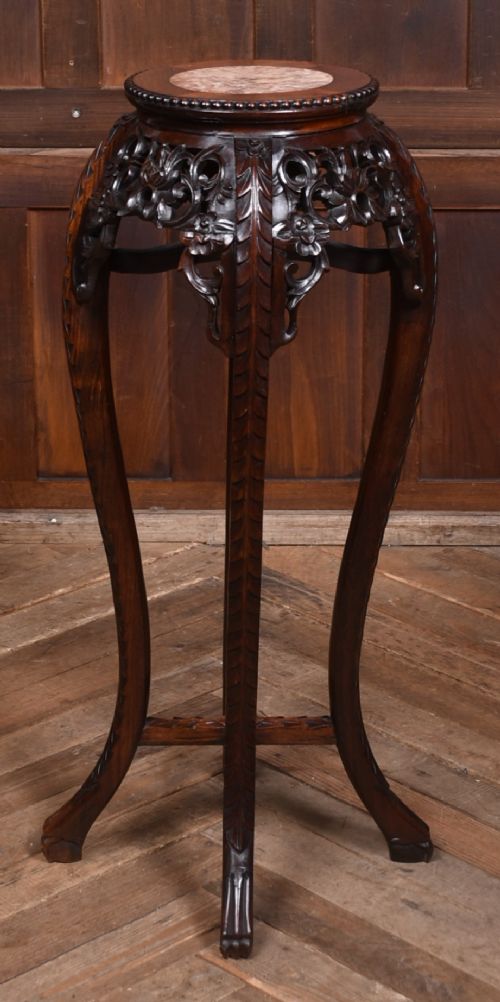
Cabinetmakers constructed accompanying stands and tables from dense hardwoods such as padouk, often incorporating inset marble slabs to support heavy ceramic and metal bowls. Carvers worked timber with intricate pierced and relief designs suited to hold moisture-resistant planters.
Some heavy bronze bowls weigh over two kilograms, proving that nineteenth-century plants lived in houses built with serious muscle.
What Varies in Quality
The distinction between standard commercial output and exceptional studio pieces rests on the precision of surface decoration and material weight. Heavy bronze castings with intricate enamel work or signed ceramic bodies command greater regard than mass-produced export ware.
The integrity of accompanying wooden stands and the preservation of original metal linings indicate the original assembly of the piece. Master ceramists and bronze founders achieved finer detail in glaze application and chased metal relief than routine workshops.
Makuzu Kozan II
The Antique Asian Jardiniere Glossary
- Champleve
- An enamelling technique where troughs are carved into a bronze or metal surface and filled with vitreous enamel before firing. This method creates defined colour panels across the body of a jardiniere.
- Cloisonne
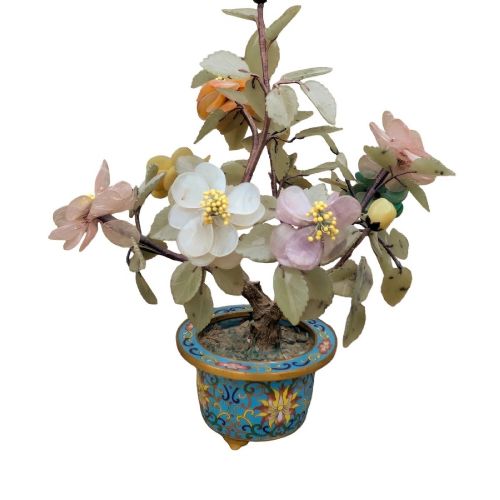
- A decorative metalwork process using soldered flat wires to form compartments that receive coloured enamel paste. The piece is then fired and polished to a smooth finish.
- Meiji Period
- The era in Japanese history spanning from 1868 to 1912, noted for highly detailed bronze casting and Satsuma pottery exported to Western markets.
- Qing Dynasty
- The final imperial dynasty of China, ruling from 1644 until 1912, represented here by enamel vessels, blue and white porcelain, and carved hardwood furniture.
- Imari
- A style of Japanese export porcelain featuring underglaze blue and overglaze iron red, gold, and green pigments. These ceramics were widely produced for domestic display and plant containers.
- Jardiniere
- A decorative pot or container designed to hold a plant or floral arrangement rather than planting directly into the earth. They frequently sit upon dedicated stands or low tables.
Antique Asian Jardiniere: Frequently Asked Questions
What is an antique asian jardiniere used for?
These vessels function as decorative planters and pots designed to house indoor plants, ferns, or floral arrangements. Owners traditionally placed them within reception rooms, often elevated on carved wooden stands.
Larger ceramic bowls also served as fish bowls or standalone decorative display objects in both Asian and Victorian interiors.
How do I identify a Meiji period piece?
Meiji period items date from 1868 to 1912 and typically feature Japanese bronze casting or distinct Satsuma ceramic decoration. Look for fine surface detail, sculptural handles, and artistic motifs characteristic of late nineteenth century Japanese metalwork.
Archival listings often link these bronzes and stonewares directly to specific Meiji workshops or studio artists.
How do I care for antique bronze and ceramic planters?
Bronze and brass vessels require gentle dusting and protection from moisture to preserve patination and enamel insets. Ceramic and stoneware bowls benefit from using internal plastic liners rather than planting directly against historic clay or porcelain.
Harsh chemical cleaners should be avoided on all historic metalwork and glazed ceramic surfaces.