

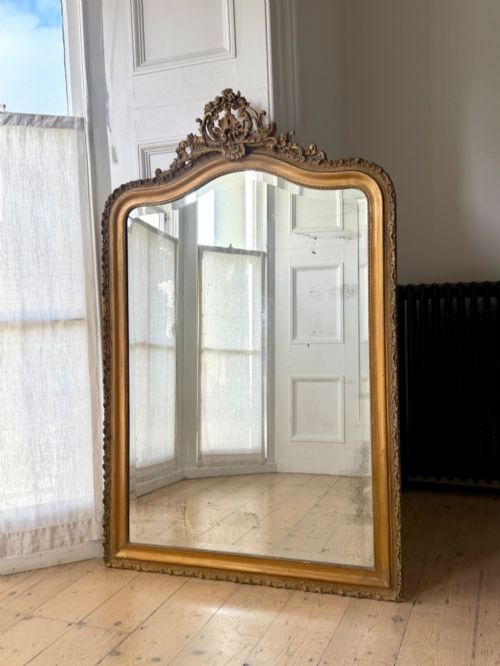
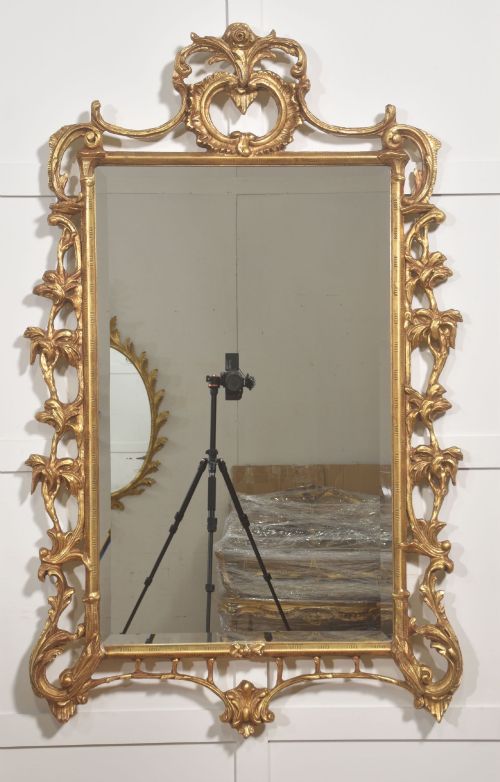
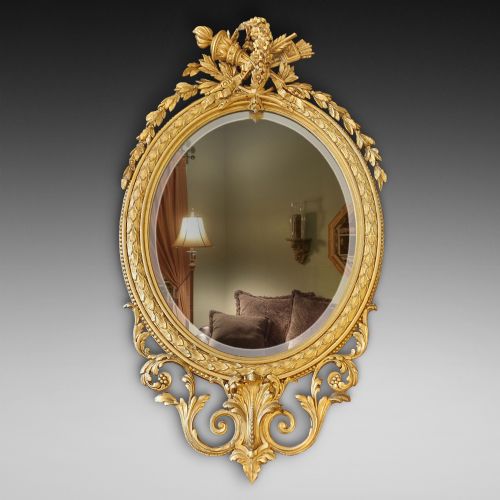
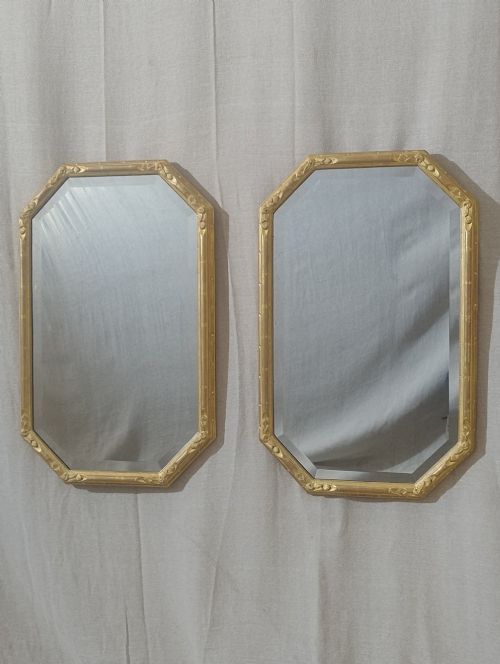
Gold Bevelled Mirror
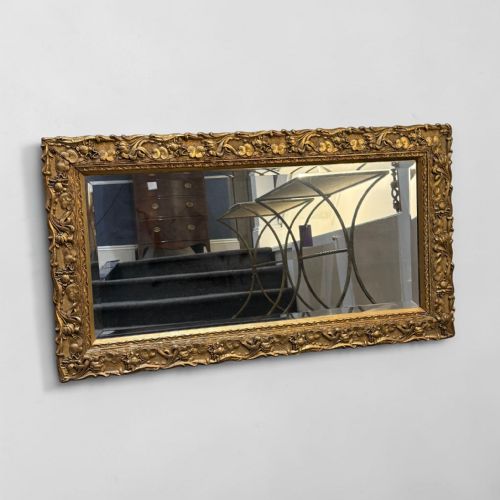
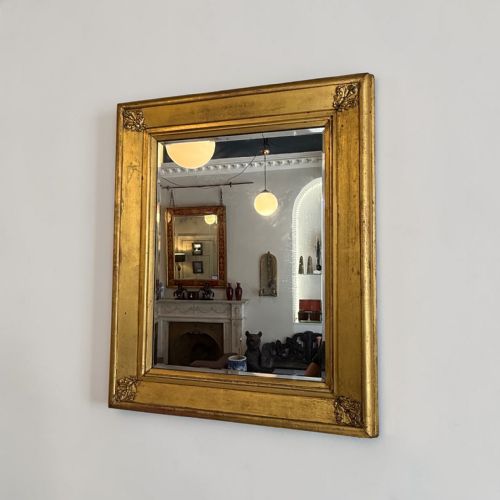
A gold bevelled mirror brings warmth and depth to a room through gilded craftsmanship and angled glass.
Gold Bevelled Mirror
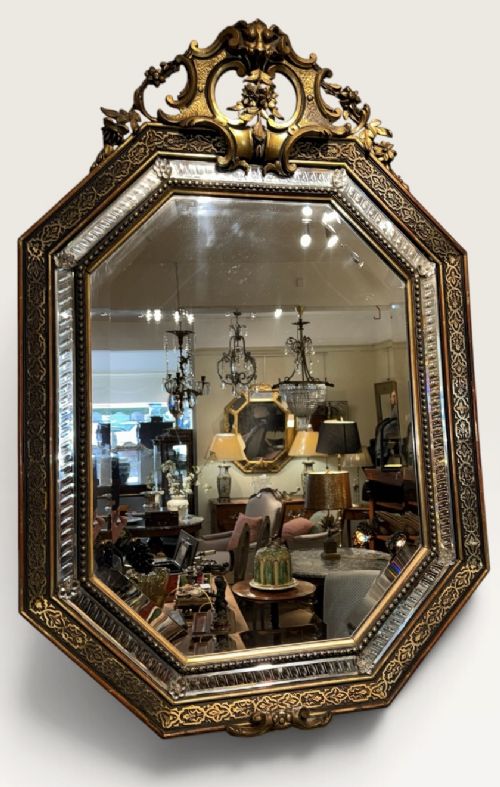
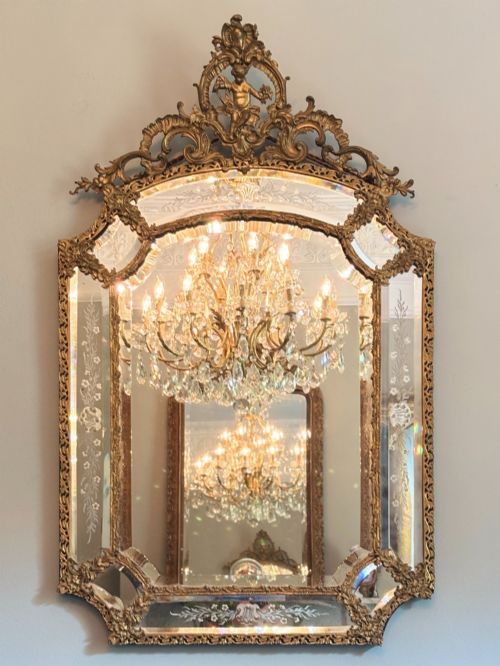
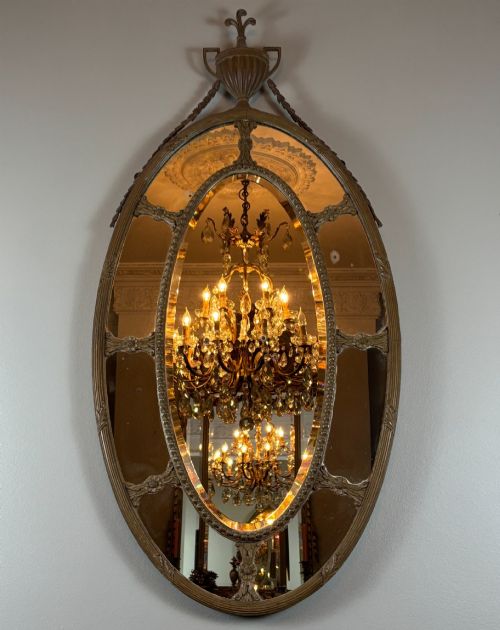
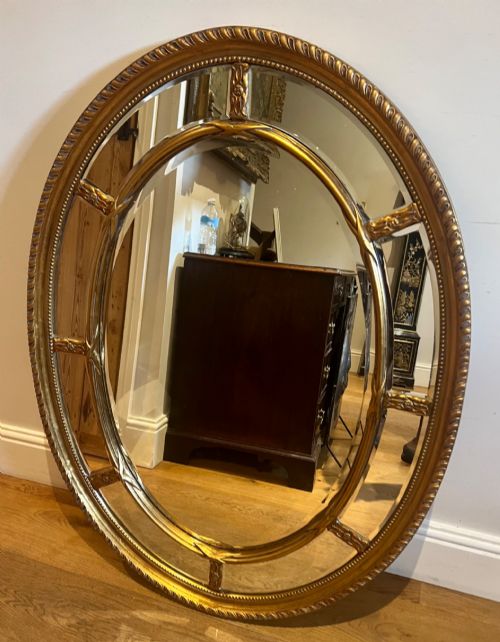
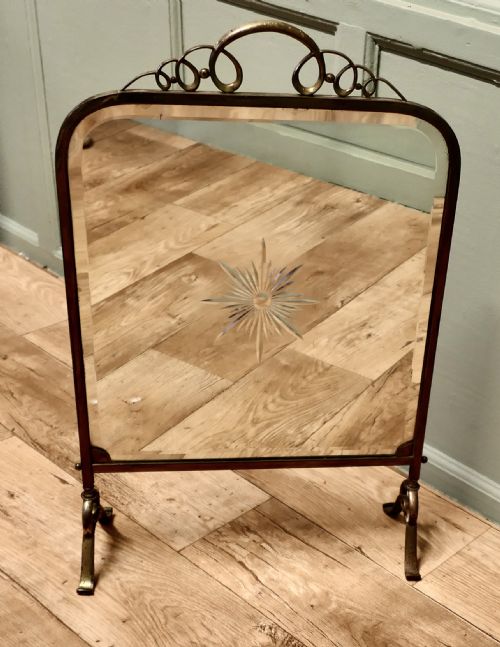
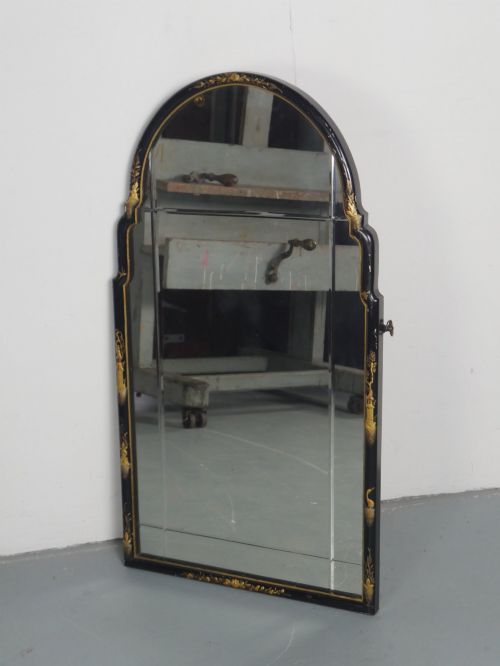
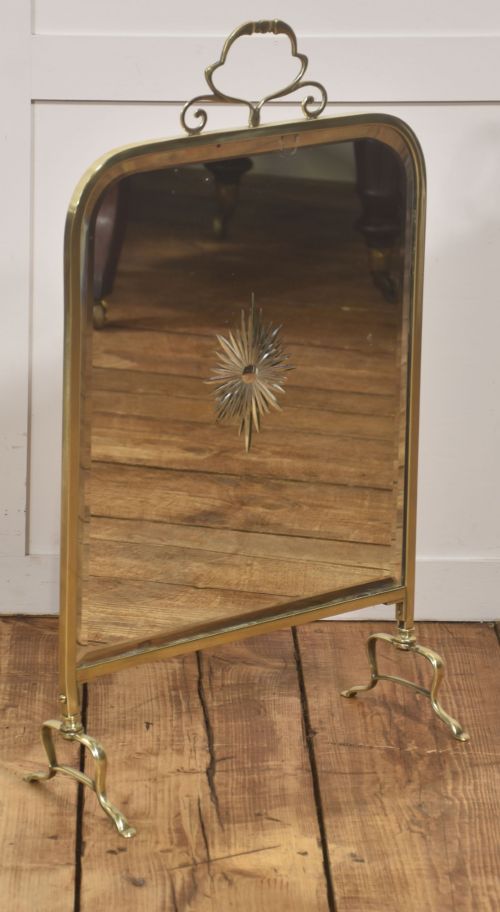
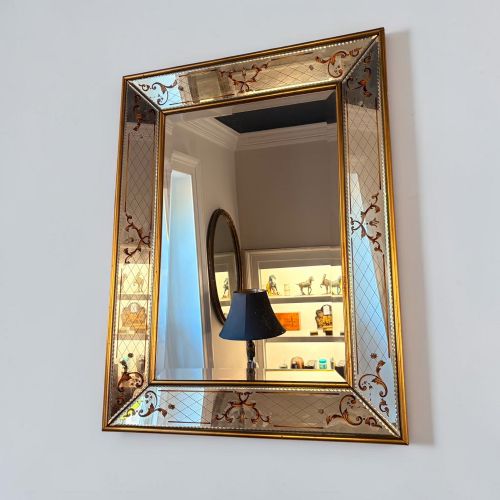
A gold bevelled mirror is a decorative looking glass framed in gilded wood, gesso, brass, or bronze, often featuring angled edges on the glass plate. When searching for a gold bevelled mirror, buyers encounter a range of nineteenth-century Victorian pieces alongside Edwardian and early twentieth-century examples.
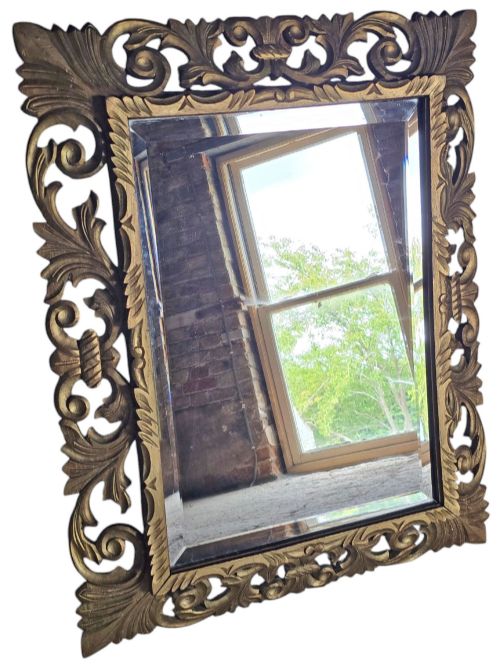
The selection on this page spans grand overmantel mirrors designed for fireplace placement, tall hall mirrors, and intimate dressing table mirrors. Forms include ornate French Rococo Revival styles, Florentine carvings, cushion frames, and simple round or oval shapes originating from British, French, and Italian workshops.
Materials and construction methods
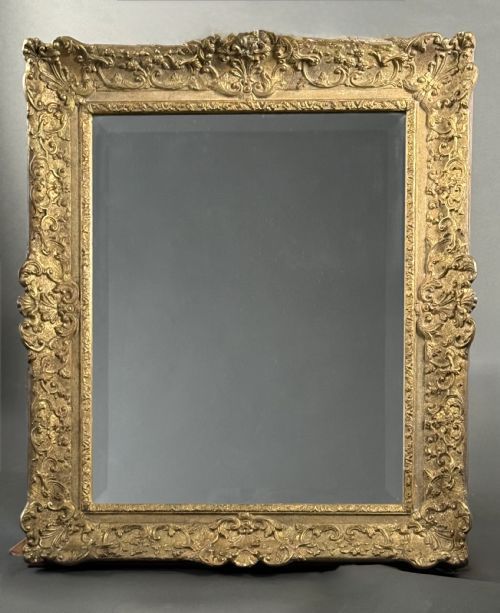
Frames rely on timber, oak, ebonised wood, or carved giltwood coated in gesso before receiving layers of gold leaf or water gilding. Artisans shaped intricate floral and scroll motifs by hand or cast them in plaster compositions applied to wooden carcases.
Glass plates were traditionally silvered and hand-bevelled to create a sloping perimeter edge that catches the light. Metal alternatives utilise cast brass or bronze, sometimes incorporating decorative elements like rams heads or embossed patterns.
Gold Bevelled Mirror Retail Price Guide 2026
Typical asking prices for gold bevelled mirror among the pieces listed under this phrase on Sellingantiques today, from the lower quarter to the upper quarter. They describe what is for sale here now, not the wider market.
Listings span the nineteenth century and early twentieth century, incorporating Victorian, Edwardian, and Art Deco design periods.
Distinctions in craftsmanship and preservation
Quality rests in the crispness of the gesso moulding and the depth of the gilding, where hand-water-gilded surfaces display superior warmth compared to later painted finishes. The integrity of the original wood carcase and the clarity of the antique glass plate further define the piece.
Heavily carved frames with deep relief work and intact original mercury or early bevelled glass plates represent the higher echelon of surviving examples. Secondary details, such as stable corner joints and original backing boards, indicate careful historical preservation.
The Gold Bevelled Mirror Glossary
- Bevelled glass
- Glass with an angled edge polished around the perimeter to catch light. This technique creates a prismatic border that frames the central reflection.
- Giltwood
- Timber coated with gold leaf or gold paint. It forms the primary decorative structure for many antique wall and mantel mirrors.
- Gesso
- A plaster-like mixture applied to wood frames to create a smooth surface for gilding. Artisans carved intricate details directly into this hardened compound.
- Overmantel mirror
- A large mirror specifically designed to hang above a fireplace mantel. These pieces frequently span the width of the hearth.
- Cushion frame
- A mirror frame with a rounded, convex profile that swells outward toward the outer edge. This style creates a distinct three-dimensional appearance on the wall.
Gold Bevelled Mirror: Frequently Asked Questions
How do I clean an antique gold bevelled mirror?
Dust the gilded frame gently with a soft, dry brush to protect the delicate surface layers from moisture damage.
Use a minimal amount of distilled water on a cloth for the glass plate, avoiding any contact between liquid and the antique frame.
Where should I hang an overmantel mirror?
Mount the piece securely above a fireplace mantelpiece where it can reflect light and anchor the room's proportions.
Ensure the wall fixings match the substantial weight of timber, gesso, and glass.
What is the difference between Victorian and Edwardian mirrors?
Victorian examples tend toward heavier ornamentation, deep gesso mouldings, and elaborate Rococo Revival or Florentine styles.
Edwardian pieces often feature lighter framing, cleaner lines, and simpler geometric or neoclassical influences.
Are these mirrors fitted with original glass?
Many retain their original bevelled or mercury glass plates, which show faint signs of age such as minor foxing.
Replacement glass is occasionally fitted during conservation, though period glass remains preferred by collectors.