

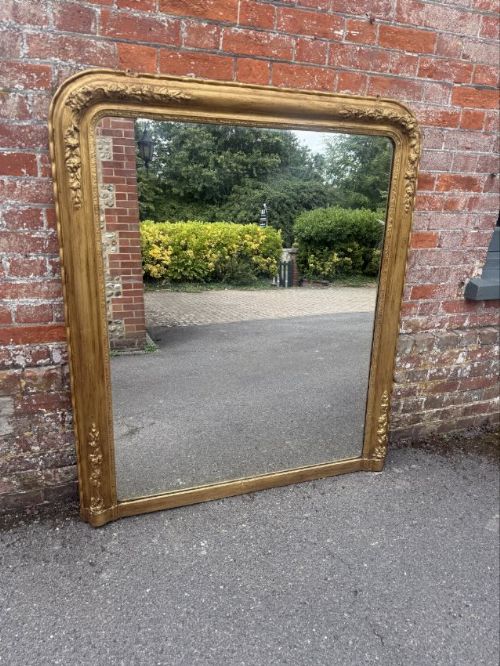
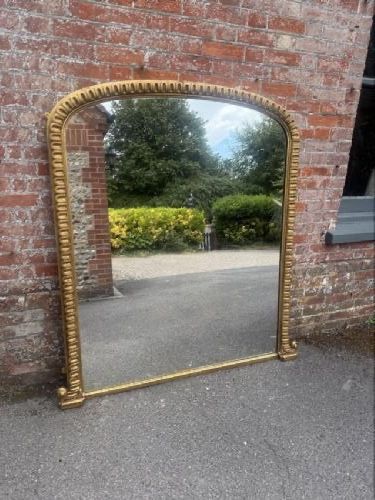
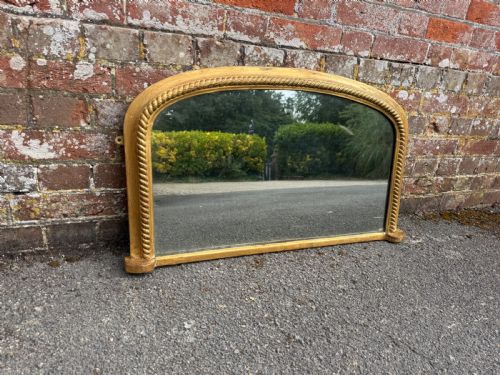
Gold Arched Fireplace Mirror
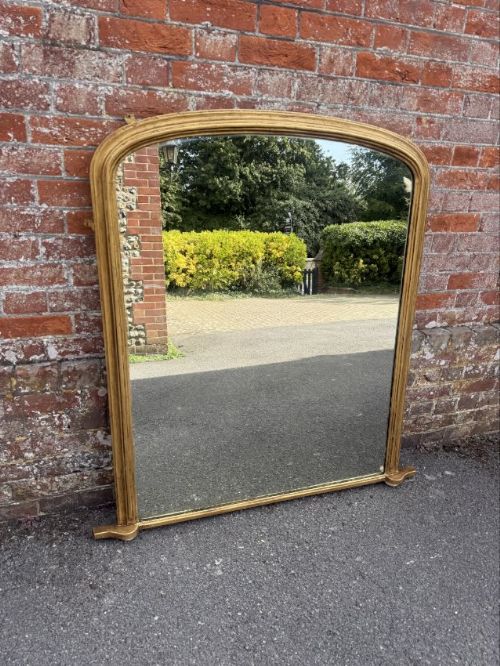
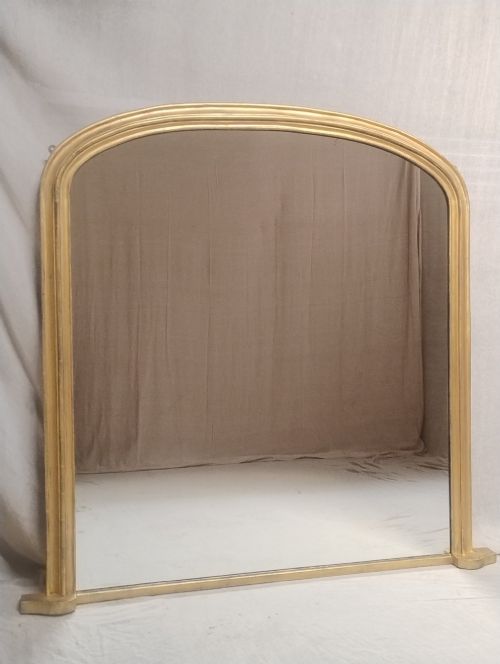
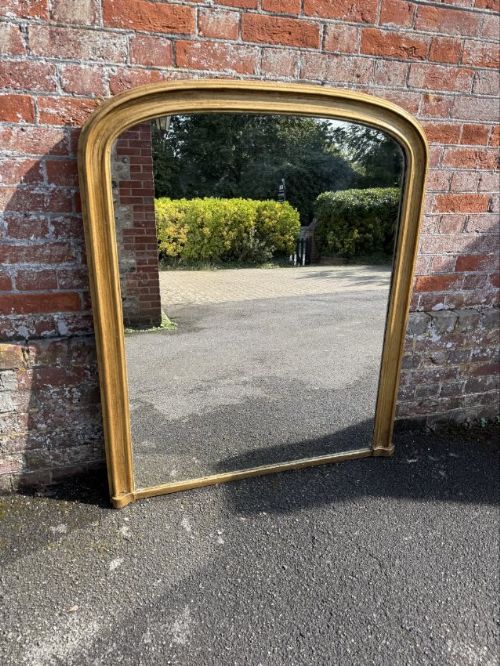
A gold arched fireplace mirror brings height and a warm reflective expanse to a room, historically designed to sit directly above a hearth.
Gold Arched Fireplace Mirror
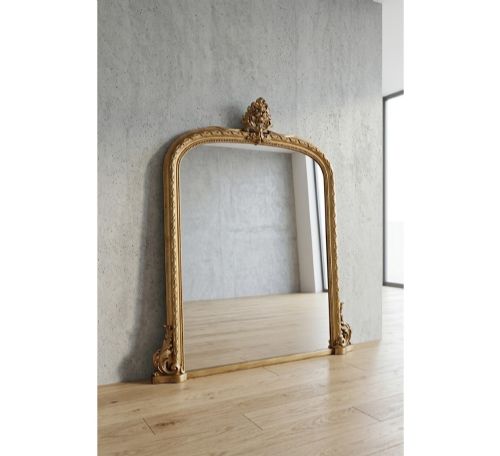
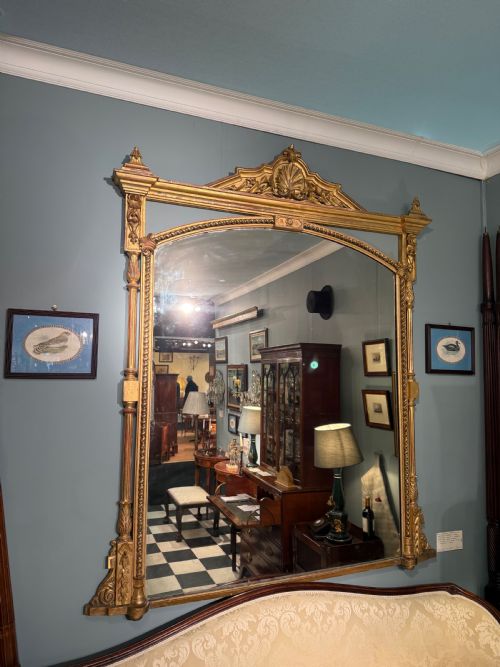
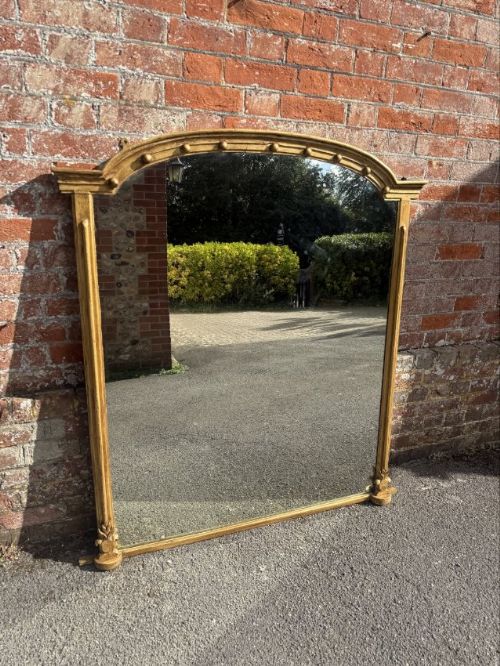
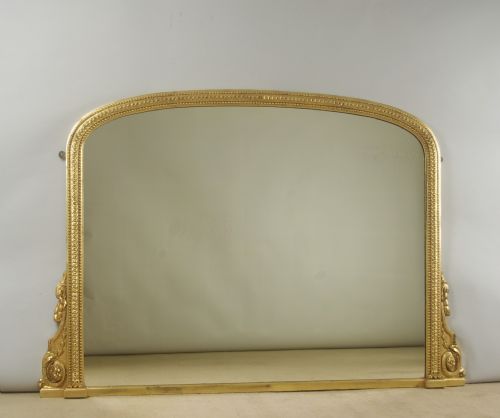
When you search for a gold arched fireplace mirror, you encounter large scale wall mirrors designed during the nineteenth century to sit upon mantelpieces. These overmantel mirrors span periods from the Regency and William IV eras through to the late Victorian decades.
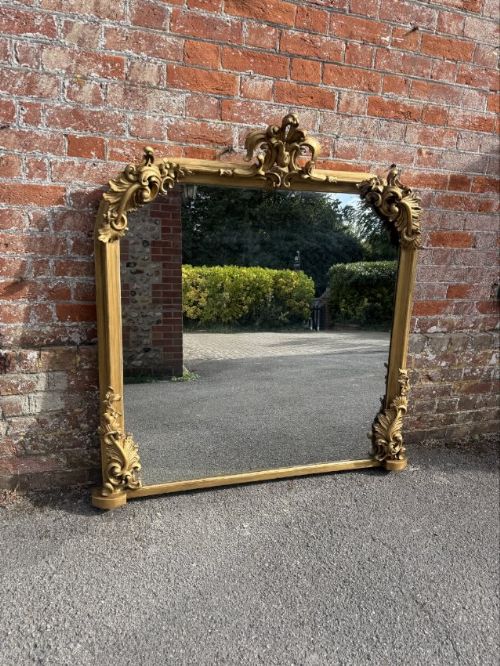
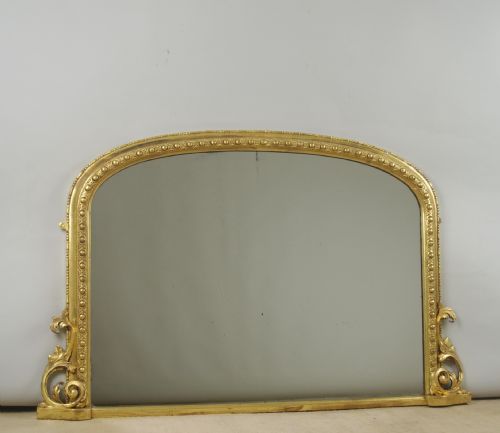
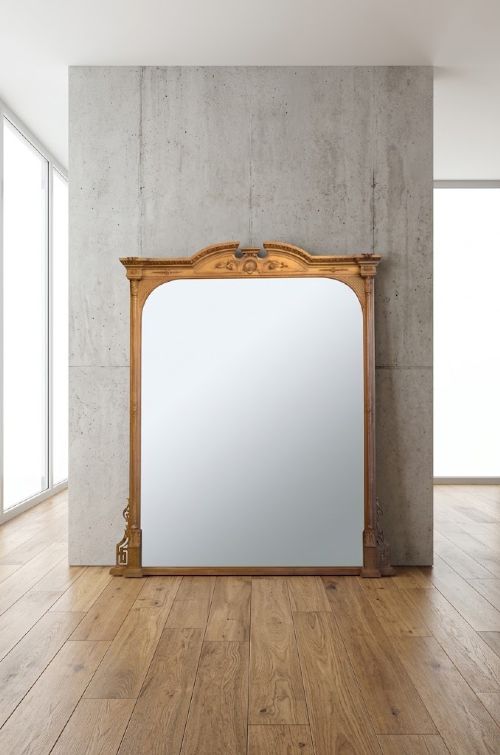
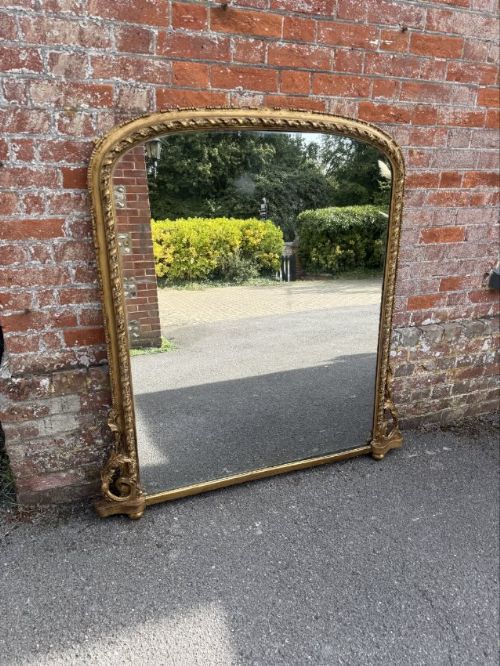
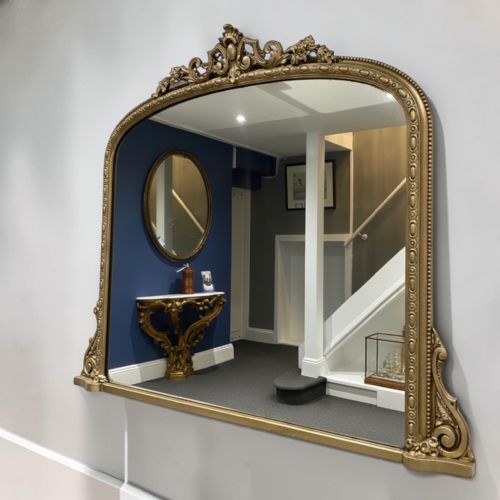
The most common form on this page is the large English overmantel mirror featuring an arched or shaped top. These pieces often incorporate decorative crests, central cartouches, or ribbed frames intended to draw the eye upward above a fireplace.
Originating predominantly from nineteenth-century British workshops, these mirrors served both practical and decorative functions in period drawing rooms. Their generous dimensions reflect light deeply into domestic interiors.
Materials and construction
Carpenters formed the structural foundations of these frames using solid wood, applying layers of plaster and gesso to build up decorative reliefs and mouldings. Artisans then gilded these surfaces using gold leaf or applied giltwood techniques to create a lustrous metallic finish.
Makers shaped the timber frameworks into distinctive arched profiles, incorporating carved details such as rope twists, tulip motifs, and hour-glass ribbing. Glass plates were then fitted securely into the deep rebates of the heavy frames.
Some frames include nautical rope twists, suggesting a salty touch of maritime design reached the Victorian parlour.
Evaluating craftsmanship
Quality rests in the crispness of the carved wood and gesso ornamentation, where deeper relief and sharper floral or rope details indicate superior handwork. The depth of the gilding and the preservation of the original gold leaf surface define the visual richness of the frame.
Structural integrity matters significantly given the substantial weight of nineteenth-century glass and timber. Pieces that retain their original heavy frames without excessive rebuilding or replacement backing boards represent the higher end of the range.
The Gold Arched Fireplace Mirror Glossary
- Overmantel mirror
- A large wall mirror specifically proportioned to hang on the chimney breast directly above a fireplace mantelpiece. These pieces frequently feature arched tops to follow the architectural lines of period chimney breasts.
- Gesso
- A mixture of gypsum, chalk, and size used as a prepared surface on wood frames before gilding. Artisans carved intricate decorative motifs directly into this thick plaster-like layer.
- Giltwood
- Timber that has been coated with thin sheets of gold leaf or gold paint. This technique gives the appearance of solid gold while utilising a sturdy underlying wood structure.
- Cartouche
- An ornamental oval or shield-shaped frame often placed centrally on the crest of a mirror. It provides a focal point for surface carving and heraldic or scrollwork decoration.
- Rope twist
- A carved decorative moulding that resembles the spiralling strands of a rope. This pattern frequently appears along the inner or outer borders of nineteenth-century frames.
Gold Arched Fireplace Mirror: Frequently Asked Questions
Where should an overmantel mirror be hung?
These mirrors are traditionally positioned centrally on the wall directly above a fireplace mantelpiece. Their considerable height makes them equally suitable for large hallway spaces where they can reflect natural light.
When hanging these heavy pieces, secure fixings into the structural wall studs are essential to support the substantial weight of the timber and glass.
How do I identify a Victorian mirror?
Victorian examples often feature robust carved wood and gesso frames with arched or shaped tops. Common decorative motifs include rope twists, tulip patterns, and heavy crests characteristic of the mid to late nineteenth century.
Examining the construction of the frame and the backing boards helps distinguish nineteenth-century production methods from later reproductions.
What is the difference between an overmantel and a wall mirror?
Overmantel mirrors are specifically designed and proportioned to sit above a fireplace mantel, typically featuring a wide base and an arched top that mirrors architectural hearth lines. Standard wall mirrors are created for general room placement without regard for mantel proportions.
Many nineteenth-century overmantels incorporate subtle levelling adjustments in their base construction to sit flush against chimney breasts.
How do I care for antique gilt frames?
Gilt surfaces require gentle dusting with a soft, dry brush to prevent damage to the delicate gold leaf or composition mouldings. Avoid using liquid cleaners, chemical sprays, or abrasive cloths that can strip the historic gilding.
Keeping the mirror away from direct heat sources and high humidity protects the underlying gesso and wood from cracking or warping.