



Early Victorian Wall Mirror
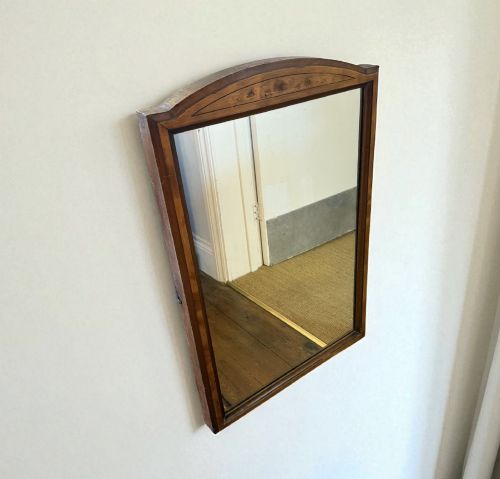
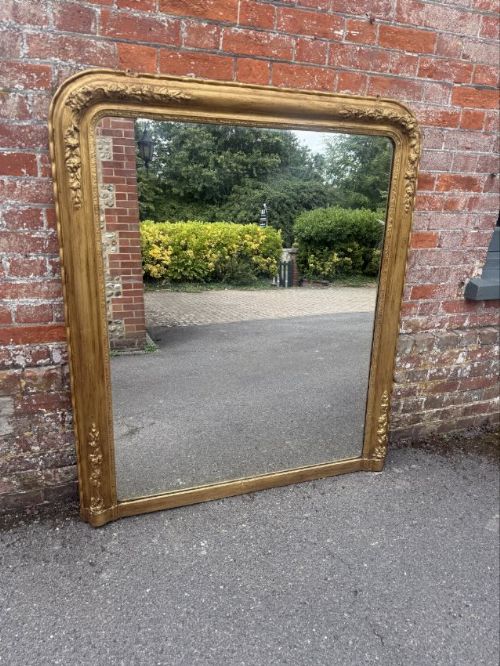
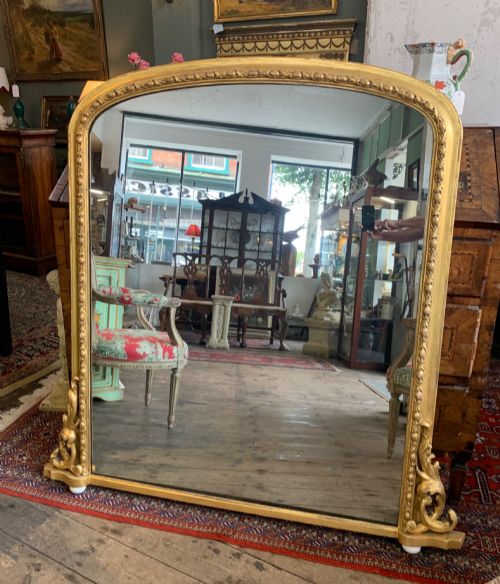
An early victorian wall mirror brings height and reflected light to a room, captured here in carved wood, giltwood, and plaster gilt.
Early Victorian Wall Mirror
An early victorian wall mirror serves as a primary decorative focus in domestic spaces, frequently appearing in substantial overmantel formats designed to sit above a fireplace. These pieces emerge directly from the mid-nineteenth century, spanning rectangular, arched top, and oval forms framed in timber or finished with gilded plaster.
The selection extends from large architectural overmantel mirrors intended for principal reception rooms down to narrower vertical wall mirrors suited for smaller wall expanses. Alongside standard giltwood frames, buyers encounter carved oak examples, ebony cushion frames, and figured walnut constructions that demonstrate the material variety of the period.
How they were made
Frames rely upon timber foundations such as oak, maple, and walnut, shaped and joined to support heavy glass plates. Plaster and gesso layers applied over the wood receive intricate carving and subsequent gilding with gold leaf to produce the bright metallic surfaces characteristic of nineteenth-century reception rooms.
Mirror glass of this era is set within the rebate, sometimes accompanied by painted panels or framed by margin edges and etched details. Joinery techniques and traditional plaster moulding secure the plates firmly within their decorative surrounds.
Listings feature materials including glass, wood, gesso, giltwood, brass, maple, and gold leaf across the nineteenth-century pieces.
What varies in quality
The distinction between tiers rests upon the depth and precision of the wood carving and gesso work. Finer examples display crisp detail in moulded ornaments and scrolls, whereas simpler items rely on plain timber or heavier plaster applications.
The integrity of the original gilding and the clarity of the primary mirror glass influence the character of each piece. Frames retaining their original gilt surfaces and substantial timber construction demonstrate the higher grade of domestic furnishing from this era.
The Early Victorian Wall Mirror Glossary
- Giltwood
- Timber covered with a thin layer of gold leaf. This finish defines the formal appearance of many nineteenth-century wall mirrors.
- Overmantel mirror
- A large mirror built specifically to hang above a mantelpiece. These pieces often feature arched tops to match architectural fireplace surrounds.
- Gesso
- A plaster mixture applied to wood frames to create a smooth surface for carving and gilding. It allows for intricate decorative relief work.
- Cushion frame
- A frame profile with a rounded, convex shape resembling a cushion. This style provides a bold architectural border around the glass plate.
- Girandole
- A wall-mounted bracket holding candles alongside a mirror plate. The reflective glass serves to multiply the candlelight in evening rooms.
Early Victorian Wall Mirror: Frequently Asked Questions
How do I hang a heavy overmantel mirror?
These large mirrors require secure wall fixings attached directly into structural studs or masonry to support the substantial weight of the timber and glass.
Professional mirror hangers utilise heavy-duty brackets distributed evenly across the frame to ensure the piece remains stable against the wall.
What is the difference between an overmantel and a wall mirror?
An overmantel mirror is specifically proportioned to sit above a fireplace mantel, typically possessing a wide or arched format designed to anchor that central wall space.
Standard wall mirrors follow narrower or vertical dimensions intended for general placement across various rooms in the house.
How do I clean nineteenth-century mirror glass?
Gentle dusting with a soft cloth removes everyday particles without disturbing the surrounding gilt surface or the edges of the glass plate.
Harsh chemical cleaners should be avoided to prevent damage to the silvering on the glass and the delicate gesso beneath the gold leaf.
Where were these mirrors placed originally?
Principal reception rooms and parlours accommodated the largest giltwood and overmantel examples to amplify natural daylight from windows.
Smaller spaces utilised narrower wall mirrors and girandoles to add functional reflection and decorative depth to hallways and chambers.