
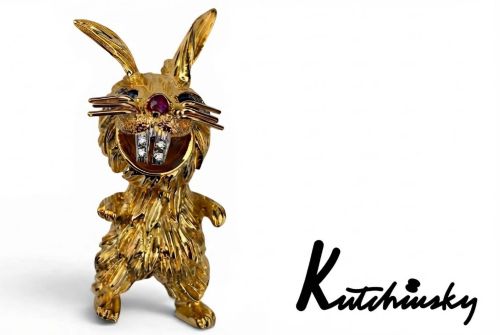
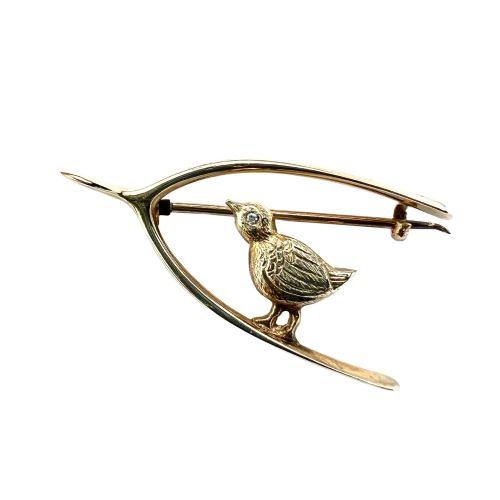


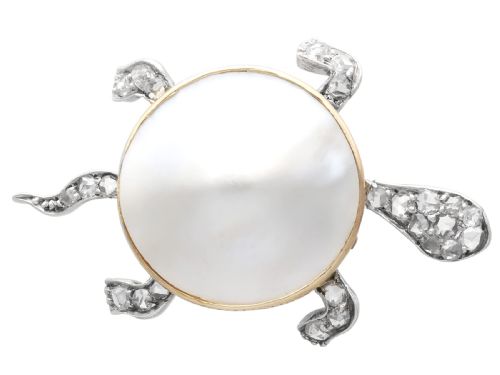


Gold Animal Brooch
These gold animal brooch pieces are delightful Edwardian jewels modelled as flying ducks in precious metals that bring charm to any lapel.
Gold Animal Brooch
A gold animal brooch represents naturalistic creatures fashioned in precious metals, most frequently appearing here as an Edwardian flying duck design. These figural jewels capture avian subjects mid-flight with detailed wings and bodies.
The single representative piece currently found on this page belongs firmly to the Edwardian period. Such items reflect the era's fascination with delicate, lifelike portrayals of wildlife using high-karat gold and contrasting platinum.
How they were made
Maker's workshops combined fifteen-carat gold and platinum to construct the structural body of the duck, utilising the bright white metal to securely hold sparkling diamond accents. This dual-metal technique creates a striking visual contrast between the warm yellow gold and the frosty brilliance of the gemstones.
Skilled jewellers incorporated enamel alongside precious stones to render realistic plumage and naturalistic details upon the surface of the brooch. Each component was meticulously shaped by hand to achieve the dynamic sense of a bird caught in motion.
What varies in quality
The distinction between standard examples and the finest work lies in the delicacy of the chasing and the precision with which the platinum and gold are joined. Master jewellers achieved a convincing anatomical movement that lesser workshops missed.
Quality also rests in the selection and flush setting of the diamonds and the preservation of any delicate enamel work. Pieces where the stones are lively and the metal retains its crisp original texture stand apart.
The Gold Animal Brooch Glossary
- Edwardian
- Pertaining to the reign of King Edward VII, noted for light, airy jewellery designs that frequently employed platinum and diamonds together. This period moved away from heavy Victorian styles towards graceful naturalism.
- Fifteen-carat gold
- A specific alloy containing sixty-two point five percent pure gold, widely utilised in British jewellery production during the Victorian and Edwardian eras before nine-carat and eighteen-carat gold became standard. It possesses a distinctive warm tone.
- Platinum
- A dense, ductile precious metal used extensively in fine Edwardian settings because its strength allowed for minimal metal visibility around diamonds. Its bright white lustre does not tarnish over time.
- Brooch
- An ornamental jewellery item featuring a pin fastener on the back for securing to garments. Figural variations often depict birds, insects, or animals.
Gold Animal Brooch: Frequently Asked Questions
How do I date an Edwardian brooch?
Dating an Edwardian piece relies heavily on the combination of materials used, such as platinum combined with fifteen-carat gold, and the distinct lightness of the design. The era favoured naturalistic motifs like birds and floral elements.
Examining the pin mechanism and the style of the gemstone settings also helps confirm the manufacturing period between nineteen hundred and nineteen ten.
Can I wear my brooch daily?
Wearing a vintage brooch every day is entirely possible provided you handle the pin mechanism with care and store the piece safely when not in use. Ensure the clasp fastens securely before attaching it to sturdy fabrics.
Delicate items benefit from being kept away from heavy knocks or modern cosmetics that might dull the finish of the gold and platinum.
How should I clean my brooch?
Cleaning antique jewellery requires gentle methods, using warm water and a mild soap with a soft brush to remove dust from around the diamonds and metal joints. Avoid harsh chemical dips that could damage enamel or weaken the alloy.
Dry the piece thoroughly with a soft cloth before returning it to its storage box.