

Antique Game Bird
These antique game bird pieces capture the natural beauty of sporting subjects through detailed bronzes, oils and silver work.
Antique Game Bird
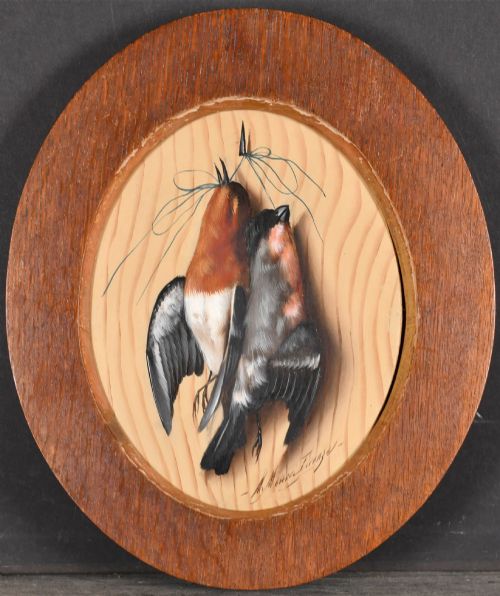
An antique game bird selection brings together traditional sporting subjects depicted across various decorative and fine art mediums. You will find that these works focus heavily on pheasants, woodcocks and grouse, captured either in sculptural metal or on painted canvas.
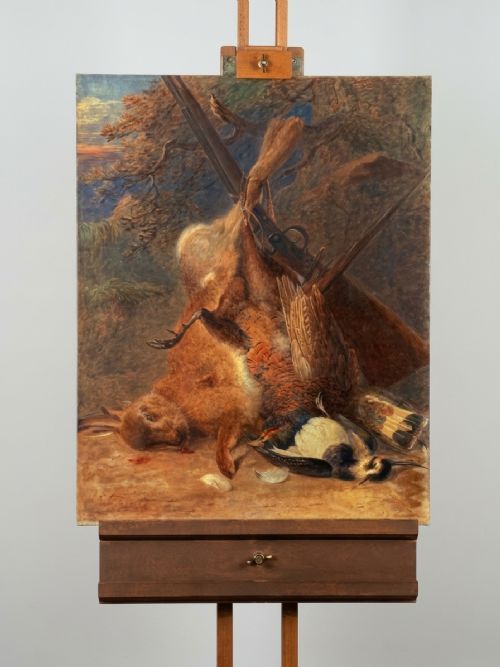
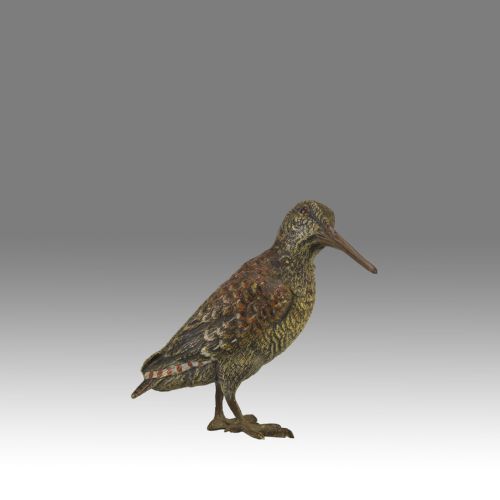
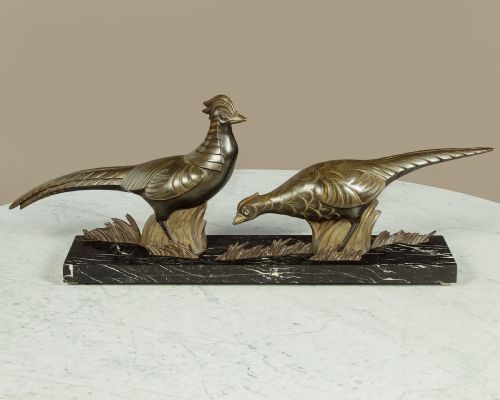
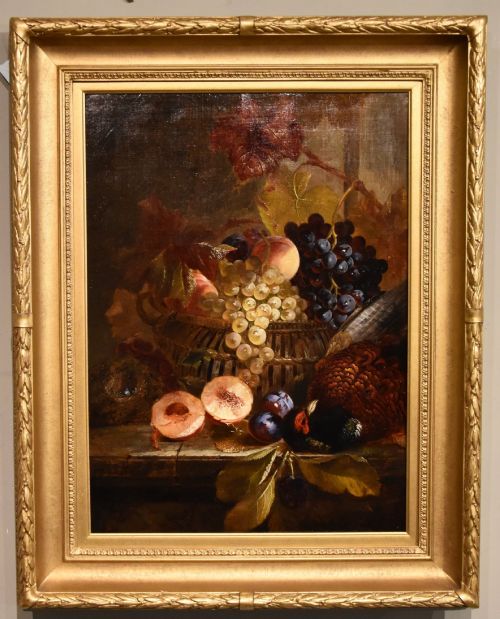
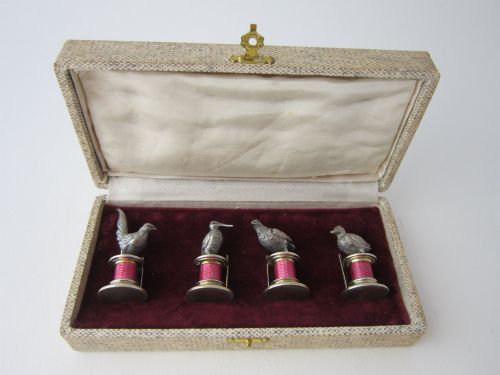
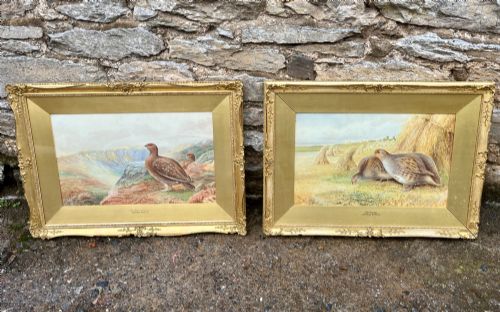
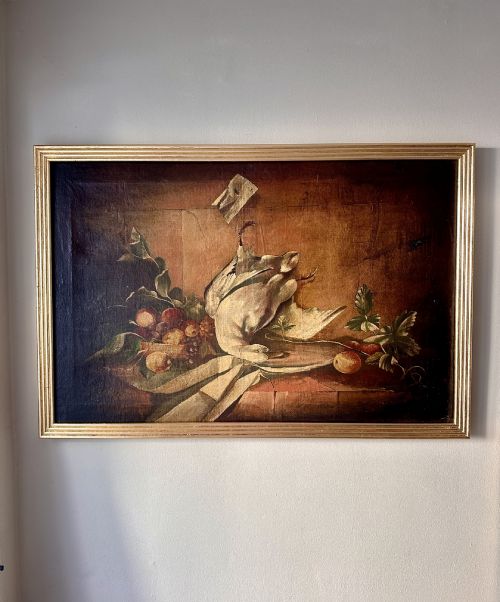
The most common versions met on this page include cold-painted bronze table ornaments, sterling silver place card holders and nineteenth-century oil paintings of larder scenes. These pieces reflect a long-standing fascination with country pursuits and ornithological detail.
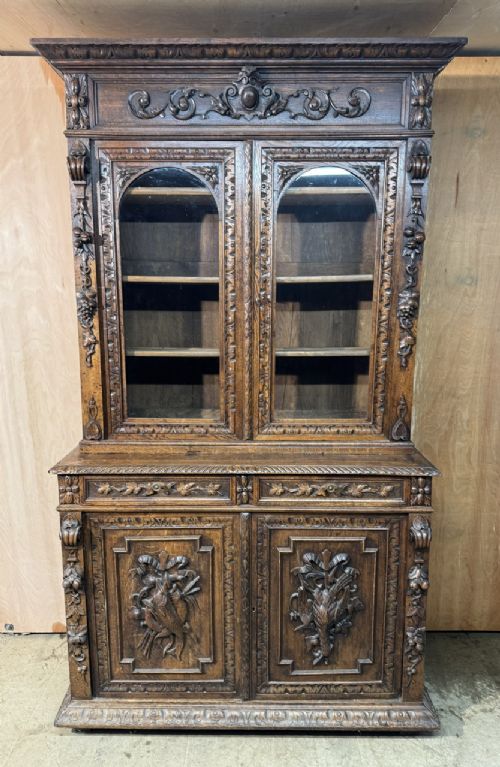
Objects range from small cabinet figures and menu holders to large continental still life paintings and carved oak hunting cabinets. Each item serves as a tangible link to Victorian and Edwardian sporting culture.
Materials and techniques
Makers utilised bronze, sterling silver and canvas alongside carved oak and hardwoods to build these representations. Cold-painted bronze pieces required meticulous hand-painting over a patinated metal base while the metal was warm to set the colours.
Painters applied oil and watercolour to canvas and paper, capturing feather textures through layered brushwork and fine detail. Woodworkers carved oak and fruitwood into relief panels and furniture, integrating avian motifs directly into domestic interiors.
Assessing craftsmanship
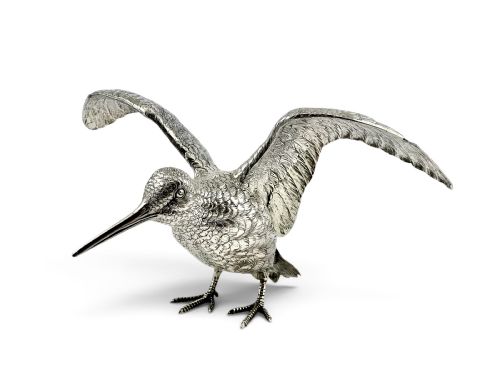
Quality rests upon the naturalism of the carving or casting and the precision of the surface decoration. In bronzes and silver figures, superior pieces show crisp feather detail and realistic posture rather than generic moulding.
For painted works, the depth of colour and the accuracy of the bird's anatomy distinguish finer examples from standard decorative output. Enamel work on silver items demands sharp definition and intact, unblemished surfaces.
Franz Bergman·P J Mêne·Abel Hold·George Rankin·James Stinton
The Antique Game Bird Glossary
- Cold-painted bronze
- A Viennese technique where bronze sculptures received polychrome paint finishes applied over a cold or warm metallic surface. This method created vibrant, realistic plumage on small figures.
- Menu holder
- A small tabletop accessory designed to display meal cards, frequently cast as silver or bronze birds during the Edwardian period. These items added decorative flair to formal dining tables.
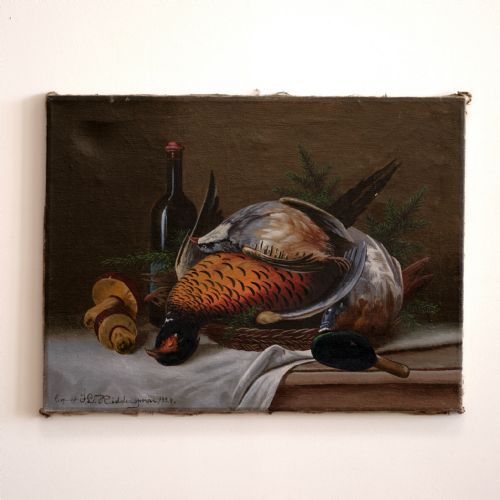
- Still life
- A painting or drawing depicting inanimate subject matter, such as dead game, fruit and larder items. These compositions emphasised texture, light and shadow.
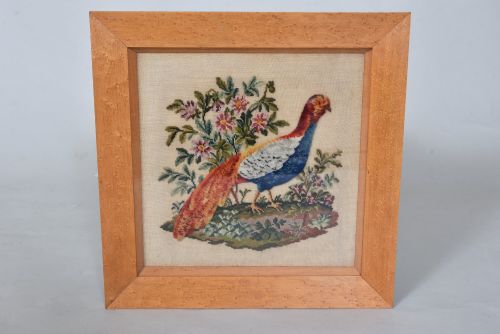
- Plushwork
- A Victorian textile craft utilising raised velvety threads to create tactile pictures. This technique gave soft, three-dimensional texture to depictions of pheasants and other wildlife.
Antique Game Bird: Frequently Asked Questions
What metals were used for these figures?
Makers utilised bronze, sterling silver, silver plate and specialised metal alloys for casting.
Franz Bergman and other founders applied cold-painting techniques directly onto the bronze surfaces to mimic natural plumage.
How were menu holders utilised?
Victorian and Edwardian hosts placed these small silver or bronze figures on dining tables to hold place cards and menu lists.
They doubled as decorative table ornaments during formal dinners and shooting parties.
What subjects appear in these paintings?
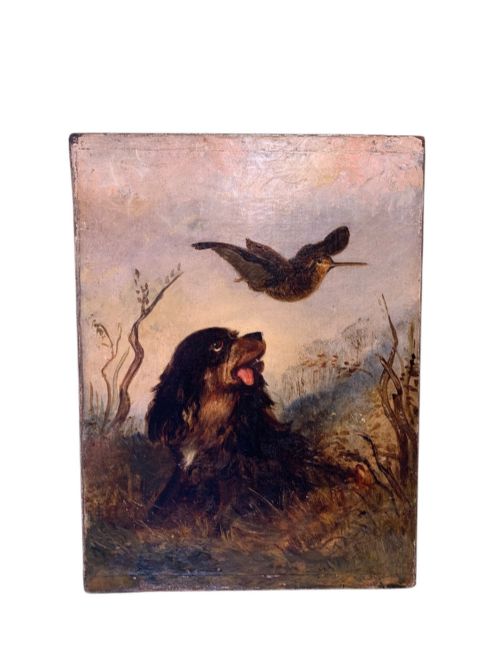
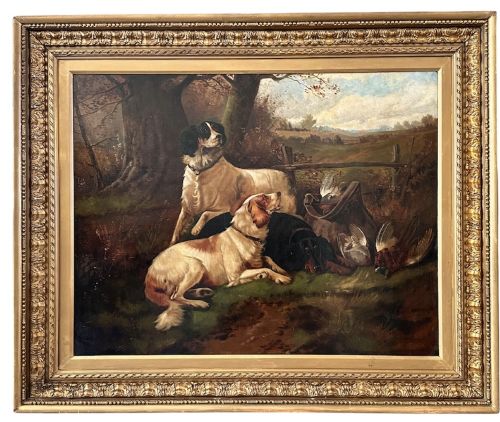
Canvases and watercolours typically display dead game, larder views, gun dogs with the day's bag and birds in natural landscapes.
Artists like Abel Hold and George Rankin focused heavily on the detailed rendering of feathers and sporting dogs.
How do I identify Edwardian pieces?
Edwardian items often feature hallmarks on silver menu holders and lighter, more refined bronze castings dating from the early twentieth century.
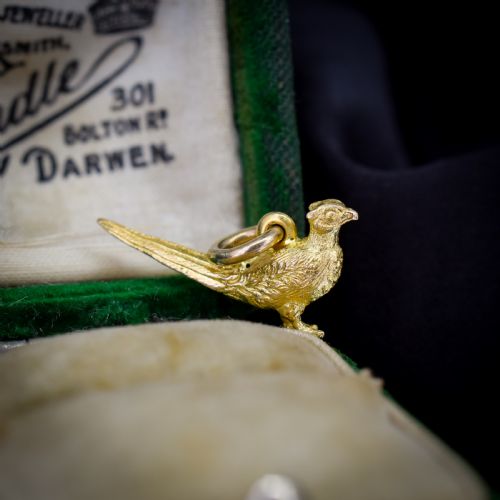
Stylistic shifts during this era favoured delicate silver pheasant models and intricate enamel work.