


Antique Sporting Jewellery
Antique sporting jewellery captures the energy of the field, the pitch, and the hunt through wearable miniatures crafted from gold, silver, and enamel.
Antique Sporting Jewellery
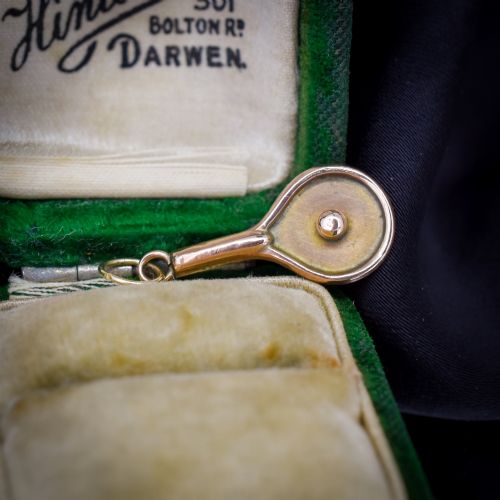
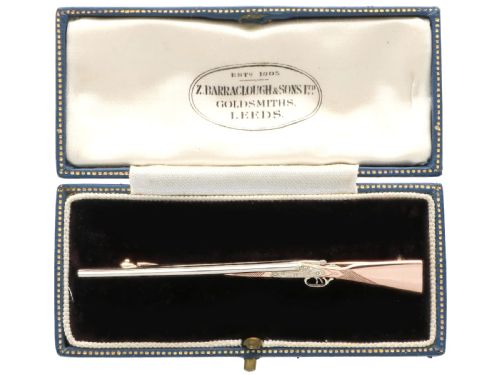
Antique sporting jewellery comprises brooches, stick pins, charms, pendants, bracelets, and medals celebrating pastimes from hunting and shooting to tennis, football, and cricket. When exploring antique sporting jewellery, a buyer encounters pieces originating primarily from the Victorian, Edwardian, and Art Deco eras, extending into the mid-century.
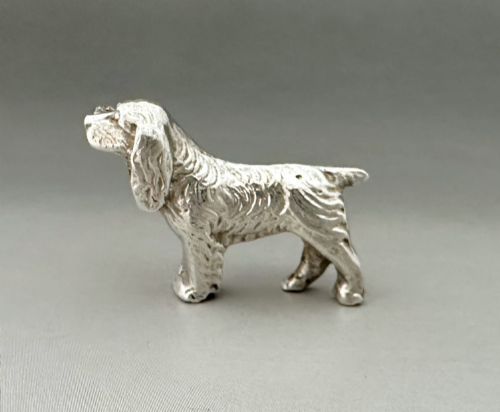
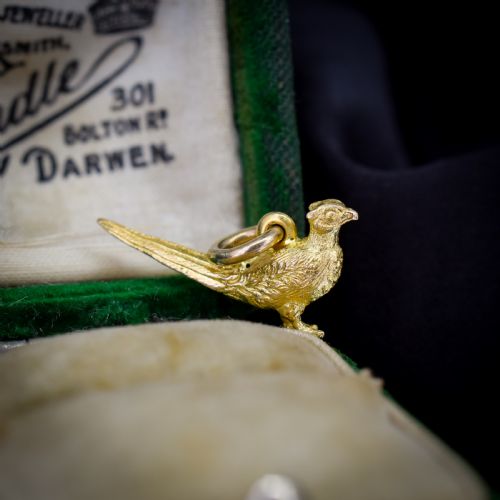
The selections span small personal accessories made to be worn on lapels, cravats, or watch chains. Brooches featuring dogs, birds, and hunting horns sit alongside dated medals and charms shaped as tennis rackets or golf balls.
Silver and gold forms dominate the available selection, often enhanced with enamel work, pearls, and diamonds to depict specific animals and athletic equipment with surprising fidelity.
What varies in quality
The distinction between standard examples and exceptional pieces rests in the hand-painted execution of the enamel and the anatomical accuracy of the animals depicted. Finer works display meticulous shading on feathers and fur, while simpler items rely purely on stamped metal silhouettes.
The integration of precious stones such as diamonds and rubies elevates certain stick pins and brooches above basic silver or brass novelties. Maker attribution and crisp hallmarks stamped into the gold or silver further define the standing of individual medals and fobs.
The documented periods stretch from the 19th century through the Victorian and Edwardian eras into the 1920s, 1940s, and 1950s.
David McGregor
The Antique Sporting Jewellery Glossary
- Stick pin
- A long pin with a decorative head worn vertically in a cravat, lapel, or tie. These often feature miniature sporting motifs such as hunting bugles or foxes.
- Fob
- A short chain or ornament attached to a pocket watch, frequently taking the form of a sports medal or club medallion awarded for football or curling.
- Essex crystal
- A piece of rock crystal carved with an intaglio on the flat reverse, then painted to create a three-dimensional illusion of an animal like a fox head when viewed from the front.
- Enamel
- Vitreous material fused to metal under high heat to supply durable, glossy colour representing plumage, sporting kit, or club insignia.
- Medallion
- A large metal pendant, often struck to commemorate specific athletic victories or tournaments in football, cricket, and tennis.
Antique Sporting Jewellery: Frequently Asked Questions
What sports are represented in this jewellery?
The available items depict a wide array of pursuits, including hunting, shooting, fishing, cycling, football, cricket, tennis, and curling. Animal subjects such as dogs, ducks, pheasants, and otters also feature prominently.
These motifs reflect the recreational interests of the Victorian, Edwardian, and Art Deco periods, translating active pastimes into wearable art.
How were stick pins and watch fobs worn?
Stick pins were traditionally pushed through the fabric of a tie, cravat, or lapel, secured with a small cap at the sharp end. Watch fobs hung from pocket watch chains draped across a waistcoat or waistband.
Today, many collectors repurpose stick pins as lapel badges or secure them within collection displays, while fobs often find new life as pendants on modern chains.
How can I tell the era of a piece?
Dating relies on hallmarks stamped into the gold or silver, specific styles of enamel work, and engraved dates found on medals and pendants. Victorian pieces often use heavy gold with seed pearls, while Edwardian items lean towards lighter platinum and diamond accents.
Art Deco examples from the nineteen-twenties and thirties introduce geometric framing and vibrant, flat enamel fields associated with sports medals of that decade.
Are these pieces suitable for daily wear?
Sturdier items like gold medals, heavy silver brooches, and robust watch chains handle regular wear well. Enamelled items and pieces set with pearls or small diamonds require more care to avoid chipping or loss.
Removing brooches and pins before vigorous activity or storing them safely in a dedicated box preserves their delicate metalwork and painted surfaces.