
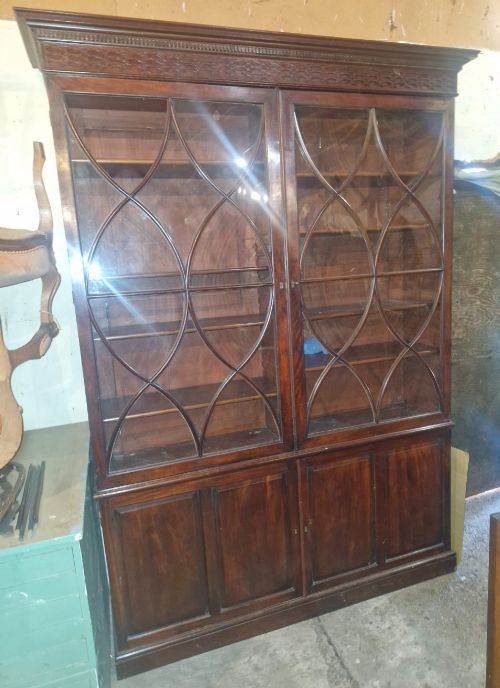
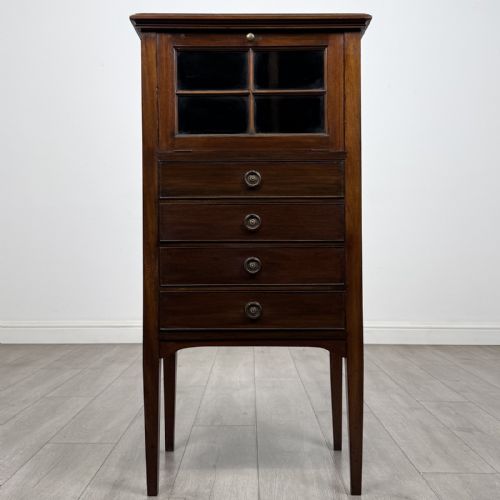
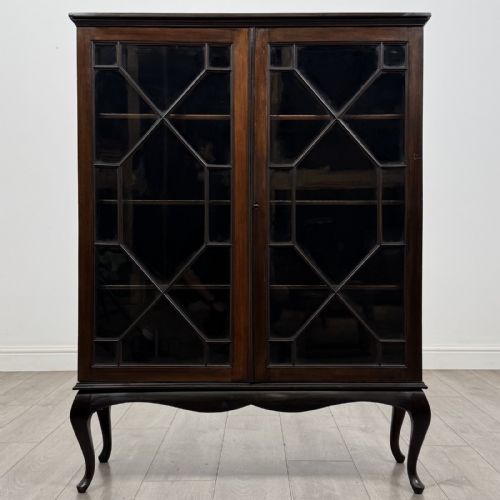
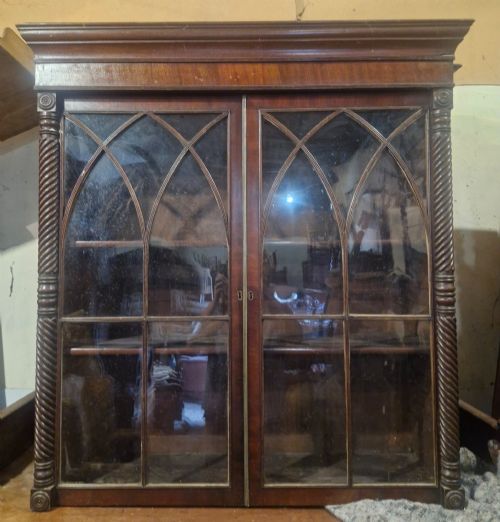
Glazed Wood Cupboard
A glazed wood cupboard brings together timber and glass to display and protect cherished things.
Glazed Wood Cupboard
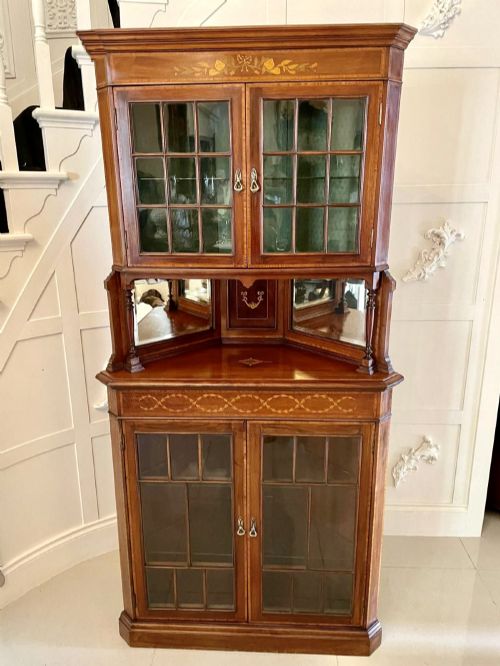
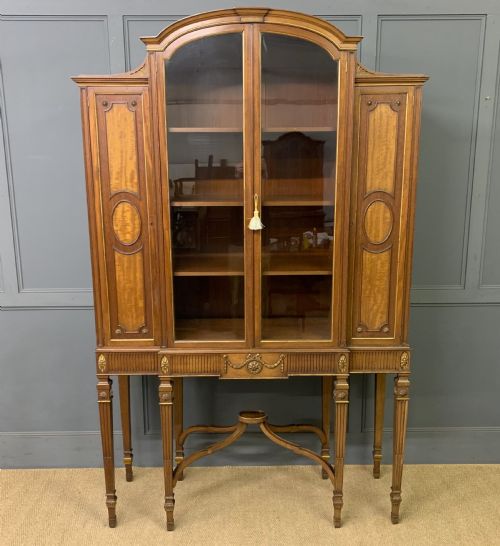
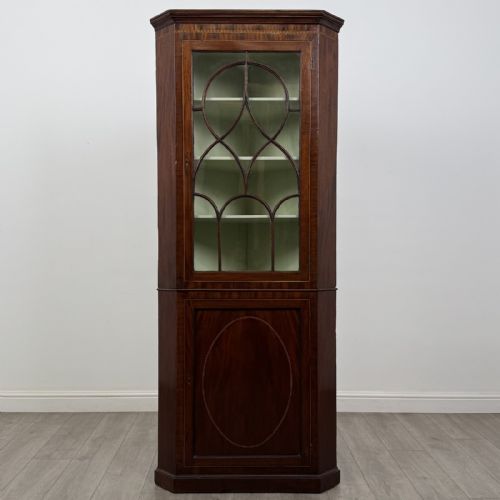
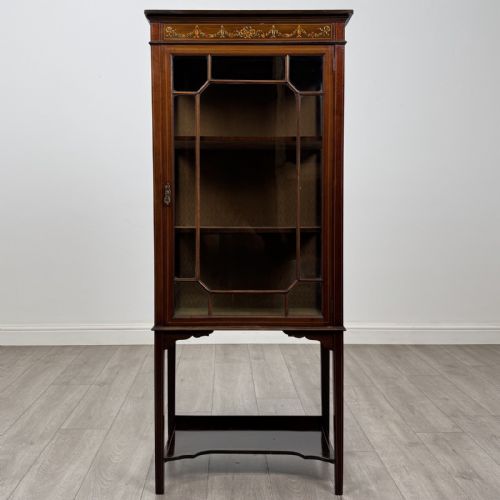
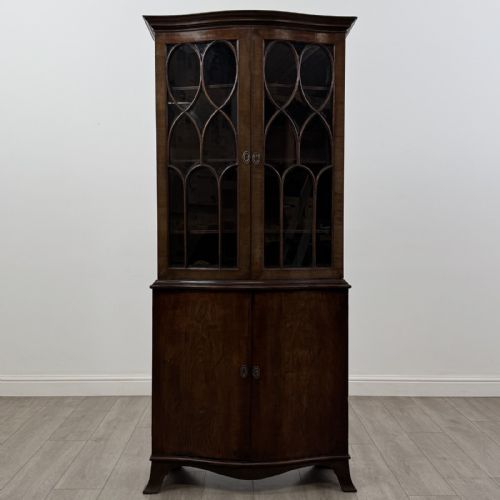
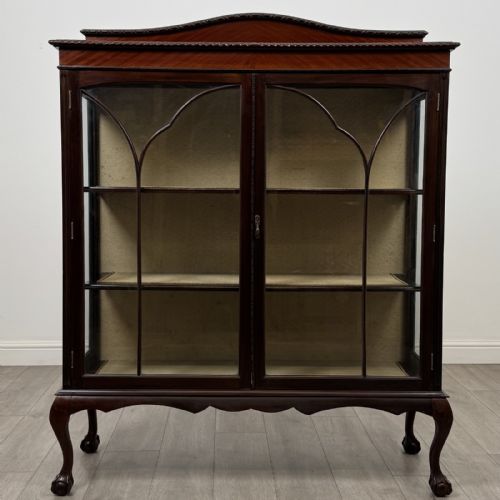
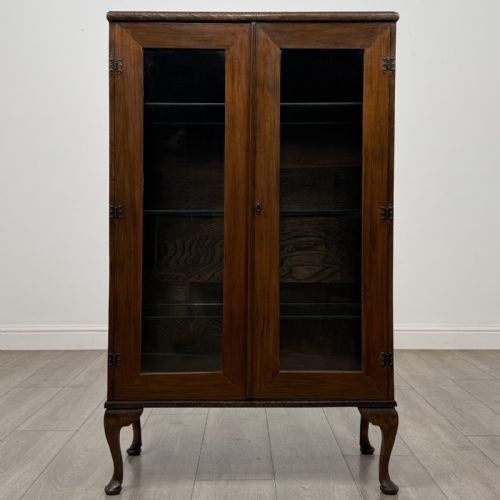
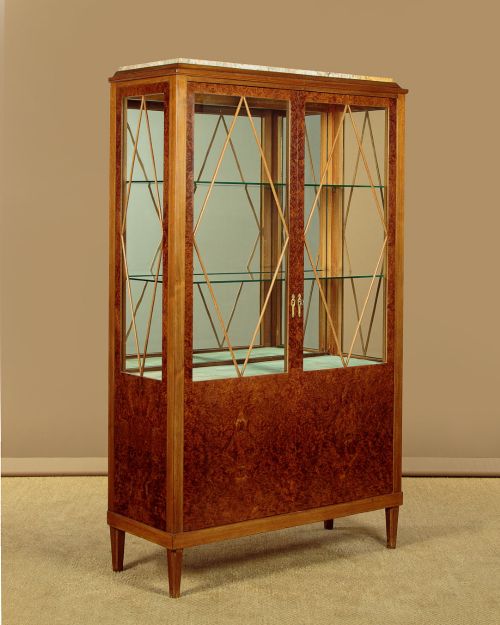
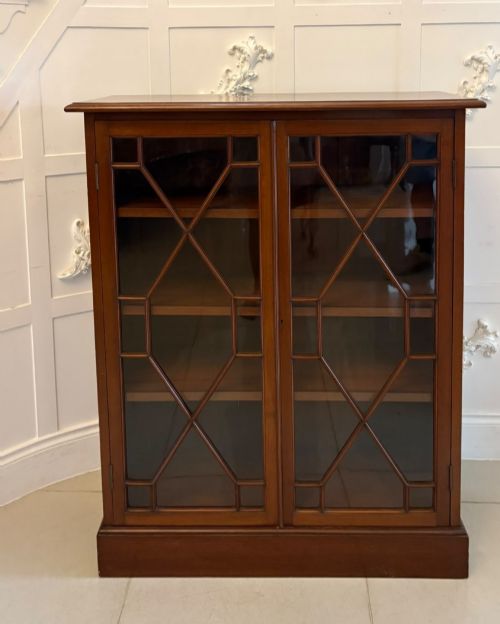
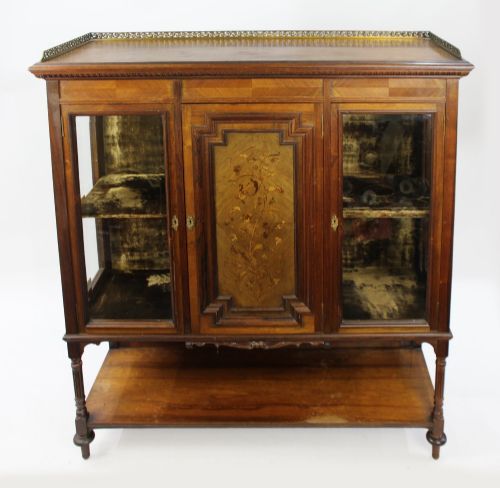
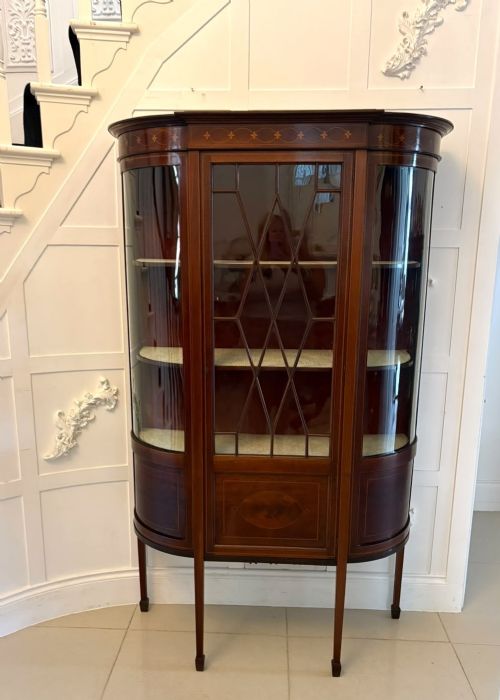
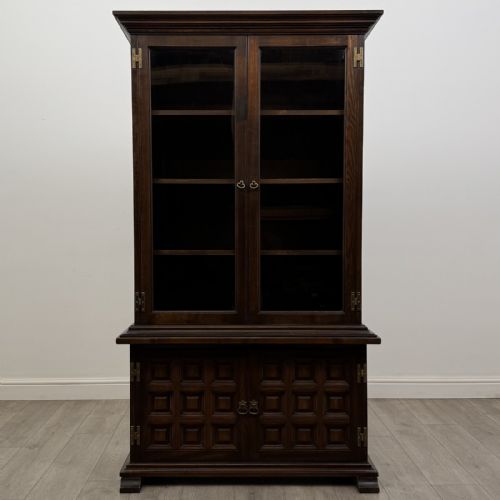
A glazed wood cupboard combines timber cabinetry with glass panes to show contents while keeping dust at bay. Buyers searching for a glazed wood cupboard typically encounter display cabinets, bookcases, and corner cabinets spanning Georgian, Victorian, and Edwardian periods. These pieces serve practical storage roles alongside display functions in living spaces.
The selection ranges from tall floor-standing library bookcases to compact wall-mounted corner units and side cabinets. Mahogany remains the dominant timber across the inventory, accompanied by walnut, oak, and rosewood. Formats vary from simple single-door cupboards to breakfront library pieces and Chinese Chippendale or Sheraton Revival designs.
Distinguishing quality in timber and glass
Quality rests upon the selection of timber figure, such as highly figured mahogany or burr walnut, and the crispness of carved details. Superior examples display refined proportions, balanced inlay work, and original glass panes without distortion.
Internal joinery, the weight and movement of the doors, and the presence of original brass fixtures distinguish finer workshops from standard production. The integration of decorative elements like marquetry or astragal glazing bars further separates standard utilitarian cupboards from exhibition-grade furniture.
The listings span the eighteenth, nineteenth, and twentieth centuries, incorporating Georgian, Victorian, and Edwardian periods.
Jas Shoolbred
The Glazed Wood Cupboard Glossary
- Astragal glazed
- A method where wooden bars divide the glass into smaller panes within a doorframe. These bars often form delicate geometric or Gothic patterns.
- Breakfront
- A piece of furniture where the central section projects forward from the flanking wings. This configuration adds architectural depth to large bookcases.
- Marquetry
- The art of applying thin veneers of different woods to form decorative patterns or pictures. It appears frequently on Dutch and Sheraton Revival pieces.
- Satinwood
- A pale, lustrous timber utilised for contrasting stringing and inlay work. It highlights the borders of doors and drawers on mahogany cabinets.
Glazed Wood Cupboard: Frequently Asked Questions
What rooms suit a glazed wood cupboard?
These cupboards suit living rooms, studies, and dining spaces where books, ceramics, or glassware require dust-free display. Their vertical forms make efficient use of wall space while keeping contents visible.
Corner cabinets fit neatly into unused angles of a room, whereas large breakfront bookcases anchor a main wall in a library or formal sitting room.
How do I date a glazed wood cupboard?
Dating relies on timber choice, decorative styles, and construction techniques associated with periods like the Georgian, Victorian, and Edwardian eras. Mahogany and satinwood inlay point towards the eighteenth and early nineteenth centuries, while lighter oak and Sheraton Revival styles often indicate the late nineteenth or early twentieth century.
Examine the interior shelves and backboards for tool marks and timber ageing. Original glass panes often display subtle distortions or waviness absent in modern float glass.
Are shelves adjustable in these cupboards?
Many bookcases and display cabinets feature adjustable shelving systems to accommodate varying heights of books or decorative objects. Victorian and later library pieces frequently incorporate rackwork or wooden support strips.
Fixed shelves remain common in smaller corner cupboards and wall-hanging cabinets where internal height is limited. Check the interior fittings if shelf flexibility is essential for your collection.
How should I care for timber and glass?
Maintain timber surfaces by applying appropriate wax polish sparingly and avoiding direct sunlight that causes fading. Keep indoor humidity stable to prevent timber movement and warping in the doors.
Clean the glass panes with a mild solution applied to a cloth rather than sprayed directly, protecting surrounding wooden frames and fabric linings from moisture damage.