




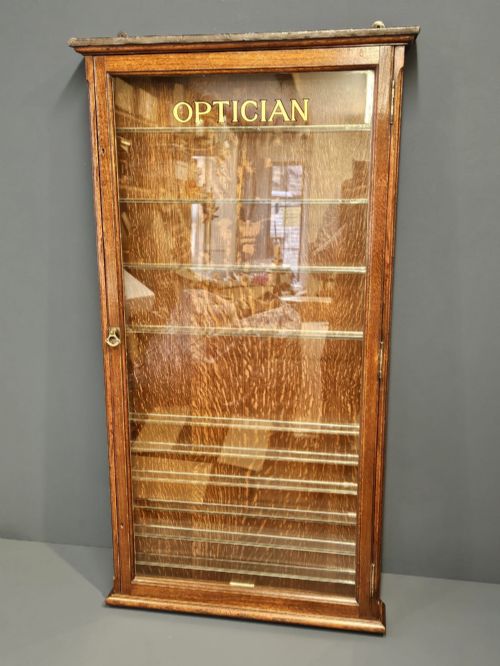


Glazed Oak Shop Display
These glazed oak shop display pieces are solid commercial fittings built to showcase goods, offering timeless utility and period character for any interior.
Glazed Oak Shop Display
When you search for glazed oak shop display, you are looking at utilitarian retail furniture designed to protect and exhibit merchandise. These pieces range from compact countertop display cabinets to substantial haberdashery cabinets and fitted commercial cases.
You are most likely to meet countertop models and upright cabinet forms from the Victorian, Edwardian, and Art Deco periods. These survivors of nineteenth and early twentieth-century commerce bring honest craftsmanship and practical storage to modern domestic spaces.
How they were made
Makers built these commercial fixtures using sturdy oak framing to withstand the daily demands of a busy retail environment. Large glass panels were fitted into the wood to provide maximum visibility for the goods inside, often secured with brass hardware.
Internal configurations frequently included adjustable shelving, drawers, and specialised compartments tailored for specific wares like haberdashery or confectionery. Sign-writing and branding were sometimes added directly to the glass or woodwork for advertising purposes.
Glazed Oak Shop Display Retail Price Guide 2026
Typical asking prices for glazed oak shop display among the pieces listed under this phrase on Sellingantiques today, from the lower quarter to the upper quarter. They describe what is for sale here now, not the wider market.
The inventory records oak, glass, and brass as the primary materials across nineteenth-century and early twentieth-century commercial pieces.
What varies in quality
The distinction between ordinary utility items and superior examples lies in the refinement of the timber selection and the cleverness of the interior joinery. Finer cabinets exhibit thoughtful proportions, high-grade oak figuring, and robust brass fittings that operate smoothly after a century of use.
Originality of components dictates the standing of a piece within its category. Cabinets retaining their untouched glass, original drawer pulls, and authentic commercial signage carry a greater integrity than those altered or heavily restored over time.
The Glazed Oak Shop Display Glossary
- Haberdashery cabinet
- A multi-drawer retail unit traditionally used for storing small sewing goods and ribbons. These pieces feature glass fronts or glass-fronted drawers to display small wares to customers.
- Countertop display cabinet
- A smaller glazed case designed to sit upon a shop counter for eye-level merchandising. They typically incorporate hinged or sliding rear doors for access by the shopkeeper.
- Shop fitting
- A permanent or semi-permanent fixture built specifically for commercial interiors. These heavy-duty pieces were engineered to survive decades of continuous public use.
- Aneroid barometer
- A weather-measuring instrument using a sealed metal box rather than liquid mercury. Retailers sometimes utilised branded barometers as promotional display items on their premises.
Glazed Oak Shop Display: Frequently Asked Questions
What were glazed oak shop display cabinets used for originally?
Merchants utilised these cabinets to display small valuable goods, confectionery, and haberdashery securely while keeping them entirely visible to prospective buyers. The glass protected delicate merchandise from dust and handling.
Over time, manufacturers adapted the forms for different trades, resulting in specialised drawer layouts and countertop proportions tailored to specific retail needs.
How do I date an oak shop display cabinet?
Stylistic clues such as Victorian proportions, Edwardian bracket feet, or Art Deco geometric lines provide the primary means of dating. Construction methods and hardware choices also offer reliable chronological markers.
Examining the type of glass, fixings, and any surviving commercial sign-writing helps narrow down the period of manufacture to a specific decade.
Can I use a shop display cabinet in a modern home?
These cabinets integrate smoothly into contemporary living spaces, serving as practical storage for collections, glassware, or books. Their neutral oak tones and glass panels keep rooms feeling light.
Placement usually works best in kitchens, living rooms, or hallways where the utilitarian proportions complement domestic furniture.
What is the difference between Victorian and Edwardian display cases?
Victorian examples generally feature heavier timbers, darker finishes, and more ornate decorative mouldings suited to nineteenth-century shops. They prioritize robust security and dense construction.
Edwardian pieces tend to display lighter oak tones, simpler lines, and more expansive glass areas as retail tastes shifted toward brighter interiors.