
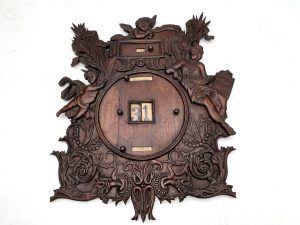


Brown Oak Counter
These brown oak counter pieces are sturdy commercial and domestic furnishings built to last, offering character and utility for modern spaces.
Brown Oak Counter
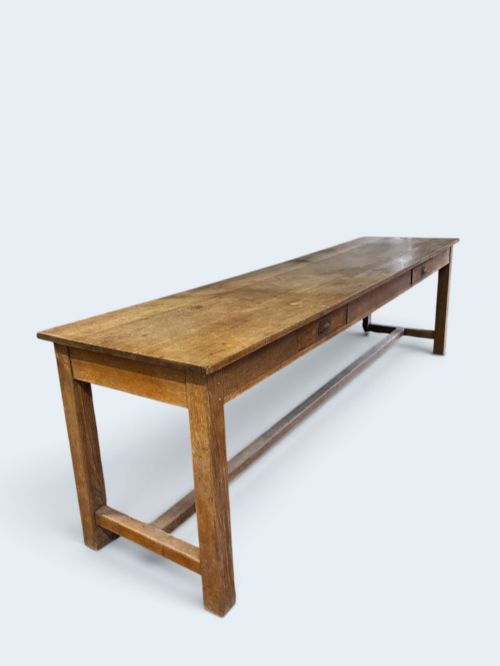
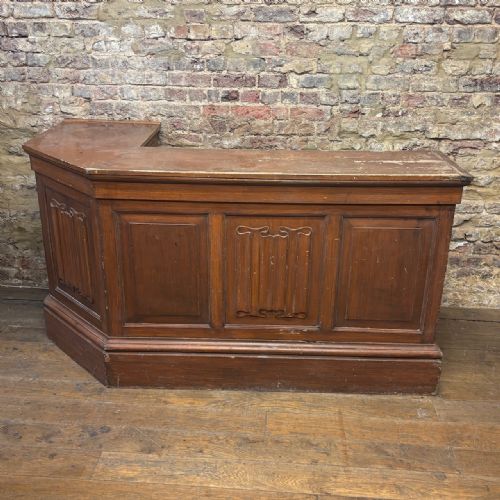
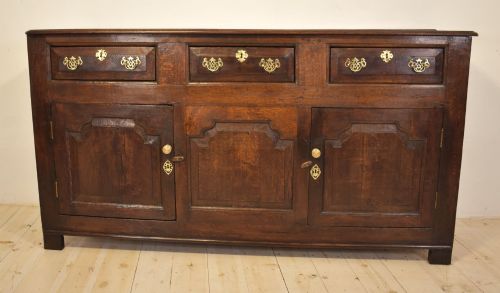
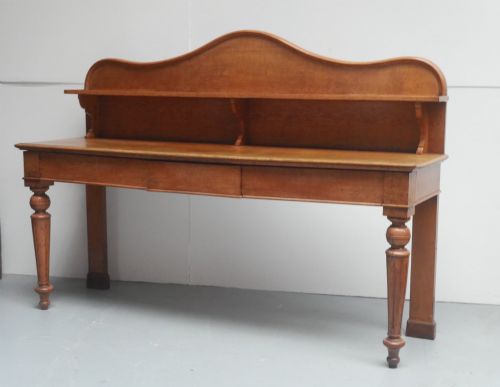
A brown oak counter covers sturdy commercial tables, shop counters, and serving surfaces built from durable hardwoods during the nineteenth and early twentieth centuries. These items originated in commercial premises, public houses, and country houses, serving practical roles in daily trade and domestic life.
The selections available include large serving tables, commercial counters, and countertop display cabinets from the Victorian, Edwardian, and Art Deco periods. Buyers frequently encounter robust tables and modular counters constructed with solid oak timbers and fitted with glass or brass details.
Makers utilised dense native timbers to construct furniture capable of withstanding heavy daily use in shops and taverns. Surviving examples display the honest utilitarian design valued by collectors of period commercial fixtures.
Indicators of quality and condition
Quality rests in the selection of timber and the retention of original hardware, glass, and surface patination. Pieces that retain their unaltered commercial fittings and honest timber grain command greater interest than heavily restored examples.
Structural integrity dictates value, with well-joined frames and undamaged timber surfaces representing the highest standard of surviving commercial furniture. Original sign-writing or period manufacturer details add historical depth to specific counter designs.
One surviving Edwardian countertop cabinet bears later sign-writing for Cadburys Chocolate, revealing a sweet history of old sweet shops.
The Brown Oak Counter Glossary
- Counter
- A sturdy table or cabinet used in shops, pubs, and commercial premises for serving customers or displaying goods. These fixtures were built to handle continuous daily use.
- Display cabinet
- A glazed enclosure designed to protect merchandise while keeping items visible to shoppers. Countertop versions sat directly upon main shop counters.
- Dresser base
- A low wooden sideboard featuring drawers and cupboards, used historically for storage and serving in domestic kitchens and dining rooms.
- Solid oak
- Timber milled directly from the oak tree rather than veneered onto a secondary core. This material provides exceptional weight and durability.
- Elm
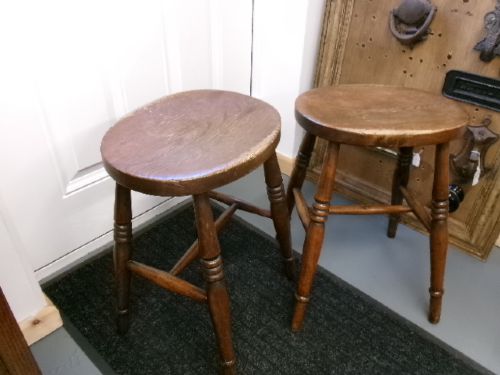
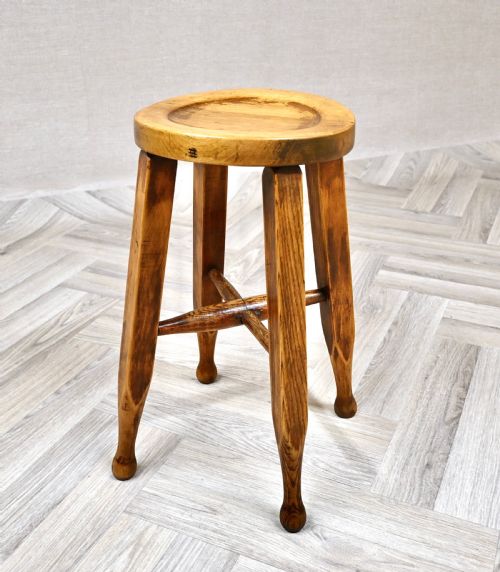
- A tough, interlocking hardwood utilised by traditional makers for seating and structural components requiring resistance to splitting.
Brown Oak Counter: Frequently Asked Questions
How do I clean a brown oak counter?
Dust the timber regularly with a dry cloth and apply occasional natural wax to nourish the grain.
Avoid chemical polishes and keep the surface away from direct heat sources to prevent timber splitting.
Can I use a shop counter at home?
These counters function well as kitchen islands, sideboards, or hallway storage units in modern residential interiors.
Their generous proportions and durable surfaces provide practical workspace alongside historic character.
What periods do these counters come from?
The available pieces span the eighteenth, nineteenth, and early twentieth centuries, including Victorian, Edwardian, and Art Deco eras.
Design styles shift from utilitarian country pieces to glazed commercial display cabinets.
Are these counters made of solid wood?
Most items utilise solid oak, elm, pine, and other native hardwoods chosen for maximum strength in commercial environments.
Secondary woods may appear in internal drawer linings or backing boards.