
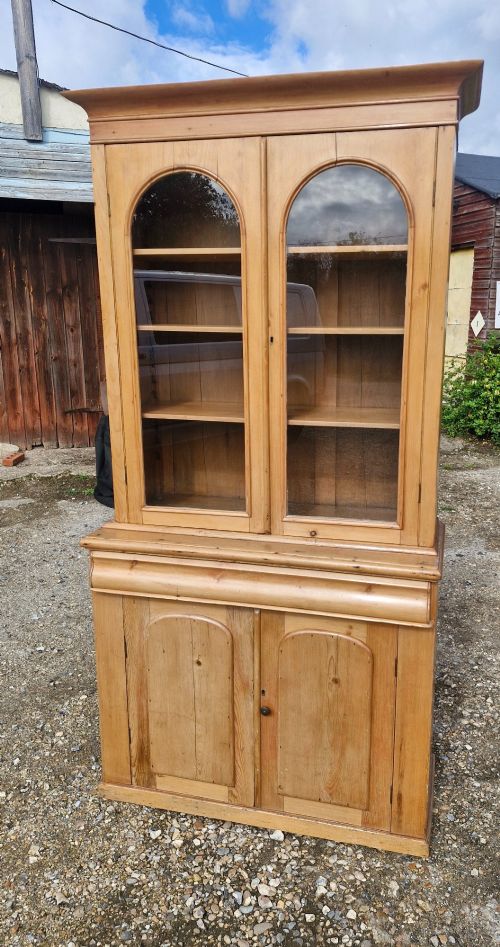
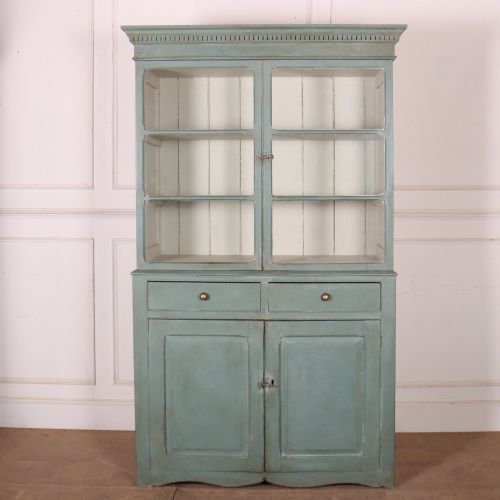
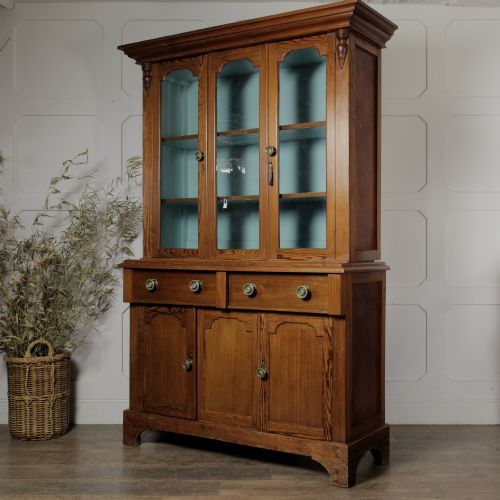
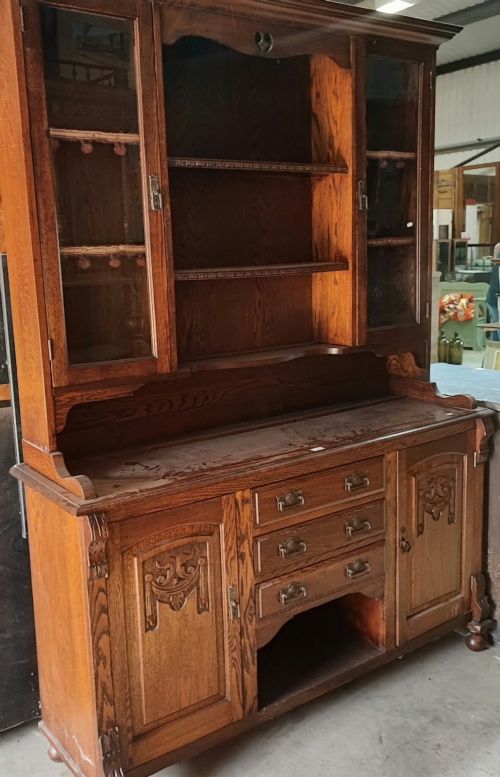
Glazed Kitchen Cupboard
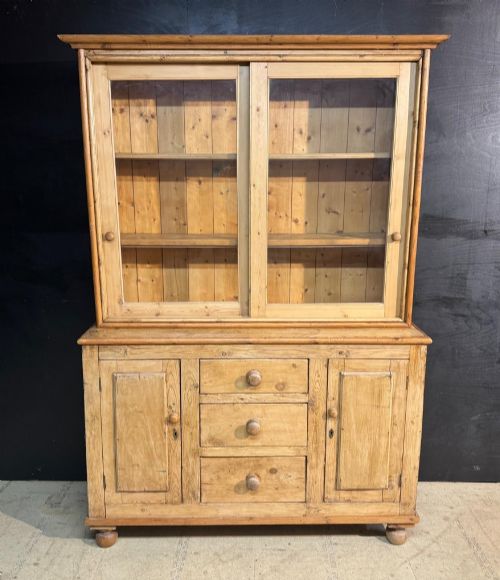
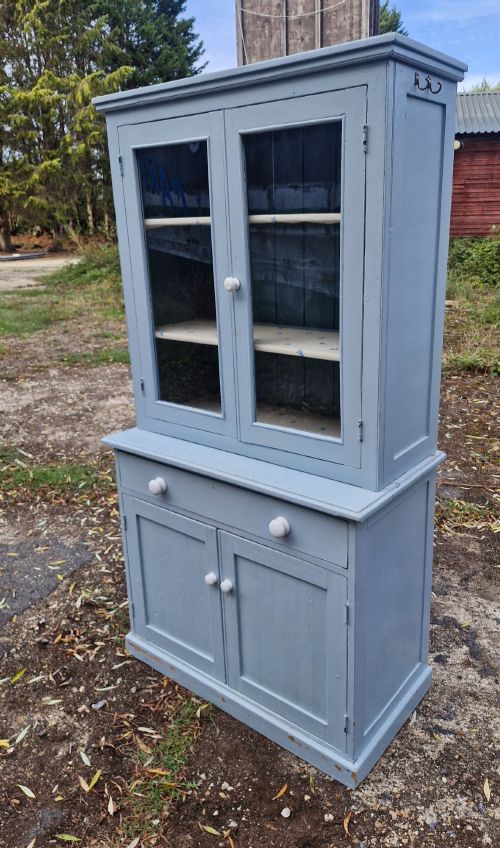
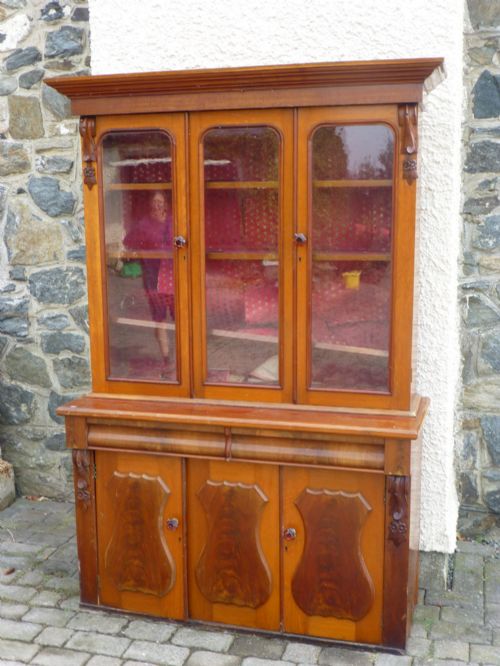
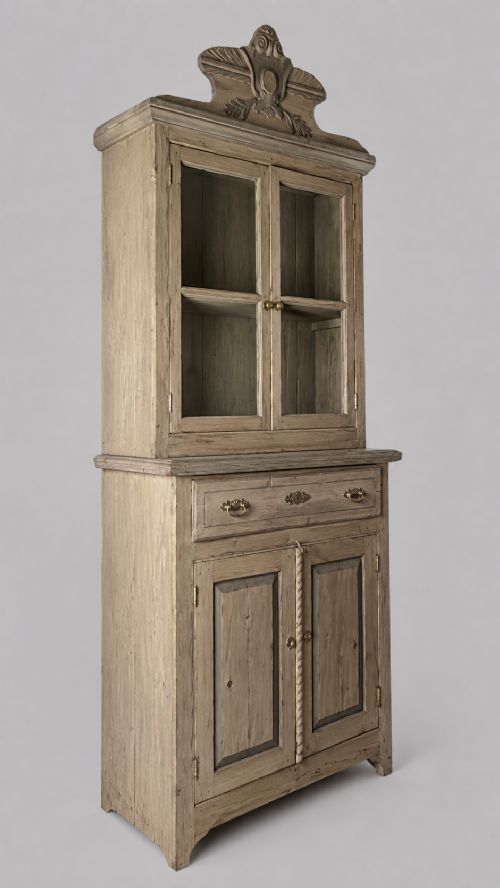
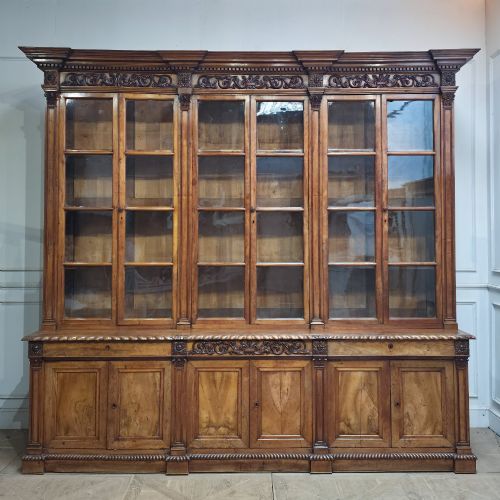
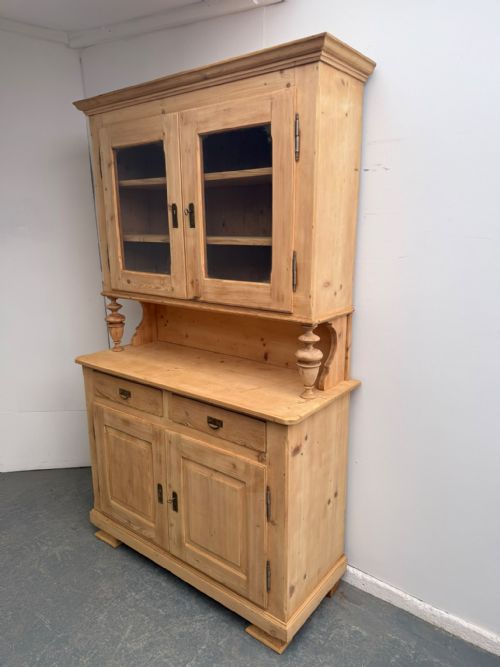
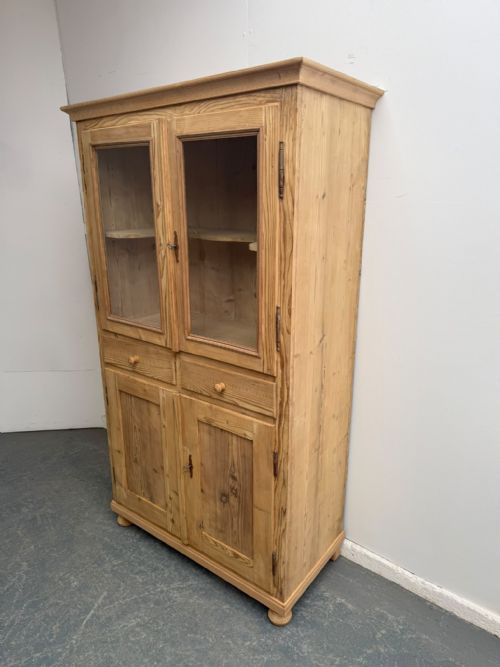
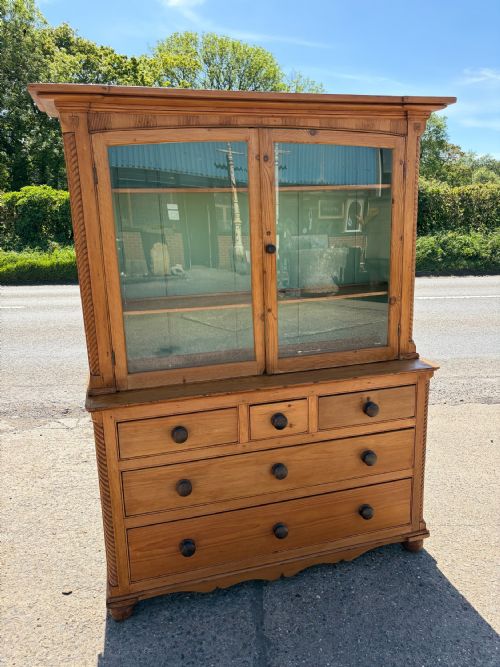
A glazed kitchen cupboard brings domestic history into daily utility, offering panelled glass doors to display contents while keeping everyday provender secure.
Glazed Kitchen Cupboard
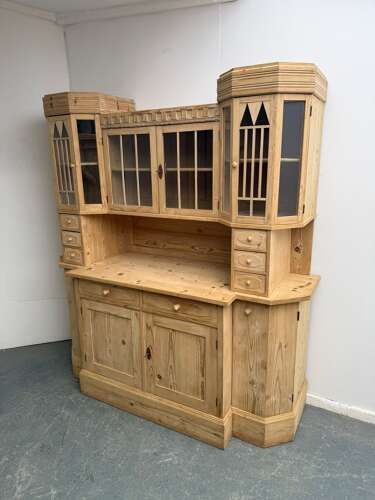
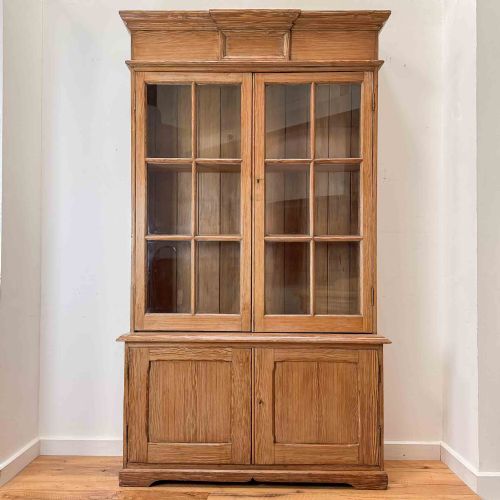
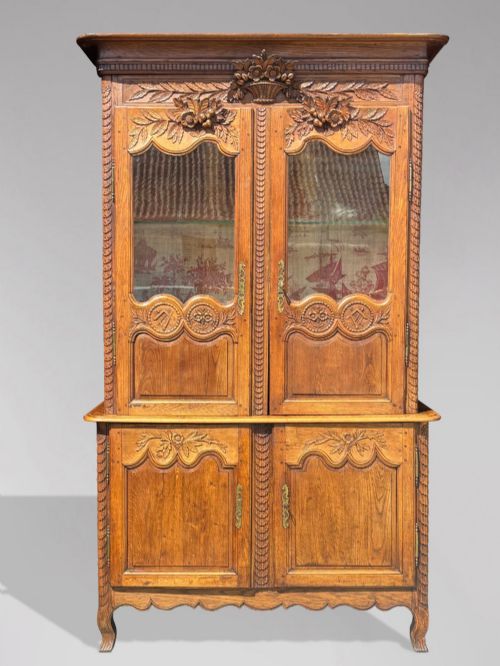
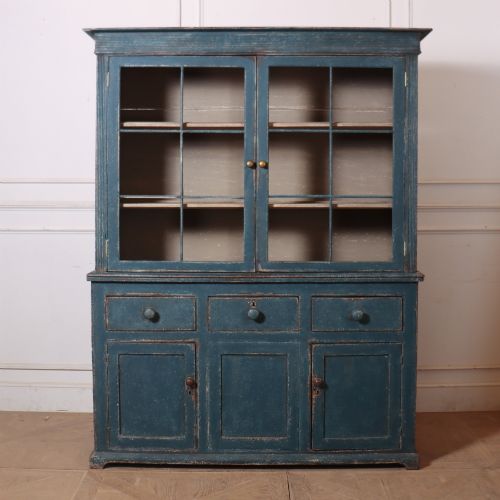
A glazed kitchen cupboard serves as storage and display within domestic spaces, uniting enclosed shelving behind glass with lower timber compartments. When handling a glazed kitchen cupboard, buyers encounter regional variations spanning English, Scottish, Welsh, French, and Scandinavian workshops.
Most examples appearing here belong to the nineteenth century, built from pine, oak, or pitch pine. These forms range from single-piece wall cabinets to substantial two-part dressers and buffet deux corps constructions.
Regional traditions shape the proportions and timber choices significantly. West Country and Cornish pieces demonstrate distinct local joinery, whereas continental examples introduce walnut or lighter painted finishes.
Distinctions in quality
Quality rests upon the integrity of the timber framing and the proportion of the design. Superior examples display thoughtful timber selection, such as figured tiger oak or well-grained pitch pine, joined with clean, hand-cut precision.
The survival of original glass panes, brass fittings, and authentic painted finishes elevates a piece above standard utility items. Alterations to the glazing bars or heavily replaced hardware diminish the integrity of the original construction.
One cheerful vintage pine cupboard bears later sign-writing advertising Hovis Bread, recording a former life in a local grocery shop.
The Glazed Kitchen Cupboard Glossary
- Glazed cupboard
- A storage unit featuring glass-fronted doors designed to show porcelain or provisions while protecting them from dust.
- Pitch pine
- A resinous North American and European softwood valued for its durability and strong grain pattern in Victorian furniture.
- Buffet deux corps
- A substantial two-part cabinet structure consisting of a lower sideboard base surmounted by an upper glazed display section.
- Scrumbled finish
- A decorative surface technique involving semi-opaque paint manipulated to simulate the appearance of more expensive figured wood.
- Welsh dresser
- A traditional kitchen form combining base cupboards and drawers with upper plate racks or enclosed shelving.
Glazed Kitchen Cupboard: Frequently Asked Questions
How do I date a glazed kitchen cupboard?
Dating relies upon examining construction techniques, nail types, timber species, and stylistic markers such as Victorian proportions or Arts and Crafts simplicity. Secondary woods at the back of the carcass often provide reliable clues regarding the period.
Hand-cut joinery and early glass pane characteristics further assist in separating eighteenth-century vernacular pieces from later nineteenth-century adaptations.
Where were these cupboards originally placed?
These pieces stood in domestic kitchens, sculleries, and pantries to house tableware, dried goods, and everyday utensils. Their dual nature allowed working families to store provisions securely while keeping frequently used ceramics visible.
Larger two-part versions often served as the central storage hub in farmhouse kitchens across Britain and continental Europe.
How do I care for a painted pine cabinet?
Maintenance requires gentle cleaning with a dry or lightly damp cloth, avoiding harsh modern chemical cleaners that might lift historic paint layers. Maintaining stable room humidity prevents timber shrinkage and subsequent stress on the glass doors.
Applying microcrystalline wax periodically helps preserve bare or waxed pine surfaces without harming original patination.
What is the difference between a dresser and a cupboard?
A traditional kitchen dresser typically integrates a lower section of drawers and cupboards with an open plate rack or an upper glazed cabinet. A glazed kitchen cupboard generally refers to a dedicated wall or floor-standing unit focused entirely on enclosed shelving behind glass.
Both forms share similar domestic origins but fulfill slightly different storage requirements within the kitchen.