




Glazed Hanging Cupboard
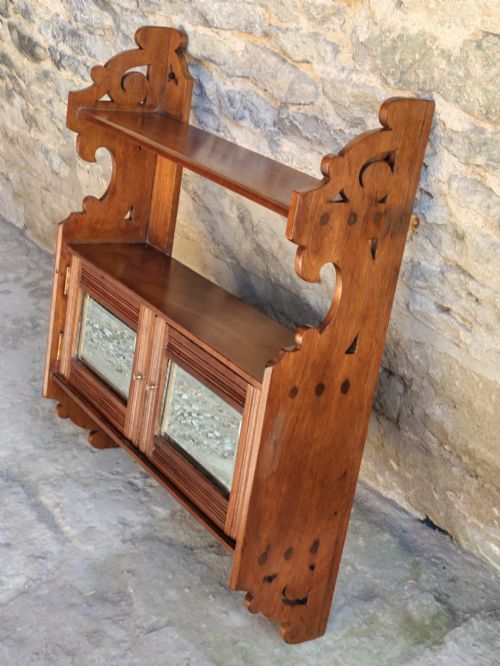
These glazed hanging cupboards offer wall-mounted storage and display space, bringing period character and practical glass fronts to any room.
Glazed Hanging Cupboard
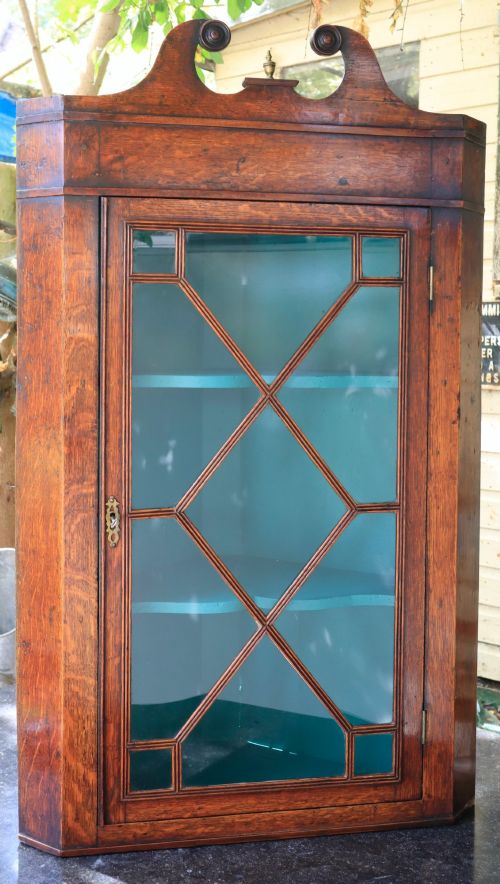
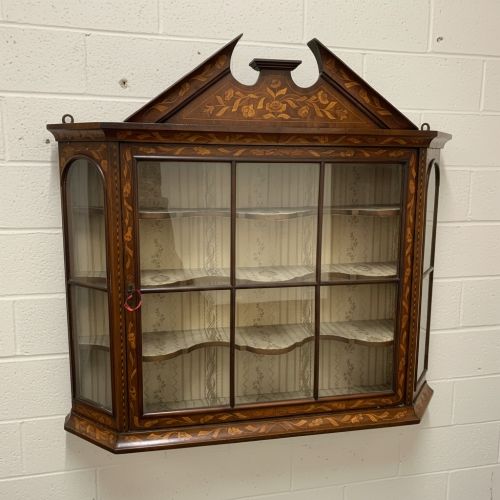
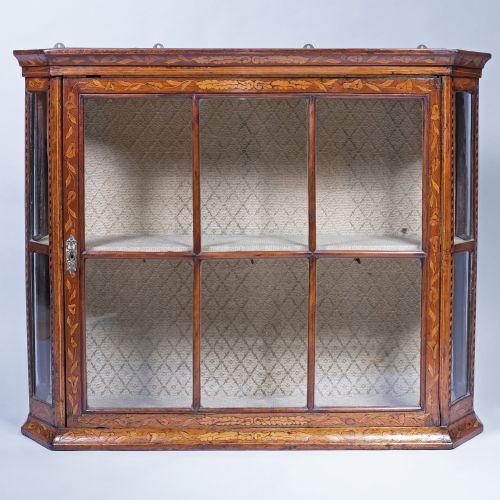
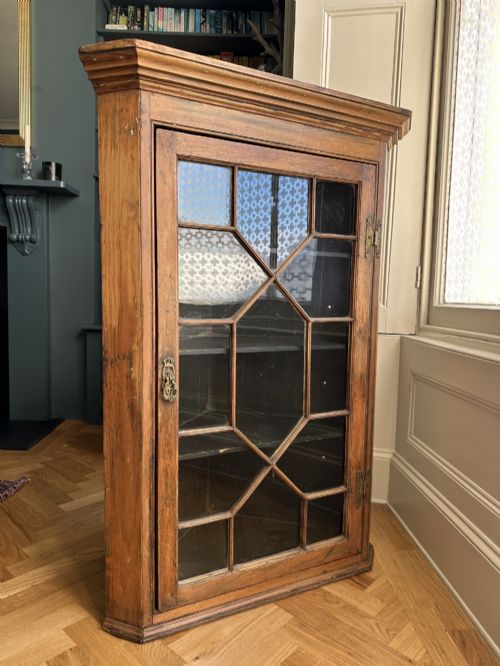
A glazed hanging cupboard is a wall-mounted storage unit designed to display ceramics, glassware or small valuables behind a glass door. When you search for a glazed hanging cupboard, you encounter a variety of wall cabinets, display cabinets and corner cupboards spanning the Georgian, Victorian and Edwardian periods.
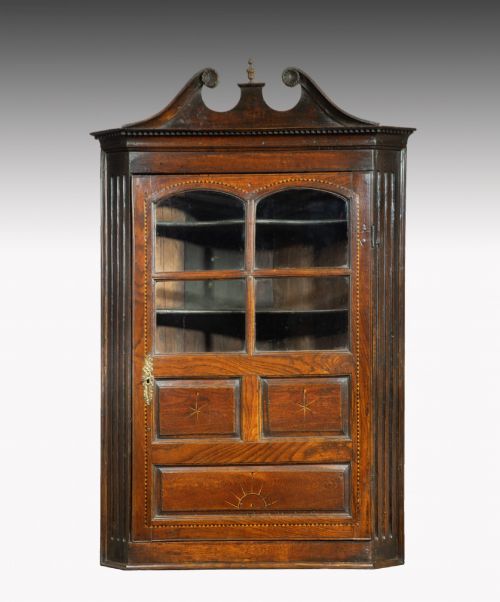
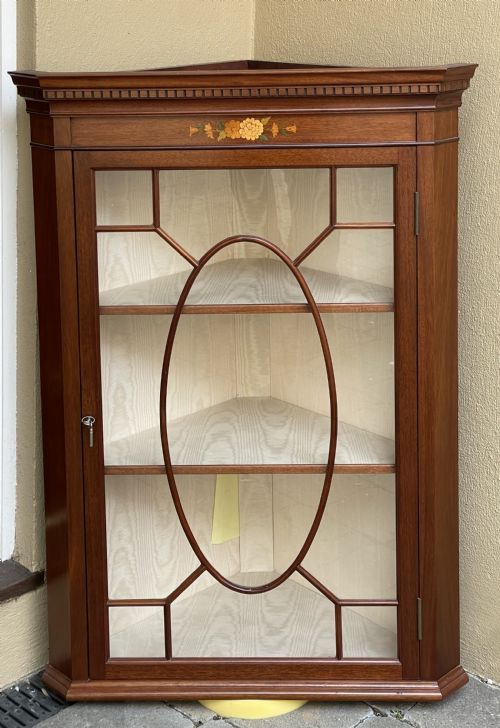
The most common formats on this page are corner cupboards and flat wall cabinets built to make efficient use of compact domestic spaces. Many examples date from the eighteenth and nineteenth centuries, constructed in oak or mahogany to house precious tableware or household collections.
Makers and regional joiners across England, Scotland, Wales and continental Europe produced these pieces for domestic interiors, resulting in architectural cornices, astragal glazing bars and shaped shelving tailored to individual rooms.
Materials and construction
Cabinet makers relied predominantly on timbers such as oak, mahogany and walnut, frequently selecting close-grained hardwoods that tolerated intricate joinery. Pine served for provincial farmhouse pieces, while exotic veneers like satinwood or marquetry embellishments appeared on refined parlour cabinets.
Glass panels were secured within rebated wooden frames or held by timber glazing bars, often arranged in geometric patterns such as astragal designs. Brass hinges, locks and escutcheons provided functional hardware, frequently accompanied by working iron keys to secure the contents.
Glazed Hanging Cupboard Retail Price Guide 2026
Typical asking prices for glazed hanging cupboard among the pieces listed under this phrase on Sellingantiques today, from the lower quarter to the upper quarter. They describe what is for sale here now, not the wider market.
One unusual survivor carries hand sign-written advertising for Fry's Chocolate on its walnut door, turning kitchen storage into confectionery history.
Judging quality
Quality rests in the crispness of the timber mouldings, the selection of figured wood veneers and the precision of the dovetail joints connecting the carcase. Superior pieces demonstrate harmonious proportions, balanced grain patterns and refined glazing bar construction that avoids heavy or clumsy framing.
The integration of secondary timbers, original glass panes and intact period brassware distinguishes finer workshops from provincial output. Patina accumulated through age on drawer linings and interior shelves signals authentic preservation without aggressive modern intervention.
The Glazed Hanging Cupboard Glossary
- Astragal
- A small moulding profile, often used on glazing bars to divide a glass door into multiple smaller panes. These bars create the classic grid pattern seen on eighteenth and nineteenth-century cabinet doors.
- Dovetail
- A traditional wood joint formed by interlocking wedge-shaped fingers, prized for its tensile strength. It holds drawer corners and carcase joints together without relying on metal fasteners.
- Carcase
- The main structural body or shell of a piece of furniture, excluding doors, drawers and feet. In wall-mounted cupboards, the carcase must support its own weight and internal shelving safely.
- Escutcheon
- A decorative metal plate surrounding a keyhole that protects the surrounding wood from wear. They are typically cast in brass and secured with small pins.
- Cornice
- The decorative moulded projection that crowns the top of a cabinet. It provides a finished architectural transition between the wall and the furniture piece.
Glazed Hanging Cupboard: Frequently Asked Questions
How do I hang a heavy antique cupboard safely?
These cabinets require secure fixings anchored directly into structural wall studs or masonry using appropriate weight-rated brackets. Professional installation ensures the mounting points distribute the combined weight of the timber carcase and its glass contents.
Interior shelving should be checked to ensure it sits securely on fixed supports before loading heavy ceramics or glassware inside.
What rooms suit a corner wall cabinet best?
Corner cupboards excel in dining rooms, kitchens and hallways by utilising awkward ninety-degree angles that standard furniture leaves empty. Their glazed doors reflect light into darker corners while keeping display items free from household dust.
Placing them at eye level allows the internal shelves to display glassware or small collections effectively without obstructing floor space.
How do I tell a Georgian cupboard from a Victorian one?
Georgian examples often feature simpler, architectural lines with fine mahogany or oak grain, frequently incorporating astragal-glazed doors and modest bracket feet or hanging fixings. Victorian and later pieces tend to introduce heavier mouldings, richer walnut veneers, or applied marquetry and inlay work.
Examining the interior secondary timbers and construction methods helps clarify the manufacturing era when exterior styles overlap.
Can I adjust the shelves inside these cabinets?
Most antique hanging cupboards feature fixed wooden shelves supported by permanent timber glides or dado grooves rather than modern adjustable metal pins. This reflects the original construction methods where interior layouts were designed for specific types of tall bottles or matching tableware.
Planning what items to display beforehand ensures your glassware or ceramics will fit the fixed shelf heights.