





Antique Wall Vitrine
An antique wall vitrine offers a clever way to display small treasures while keeping floor space entirely clear.
Antique Wall Vitrine
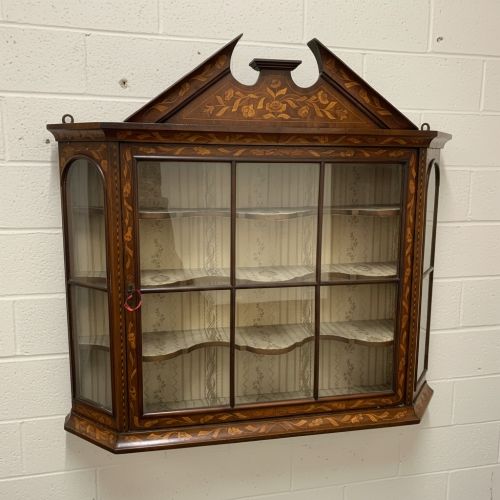
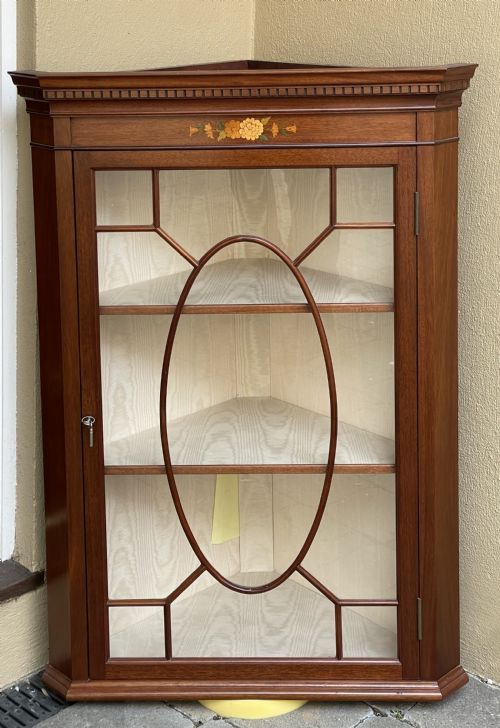
An antique wall vitrine provides glazed shelving designed specifically to mount upon a wall rather than rest on the floor. These pieces emerge across the eighteenth century, the Victorian era, and the Edwardian period in various forms including corner cabinets and hanging display cases.
How they were made
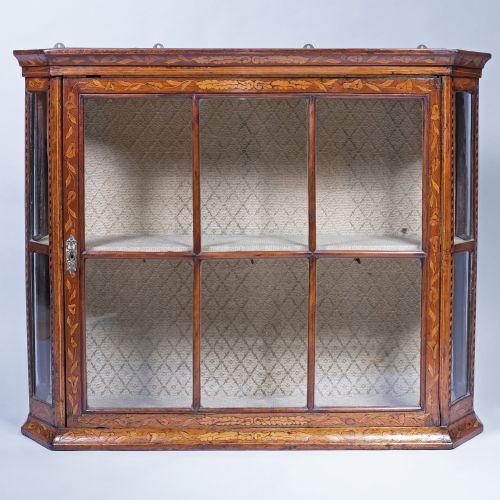
Cabinet makers built these structures using solid timbers like mahogany and walnut, frequently applying marquetry inlay and painted finishes to the exterior surfaces. Glazing bars hold the glass panes securely within the doors, while brass hinges and catches complete the fittings.
Some examples feature carved and gilded woodwork, alongside specialised elements such as barley twist columns and bow-fronted doors. Interior spaces often utilise fabric linings to create a contrasting backdrop for displayed items.
Antique Wall Vitrine Retail Price Guide 2026
Typical asking prices for wall vitrine among the pieces listed under this phrase on Sellingantiques today, from the lower quarter to the upper quarter. They describe what is for sale here now, not the wider market.
Listings feature pieces spanning the eighteenth century through to the Edwardian era, constructed in mahogany, walnut, fruitwood, and satinwood.
What varies in quality
Quality rests upon the crispness of the timber craftsmanship, the precision of the marquetry inlay, and the retention of original glass and brass hardware. Finer examples display meticulous attention to detail in the carving and joinery.
Proportions also dictate worth, as smaller wall-hanging cabinets require delicate balance so the glazed door hangs true without sagging over time. The choice of primary wood, whether rich mahogany or figured walnut, elevates the overall presence.
Siegel
The Antique Wall Vitrine Glossary
- Vitrine
- A glass-fronted cabinet or case used for displaying fine objects or curiosities. The term derives from the French word for glass.
- Marquetry
- Decorative woodwork in which thin slices of wood and other materials are fitted together to form geometric or pictorial patterns. This technique adorns several eighteenth-century Dutch pieces.
- Bow front
- A convex, outwardly curved front section on a cabinet or cupboard. This shape appears on multiple Victorian and Georgian examples.
- Glazing bar
- A wooden or metal strip that holds panes of glass within a window or cabinet door. These define the geometric light patterns on the front panels.
Antique Wall Vitrine: Frequently Asked Questions
How were antique wall vitrines used?
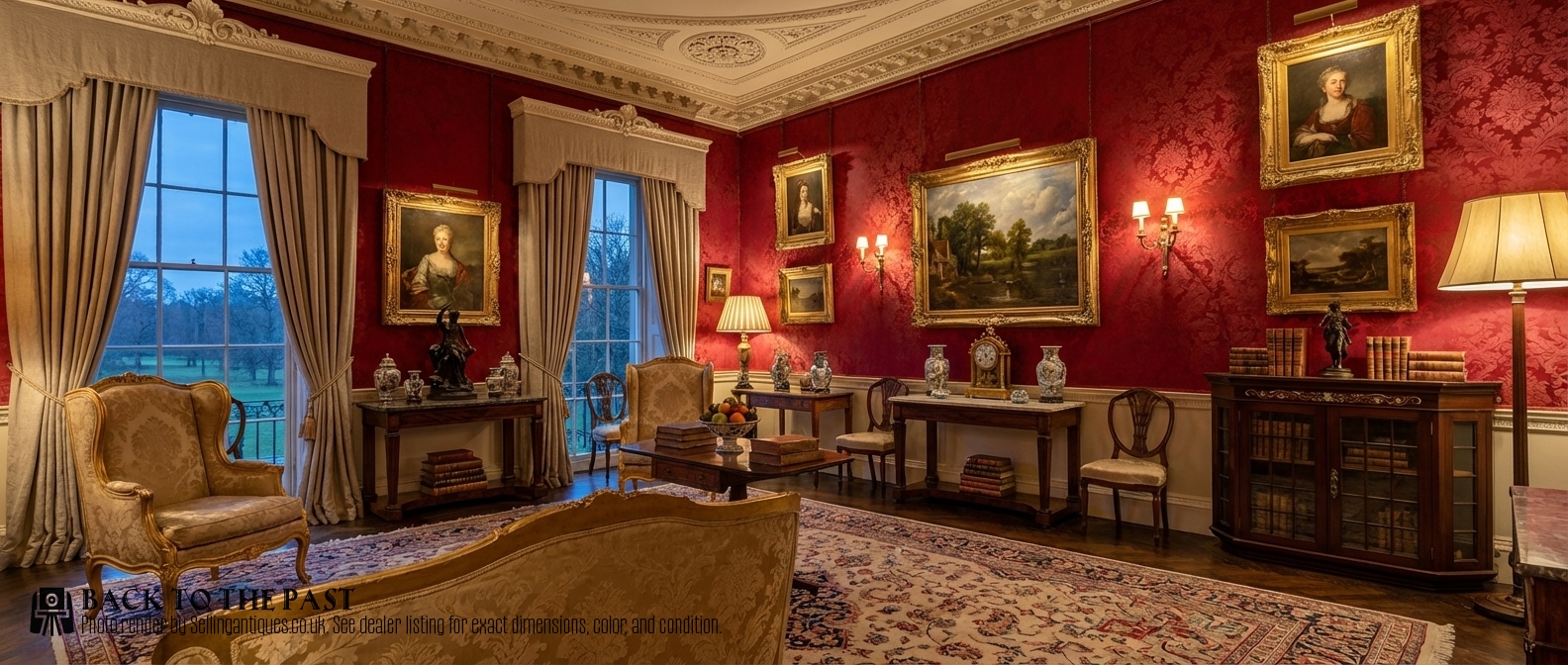
These cabinets served primarily to showcase precious porcelain, small silver items, and curiosities collected during travels. Placing them on the wall kept delicate objects safely above household traffic.
In period interiors, they functioned both as practical storage and as decorative focal points within reception rooms. The glass protection kept dust away from fragile collections.
How do I hang a heavy wall cabinet safely?
Secure hanging requires locating the structural studs within the wall rather than relying solely on plaster. Professional installation uses robust brackets suited to the weight of hardwood and glass.
Checking the internal fixing points ensures the cabinet remains level and stable once loaded with display items.
How do I tell Georgian from Edwardian vitrines?
Georgian pieces tend to feature heavier timbers, understated mahogany grains, and simple classical proportions. Edwardian cabinets often showcase lighter satinwood, painted finishes, and more delicate inlaid motifs.
Construction techniques inside the cabinet also reveal the period, with machine-sawn elements appearing more frequently in later Edwardian examples.
Can I place a corner cabinet on a flat wall?
Corner cabinets are constructed with angled backs specifically engineered to fit snugly into the intersection of two walls. Attempting to mount them on a flat surface leaves large gaps behind the frame.
Flat wall display cabinets feature rectangular backs designed for standard wall placement.