


Antique Arched Wall Cabinet
An antique arched wall cabinet solves storage problems with architectural grace, offering curved pediments and compact proportions that suit any room.
Antique Arched Wall Cabinet
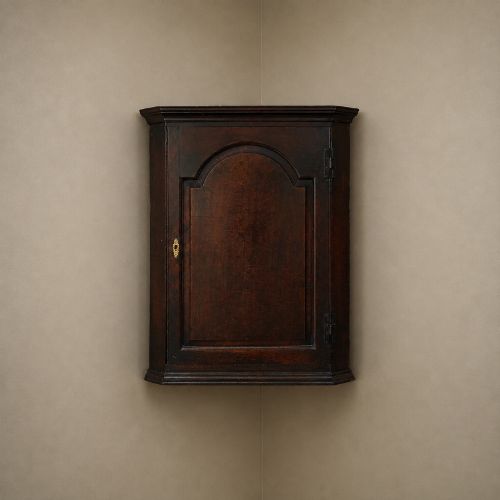
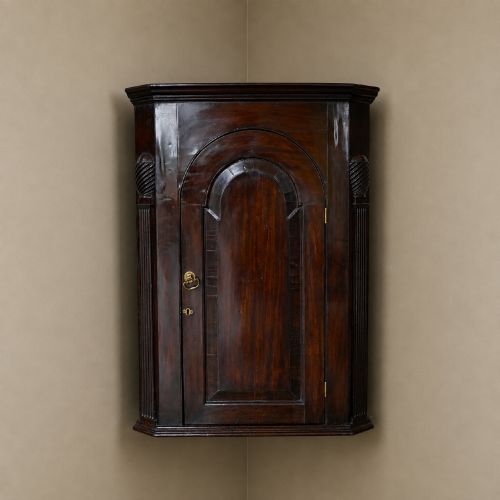
The search for an antique arched wall cabinet brings up hanging corner cupboards, table cabinets, and small wall-mounted storage pieces from the Georgian, Victorian, and later nineteenth-century periods. These items combine practical wall storage with architectural pediments, often featuring broken arch designs or curved panel doors.
Most examples found on this page date from the eighteenth and nineteenth centuries, constructed predominantly in oak, mahogany, and walnut. Regional British pieces like Welsh oak cupboards sit alongside continental European works, including French pine alcove cupboards and Gothic Revival bookcases.
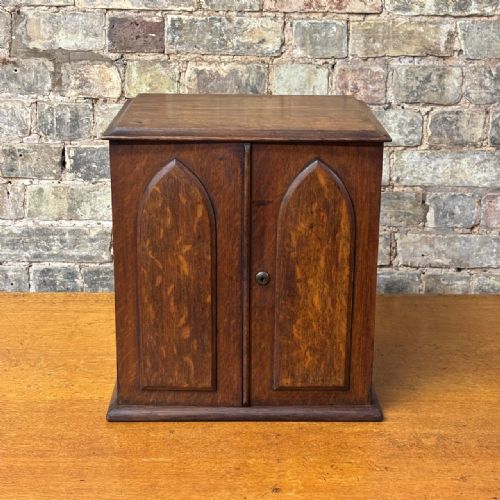
Buyers encounter various formats ranging from glazed display cabinets to solid-door spice cupboards and table-top units. The overarching feature remains the arched top line, which elevates a utilitarian hanging cupboard into a decorative focal point.
Construction materials and techniques
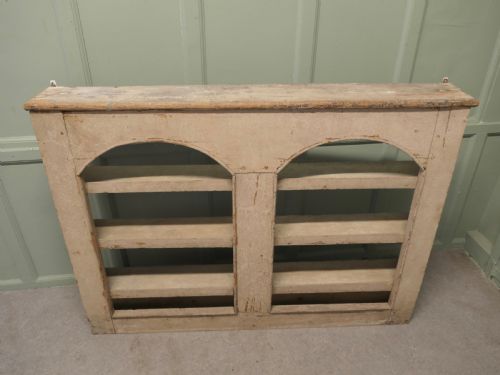
Cabinet makers relied heavily on hardwoods such as oak, mahogany, and walnut to build durable wall-hung frames that could support internal shelving without warping. Pine and distemper paint appear on regional and continental European pieces, showing local timber choices.
Joinery techniques included panelled doors, sometimes accented with Gothic arches, barley twists, or glass panes for display. The distinctive arched pediments required precise woodworking to shape the curved crests that define these cabinets.
The listings span oak, mahogany, walnut, and pine, reflecting centuries of domestic cabinet making across Britain and continental Europe.
Markers of distinction
Quality rests in the selection of timber grain, particularly in figured mahogany and rich walnut surfaces, alongside the sharpness of carved architectural details like broken arch pediments. Superior examples feature well-proportioned cornices and original brass hardware that complement the period of the wood.
The integrity of the construction, from flush-fitting doors to sound internal shelving, separates standard utility cupboards from finer decorative pieces. Original finishes and untouched surfaces carry more weight than heavily restored or later altered examples.
The Antique Arched Wall Cabinet Glossary
- Broken arch pediment
- A triangular or segmental pediment having a central gap at the apex, often housing a decorative urn or finial. This classical architectural feature is frequently seen on Georgian corner cupboards.
- Corner cupboard
- A storage unit built or shaped specifically to fit into the internal corner of a room. These saved floor space in smaller domestic interiors.
- Spice cupboard
- A small wall-hanging cabinet fitted with internal drawers or shelves for storing dry goods and spices. They date largely from the eighteenth century and often feature panelled doors.
- Barley twist
- A turned wooden furniture leg or decorative column resembling a twisted rope. This style appears on seventeenth and nineteenth-century European cupboards.
- Gothic Revival
- A nineteenth-century architectural and decorative style drawing inspiration from medieval forms. Pieces display pointed arches, tracery, and heavy panel doors.
Antique Arched Wall Cabinet: Frequently Asked Questions
How do I hang a heavy wall cabinet safely?
Wall-hanging cabinets require secure fixing directly into masonry or through plasterboard into the wooden studs behind. Given the weight of period oak and mahogany, professional installation using appropriate brackets ensures the piece remains secure.
Many antique hanging cupboards feature original internal fixing points or reinforced backboards designed for wall mounting. Checking the condition of these structural points before installation is essential for safety.
Where were corner cabinets placed in period homes?
Period corner cupboards were traditionally hung in dining rooms, parlours, or hallways to utilise awkward corner space efficiently. They served to display porcelain or store household provisions close to hand.
Because they project outward from the corner rather than flat against a wall, they altered the visual geometry of a room. This placement drew the eye upward and made smaller chambers feel more architectural.
How do I distinguish Georgian from Victorian pieces?
Georgian pieces, dating from the eighteenth century, typically display simpler, classical proportions with premium mahogany or oak timbers and understated brass hardware. Construction often relies on hand-cut dovetails and pegged joints.
Victorian items, emerging after eighteen thirty-seven, frequently embrace revival styles like Gothic or incorporate heavier turnings such as barley twists. The secondary timbers and manufacturing marks often point to industrial mechanisation.
Can I use a wall cabinet for modern storage?
These cabinets work well for storing glassware, books, or small collections while keeping floor space entirely free. Their shallow depth prevents items from getting lost at the back.
Care should be taken with modern humidity levels, as central heating can dry out eighteenth-century timbers. Placing them away from direct heat sources protects the original wood and joints.