





Antique Hanging Vitrine
These antique hanging vitrine pieces offer glazed wall display storage for precious objects, bringing centuries of craftsmanship directly into your home.
Antique Hanging Vitrine
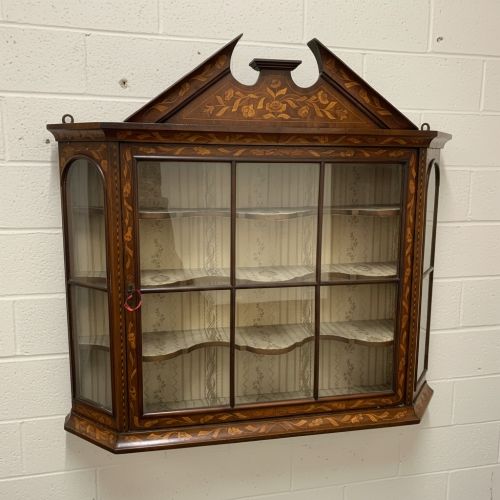
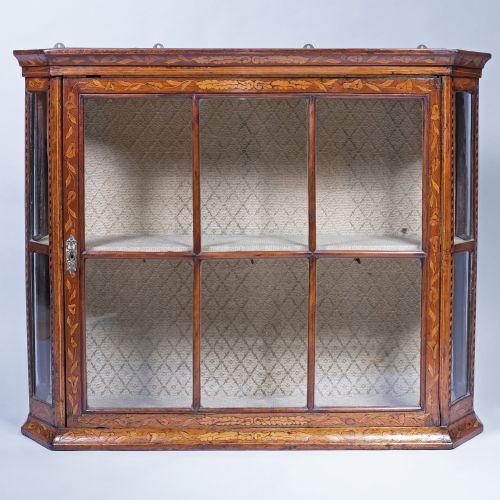
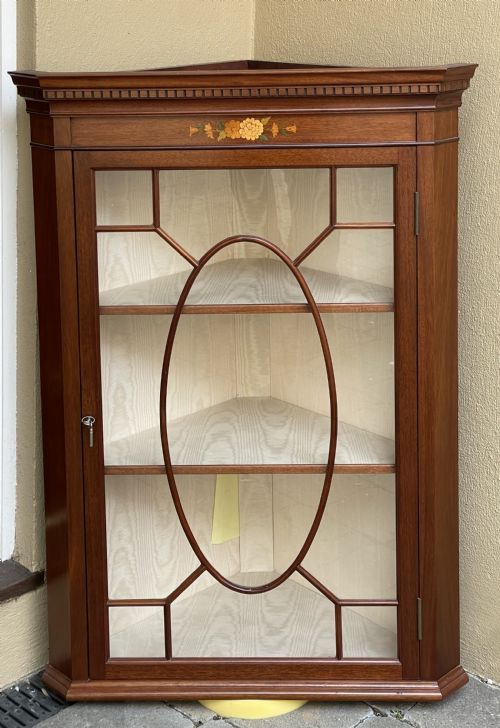
An antique hanging vitrine is a glazed wall cabinet designed to display small collectables, miniatures or porcelain while protecting them from dust. These pieces range from compact corner cupboards to larger wall-mounted display cases, fulfilling a practical need for wall storage.
The versions most commonly met on this page include Georgian and Victorian examples, alongside Edwardian and later pieces from nineteen hundred. Buyers frequently encounter wall cabinets and corner cabinets featuring glazed doors.
Originating across various European traditions, these cabinets span multiple design movements such as Dutch Baroque, French Chateau, Gothic Revival and Sheraton Revival. Their forms adapt cleverly to room corners or flat wall spaces alike.
Materials and construction methods
Cabinet makers utilised dense hardwoods like mahogany, walnut, fruitwood and satinwood to construct sturdy frames capable of supporting glass panels and heavy contents. Marquetry inlay and painted finishes often decorate the exterior surfaces.
Glazing forms the central functional element, allowing light to illuminate the interior shelves whilst brass hardware secures the doors. Additional decorative techniques include carved and gilded details, mirroring panels and barley twist turnings.
Antique Hanging Vitrine Retail Price Guide 2026
Typical asking prices for hanging vitrine among the pieces listed under this phrase on Sellingantiques today, from the lower quarter to the upper quarter. They describe what is for sale here now, not the wider market.
The listings here span the 18th century, 19th century, Georgian, Victorian, and Edwardian periods, utilising mahogany, walnut, fruitwood, and satinwood.
Judging quality and execution
Quality reveals itself in the precision of the cabinet maker's joinery, particularly where glazed doors meet the main frame and where corner joints are secured. Finer examples display meticulous attention to timber selection, such as matching mahogany grains or intricate marquetry inlay.
The sophistication of decorative elements also distinguishes standard pieces from superior works. Carved and gilded wooden details, specialised painted satinwood finishes, and original brass fittings elevate the overall presence of a wall display cabinet.
The Antique Hanging Vitrine Glossary
- Vitrine
- A glass-fronted cabinet specifically designed for the display of fine objects and curiosities. These cases ensure contents remain visible while enclosed.
- Marquetry inlay
- A decorative technique where small pieces of different coloured veneers are fitted into a wooden surface to create pictorial or geometric patterns. It frequently enhances eighteenth-century furniture.
- Bow front
- A convex, outwardly curved front profile seen on various corner cupboards and wall cabinets. This shape softens the room presence of wooden furniture.
- Barley twist
- A spiral turning technique applied to wooden furniture supports and columns. It creates a dynamic, twisting visual rhythm.
- Satinwood
- A fine hardwood native to tropical regions, prized for its pale, golden yellow colour and satiny sheen. It appears on decorative Edwardian cabinets.
Antique Hanging Vitrine: Frequently Asked Questions
How do I hang a wall cabinet?
Wall cabinets require secure fixings into structural wall studs or masonry to support the weight of the timber and glass. Professional installation ensures the piece remains safely levelled.
Interior display weight should be distributed evenly across the shelves to maintain overall structural stability once mounted.
How do I date an antique cabinet?
Dating relies on examining construction methods, timber types, and stylistic indicators such as Edwardian marquetry or Georgian proportions. Hardware and glass characteristics also provide clues to the period of manufacture.
Comparing structural details against known regional traditions helps narrow down the exact decade or century.
Where should I place a corner cabinet?
Corner cabinets utilise awkward room junctions efficiently, turning empty wall angles into practical display areas. They suit dining rooms, hallways or studies where floor space is limited.
Positioning them away from direct sunlight protects both the wooden timber and any delicate interior items from fading.