
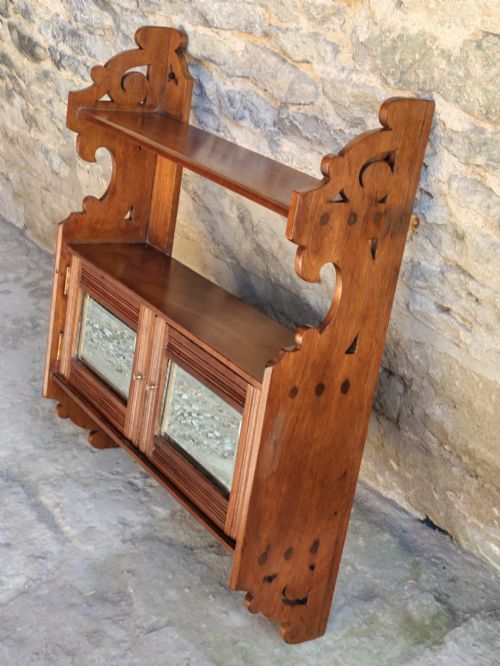

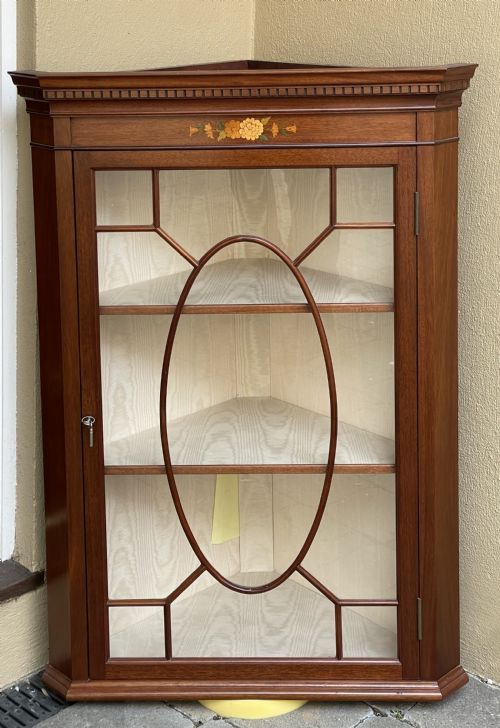


Brown Glazed Wall Cupboard
A brown glazed wall cupboard brings practical storage and display to a room, offering timber construction with glass panelling for an interior.
Brown Glazed Wall Cupboard
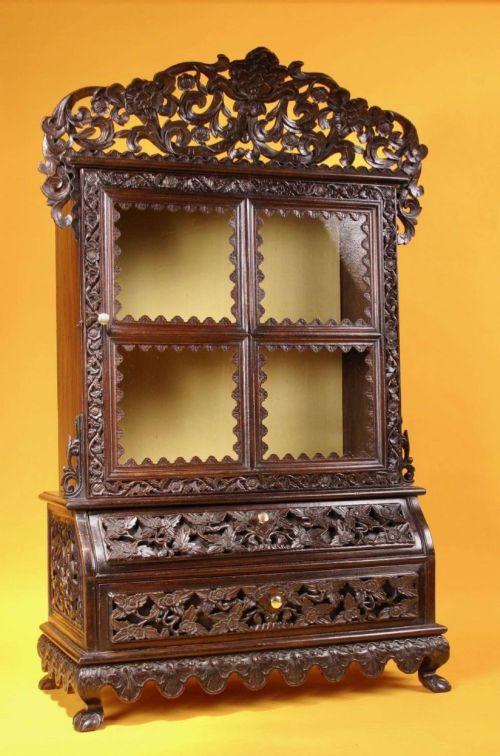
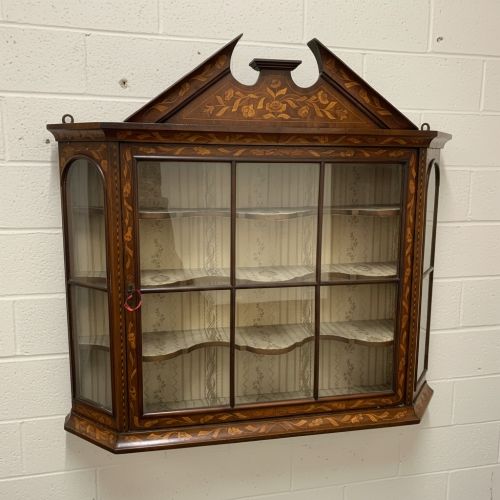
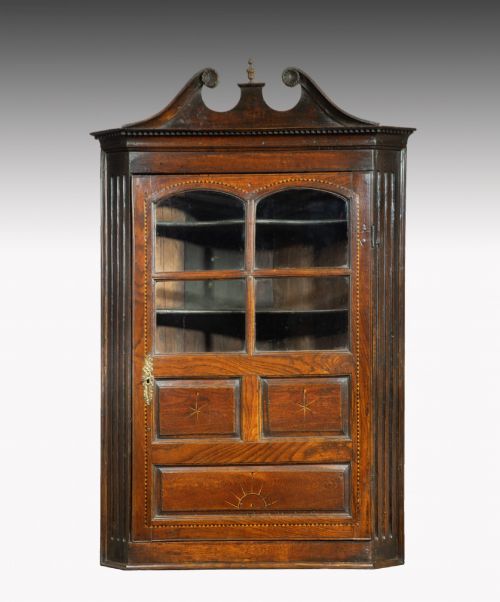
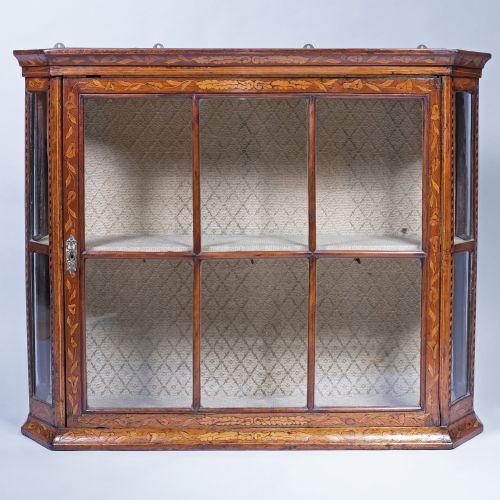
A brown glazed wall cupboard is typically found as a corner cabinet or hanging display piece designed to utilise vertical wall space in domestic interiors. These items appear across periods including the Georgian and Victorian eras, taking forms such as bow front cupboards and small hanging cabinets.
Buyers seeking a brown glazed wall cupboard will encounter formats ranging from simple oak storage units to intricate marquetry-inlaid designs. These cabinets serve both utilitarian storage needs and the presentation of glassware or small decorative objects.
Materials and construction
The construction relies heavily on traditional hardwoods such as mahogany, oak and walnut, chosen for their structural stability and rich natural grain. Marquetry inlay and brass hardware appear frequently on finer examples, adding decorative contrast to the timber surfaces.
Glass panels are fitted into wooden doors to allow visibility of the interior, whilst hinged brass mechanisms secure the doors shut. Joinery techniques vary from simple pegged construction in earlier oak pieces to more refined cabinetmaking in later mahogany and walnut items.
Listings span from the 18th century through the Georgian, Victorian, and Edwardian periods up to the 1960s.
Distinctions in quality
Quality in these cabinets is determined by the selection of timber figures and the precision of the joinery used in the frame and door assembly. Pieces featuring detailed marquetry inlay or sophisticated bow front shapes generally represent higher levels of cabinetmaker skill.
The choice of secondary woods, the finish applied to the exterior surfaces, and the integrity of the original glass and brass fittings also differentiate standard utilitarian cupboards from more ambitious decorative works.
The Brown Glazed Wall Cupboard Glossary
- Bow front
- A convex curved cabinet front that projects outward, commonly seen on Regency and Victorian examples. This curved shape requires precise woodworking to ensure the doors close properly against the frame.
- Corner cabinet
- A storage piece specifically designed to fit neatly into the corner of a room to save floor space. These units often feature triangular shelving inside to maximise storage capacity.
- Marquetry
- Decorative veneer work arranged in geometric or floral patterns using various coloured woods. This technique is often seen on 18th century pieces to create elaborate exterior surfaces.
- Glazed
- Fitted with glass panes to enclose the cabinet whilst allowing items inside to be viewed. This feature distinguishes display cabinets from solid door cupboards.
- Hanging cabinet
- A wall-mounted storage unit designed to be fixed above floor level rather than resting on the ground. These pieces usually include mounting brackets or sturdy backboards for secure attachment.
Brown Glazed Wall Cupboard: Frequently Asked Questions
Where should I hang my cabinet?
These wall-mounted pieces suit empty wall spaces, kitchens, or corners where floor area is limited.
Ensure the wall structure can support the weight of the timber and glass before fixing the unit securely.
How do I date an antique cupboard?
Dating relies on examining the timber species, construction methods, and hardware styles characteristic of periods like the Georgian or Victorian eras.
Changes in hinge types and secondary wood usage also provide clues to the approximate decade of manufacture.
Can these hold heavy items?
Interior shelves are generally designed for displaying glassware, ceramics, or books rather than heavy loads.
Distributed weight prevents strain on the timber shelving and internal supports over time.
Are keys usually included?
Some period cupboards retain working locks and original keys, whilst others operate with modern latches or replacement hardware.
Checking individual descriptions clarifies whether a functioning key accompanies the locking mechanism.