




Glazed Earthenware Statue
These glazed earthenware statue pieces span centuries of moulded and hand-sculpted ceramic figures, bringing tactile colour and character to interior displays.
Glazed Earthenware Statue
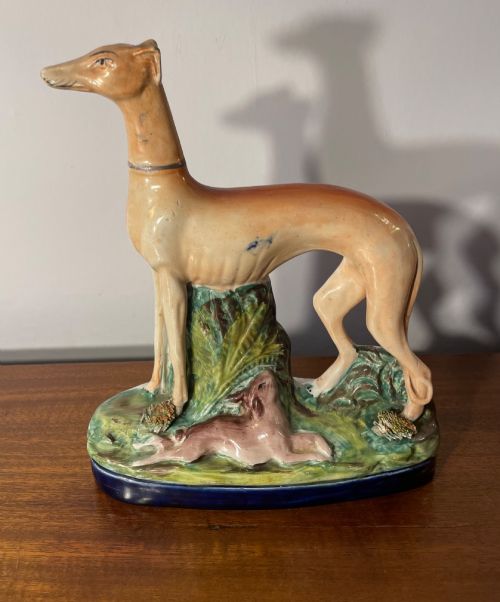
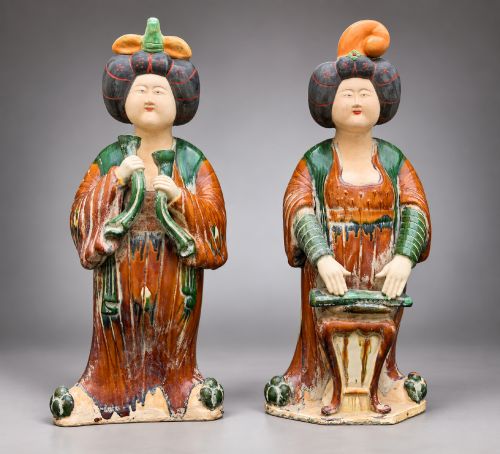
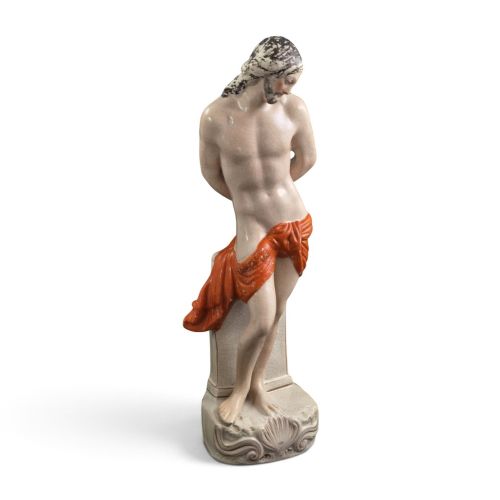
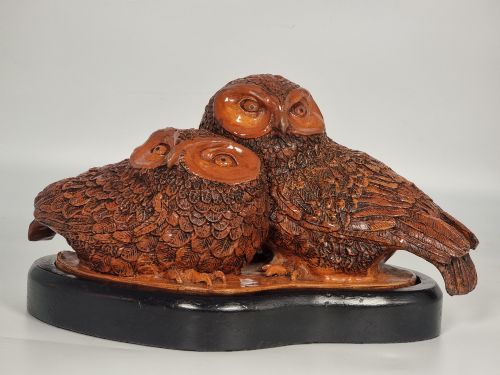
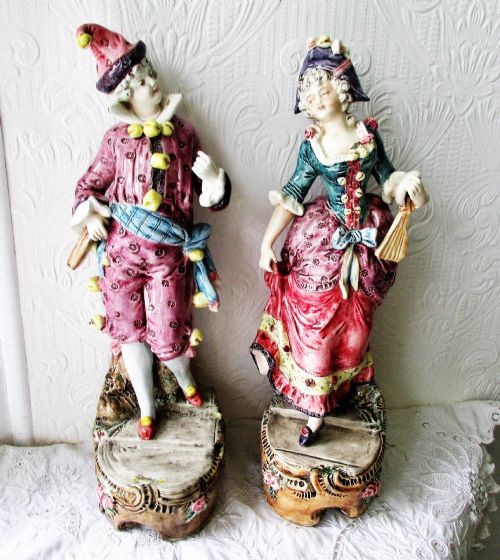
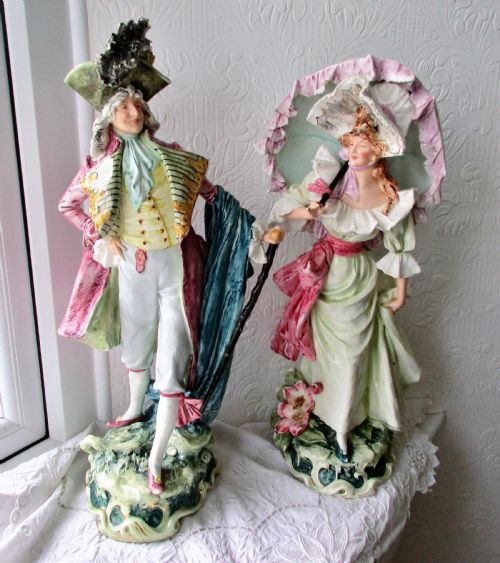
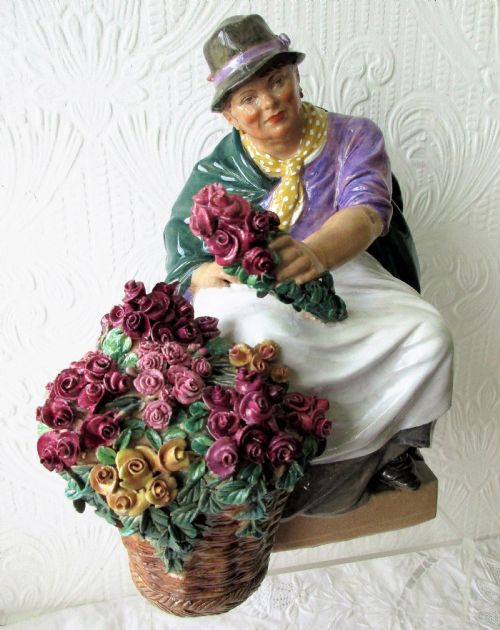
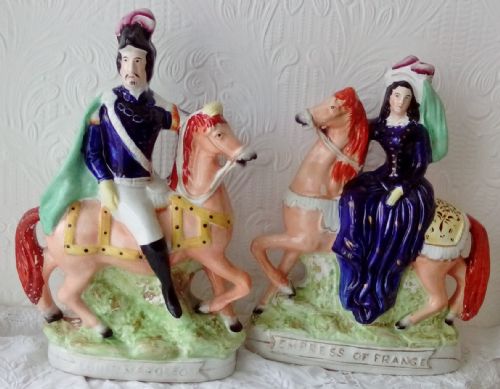
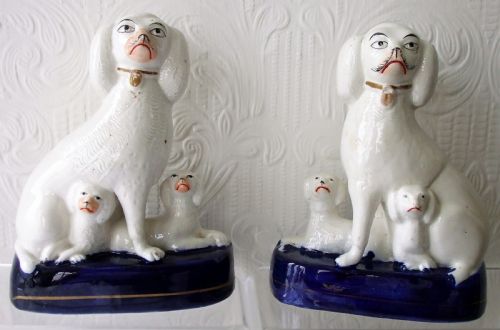
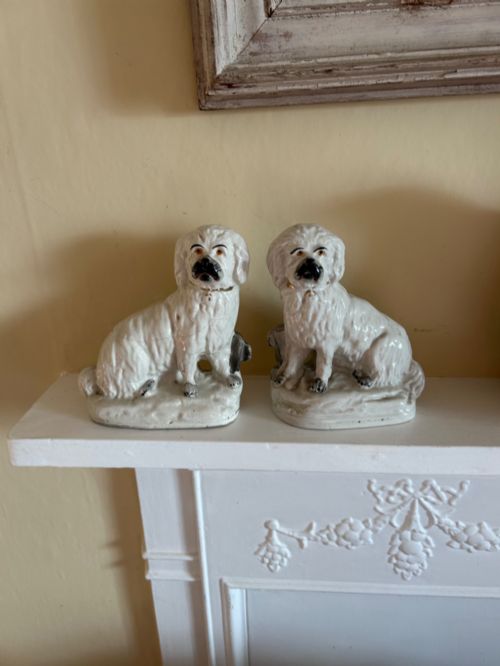
A glazed earthenware statue represents human figures, animals, and historical or mythological subjects modelled in clay and finished with liquid vitreous coatings. You encounter numerous Victorian Staffordshire portrait groups, poodles, and lions alongside Dutch Delftware animals and Chinese Tang Dynasty style sancai glazed pottery.
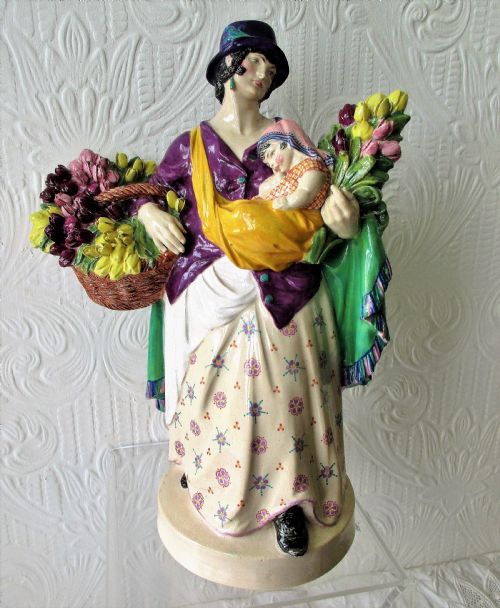
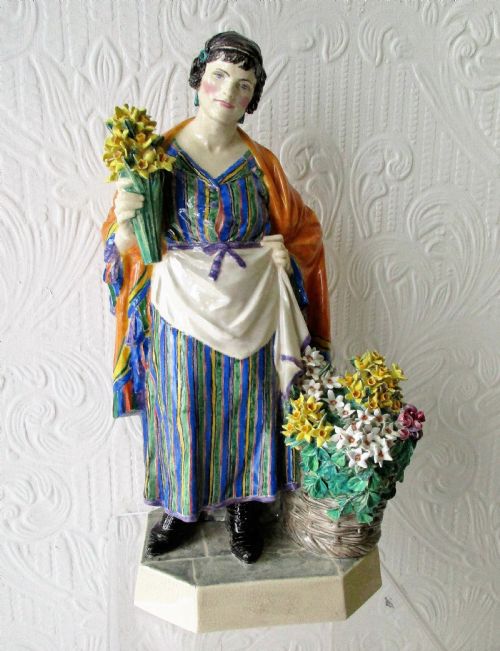
The selection ranges from utilitarian ceramic figures and bookends to sculptural pairs of greyhounds and musicians. Maker-marked studio pottery and French faience figurines appear alongside English earthenware busts and Italian majolica works.
How they were made
Potters shaped the base bodies from earthenware and terracotta clay, often utilising press moulds or hand-sculpting techniques before initial kiln firing. Artisans then applied lead glazes, enamel colours, or tin-opacified tin glazes to create the glossy surface sheen.
Pigments were either painted directly onto the raw body or over the fired glaze layer before a secondary low-temperature kiln firing fixed the palette. This method produced the characteristic crackle, pooling, and rich polychrome depth seen across the ceramic surface.
Victorian Staffordshire poodles were often textured using crushed porcelain or ceramic slip applied with a comb to mimic curly fur.
What varies in quality
The artistic fidelity of the modelling distinguishes standard production figures from superior studio works or finely painted portrait groups. Strong provenance, identifiable maker attributions, and intact original painted surfaces elevate the standing of individual pieces.
Charles Vyse·Wedgwood And Co Ltd·Ralph Wood·George Kemper
The Glazed Earthenware Statue Glossary
- Earthenware
- Porous ceramic pottery fired at relatively low temperatures. It requires a glazed surface to become completely watertight.
- Sancai
- A traditional three-colour Chinese lead glaze technique. It typically combines amber, green, and creamy white tones on pottery figures.
- Majolica
- Pottery decorated with opaque tin glazes and fired with metallic oxide colours. The technique yields bright, saturated polychrome hues.
Glazed Earthenware Statue: Frequently Asked Questions
Are these figures waterproof?
Most glazed earthenware pieces are not completely waterproof due to the porous nature of the underlying clay body. While the glaze protects the exterior, unglazed bases can absorb moisture if placed on damp surfaces.
Items designed specifically as vessels, such as candlesticks or incense holders, handle their intended function safely. However, avoid using solid ceramic figures as permanent flower vases unless tested for internal glazing integrity.
How do I spot reproduction pieces?
Examine the base and underside for signs of age, including natural kiln wear, kiln dust, and stable crazing patterns. Modern reproductions often feature overly uniform surfaces, bright chemical paints, and artificial distressing that lacks the subtle graduation of genuine antique enamel.
Weight, clay colouration, and manufacturing marks provide further clues to authenticity. Compare the potting style and glaze consistency with established period examples to confirm the date.
Where should I display my figures?
Position ceramic figures away from direct sunlight to prevent the gradual fading of hand-painted enamel colours. Stable shelf environments protected from heavy vibrations and accidental bumps ensure the safety of fragile glazed extremities.
Pairing matching groups together, such as mantle dogs or animal bookends, creates a balanced visual display. Ensure adequate lighting that highlights the glossy sheen and colour variations of the lead glaze.