

Antique Royal Figurines
These antique royal figurines capture sovereign dignity and classic character through porcelain, bone china, and earthenware modelling spanning the Victorian era to the 1940s.
Antique Royal Figurines
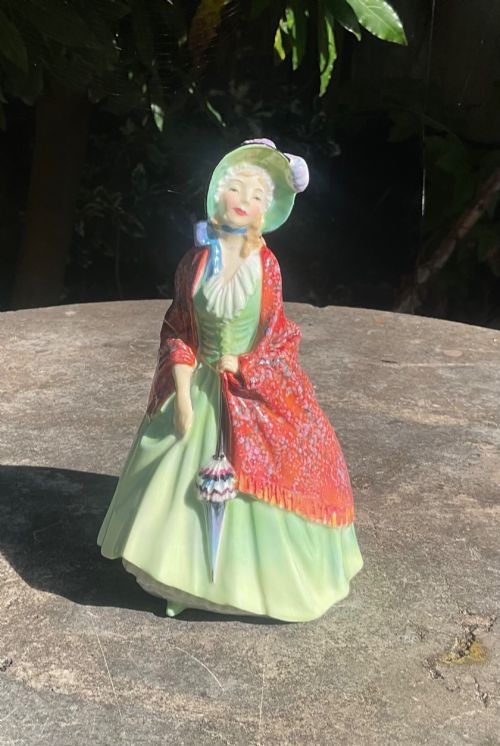
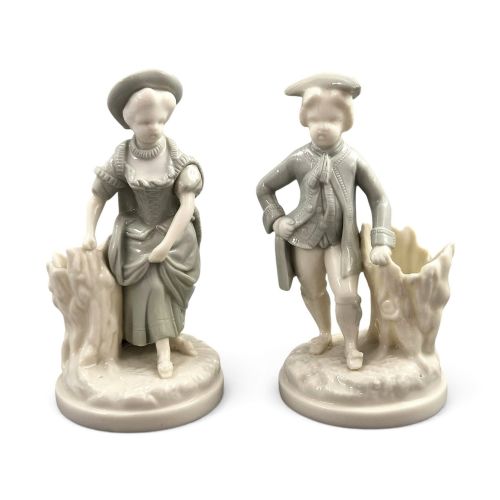
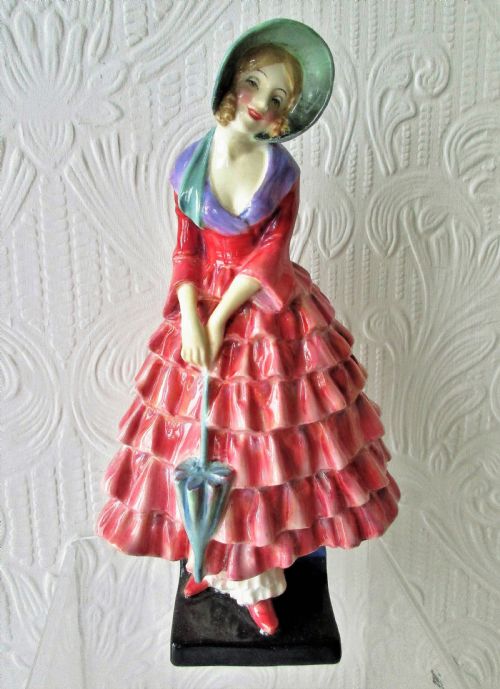
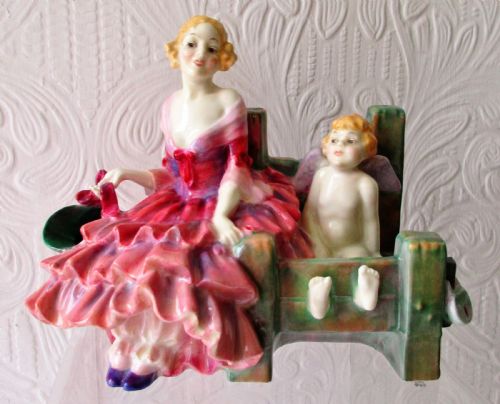
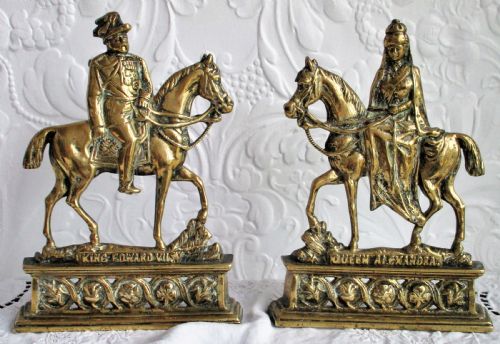
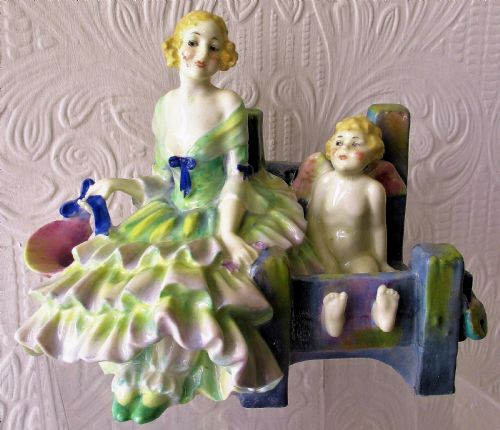
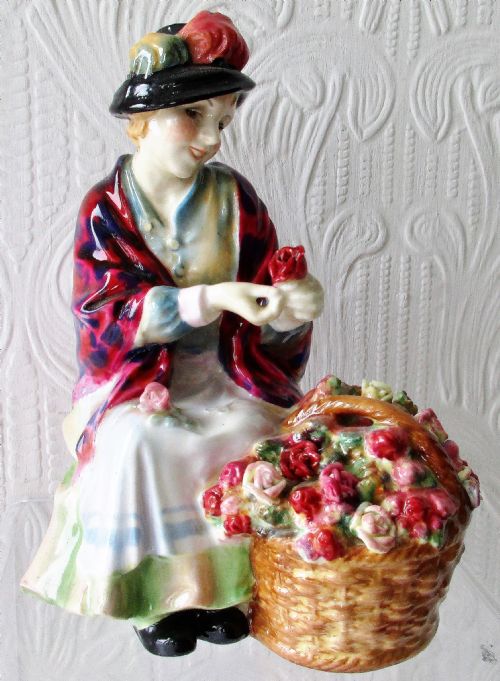
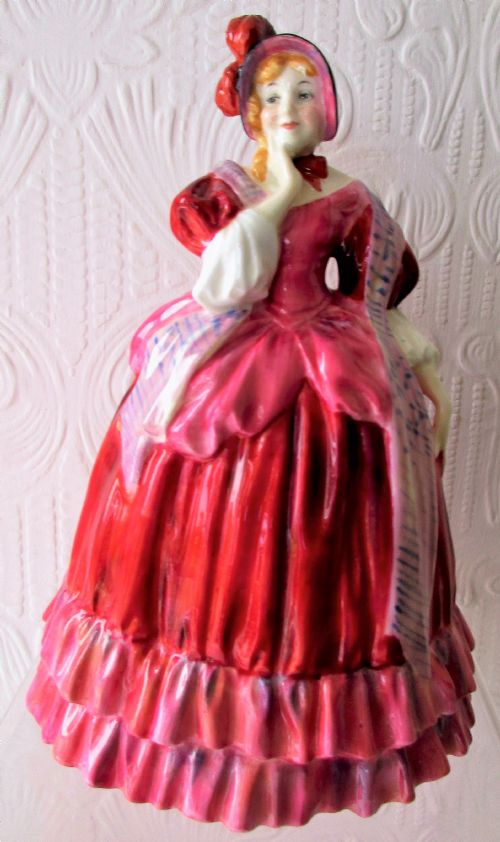
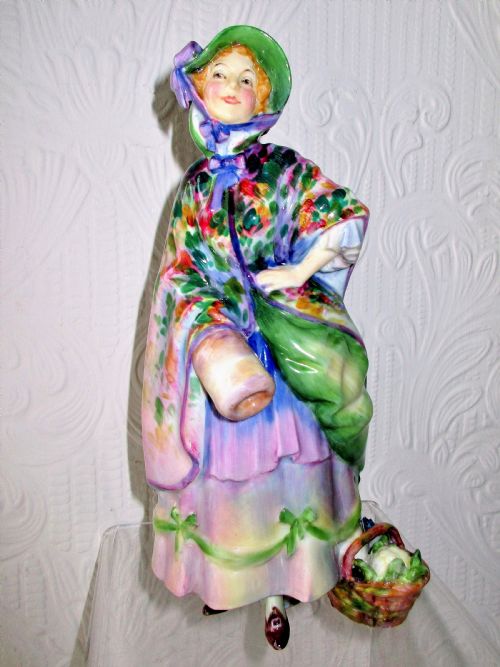
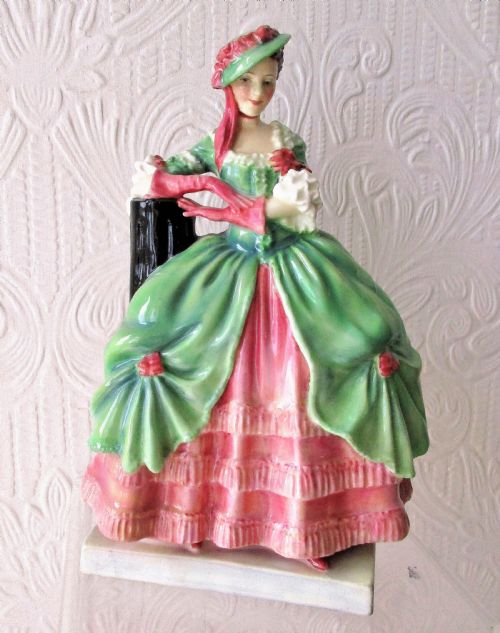
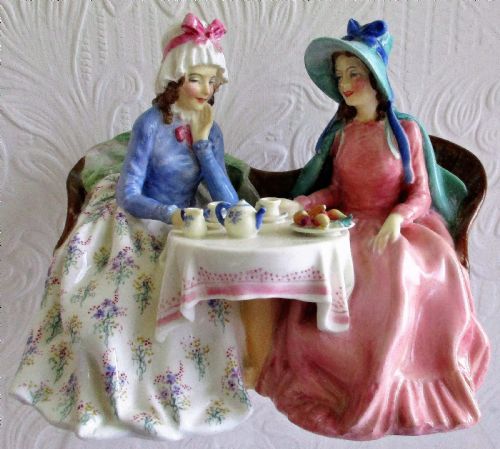
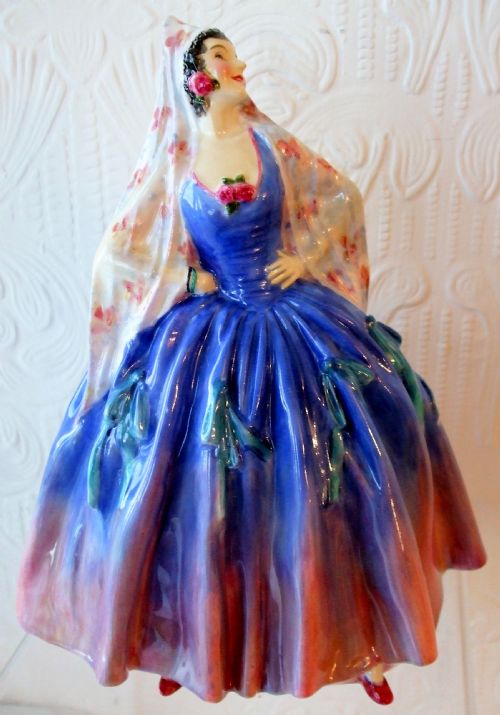
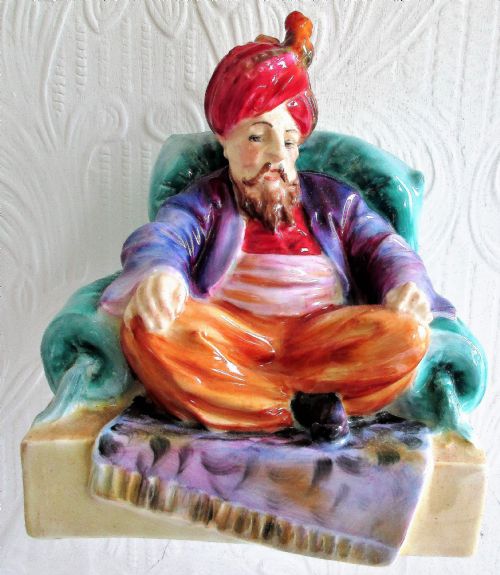
When searching for antique royal figurines, collectors encounter a diverse selection of sculptural porcelain, earthenware, and ceramic portrait groups. The pieces range from Victorian Staffordshire depictions of monarchs to delicate bone china ladies and character studies produced by prominent factories.
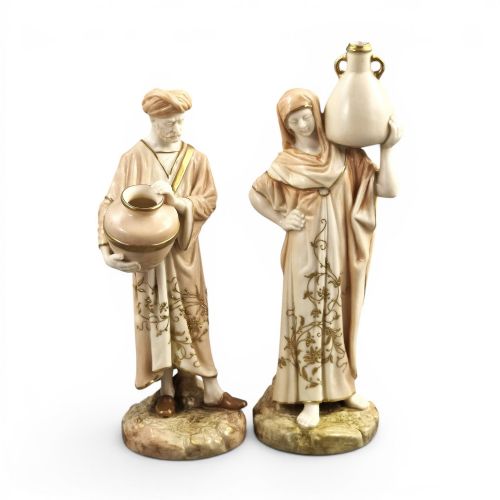
Most examples found on this page hail from the Victorian and Edwardian periods up through the 1930s and 1940s. Formats vary widely from monumental figures and water carriers to salt cellars and candle snuffers, reflecting both domestic decorative tastes and commemorative portraiture.
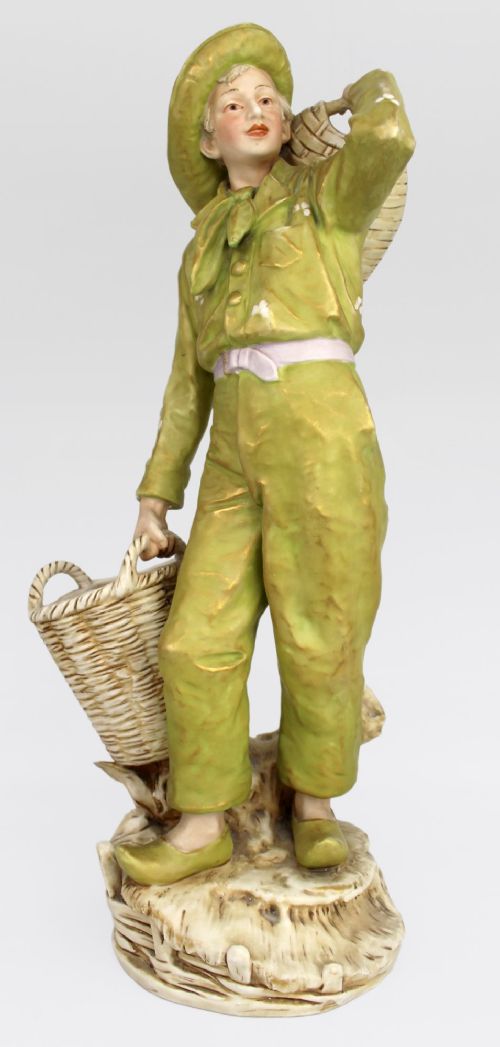
Makers such as Royal Doulton, Royal Worcester, and Royal Dux dominate the selection, bringing distinct regional modelling traditions to the category. Buyers will frequently meet painted porcelain ladies alongside historical personages and allegorical subjects created in these renowned workshops.
Materials and methods of manufacture
Specific works incorporate blush ivory finishes, shot enamels, and carved wood or bronze casting. Painted details and sculptural reliefs required careful kiln firing, allowing factories like Royal Worcester and Royal Dux to achieve enduring surface durability and fine detail.
Listings feature works spanning the 18th century to the 1940s, utilising porcelain, earthenware, bronze, and carved wood.
Distinctions in quality and execution
Quality in these figures rests upon the crispness of the modelling and the precision of the hand-painted enamel work. Superior examples display subtle facial expressions, delicate hand-brushing, and well-preserved gilt accents without loss or heavy wear.
Early year production versions and signed artist models generally represent the higher tier of manufacture. The refinement of the clay body and the sophistication of the glaze application further separate ordinary decorative items from exceptional sculptural works.
Royal Doulton·Royal Worcester·Royal Dux Bohemia·Royal Crown Derby·Royal Copenhagen
The Antique Royal Figurines Glossary
- Bisque
- Unglazed ceramic porcelain that has been fired once, prized for its matte finish and ability to show fine sculptural detail. It is frequently seen in nineteenth-century portrait busts.
- Bone china
- A type of soft-paste porcelain incorporating animal bone ash, resulting in a high degree of whiteness and translucency. This material allowed makers to cast thin, elegant limbs on figurines.
- Flatback
- A style of ceramic figure where the reverse is unglazed or only partially finished because the piece was intended to stand against a wall on a mantelpiece. Staffordshire potters used this method extensively.
- Blush ivory
- A specialist soft cream-coloured porcelain body developed by Royal Worcester featuring peach and gold tints over a matte ground. It became a signature aesthetic of the late Victorian era.
- Shot enamel
- A sophisticated glazing technique that produces a changeable, shimmering colour effect across the surface of a porcelain figure. It requires precise chemical control during high-temperature firing.
Antique Royal Figurines: Frequently Asked Questions
What periods do these figurines date from?
The listings span from the nineteenth century through the Edwardian era up to the 1930s and 1940s. Victorian Staffordshire and late Victorian Worcester pieces form a significant portion of the early dates.
Later examples include Art Deco era bone china ladies and twentieth-century continental porcelain figures. Each era brings distinct clothing styles and manufacturing techniques to the category.
How were figural salts and chimney ornaments used?
Figural salts served functional roles on formal dining tables, holding seasonings within small ceramic or metal basins attached to sculptural bases. They combined domestic utility with decorative display.
Chimney ornaments, such as pairs of Staffordshire royals, were placed on mantelpieces to warm a room visually and display political loyalty or aesthetic taste. They acted as permanent interior fixtures in nineteenth-century homes.
How do I distinguish Victorian pieces from later ones?
Victorian pieces often feature earthenware bodies, heavier hand-painting, and commemorative subjects like Queen Victoria or Prince Albert. Flatback constructions and rich cobalt blue glazes are common indicators.
Later twentieth-century pieces, such as those from the 1930s, typically utilise refined bone china and carry specific model numbers or factory marks like HN codes. The clothing styles and glaze textures also reflect changing twentieth-century tastes.
Where should I display antique figurines at home?
These figures suit stable, enclosed shelving or mantelpieces away from direct sunlight and high traffic areas. Their detailed glazes and painted surfaces show best against neutral backgrounds.
Pairing matching figures, such as bookends or companion portrait groups, creates balanced focal points on sideboards and display cabinets. Adequate lighting helps reveal the subtle enamel work and moulded textures.