
Glazed Earthenware Pottery
When you handle glazed earthenware pottery, you hold centuries of domestic craft and painterly ambition in your hands.
Glazed Earthenware Pottery
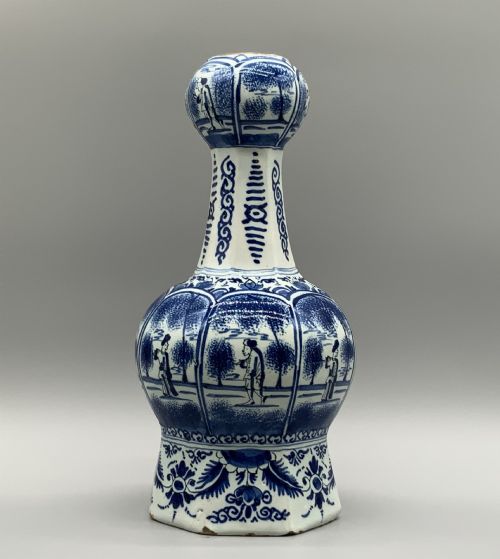
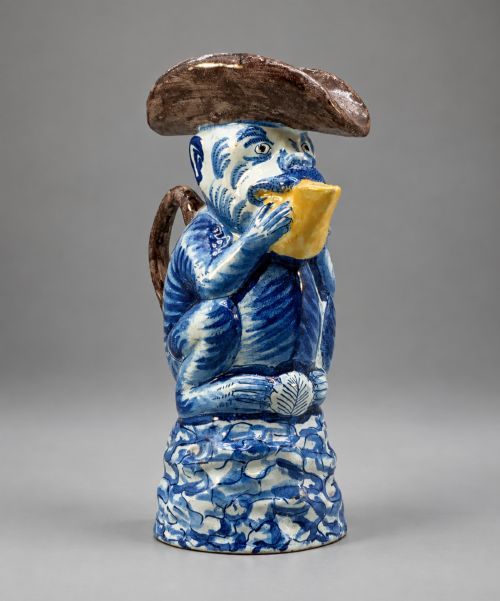
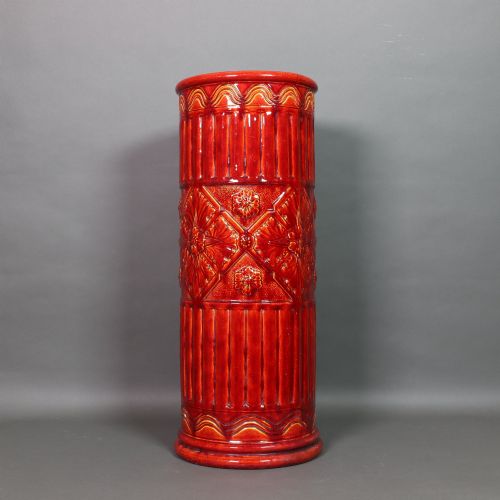
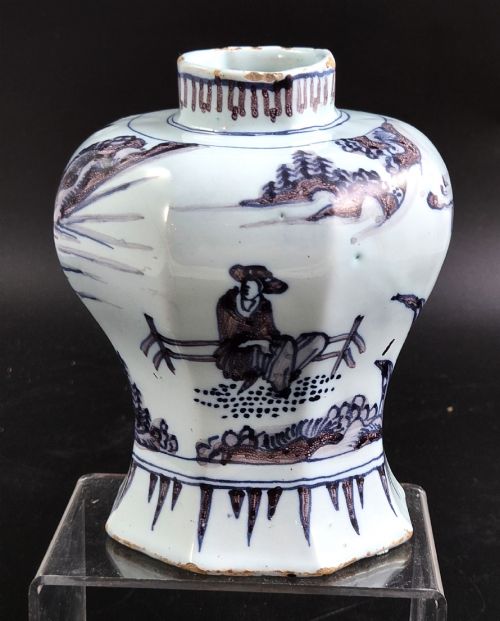
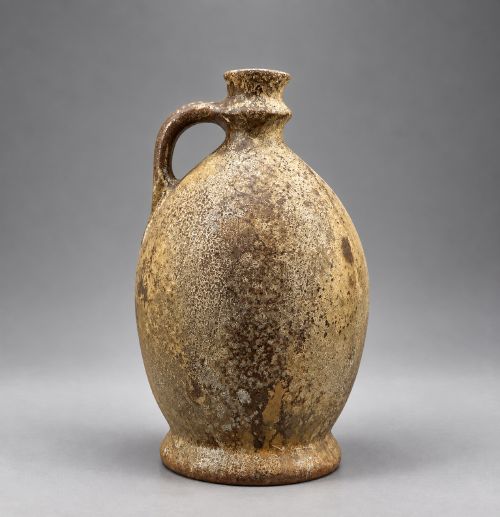
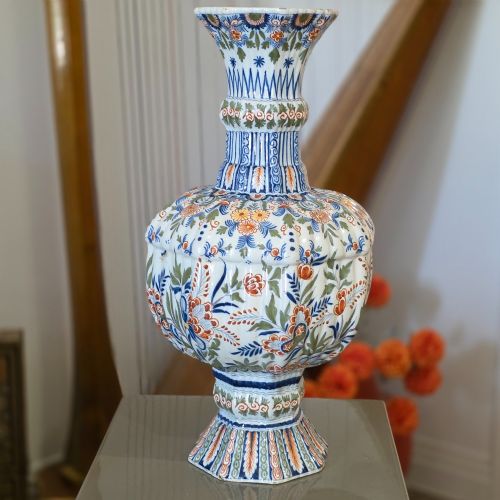
Glazed earthenware pottery encompasses a diverse selection of vessels, figures, and tiles spanning from the seventeenth century through the Art Deco era. Buyers encounter utilitarian dairy bowls, French confit pots, and heavy Italian wine jars alongside decorative chargers, Sunderland lustre jugs, and Delft bough pots.
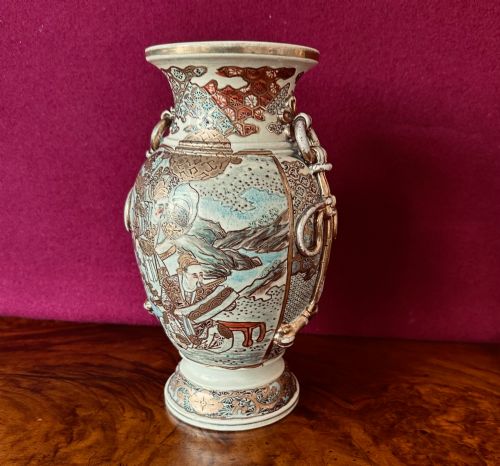
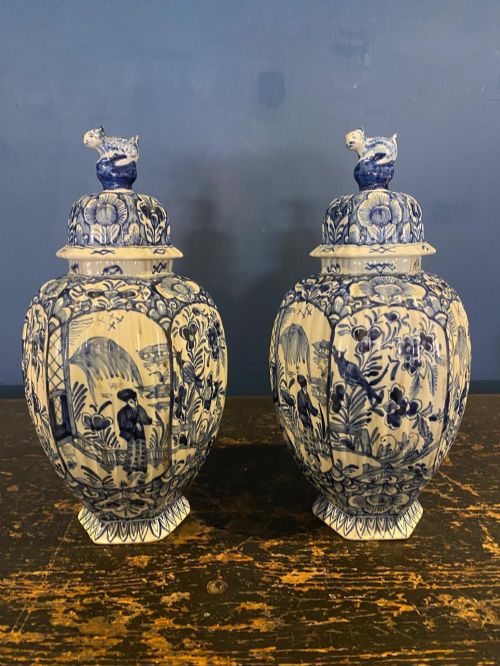
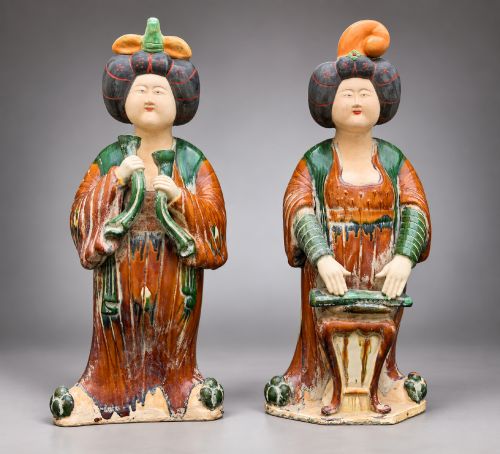
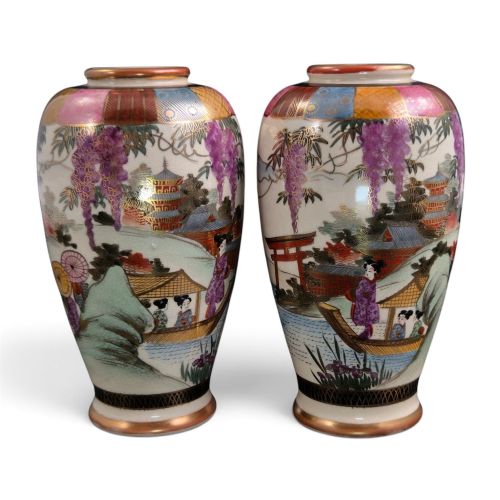
The selection ranges widely across European and Asian traditions, featuring Staffordshire figures, Dutch blue and white ceramics, and Japanese Satsuma vases. Pieces serve both decorative and functional roles, from apothecary jars and puzzle jugs to cabinet vases and architectural tiles.
How they were made
Makers shaped porous clay bodies on the potter's wheel or formed them in moulds before applying specialised surface treatments. Tin glaze, metallic lustre, and colourful enamel pigments provided both colour and a protective vitreous seal over the earthen fabric.
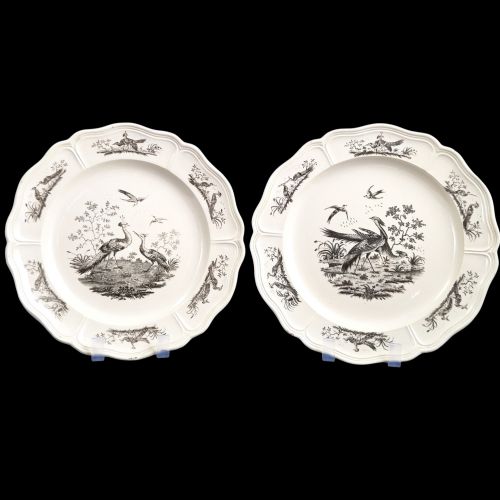
Firing techniques varied from simple earthenware kilns to sophisticated multi-stage processes required for majolica and lustreware. Artisans utilised hand-painted underglaze designs, transfer printing, and relief moulding to achieve rich surface textures and intricate pictorial scenes.
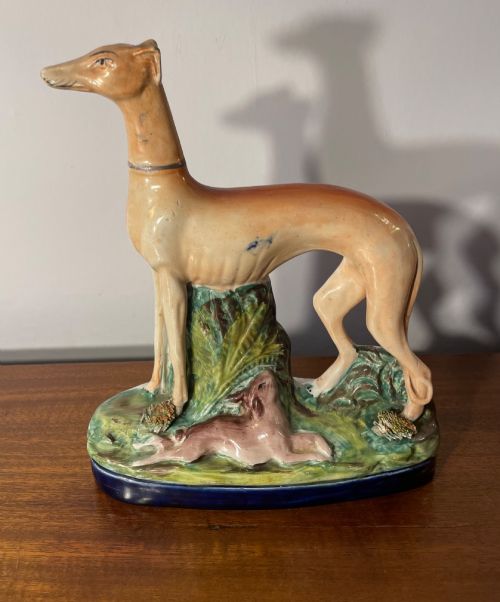
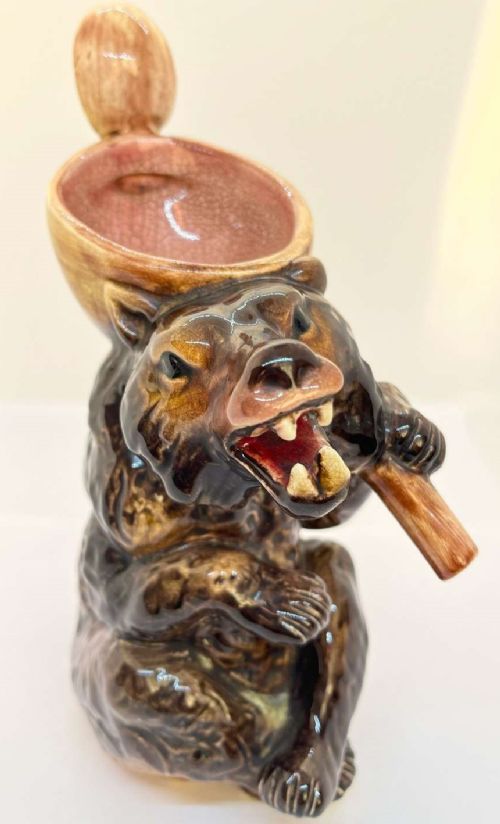
Some nineteenth-century Staffordshire figures depict earnest domestic animals, including ceramic owls and cream-glazed lion jelly moulds.
What varies in quality
Quality rests in the crispness of the modelled form and the confidence of the hand-painted or transfer-printed decoration. Finer examples display meticulous control over glaze application, avoiding pooling, crawling, or unintended discolouration during the kiln firing.
The reputation of the pottery or studio, combined with the precision of historical details such as armorial crests or named topographical scenes, elevates certain pieces. Well-preserved surfaces retain their original gloss and lustre sheen without heavy rubbing or restoration.
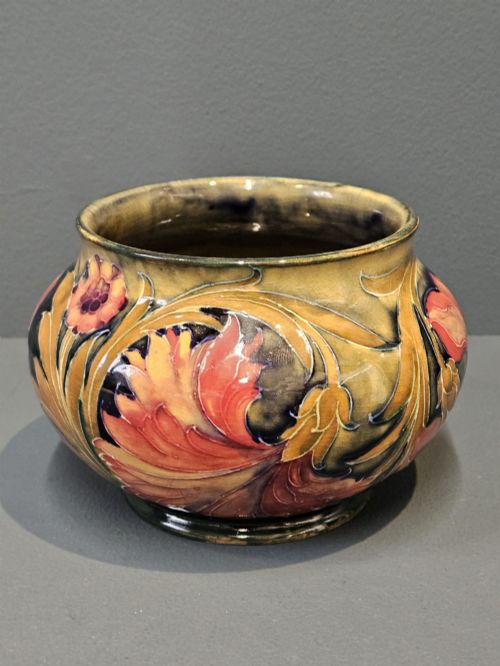
Cantagalli Florence·Fourmaintraux Courquin·Moorcroft·Seaton Pottery·Wedgwood
The Glazed Earthenware Pottery Glossary
- Earthenware
- Porous pottery fired at relatively low temperatures that requires a vitreous glaze to hold liquids. It forms the structural base for majolica, delftware, and creamware.
- Tin Glaze
- An opaque white glaze containing tin oxide that provides a smooth, blank surface for painted decoration. It is characteristic of European delftware and faience.
- Lustreware
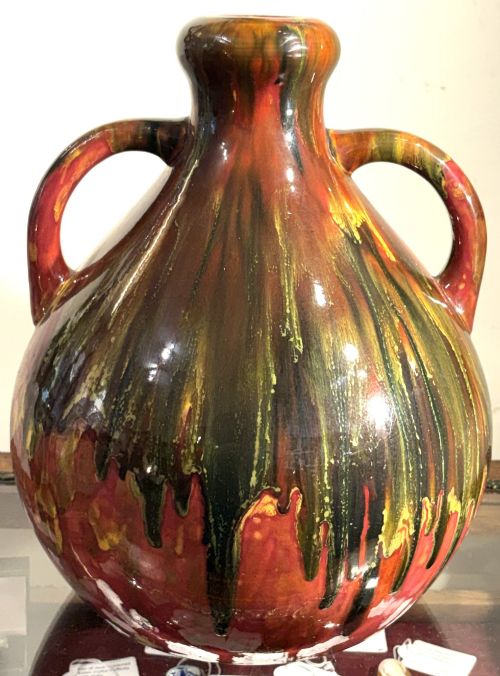
- Pottery decorated with a metallic film that produces an iridescent sheen when fired in a reducing atmosphere. Sunderland jugs frequently utilise pink splash and copper lustre effects.
- Charger
- A large decorative plate intended for display on a wall or sideboard rather than for table service. Seventeenth and eighteenth-century examples often feature bold hand-painted motifs.
Glazed Earthenware Pottery: Frequently Asked Questions
Were lustre jugs used daily?
Sunderland and pink lustre jugs served primarily as commemorative or display items for maritime and fraternal communities rather than everyday tableware.
Their metallic finishes were vulnerable to heavy kitchen use, which is why many survive in cabinet condition.
What is the difference between delft and majolica?
Dutch delft utilises a tin glaze primarily painted in blue and white to emulate imported Chinese porcelain.
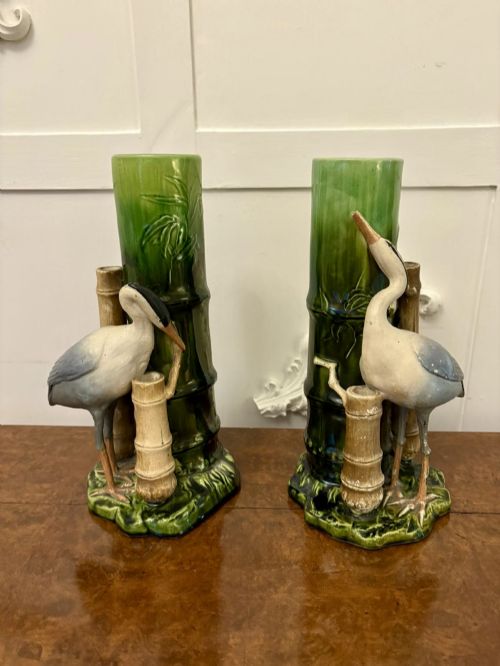
Majolica employs colourful metallic and tin glazes over relief-moulded earthenware bodies, developed through Italian Renaissance and later Victorian revival traditions.
Can I use antique jugs for flowers?
Many historic jugs and pitchers held liquids originally, but hairline cracks or degraded interior glazes can cause water to seep through porous earthenware bodies.
Place a modern glass liner inside the vessel if you wish to display fresh flowers without risking moisture damage.