
Glazed Door Library Cabinet
A glazed door library cabinet organises volumes behind clear panes, bringing order and presence to a room.
Glazed Door Library Cabinet
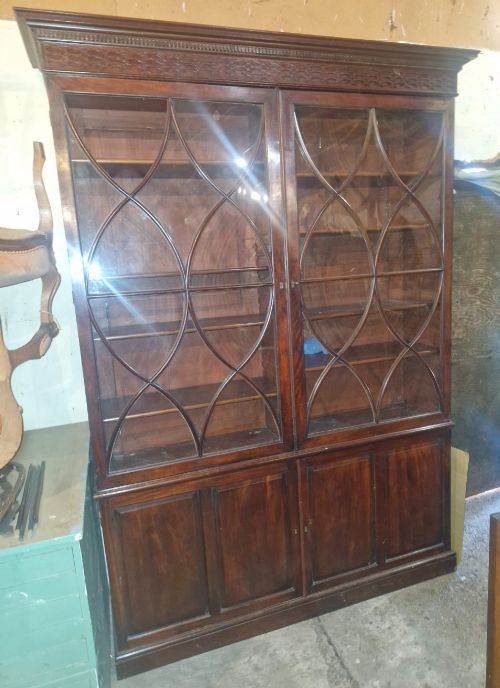
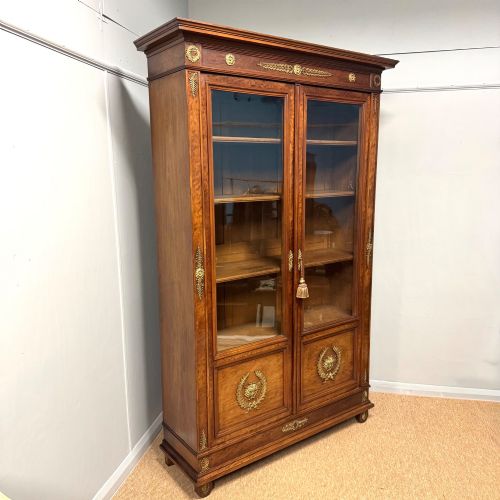
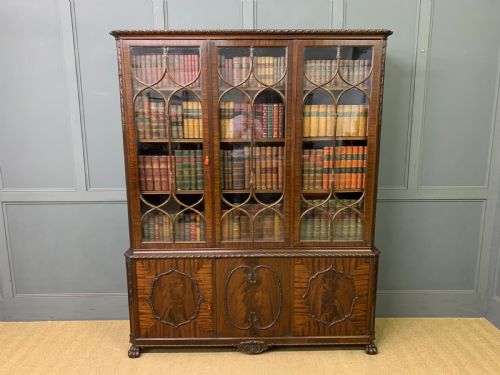
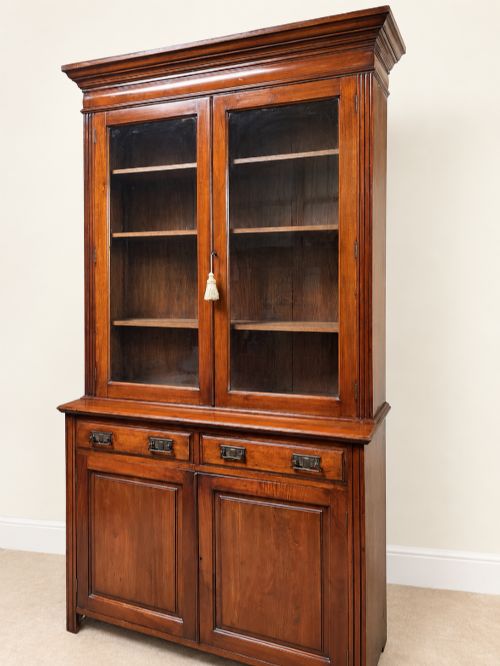
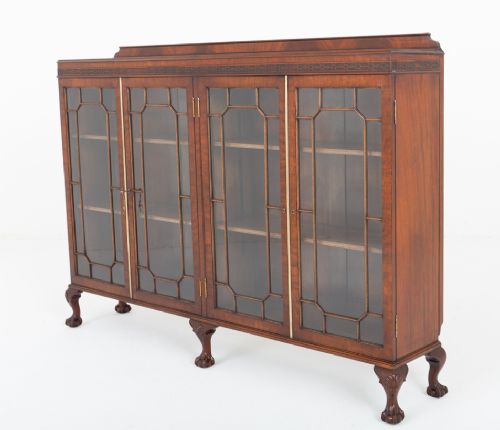
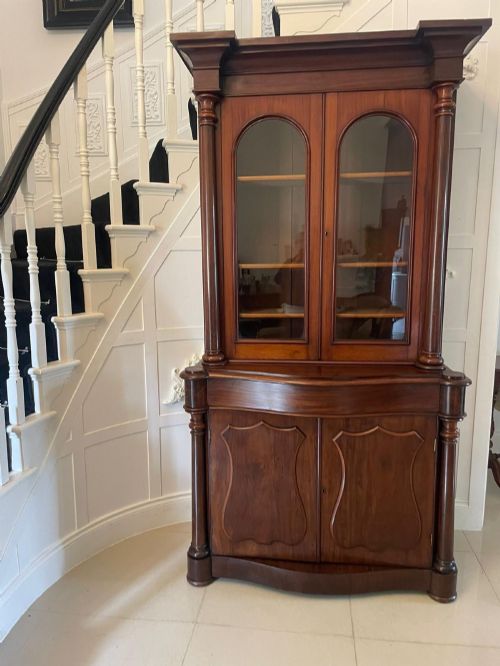
A glazed door library cabinet provides tall, shelved storage for books while protecting the paper and bindings from dust behind glass doors. These pieces span the nineteenth century and the Edwardian era, taking the form of bookcases, breakfronts, and cabinets with adjustable shelving.
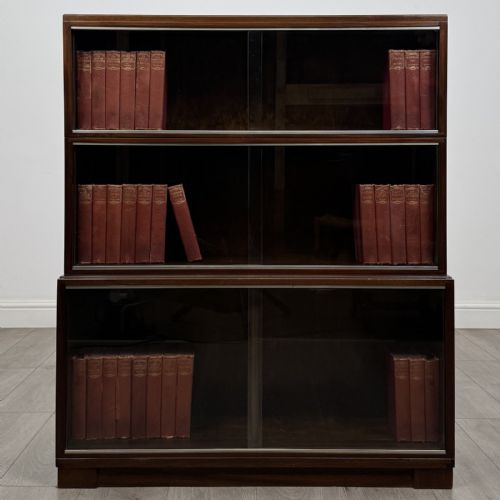
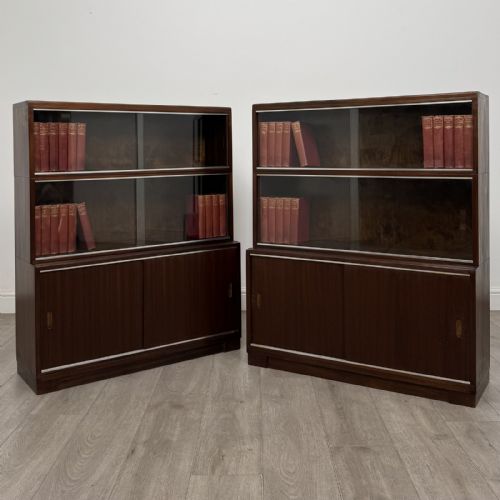
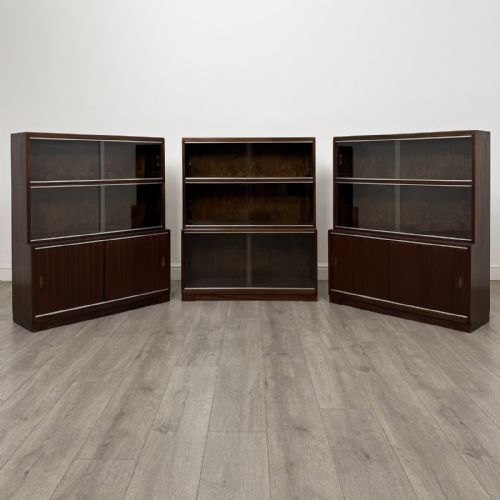
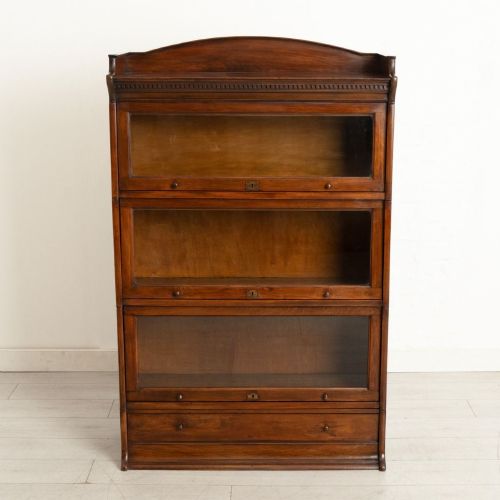
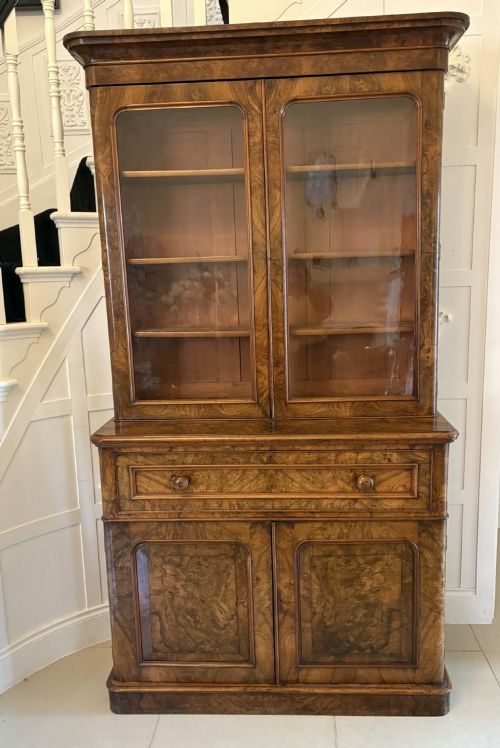
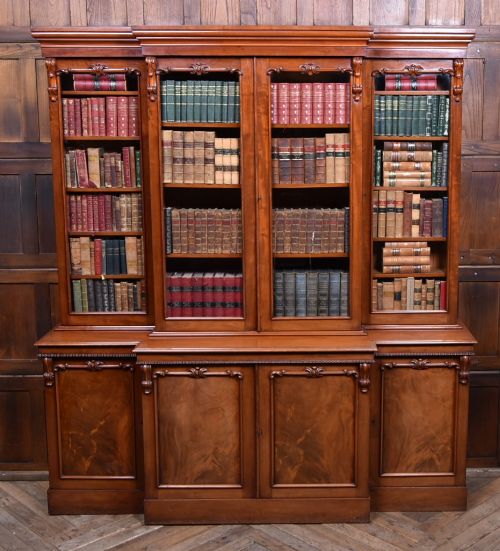
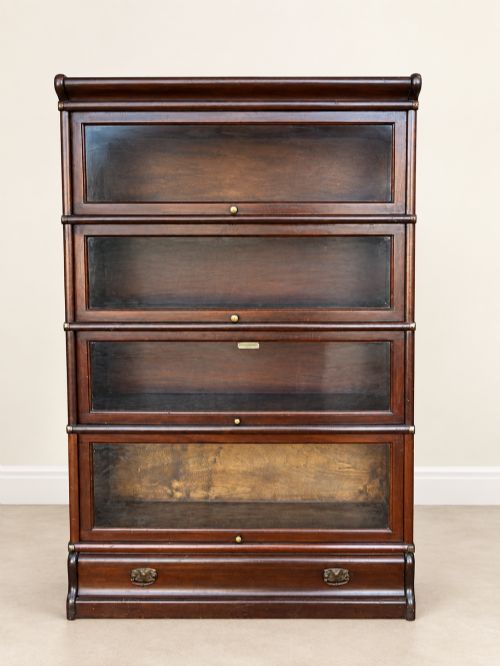
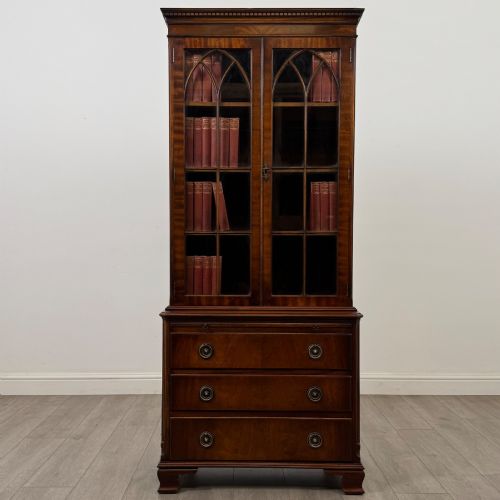
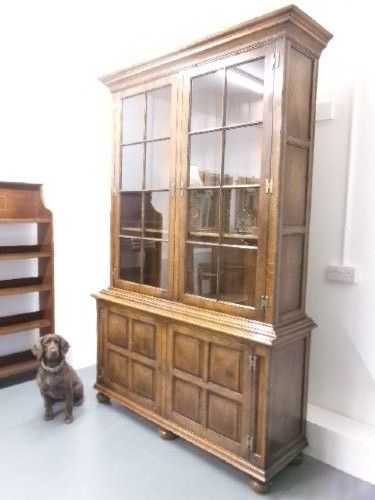
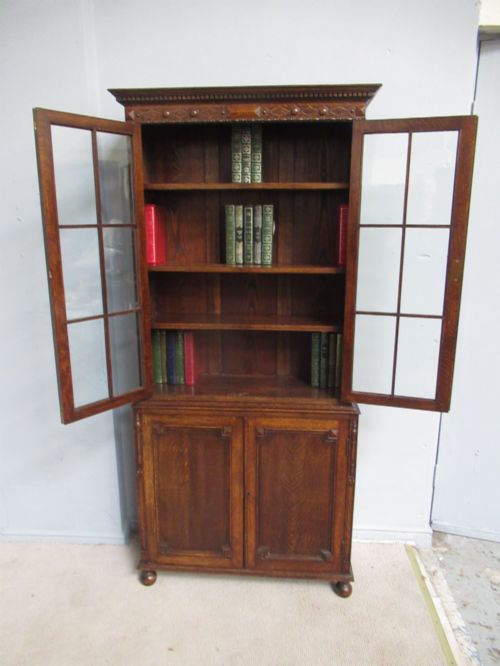
The most common examples on this page are Victorian mahogany and walnut bookcases, often built with two or three doors and fitted with glazed upper sections above lower wooden cupboards. Pieces range from large triple library cabinets down to slim or stacking barrister variants.
Makers such as Wylie and Lochhead contributed to these forms alongside unmarked workshop pieces in oak, pine, and flame mahogany veneer. Styles shift from Regency and William IV grandeur to simpler early twentieth-century oak office and school formats.
How they were made
Carpenters constructed the primary carcasses of these cabinets in solid mahogany, oak, and walnut, frequently applying figured mahogany veneers, flame mahogany, burr walnut, amboyna, or gonçalo alves to the principal surfaces. Secondary woods lined the interiors and backs.
Glass panes were set into wooden astragal bars or brass frames to form the doors, while brass hardware secured the closures and allowed shelving heights to adjust. French polishing or wax finishes sealed the timber, and some pieces incorporated painted finishes or ebony stringing.
Pine knockdown versions allowed nineteenth-century owners to dismantle their heavy bookcases for easier relocation.
What varies in quality
The choice of timber defines the grade of a piece, moving from standard utility oak or pine to highly figured mahogany, burr walnut, gonçalo alves, and amboyna veneers. Cabinet-making finesse shows in the precision of the glazed astragal bars, the alignment of breakfront sections, and the inclusion of ormolu mounts.
Structural complexity and scale separate everyday storage from grand pieces, such as large breakfront triple cabinets or signed examples by makers like Wylie and Lochhead. The execution of fine details, including adjustable shelving mechanisms and fitted lower cupboards, elevates the standard of construction.
Wylie and Lochhead
The Glazed Door Library Cabinet Glossary
- Breakfront
- A cabinet design where the central section projects forward from the flanking wings. This format created visual depth in larger nineteenth-century libraries.
- Astragal
- A small moulding profile used to divide panes of glass within a glazed door. These wooden bars form geometric grids across the front.
- Gonçalo Alves
- A dense exotic hardwood with striking figuring, sometimes called zebrawood. It appears in high-status Victorian cabinet work.
- Flame Mahogany Veneer
- A sliced timber sheet displaying a flamelike grain pattern. Cabinet makers applied it to drawer fronts and door panels for visual movement.
Glazed Door Library Cabinet: Frequently Asked Questions
What are glazed door library cabinets?
These pieces are tall storage furniture items designed to hold books and display objects behind glass panes. They combine upper shelving with lower enclosed cupboards in many instances.
Cabinets appear in woods like mahogany, oak, and walnut, reflecting Victorian, Edwardian, and Regency aesthetic traditions.
How were these cabinets used?
Owners stored valuable book collections, documents, and display items inside to protect them from dust and handling. The glazed doors allowed titles to be read without opening the case.
Adjustable shelves accommodated books of varying heights, while lower wooden cupboards hid larger ledgers or household goods.
How do I live with one?
Place the cabinet against a stable interior wall away from direct sunlight to protect antique timber veneers and book bindings. Ensure the floor is level so the large glazed doors hang correctly.
Leave space in front for doors to swing open, and utilise adjustable interior shelves to fit your specific collection of books.
How do I tell periods apart?
Victorian and nineteenth-century pieces often use solid mahogany or figured walnut with heavy proportions and Gothic or classical revival details. Edwardian and 1920s examples tend to feature lighter oak constructions or stacking barrister designs.
Look for styling cues such as Regency cornices, William IV turning, or French Louis Philippe walnut veneering to date the timberwork.