




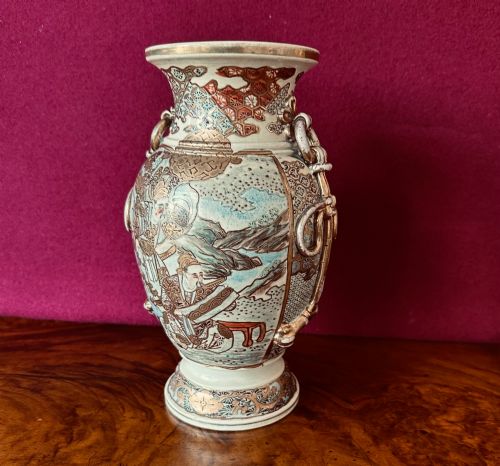
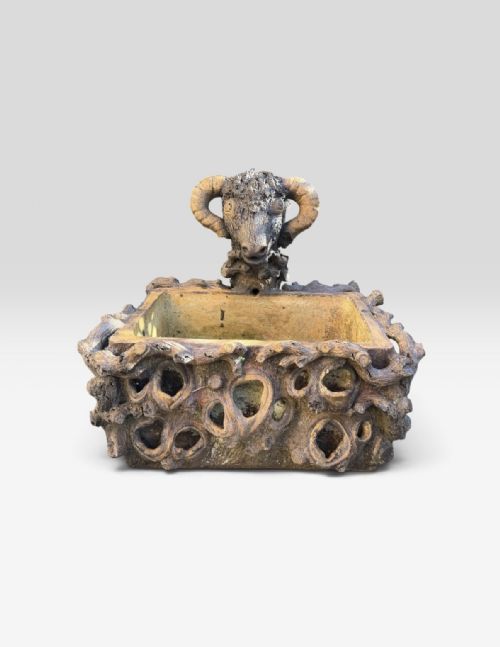
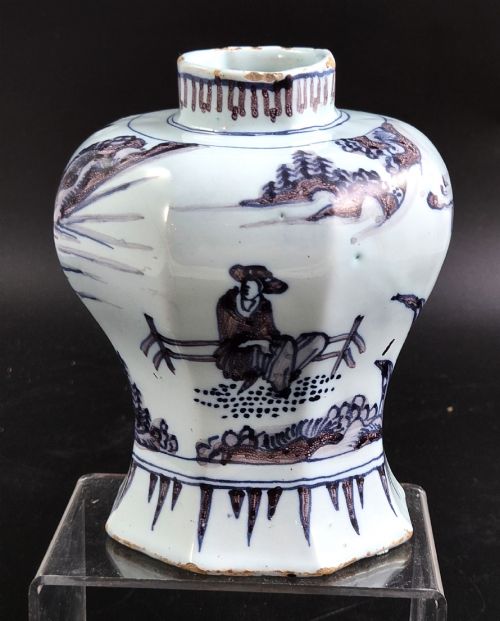
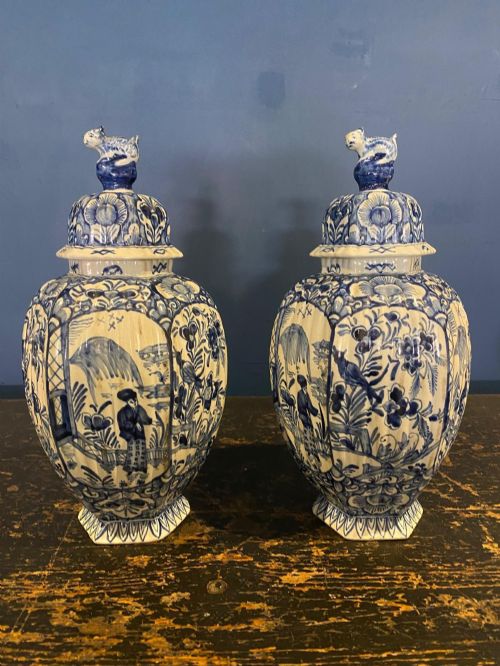
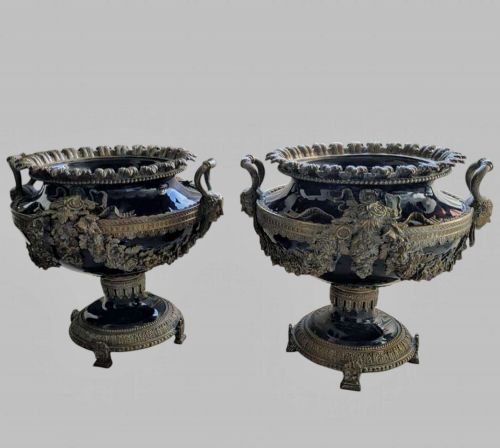
Glazed Ceramic Urn
When you search for a glazed ceramic urn, you encounter vessels of earthenware, stoneware, and porcelain shaped for display, storage, and lighting.
Glazed Ceramic Urn
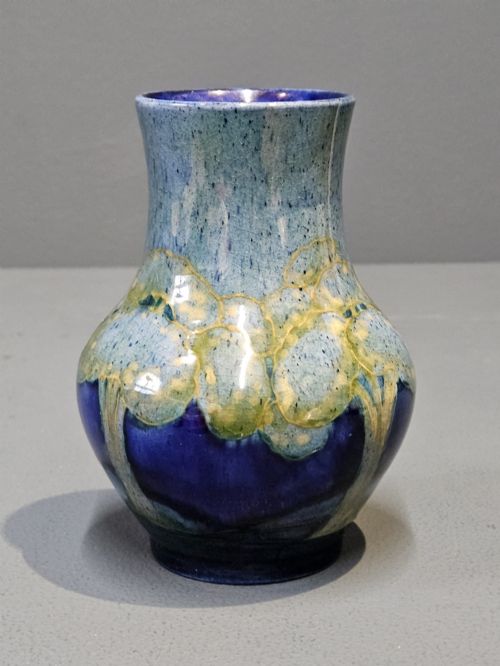
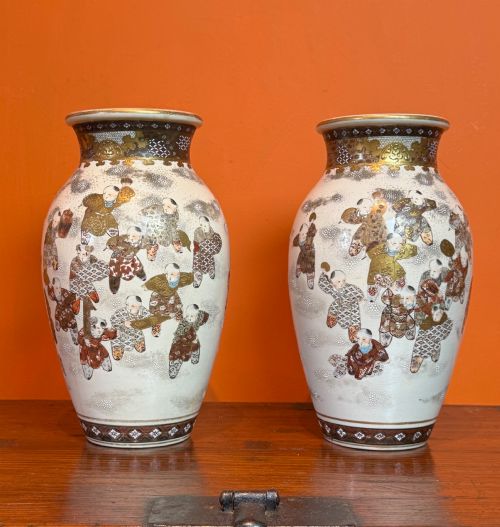
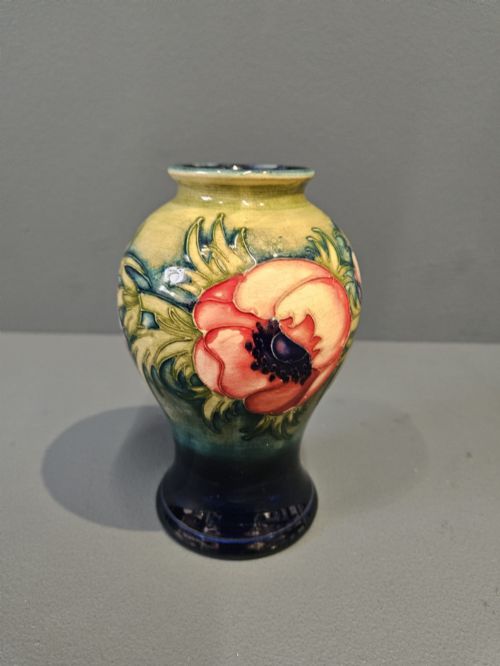
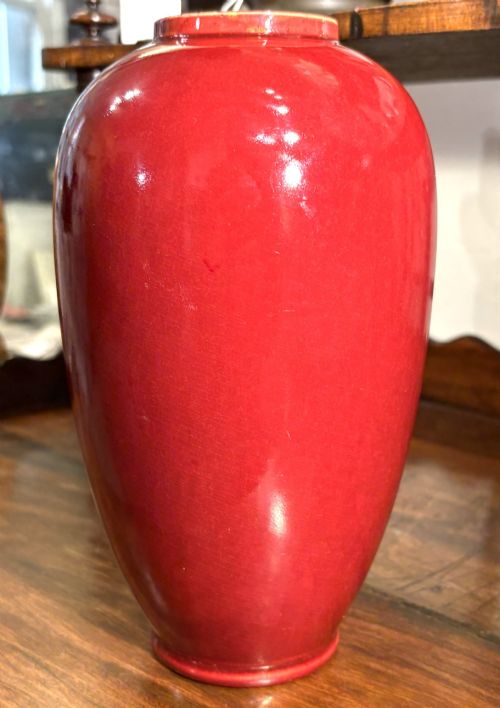
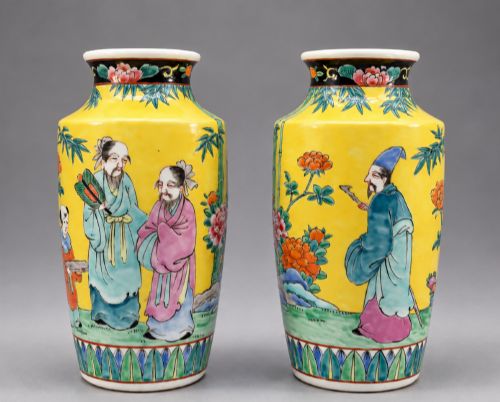
A glazed ceramic urn on this page typically appears as a baluster vase, jardinière, trough, or decorative vessel originating from European potteries and Asian kilns. The selection spans centuries of production, from Dutch Delftware and Ming Dynasty pieces to Victorian British pottery and Japanese Satsuma ware.
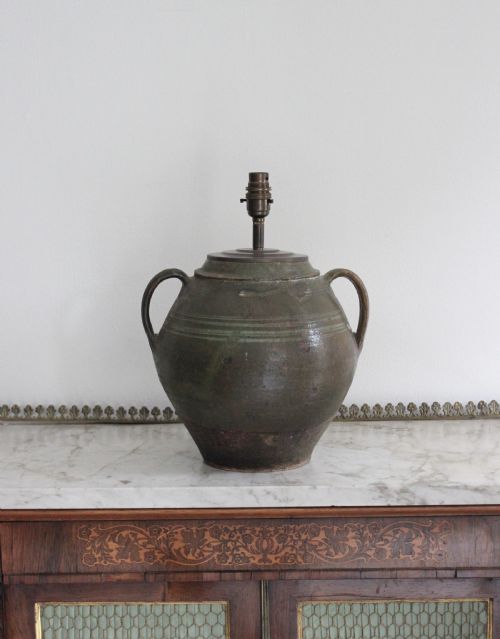
Buyers meet objects shaped for interiors, including table lamps converted from porcelain bases, handled ewers, and large terracotta wine jars. These items cross multiple stylistic categories, encompassing Art Nouveau contours, Renaissance Revival motifs, and Chinese export designs.
Materials and Techniques
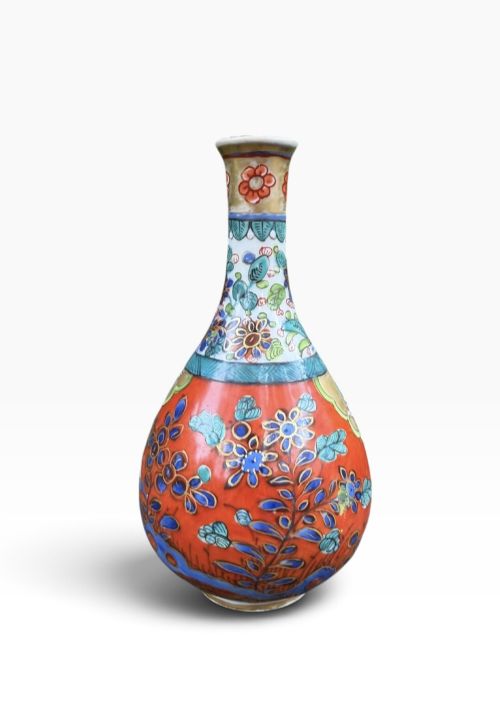
Potters shaped these pieces from local clays and fine kaolin, applying tin-glaze, enamel, and salt glaze before firing the ceramic bodies in kilns. Many examples incorporate surface decoration such as cobalt blue painting, polychrome pigments, and metal mounts of bronze or silver.
Workshops utilised moulding, throwing on the potter's wheel, and hand-painting techniques to achieve the finished textures. Details like crackle glaze, gold leaf, and applied cabochons demonstrate the varied finishing methods employed across different traditions.
Glazed Ceramic Urn Retail Price Guide 2026
Typical asking prices for glazed ceramic urn among the pieces listed under this phrase on Sellingantiques today, from the lower quarter to the upper quarter. They describe what is for sale here now, not the wider market.
Some nineteenth-century French confit pots spent their early days quietly storing preserved duck in farmhouse larders before becoming decorative salon pieces.
Distinctions in Execution
The standard of a glazed ceramic urn rests in the control of the kiln firing and the precision of the hand-painted or glazed surface. Skilled execution shows in balanced proportions, even glaze coverage without unintended pooling, and crisp rendering of painted motifs.
Makers known for distinct artistic output, such as Royal Doulton or Cantagalli, achieved greater refinement in their clay bodies and glaze chemistry. Superior pieces combine harmonious colour palettes with well-preserved mounts and minimal distortion from the firing process.
Royal Doulton·Burmantofts Pottery·Cantagalli·Fourmaintraux Courquin·Royal Worcester·Boch Freres·Bretby Pottery
The Glazed Ceramic Urn Glossary
- Baluster
- A vase form with a rounded body that tapers towards the base and neck, resembling an architectural baluster. This shape appears frequently in Dutch and Chinese porcelain listings.
- Faience
- Tin-glazed earthenware produced in France and other European regions, often featuring painted blue and white or polychrome decoration. It shares technical roots with Italian majolica and Dutch Delftware.
- Jardinière
- An ornamental pot or stand designed to hold growing plants or floral arrangements. These ceramic vessels often feature twin handles and matching trays.
- Majolica
- Opaque tin-glazed pottery originating in Italy, characterised by bright colours over a white background. Revival pieces from the nineteenth century draw directly on these Renaissance aesthetics.
- Salt Glaze
- A vitreous coating formed by throwing common salt into the kiln during high-temperature firing, producing a textured, pebbled surface on stoneware. It gives utilitarian troughs and vessels a durable finish.
Glazed Ceramic Urn: Frequently Asked Questions
What is a glazed ceramic urn used for?
These vessels served primarily for interior decoration, botanical display, or lighting when adapted as table lamps. Historic examples also functioned for dry storage or holding liquids in domestic settings.
Today, collectors use them as decorative focal points in rooms, displaying pairs on mantels or side tables to introduce colour and historical form.
How do I date a ceramic urn?
Dating relies on examining the glaze type, potting technique, maker marks, and stylistic influences such as Art Nouveau or Renaissance Revival. Comparing the baseline clay body and pigment palette helps place the piece within a specific century.
Reference marks from factories like Royal Doulton or regional styles like Satsuma provide narrower manufacturing windows for Victorian and Edwardian items.
Are these urns waterproof?
Many earthenware and stoneware vessels hold water, but older pieces with hairline cracks or porous bodies require caution. Tin-glazed earthenware and porous terracotta can seep moisture over time.
Using a modern glass or plastic liner inside historic jardinières and vases protects the antique ceramic material from water damage.
How should I clean my ceramic urn?
Dusting with a soft, dry microfibre cloth removes surface particles safely without abrasion. Avoid harsh chemical cleaners that can degrade historic glazes, gold leaf, or metal mounts.
If washing is necessary, use lukewarm water and mild soap, ensuring the piece dries completely afterwards to protect any unglazed areas.