





Glazed Ceramic Lion
These glazed ceramic lion figures span Victorian Staffordshire kitchens, Chinese dynasties and Japanese Meiji workshops, bringing spirited form and glossy colour to any interior.
Glazed Ceramic Lion
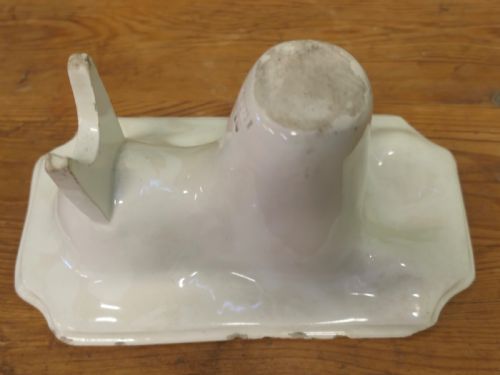
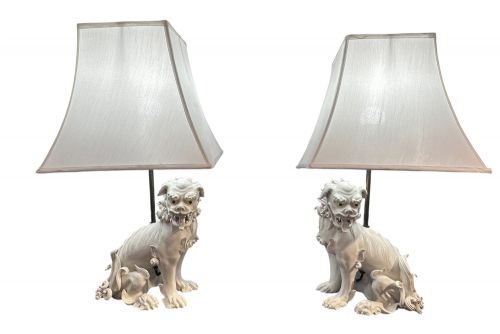
A glazed ceramic lion search reveals a diverse range of objects, from English earthenware jelly moulds and Staffordshire mantel figures to Chinese porcelain Foo dogs and Japanese Shishi figures. The version most commonly encountered on this page is the Victorian Staffordshire figure or pair, often modelled as recumbent beasts or Medici-style guardians.
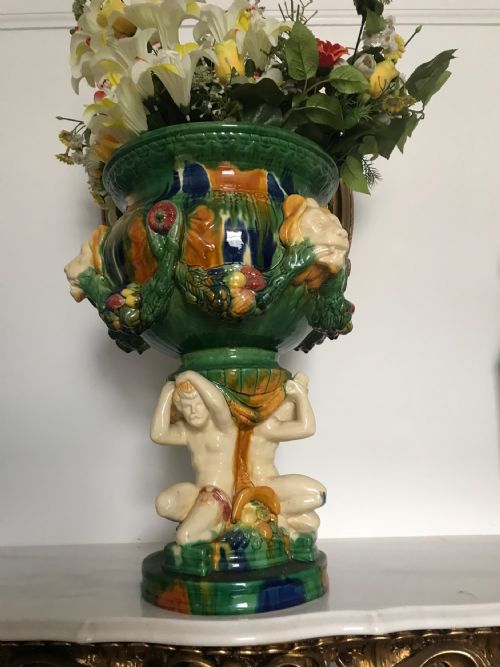
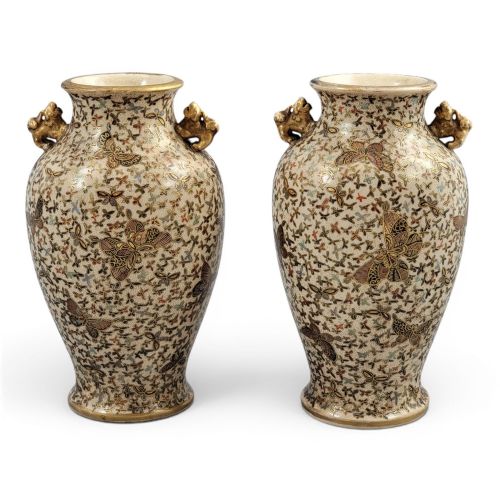
Beyond British pottery, the selections encompass continental majolica planters, German salt-glazed vessels, and East Asian ceramic temple guardians. These cross-cultural pieces demonstrate how potters from the eighteenth century through to the early twentieth century interpreted the iconic status of the lion in domestic and ritual settings.
Materials and glazing techniques
Maker's workshops relied on foundational ceramic bodies such as earthenware, pearlware, stoneware, and porcelain, shaped through moulding or hand-modelling techniques. These forms received specialised treatments, including tin glazes, rich treacle glazes, copper lustre, and polychrome enamel decoration.
Firing processes locked in these surface treatments, producing everything from the bright gloss of Victorian majolica and creamware to the subdued monochromatic tones of blanc de chine and pale green porcelain. The interplay between the porous clay bodies and the fluid glass coatings defines the tactile surface of each piece.
Even fierce temple guardians need a rest, which explains why several nineteenth-century lions happily double as heavy kitchen jelly moulds.
Craftsmanship and sculptural fidelity
The sophistication of the modelling separates standard utilitarian wares from fine decorative sculpture. Pieces that successfully convey the muscular tension and regal bearing of the subject demonstrate a higher mastery of ceramic art.
Rockingham Pottery·Minton·Lancaster and Sons of Hanley
The Glazed Ceramic Lion Glossary
- Earthenware
- A porous pottery body fired at lower temperatures, requiring a vitreous glaze to achieve water resistance. It serves as the primary material for many traditional British figures and jelly moulds.
- Staffordshire
- A major English pottery region encompassing numerous factories that produced earthenware figures and domestic vessels. Staffordshire pieces are widely recognised for their charming folk-art interpretation of animal subjects.
- Shishi
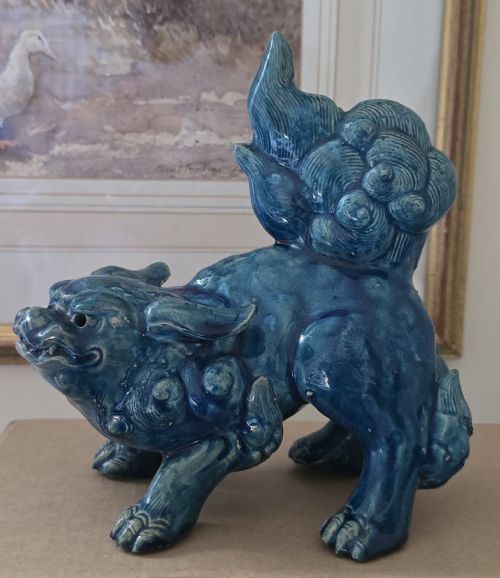
- A Japanese term for a guardian lion or Foo dog, traditionally depicted in ceramic and bronze sculpture. These figures often display stylized manes and dynamic postures.
- Majolica
- A type of earthenware covered with an opaque tin-lead glaze and painted with metallic oxide colours. It yields vibrant, glossy finishes seen on nineteenth-century planters and sculptural stands.
- Medici Lion
- A classic sculptural representation modelled after the marble ancient Roman statues in Florence. British potteries frequently adapted this formal stance for fireplace mantels and garden bookends.
Glazed Ceramic Lion: Frequently Asked Questions
How were ceramic lion figures used?
Many of these pieces served as decorative mantel ornaments, bookends, or hearthside companions in nineteenth-century homes. Others functioned as utilitarian vessels, including kitchen jelly moulds and large garden planters.
In Asian traditions, similar ceramic guardians stood near doorways or served as ritual censer components. Domestic items brought both playful character and symbolic protection into daily interior spaces.
How do I distinguish English from Asian figures?
English examples typically display the characteristic forms of Victorian Staffordshire production, including treacle glazes, creamware, and pearlware bodies. Their styling often references European classical sculpture or domestic folk traditions.
Asian pieces, by contrast, present as Chinese Foo dogs, Shiwan lion dogs, or Japanese Shishi figures. They employ specific glazes like sancai, pale green celadon-like tones, or blanc de chine porcelain.
What periods do these ceramics represent?
The listings span several centuries, beginning with eighteenth-century European pottery and extending through the Victorian era. Significant numbers originate from the late nineteenth and early twentieth centuries.
This broad timeline captures diverse manufacturing eras, including the Japanese Meiji period and Chinese Qing dynasty productions. Each chronological bracket reflects distinct regional aesthetics and glazing innovations.
How should I display ceramic lions at home?
These sculptural objects suit placement on bookshelves, sideboards, or mantelpieces where their form and glaze can be appreciated up close. Planters and jardinières accommodate botanical displays while anchoring a room with figural presence.
Pairing matching figures as bookends or mantel guards highlights their symmetry. Positioning them away from high-traffic edges ensures the safety of delicate glazes and earthenware bodies.