

Glazed Ceiling Light
A glazed ceiling light offers practical illumination while defining an entrance or hallway with period character.
Glazed Ceiling Light
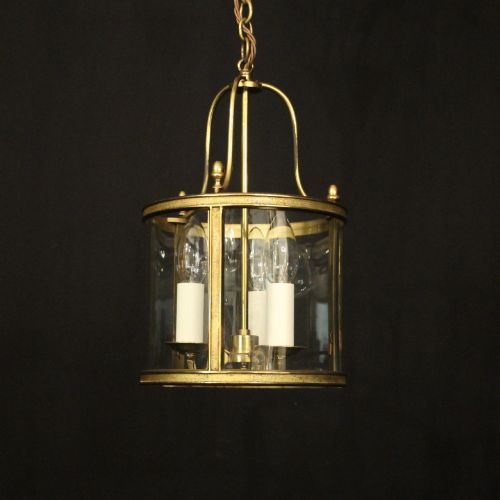
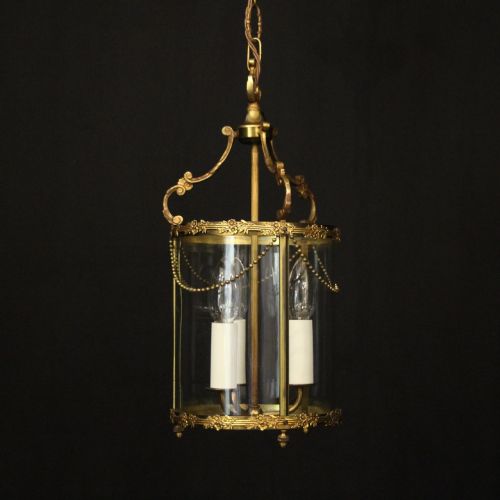
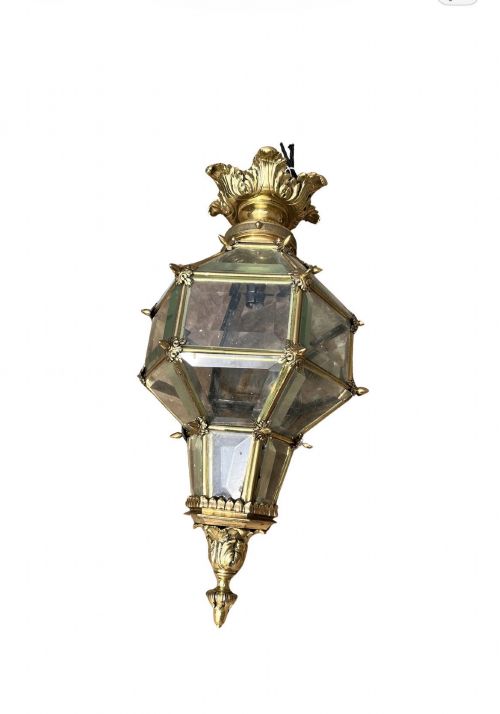
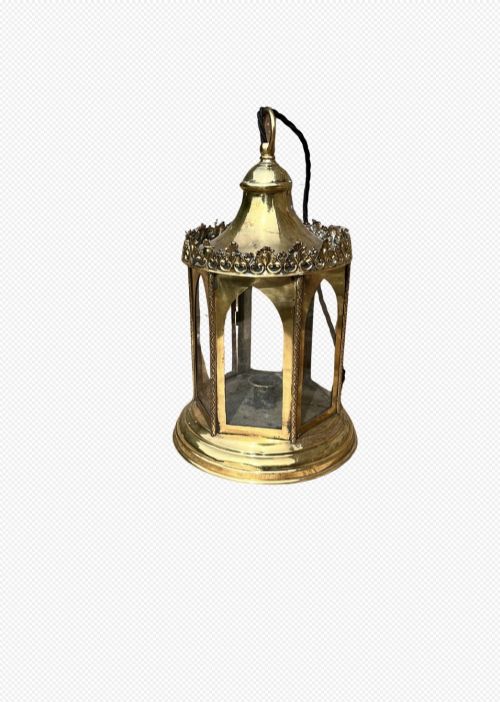
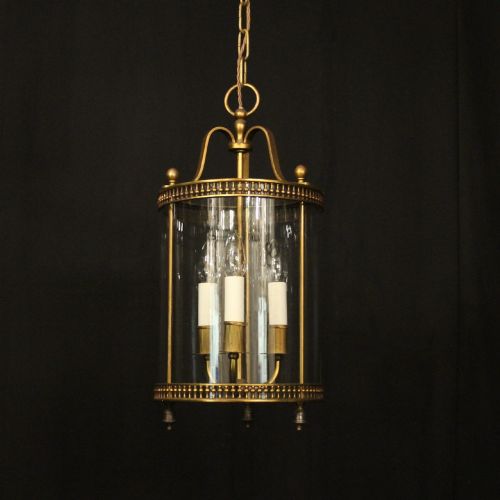
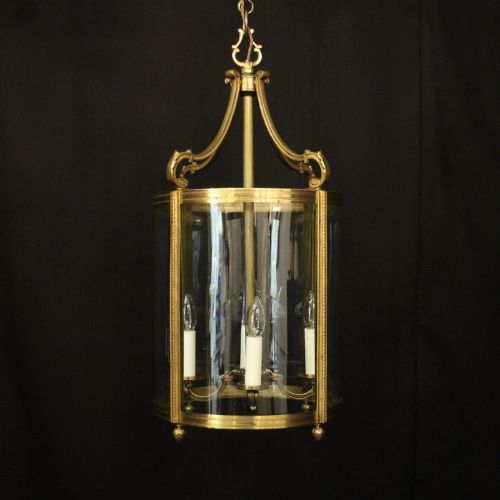
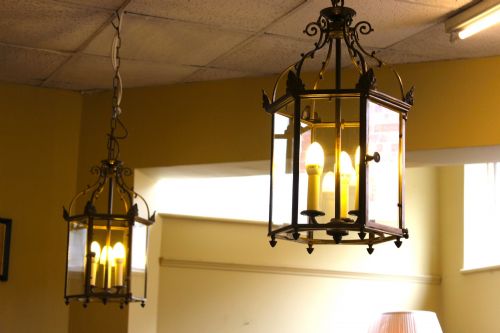
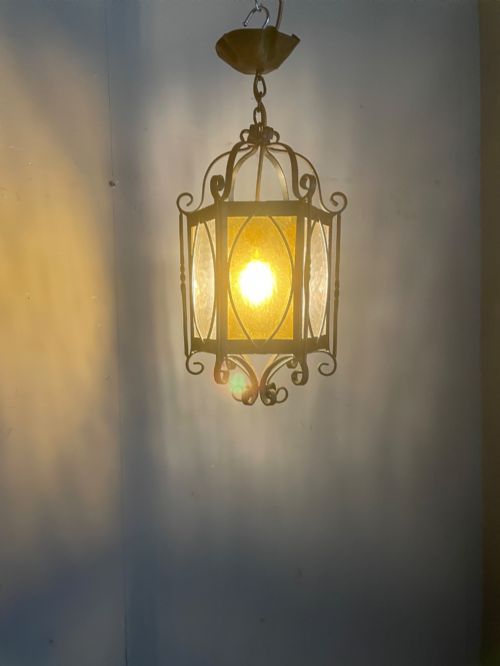
A glazed ceiling light encompasses hanging lanterns, hall lanterns and pendant lights designed for interior illumination. Buyers searching for a glazed ceiling light encounter forms ranging from compact fixtures to large, multi-light hanging lanterns suitable for prominent spaces.
The selection includes English examples alongside French styles such as French Chateau, French Neoclassical and French Rococo. Pieces span periods from the nineteenth century through the Edwardian era and into the 1920s and 1930s.
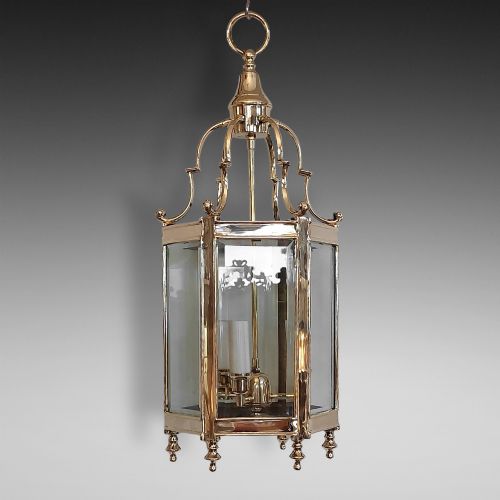
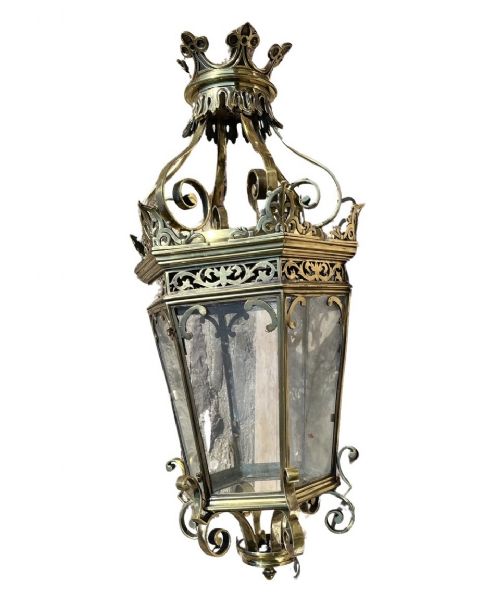
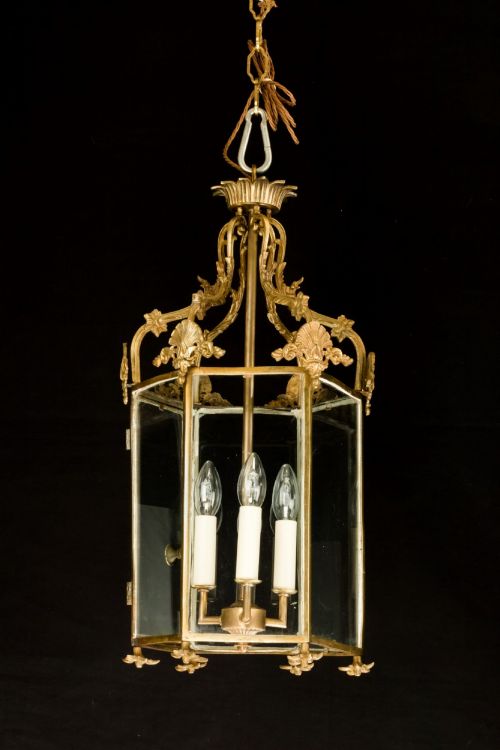
Hexagonal forms appear frequently alongside rectangular and multi-sided shapes, often featuring hinged doors for access to internal bulbs.
Materials and Construction
Construction relies primarily on metals including brass, copper, bronze and steel, paired with glass panels. Gilt bronze, gilded brass and silver gilt treatments provide reflective metallic surfaces across many French examples.
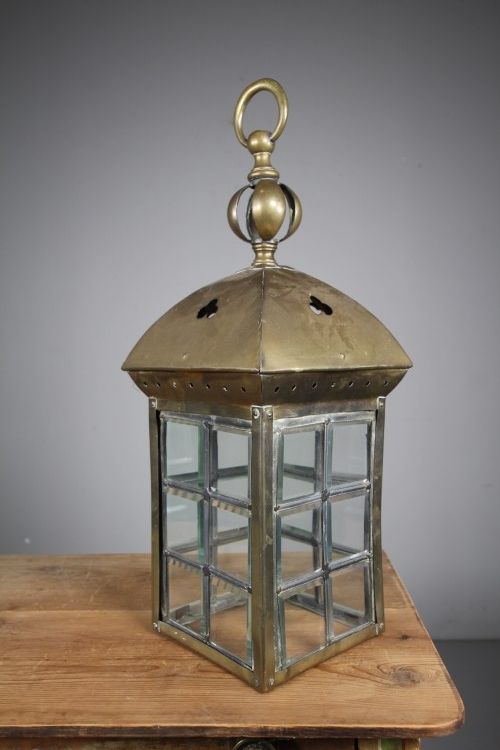
Glass panels include bevelled edges that refract light, held securely within robust metal frames. Structural elements utilise mechanical joints, screws and occasionally wrought iron components to support the weight of the hanging assembly.
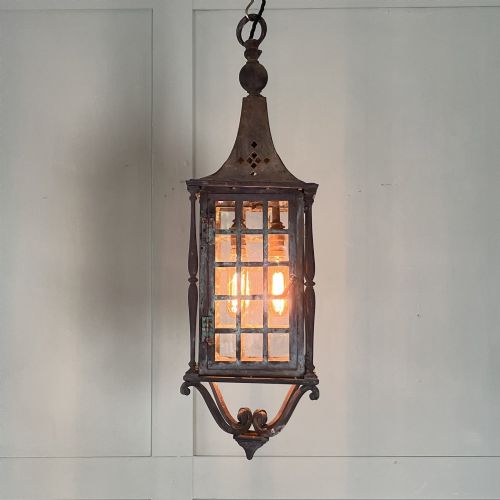
Object types span hanging lanterns, hall lanterns, pendant lights and coaching lanterns in styles from Gothic Revival to French Neoclassical.
Assessing Quality
Quality differentiates through the weight and casting finish of the metal frame, alongside the clarity and bevelling of the glass. Heavier gauges of brass or bronze provide structural rigidity and cleaner decorative details.
The sophistication of the stylistic execution distinguishes standard utilitarian pieces from high-status decorative lighting. Intricate chased mounts, robust multi-light internal clusters and preserved gilding indicate superior manufacture.
The Glazed Ceiling Light Glossary
- Hall lantern
- A hanging light fixture specifically proportioned for entrance halls, corridors and vestibules. These fixtures typically feature enclosed glass panels and a suspension chain or rod.
- Bevelled glass
- Glass panes with angled edges cut and polished to a specific slope. This technique creates prismatic light refractions.
- Gilded bronze
- Bronze metal treated with a thin layer of gold applied through leaf or fire gilding. This finish enhances decorative detail and prevents oxidation.
- Hexagonal form
- A geometric shape possessing six sides and six angles. This plan is common in traditional lantern construction to maximise light distribution.
Glazed Ceiling Light: Frequently Asked Questions
Where should a hall lantern be hung?
A hall lantern hangs centrally in an entrance hall, porch or high-ceilinged corridor to provide welcoming illumination.
Sufficient headroom beneath the fixture is essential for passage, particularly in narrower hallways or stairwells.
How do I identify an Edwardian lantern?
Edwardian lanterns date from the early twentieth century and often exhibit clean brass frames with restrained classical detailing.
They balance traditional forms with the transition towards early electrical conversion in domestic interiors.
Are these lights wired for electricity?
Many surviving fixtures have undergone electrification to accommodate modern bulbs while retaining their historical housings.
Rewiring may be necessary to meet current domestic safety standards upon installation.
What defines French style lanterns?
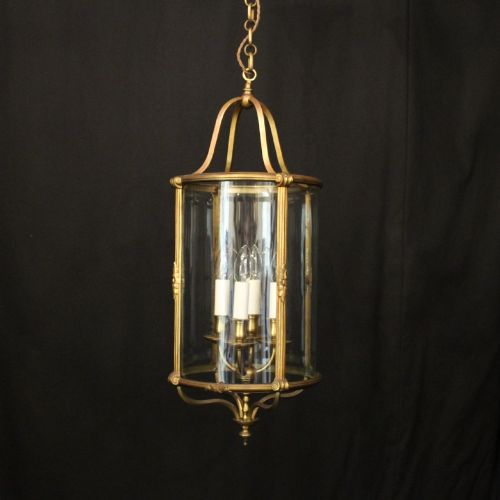
French lanterns from periods like the 1920s and 1930s frequently utilise gilded bronze or brass with ornate neoclassical or chateau motifs.
Multiple internal light clusters are common in larger French hall lanterns designed for grander reception rooms.