


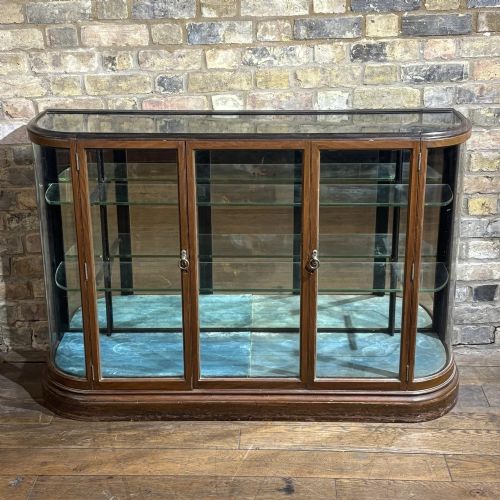
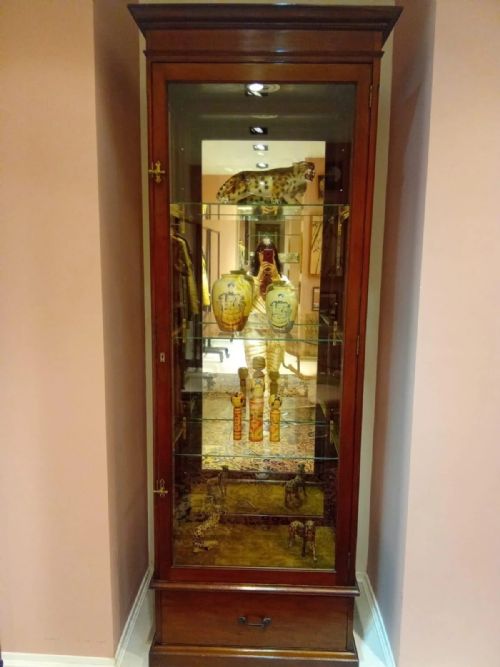


Glass Shop Showcase
These pieces, collected as a glass shop showcase, present original retail fixtures designed to exhibit merchandise clearly to the customer.
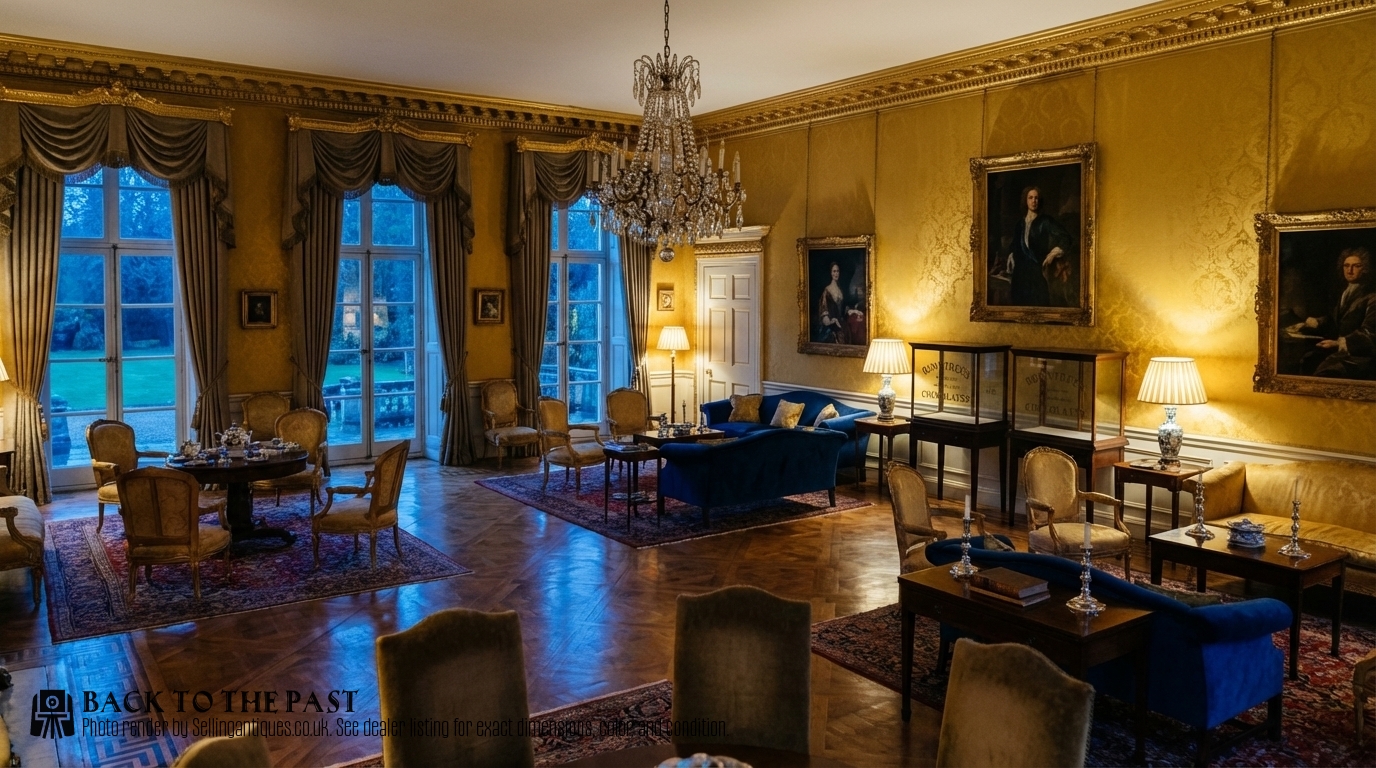
Glass Shop Showcase
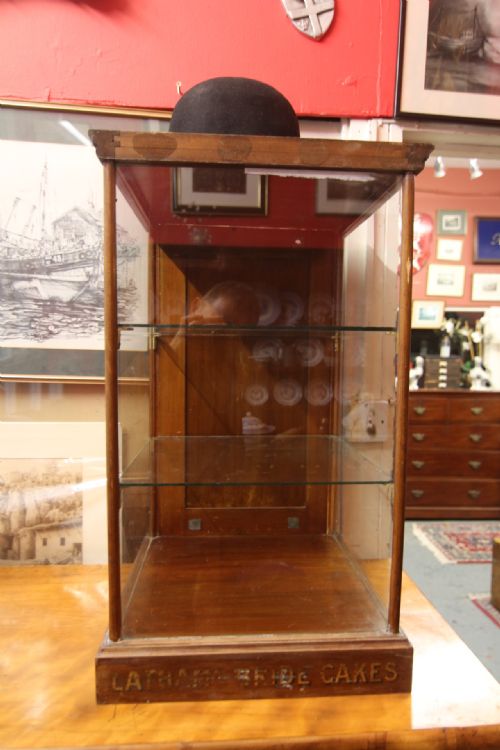
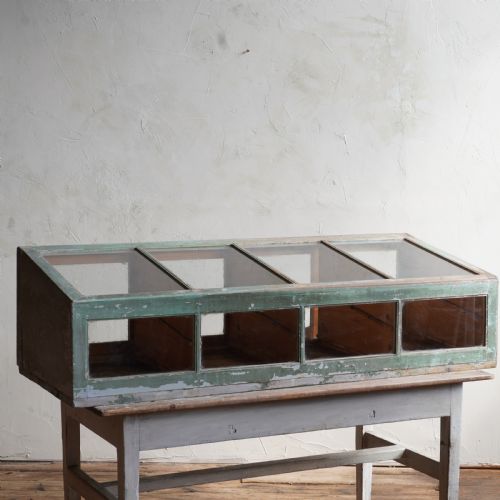
A glass shop showcase functions as a commercial container built to protect and display small goods, confectionery, or instruments in a retail setting. When exploring a glass shop showcase, buyers encounter freestanding towers, long serving counters, and compact tabletops designed for tight spaces. These commercial survivors range from late nineteenth-century examples to later twentieth-century pieces produced for chemists, grocers, and outfitters.
Most items appearing in this selection date from the Edwardian era and the nineteen-twenties, reflecting the expansion of high street retail during those decades. Forms include bow-ended cabinets, pentagonal counters, and glazed table cases that provide maximum visibility from multiple angles. Interiors frequently incorporate adjustable glass shelves or mirrored backs to amplify natural light within the display volume.
Materials and construction
Frames rely predominantly on dense timbers such as mahogany and oak, chosen for structural stability and finished with polished surfaces or ebonised treatments. Metal elements appear in brass fittings, chrome detailing, and later aluminium framing, providing robust support for heavy glass panes.
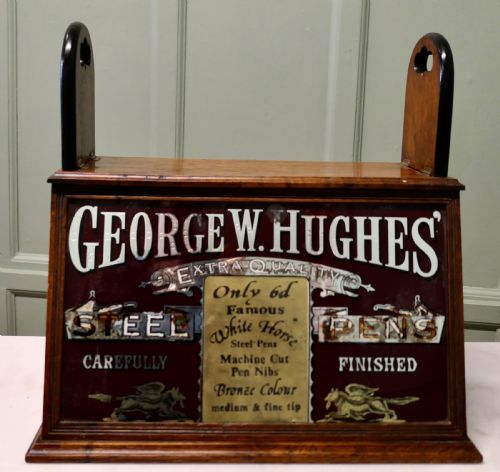
Large glazed panels enclose the viewing areas, often complemented by internal mirrors that reflect light and merchandise simultaneously. Back panels sometimes feature fabric linings or sign-written advertisements relating to historical confectioners and gunsmiths.
Glass Shop Showcase Retail Price Guide 2026
Typical asking prices for glass shop showcase among the pieces listed under this phrase on Sellingantiques today, from the lower quarter to the upper quarter. They describe what is for sale here now, not the wider market.
Listings feature oak, mahogany, and ebonised wood alongside brass, chrome, and aluminium framing materials.
Evaluating construction standards
Quality reveals itself in the joinery of the timber frame, the smoothness of sliding or hinged door mechanisms, and the clarity of the original glass panes. Superior examples utilise solid hardwoods rather than veneers and incorporate sophisticated glazing bars that maximise the viewing area.
Makers' branding, specialised hardware, and intact original interiors such as adjustable shelving elevate certain pieces above standard utilitarian counters. The integration of decorative elements, including bowed glass ends or specialised shaped counters, denotes higher workshop ambition.
F. Sage & Co·Dudley & Co·Cadbury·Rowntree·Fry
The Glass Shop Showcase Glossary
- Haberdashery counter
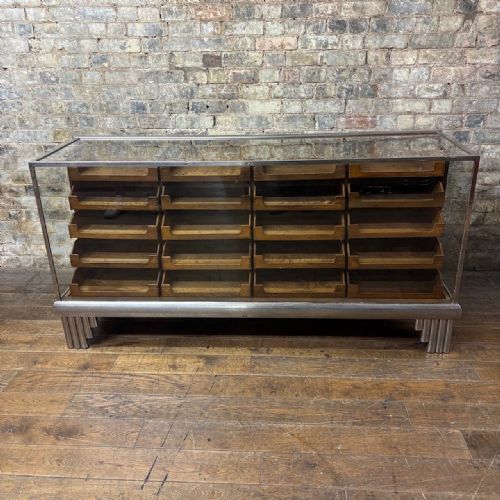
- A long display unit traditionally fitted with numerous shallow drawers and glazed upper sections for textiles and small notions. These pieces allow stock visibility while keeping delicate items protected.
- Countertop cabinet
- A small glazed case designed to sit upon existing shop furniture to capture customer attention at the point of sale. They frequently feature rear opening doors for staff access.
- Bow end
- A curved glass configuration at the extremity of a cabinet or counter that softens the silhouette and improves lateral visibility. This technique requires specialised glass-bending skill.
- Ebonised
- Timber treated with a dark finish to imitate expensive ebony wood. This treatment appears frequently on pieces from the nineteen-twenties.
- Museum display case
- A heavy-duty glazed cabinet built with superior sealing and framing for the preservation of delicate artefacts. They offer heightened security and structural heft.
Glass Shop Showcase: Frequently Asked Questions
How do I choose a countertop showcase?
Select a countertop showcase based on available surface depth and the height of the items you intend to display inside. Consider whether rear access doors suit your room layout.
Check if the internal glass shelves are adjustable to accommodate taller pieces. Oak and mahogany frames offer distinct visual weights depending on your interior style.
Where were these glass shop showcases used?
Merchants utilised these fixtures in late nineteenth and early twentieth-century retail environments including confectioners, chemists, and outfitters. They protected delicate stock while presenting goods attractively to passing customers.
Many incorporated advertising on glass or timber fascias to promote specific chocolate or tobacco brands. Today they adapt readily to domestic spaces for exhibiting private collections.
Are the glass shelves original?
Many surviving cabinets retain their original float or cast glass shelving, often supported by adjustable metal shelf clips. Replacements sometimes occur due to accidental breakage over a century of commercial use.
Examine the edges of the glass for characteristic historical manufacturing flaws or uniform modern cutting. Polished edges typically indicate period manufacturing standards.
How do I maintain the timber and glass?
Maintain polished mahogany and oak frames with a soft cloth and periodic application of appropriate furniture wax. Avoid using harsh chemical cleaners near older mirror backs and painted lettering.
Ensure sliding doors run clear of dust by keeping wooden or brass runners clean. Gentle handling preserves fragile ninety-degree corner joints on older glazed panels.