
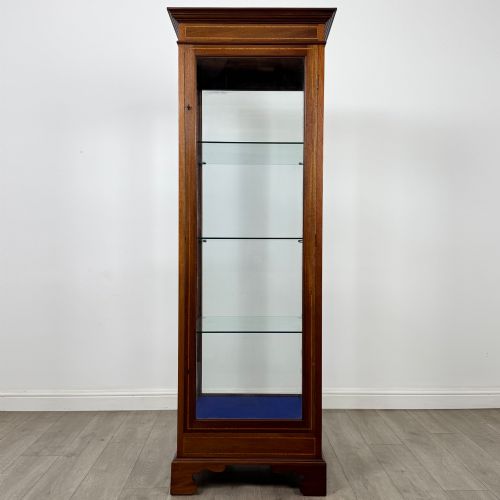
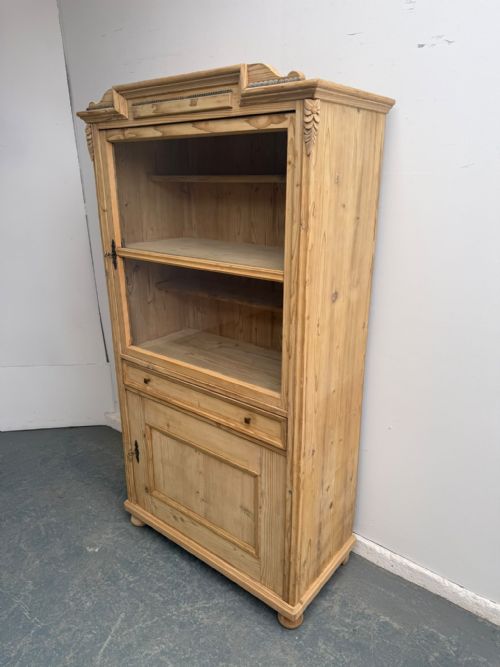
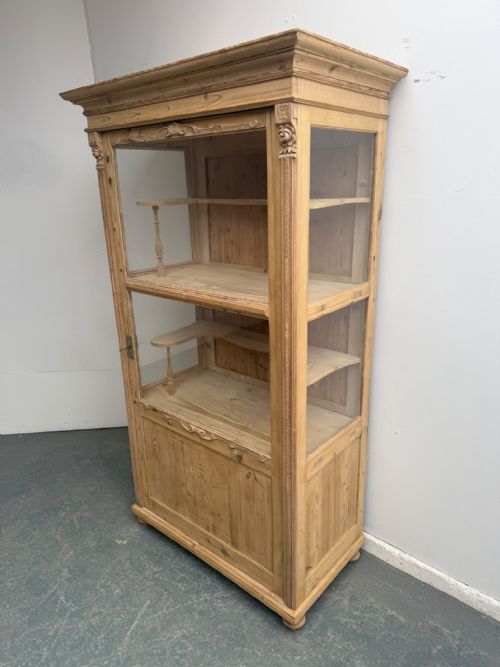
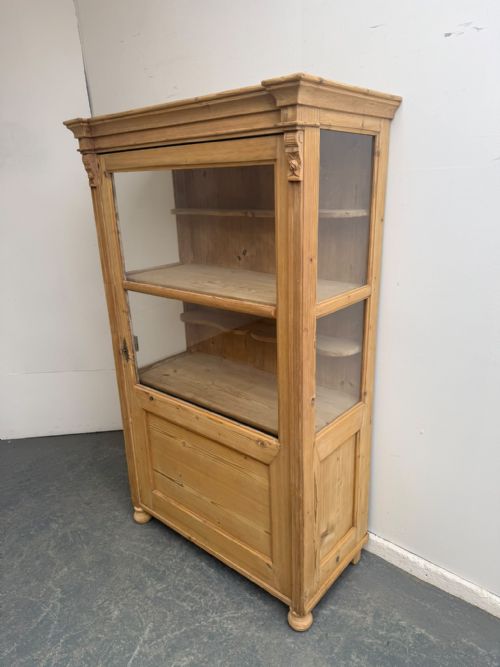


Freestanding Display Case
A freestanding display case brings order to precious objects, turning everyday rooms into private galleries with clear glass and sturdy timber.
Freestanding Display Case
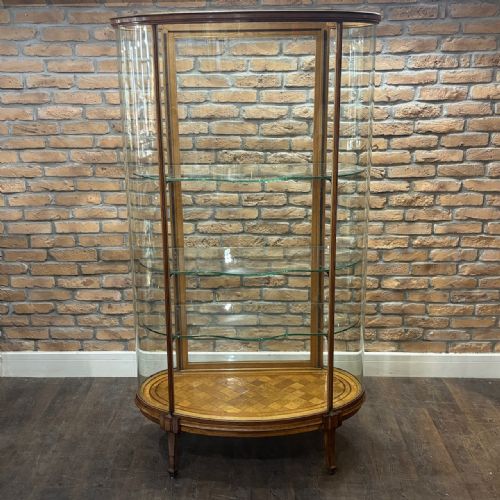
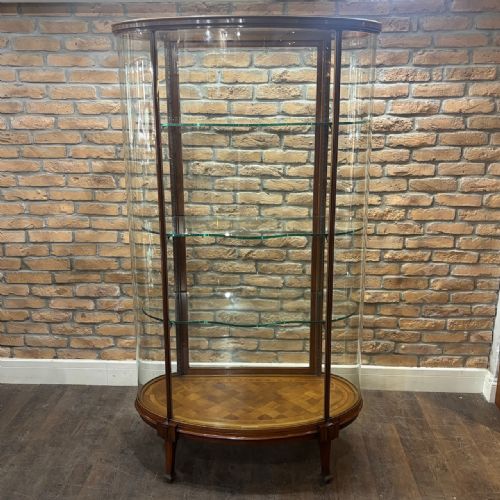
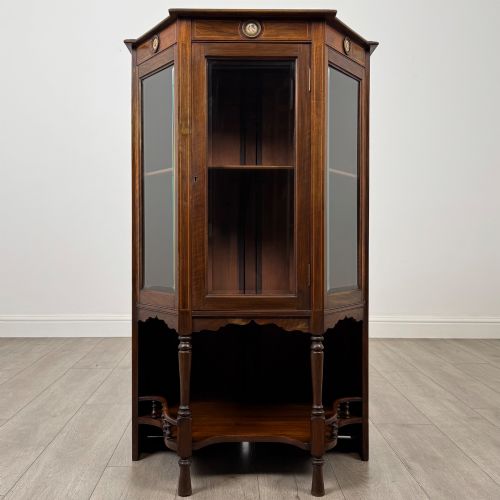
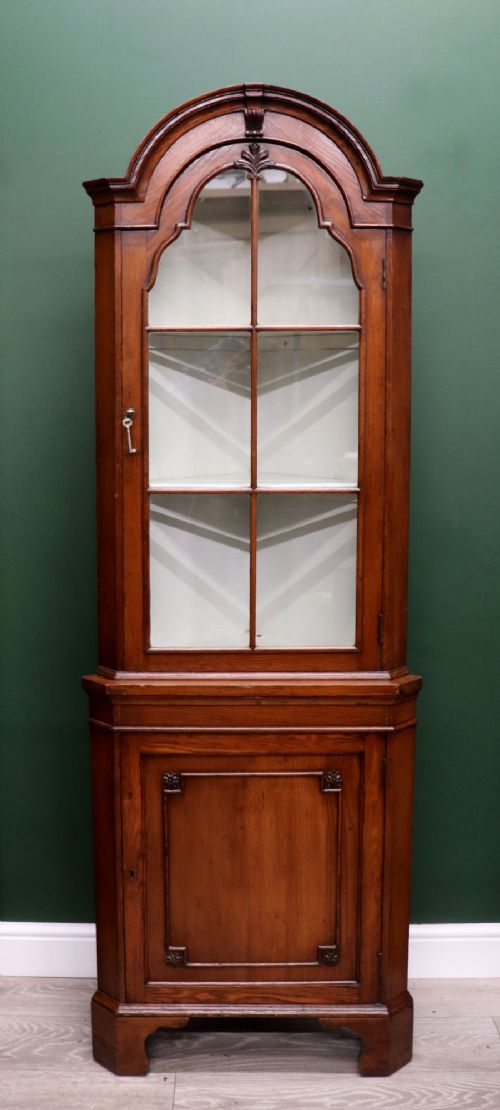
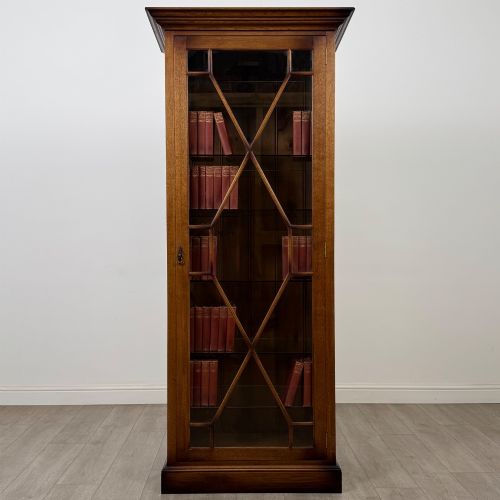
A freestanding display case offers vertical storage designed specifically to showcase collections, books, and curiosities without needing wall support. When you search for a freestanding display case, you encounter versatile cabinets that range from tall shop vitrines to domestic corner cupboards.
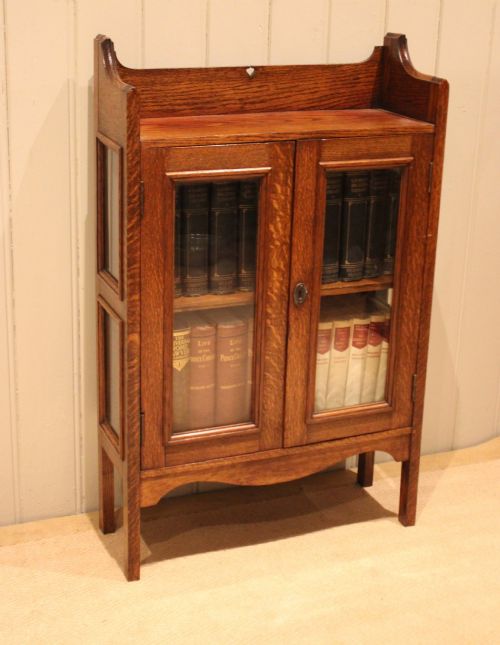
The pieces appearing on this page span the Victorian and Edwardian eras alongside 1930s designs, reflecting domestic and retail origins alike. You meet mahogany, oak, and pine examples alongside specialised forms like bijouterie cabinets and octagonal display pedestals.
Makers such as F. Sage & Co contributed large shop display cabinets intended for commercial display, which now find homes in domestic settings. Alongside these trade pieces, cabinet makers produced glazed bookcases, corner cabinets, and delicate French vitrines.
Construction and Materials
Timbers form the structural skeleton of these cabinets, with mahogany, oak, walnut, and pine providing the necessary rigidity to support heavy glass panes. Craftsmen selected these woods for their grain and strength, often applying veneers or string inlay to enhance the primary surfaces.
Glass panels are integral, held securely within timber frames or metal mounts to give uninterrupted views of the interior shelves. Ormolu mounts and brass hardware appear on select pieces, adding functional corners, hinges, and decorative accents.
Finishes vary from polished mahogany and ebonised treatments to surfaces left ready to wax or paint on utility pine pieces. Joinery techniques connect the glazed doors and enclosed bases, balancing the weight of the glass with stable timber feet or plinths.
The selection includes specialised forms such as corner cabinets, octagonal jardiniere stands, and medical cases.
Judging Quality
Quality rests in the precision of the timber joinery and the clarity of the glass panes used within the doors and side panels. Finer examples display careful grain matching and refined inlay work, whereas utility pieces prioritize robust, straightforward construction.
The sophistication of the hardware and decorative mounts distinguishes workshop output, from simple brass latches to elaborate ormolu ornamentation. Proportions dictate the visual balance of the cabinet, ensuring tall tower frames or compact octagonal pedestals stand firmly and gracefully.
F. Sage & Co
The Freestanding Display Case Glossary
- Vitrine
- A glass-fronted display cabinet or display case designed to exhibit porcelain, curiosities, or fine objects. These cases often feature glazed sides to maximise light penetration.
- Bijouterie cabinet
- A shallow display table or cabinet with a glass top, designed specifically for jewellery, medals, and small trinkets. The interior is commonly lined with fabric to cushion the displayed items.
- Ormolu
- Gilded bronze mounts applied to furniture for decorative effect. This technique was frequently utilised on French-influenced pieces to accentuate corners and framing.
- Inlay
- A decorative technique where contrasting strips of wood or shell are embedded into the primary surface of the timber. Edwardian and Victorian makers utilised this to create geometric borders.
- Bow front
- A convex, curved front section of a cabinet that softens the rectangular profile. This shape requires specialised joinery to bend the timber and cut curved glass.
Freestanding Display Case: Frequently Asked Questions
How do I choose the right size case?
Consider the floor space available in your room and the height of your ceiling before selecting a tall tower or a compact corner unit.
Measure the objects you intend to display to ensure the interior depth and shelf spacing accommodate your collection comfortably.
Can these cases support heavy books?
Oak and mahogany bookcases and cabinets are structurally robust and built to bear the weight of heavy volumes on their wooden shelves.
Lighter vitrines and bijouterie cabinets are better suited to porcelain, glassware, and small decorative objects rather than dense libraries.
Where should I place a freestanding cabinet?
Position your case away from direct sunlight to protect displayed textiles, paper, and vulnerable finishes from fading over time.
Ensure the floor is level so the heavy glass doors hang true and open smoothly without catching on the frame.
How do I identify an Edwardian piece?
Edwardian display cases often feature lighter mahogany framing, delicate string inlay, and slender legs that lift the cabinet off the floor.
These pieces typically date from around 1900 to 1910, reflecting a shift towards lighter, more refined domestic furniture.