





Glass Mantle Clock
When choosing a glass mantle clock, you select a timepiece that brings transparent elegance and mechanical precision into a room.
Glass Mantle Clock
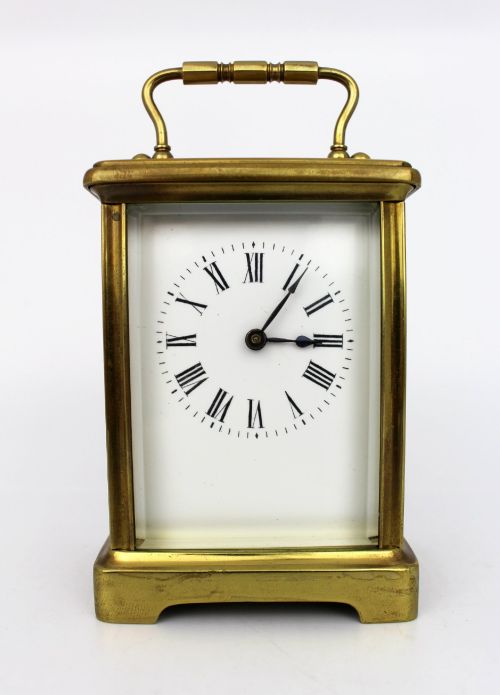
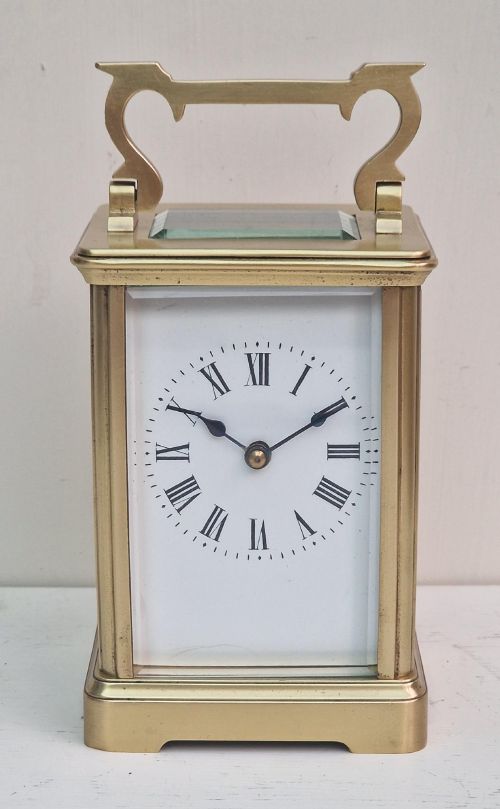
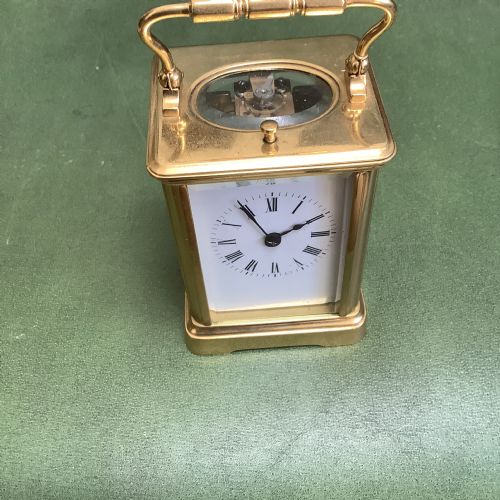
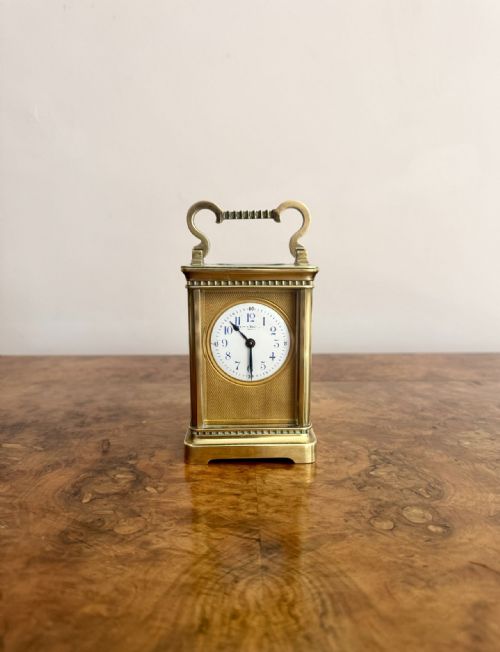
A glass mantle clock combines transparent casing with intricate interior movements, visible from multiple angles on a shelf or mantelpiece. These pieces range from nineteenth-century French crystal regulators and four-glass library designs to twentieth-century Art Deco mirrored glass models.
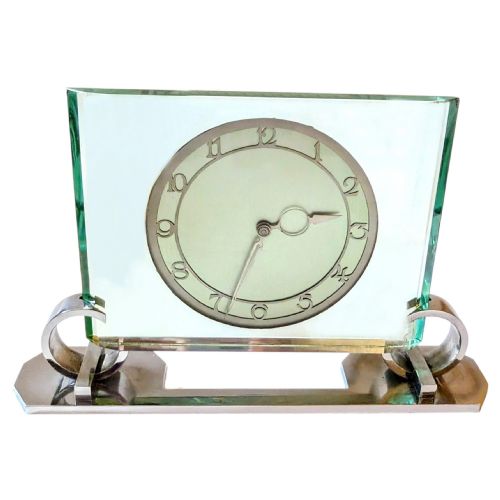
The selections on this page span the Victorian era, the Edwardian period, and the 1930s. Buyers will encounter traditional brass-framed glass cases alongside modernist coloured mirror glass panels produced by makers such as Smiths.
Originating primarily from French workshops and English makers, these timepieces function as both practical timekeepers and decorative ornaments. Their forms include portico styles, rectangular crystal regulators, and colourful geometric Art Deco shapes.
How They Were Made
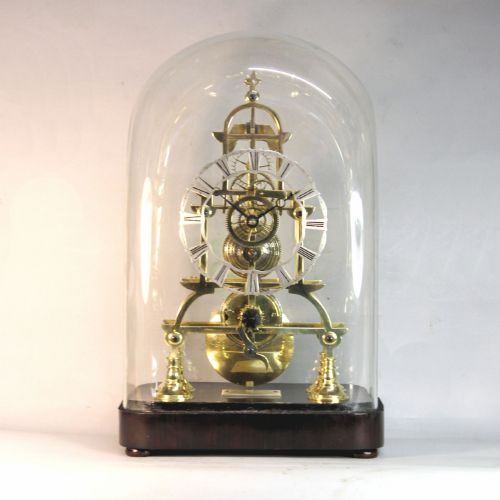
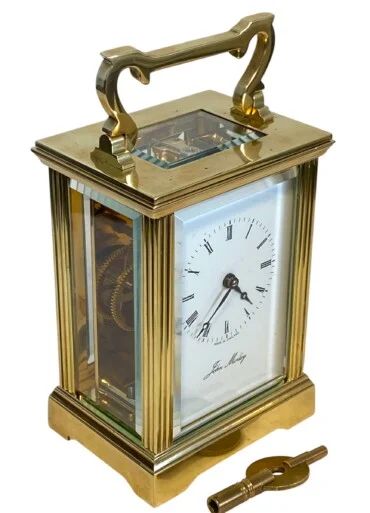
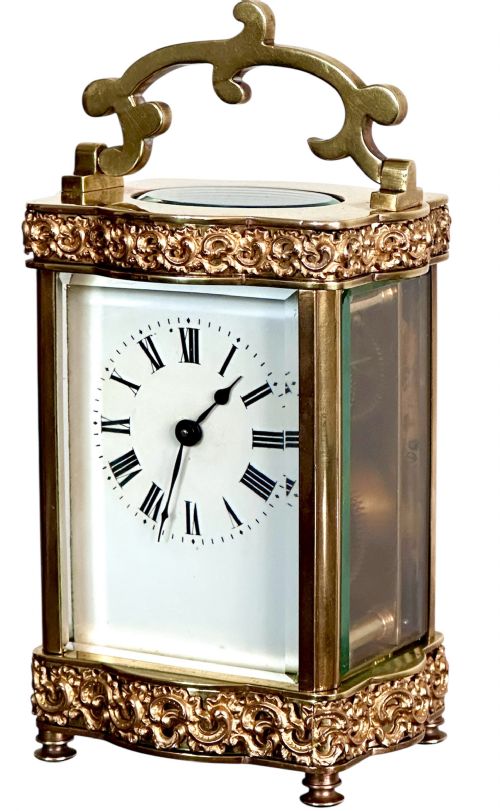
Cases combine heavy plate glass or hand-blown domes with structural metal frameworks of brass, gilt bronze, or chrome. Makers utilised bevelled glass panes to catch the light and reveal the escapement within.
Movements incorporate intricate brass gear trains, enamel dials, and sometimes mercury or spring-driven torsion pendulums. Art Deco examples integrate electrical movements or coloured peach, green, and blue mirror glass alongside traditional wind-up mechanisms.
Listings feature glass mantle clocks spanning the Victorian era, Edwardian period, Art Deco movement, and mid-twentieth-century productions.
What Varies in Quality
The distinction between tiers rests upon the clarity and thickness of the glass panels and the precision of the brass or ormolu framing. Heavier bevelled panes and substantial metal castings denote superior production.
Finishing details dictate value, such as finely painted enamel dials, mercury-filled temperature-compensation pendulums, and signed movements by notable makers. Original components and matching serial numbers elevate the standing of a piece.
Smiths Clock Company·L Epee·Breguet·Drocourt·John Morley·Richard Winter·Maurice & Marcel Moulin Favre-Bulle·Duverdrey & Bloquel·Tiffany·Temco·Ambec·Marti of Paris·Henry Marc·Vincenti·Winterhalder & Hofmeier·Mougin
The Glass Mantle Clock Glossary
- Crystal Regulator
- A clock housed in a glass-sided case, often featuring a visible pendulum and an enamel dial suspended between the front and back plates.
- Torsion Clock
- A timepiece regulated by a suspended spring that twists and untwists in a rotary motion, commonly known as a year clock.
- Ormolu
- Gilded bronze utilised for decorative mounts and framing elements on nineteenth-century French cases.
- Escapement
- The internal mechanism that controls the unwinding of the mainspring by delivering impulses to the pendulum or balance wheel.
- Garniture
- A set consisting of a clock accompanied by matching side ornaments such as urns or vases.
Glass Mantle Clock: Frequently Asked Questions
How do I wind a glass mantle clock?
Use the designated key on the winding arbours located on the dial face. Turn gently until resistance is felt, avoiding over-winding to protect the mainspring.
Ensure you do not force the gears when setting the time. Moving the minute hand slowly in a clockwise direction preserves the escapement alignment.
Where should I place a glass mantle clock?
Position the piece on a stable, level surface away from direct sunlight and draughts. A sturdy mantelpiece or bookcase shelf prevents vibrations that might interfere with the pendulum.
Keep the clock away from damp environments to protect the internal metal components and exterior brass or chrome framing from oxidation.
How do I identify the period of a glass mantle clock?
Examine the materials, dial typography, and case architecture to determine the era. Nineteenth-century models often feature heavy brass frames, bevelled glass, and porcelain enamel dials.
Twentieth-century Art Deco pieces display geometric silhouettes, coloured mirror glass panels, and chrome accents. Maker signatures and registration marks on the movement plates provide precise dating.
What is a crystal regulator clock?
A crystal regulator is a mantel clock featuring glass panels on all four sides, allowing light to pass through and illuminate the movement. These models became popular in late nineteenth-century France.
They frequently incorporate mercurial pendulums and ornate brass bezels. The open design showcases the delicate interplay of gears and the swinging pendulum.