
Glass Fronted Cupboard
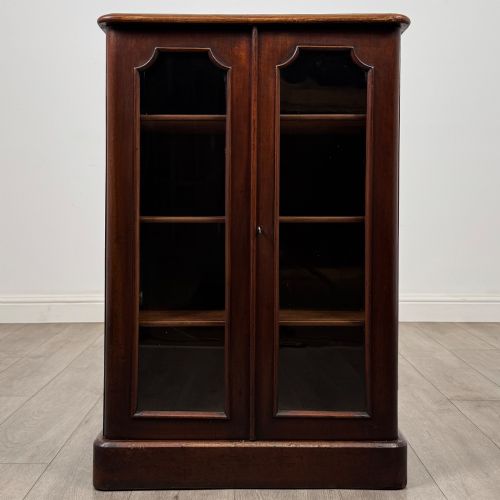
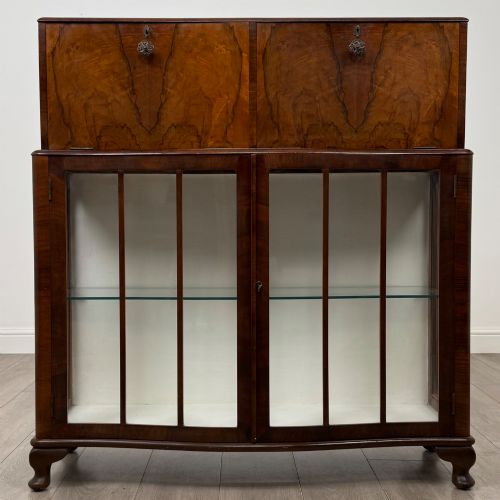
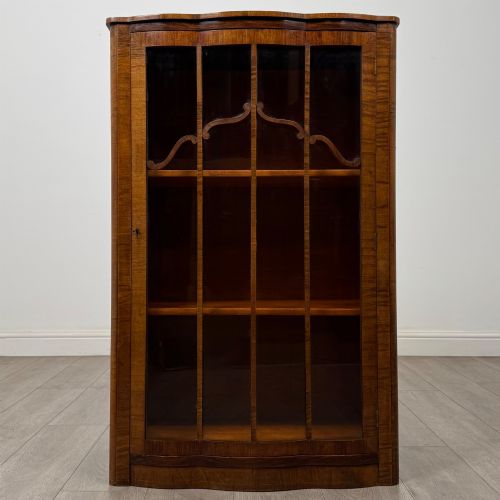
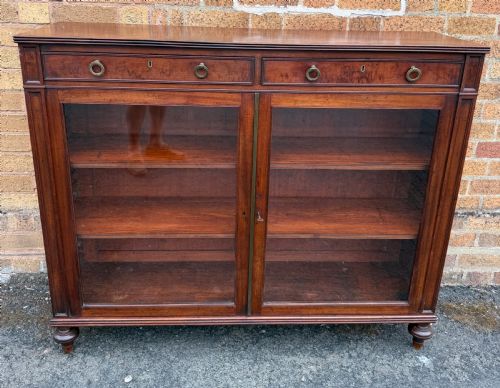
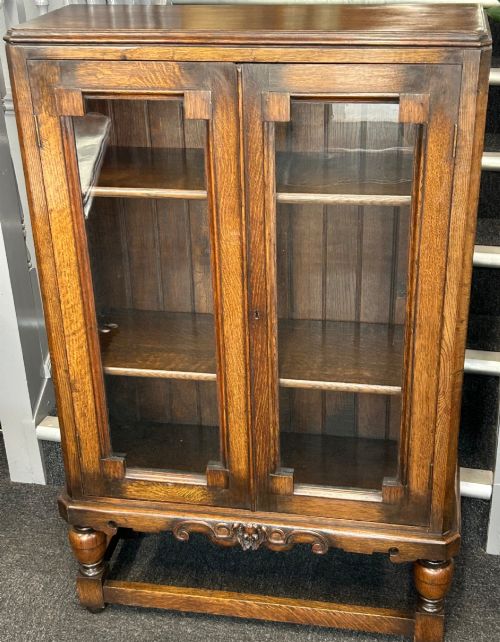
A glass fronted cupboard keeps books and ornaments visible while protecting them behind timber and glass panels.
Glass Fronted Cupboard
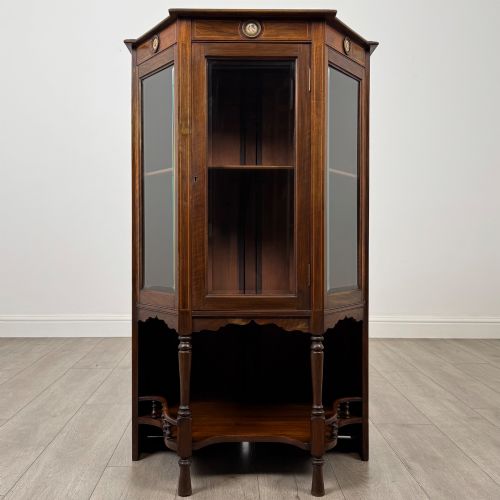
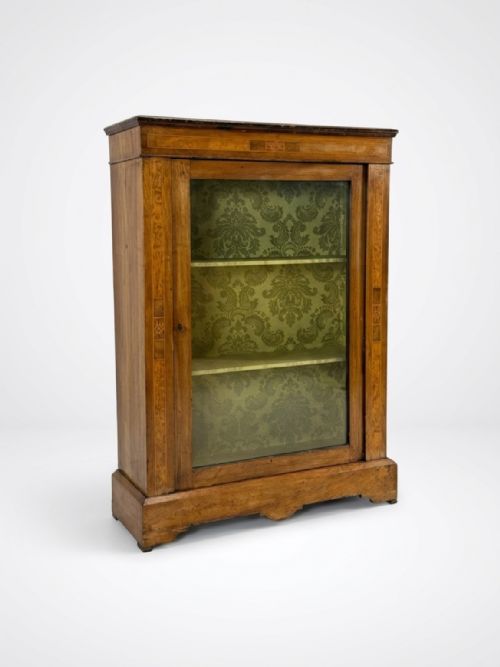
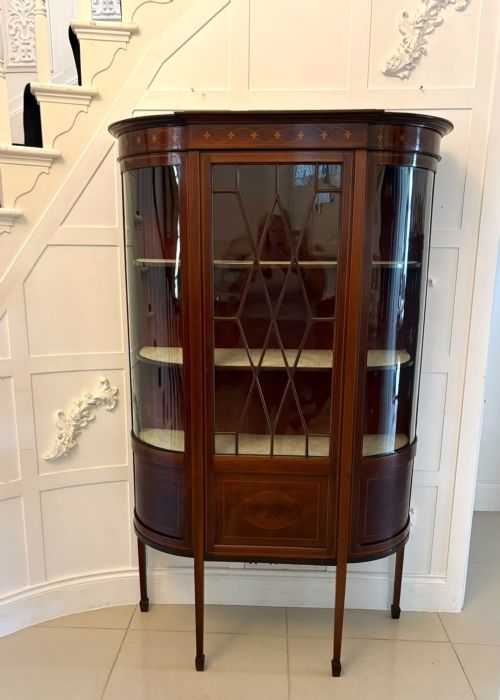
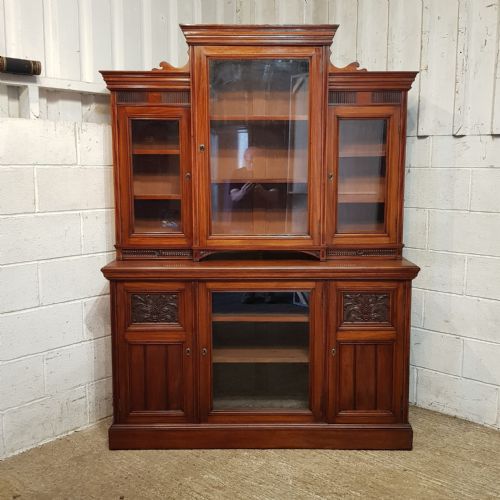
A glass fronted cupboard spans forms such as display cabinets, bookcases, corner cabinets, and pier cabinets from Georgian, Victorian, and Edwardian periods. Buyers encounter mahogany, walnut, and satinwood pieces that range from slender corner units to large breakfront bookcases.
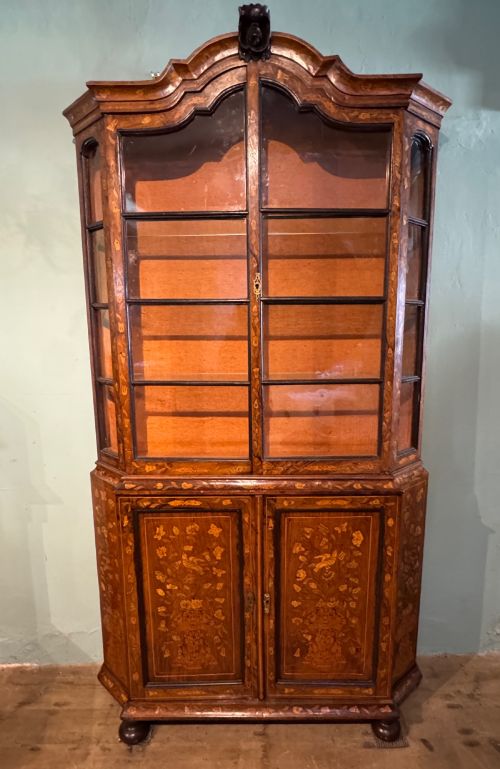
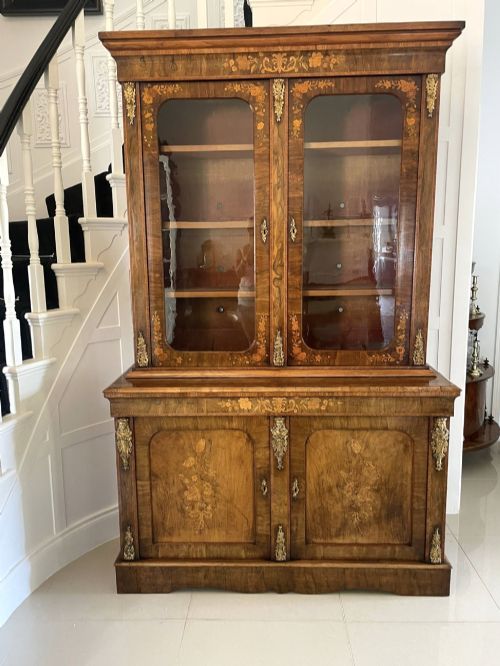
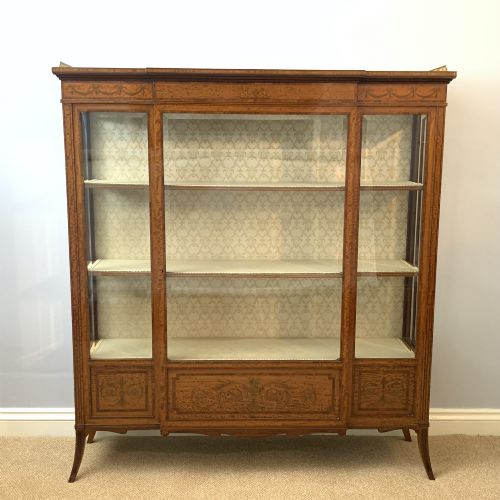
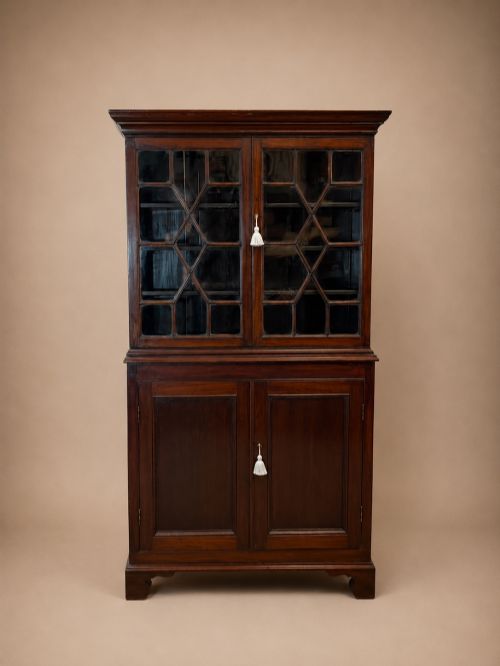
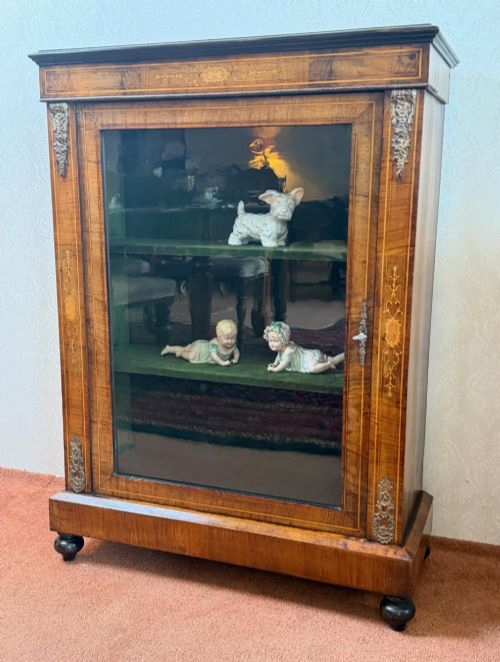
The Edwardian era contributes numerous inlaid mahogany and satinwood display cabinets, whilst Victorian examples frequently employ burr walnut, ormolu mounts, and marquetry. Earlier Georgian and George III pieces introduce mahogany bookcases alongside Dutch marquetry and walnut designs dating around eighteen hundred.
Storage configurations vary from tall glazed bookcases to low pier cabinets and fitted cabinets in figured walnut. Many pieces integrate brass hardware, fabric linings, and glazed doors designed to exhibit collections while sheltering them from dust.
Materials and construction
Cabinet makers utilised solid and veneered timbers including mahogany, walnut, burr walnut, satinwood, rosewood, and oak for the primary structures. Marquetry inlays, painted decoration, and brass fittings augment the wooden surfaces.
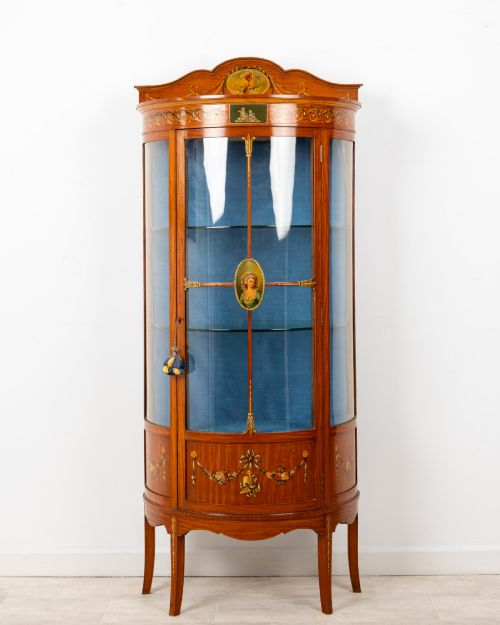
Glazing bars hold the glass panes within doors of varying shape, including bow-fronted and breakfront configurations. Ormolu mounts, fabric linings, and specialised interior fittings such as secretaire drawers complete the construction of these cabinets.
Listings feature mahogany, walnut, satinwood, rosewood, and oak across Georgian, Victorian, and Edwardian periods.
Evaluating the pieces
The distinction between tiers rests upon timber selection and the complexity of surface decoration. Highly figured veneers, intricate marquetry, and painted satinwood panels separate standard utilitarian storage from finer cabinet work.
Makers such as Edwards & Roberts and Maple & Co. introduced specialised detailing and refined proportion, whilst joinery execution in the glazing bars and drawer construction governs the structural integrity of each cabinet.
Edwards & Roberts·Maple & Co.
The Glass Fronted Cupboard Glossary
- Pier cabinet
- A low cabinet designed to fit against the wall space between windows. These pieces often feature glass doors and walnut or mahogany construction.
- Vitrine
- A glass-sided display cabinet intended for the exhibition of porcelain and small objects. Such pieces frequently employ satinwood or painted finishes.
- Secretaire bookcase
- A tall bookcase incorporating a pull-down writing drawer with internal pigeonholes and compartments above lower cupboard storage. These combinations utilise mahogany and walnut.
- Ormolu
- Gilded bronze mounts applied to furniture as decorative ornament. This material appears on Victorian burr walnut cabinets.
- Marquetry
- Inlaid patterns formed from different coloured wood veneers fitted together to create pictorial or geometric designs. Dutch cabinets often employ this technique.
Glass Fronted Cupboard: Frequently Asked Questions
Where should I place a corner cabinet?
A corner cabinet fits directly into the angle of a room, utilising space that standard rectangular furniture leaves empty. These pieces work effectively in dining rooms and studies.
Models with glazed doors allow for the display of china or books while maintaining clear floor circulation in smaller spaces.
How do I identify an Edwardian display cabinet?
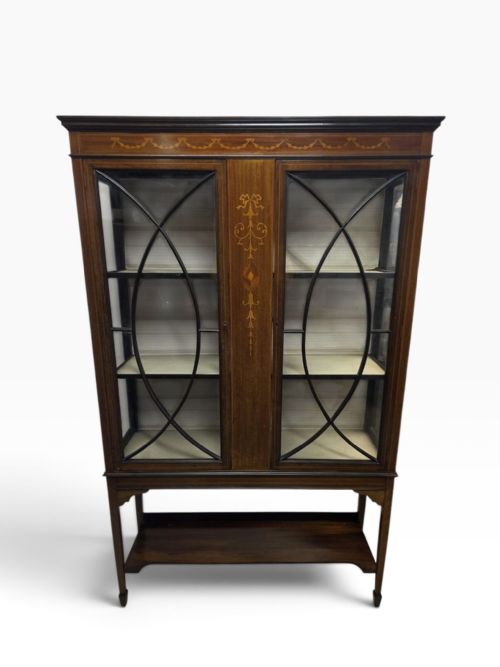
Edwardian display cabinets frequently feature light mahogany or satinwood timbers, often enhanced with delicate stringing and inlaid decoration. These pieces date from around nineteen hundred to nineteen ten.
They commonly present bow-fronted or straight profiles with glazed doors designed to exhibit decorative ceramics and glassware.
What is a pier cabinet used for?
A pier cabinet is designed for placement against the narrow wall space between windows. These low units provide surface display and enclosed shelving.
Victorian examples in walnut frequently incorporate glass doors and brass mounts to display ornaments without blocking natural light.