
Antique Glazed Display
Antique glazed display pieces bring together fine cabinetmaking and clear glass to show collections, books and porcelain.
Antique Glazed Display
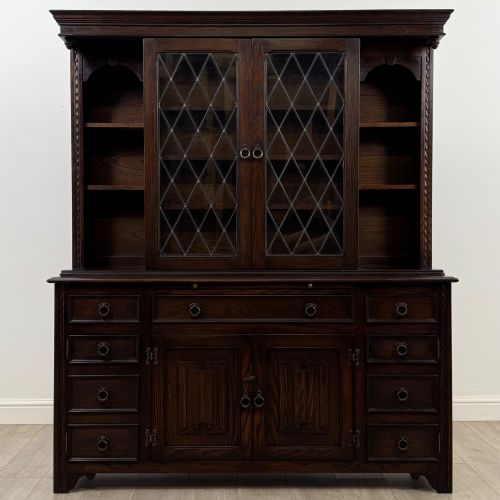
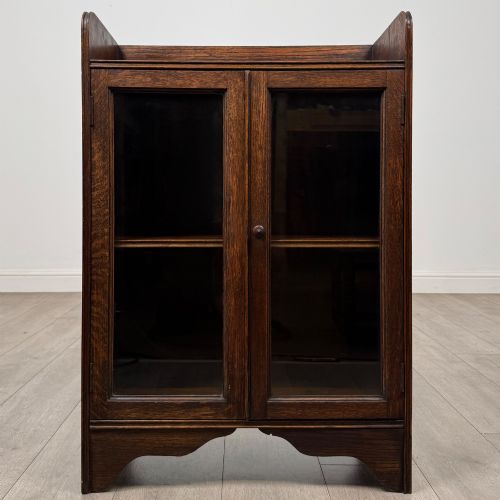
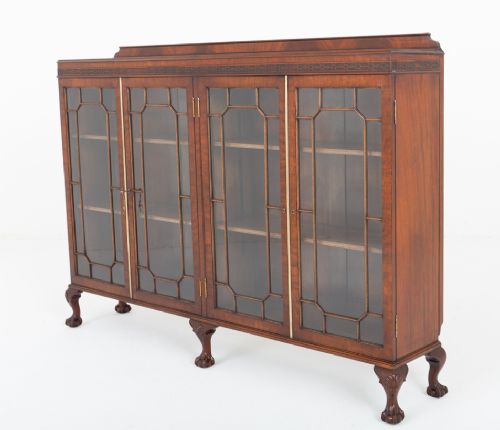
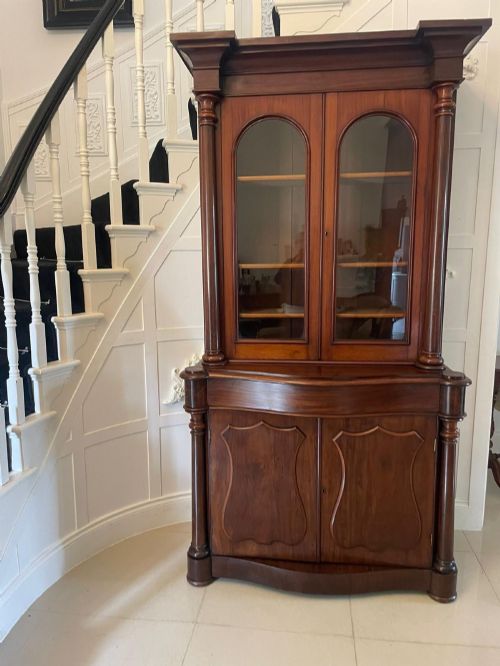
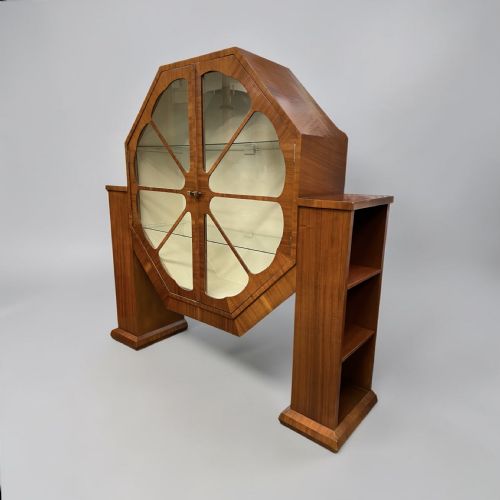
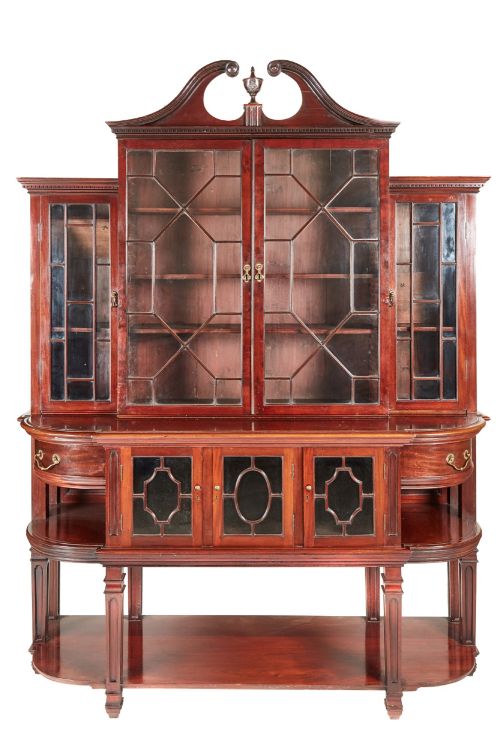
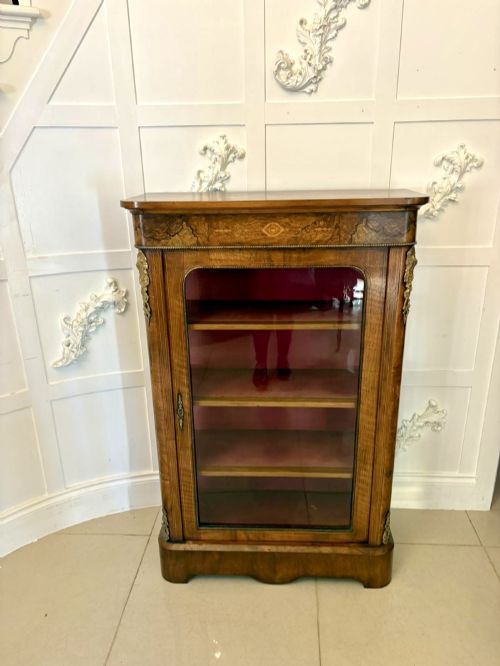
An antique glazed display piece serves to protect and showcase precious objects, books and ceramics within domestic interiors. When searching for antique glazed display options, buyers encounter everything from large breakfront bookcases and library cabinets to small tabletop vitrines and wall-hanging cupboards.
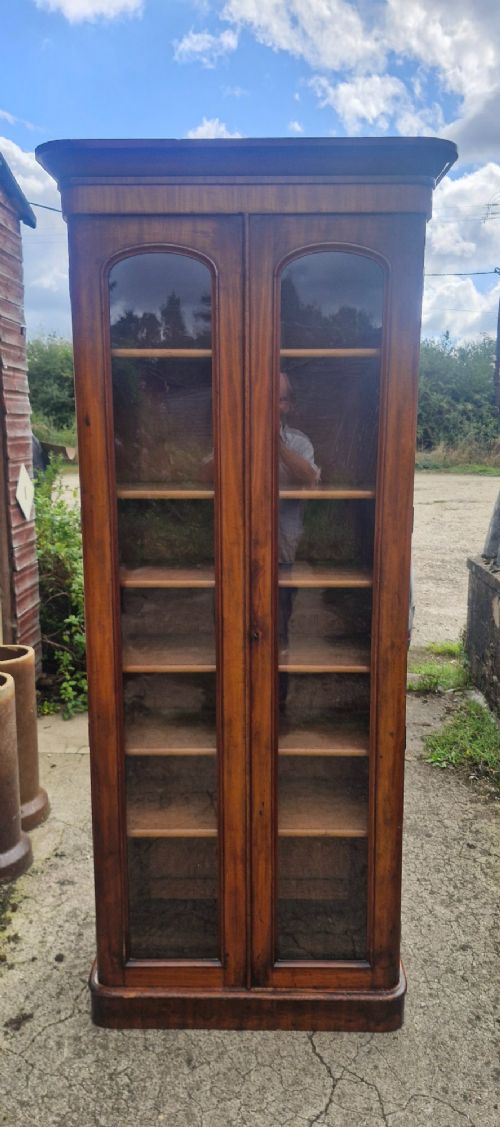
Victorian and Edwardian examples dominate the selection, frequently constructed in mahogany, walnut and oak. Alongside these formal pieces sit regional variations in pine and oak, reflecting domestic storage needs across the nineteenth and early twentieth centuries.
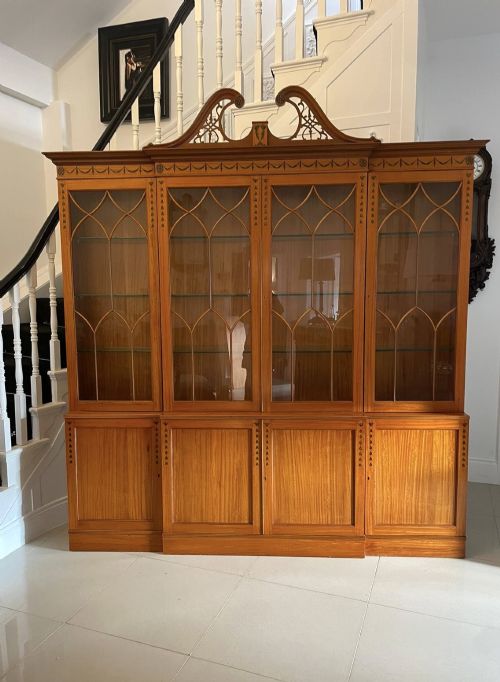
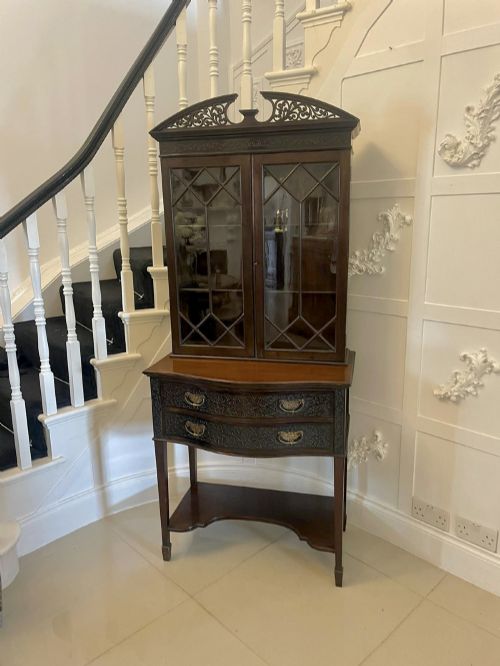
The layout typically combines upper glazed compartments with lower wooden cupboards or drawers. Breakfront configurations and slender display tables offer varied profiles for different room proportions.
Materials and Technique
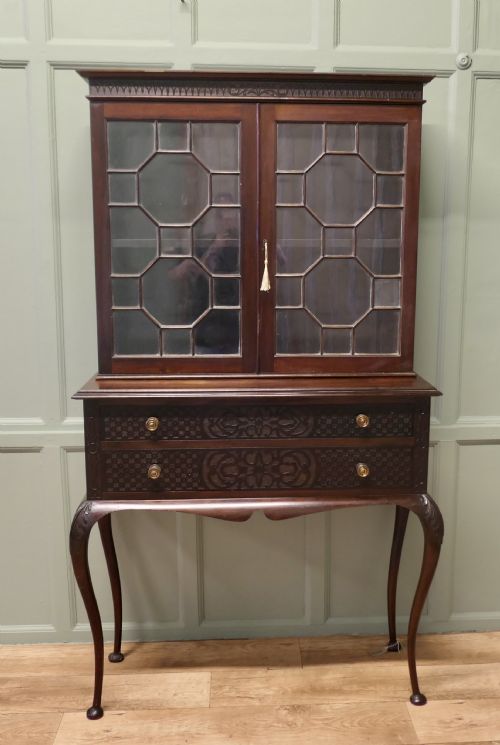
Cabinetmakers utilised dense timbers like mahogany, walnut and oak as the structural carcase, often applying fine veneers such as burr walnut, flame mahogany and satinwood to principal surfaces. Glazing bars, whether arranged in simple grids or delicate astragal curves, held individual panes of glass securely within the door frames.
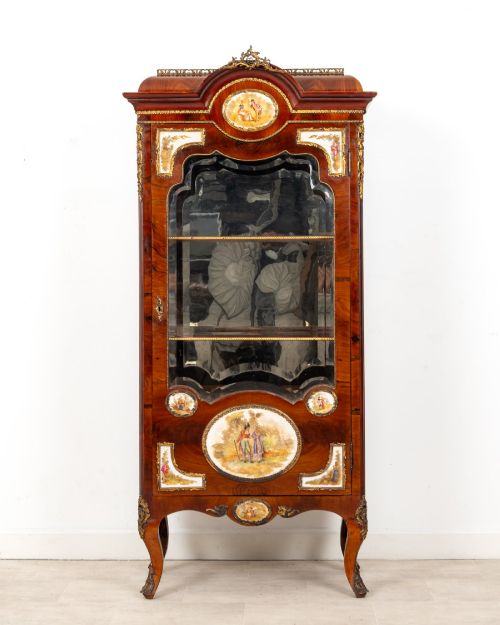
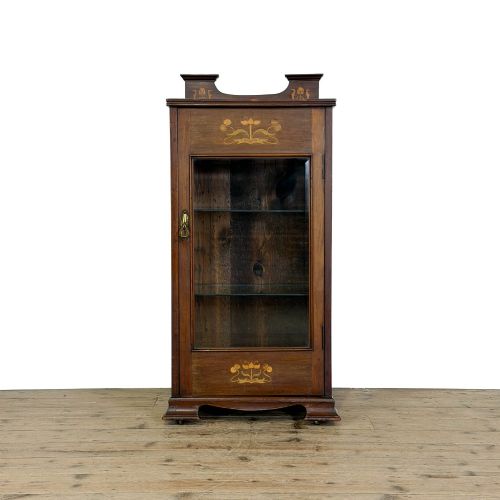
Decoration relied on marquetry inlay, ormolu mounts, hand-painted details and carved mouldings rather than applied plastics or modern adhesives. Interior shelving was frequently made adjustable to accommodate volumes and objects of varying heights.
Listings span the eighteenth to the twentieth centuries, featuring oak, mahogany, walnut, pine and satinwood alongside brass, ormolu and fabric.
Markers of Excellence
Quality rests upon the selection of timber veneers, the precision of the joinery, and the delicacy of the glazing bars. Superior pieces display matched grain patterns across large surfaces, tight dovetail joints in the drawer construction, and original hand-blown glass panes.
The integrity of decorative elements, from brass ormolu mounts to inlaid stringing, distinguishes standard utilitarian storage from high-status cabinetmaking. Original glass, working locks with matching keys, and well-balanced doors that hang true elevate the standing of any piece.
The Antique Glazed Display Glossary
- Astragal
- A moulding profile used to divide glass panes within a door frame. These narrow strips create geometric patterns that frame the contents of the cabinet.
- Breakfront
- A piece of furniture where the central section projects forward from the flanking wings. This architectural arrangement adds depth and visual rhythm to large bookcases.
- Vitrine
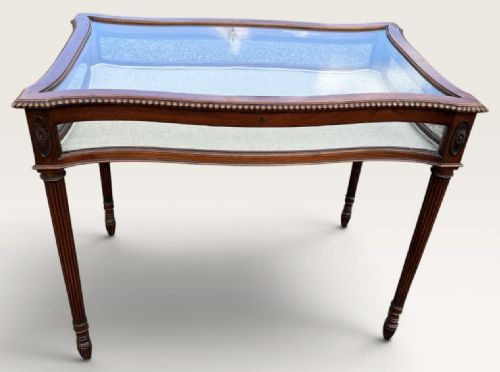
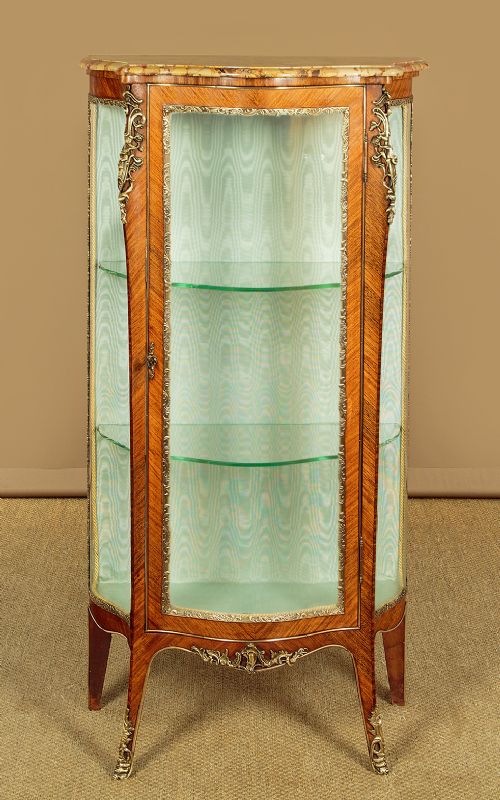
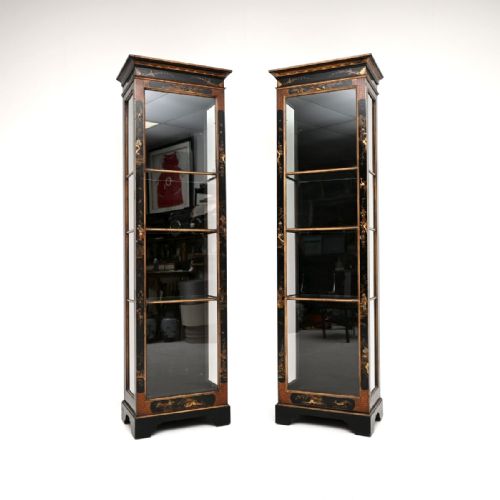
- A glass-sided display cabinet designed primarily for the exhibition of porcelain and small artefacts. Such enclosures allow light to enter from multiple angles.
- Ormolu
- Gilded bronze mounts applied to furniture for decorative effect. French cabinetmakers frequently used these metallic ornaments on walnut and kingwood carcases.
- Bijouterie table
- A glazed display table with a shallow compartment beneath the top surface. These tables were utilised in nineteenth-century drawing rooms for small valuables.
Antique Glazed Display: Frequently Asked Questions
How do I clean the glass?
Use a soft, lint-free cloth with a mild vinegar solution applied to the cloth rather than sprayed directly onto the wood. Avoid harsh chemical cleaners that can damage aged timber finishes.
Take care around delicate glazing bars and antique putty which may have dried and loosened over the decades.
Are the shelves adjustable?
Many Victorian and Edwardian bookcases feature adjustable wooden shelves supported on wooden racks or metal pins. This system allowed owners to alter shelf heights for varying book sizes.
Simpler regional cupboards often have fixed wooden shelving secured directly into the carcase sides.
How do I date a cabinet?
Dating relies on combining timber choice, construction methods, hardware types and stylistic revival influences. For instance, Edwardian satinwood pieces often show Sheraton Revival traits, while mid-Victorian pieces utilise solid mahogany or burr walnut veneers.
Examining the backboards, drawer dovetails and screw types helps confirm the period of manufacture.
Where should I place it?
Position these cabinets away from direct sunlight and strong heat sources such as radiators to prevent timber splitting and veneer lifting. Stable room humidity preserves both the wood and the historic glass.
Ensure the floor is level so that large breakfront units and tall bookcases do not warp their door frames over time.