



Glass Display Dome
When you search for a glass display dome, you are looking for blown glass covers paired with wooden bases designed to protect delicate Victorian and Edwardian specimens.
Glass Display Dome
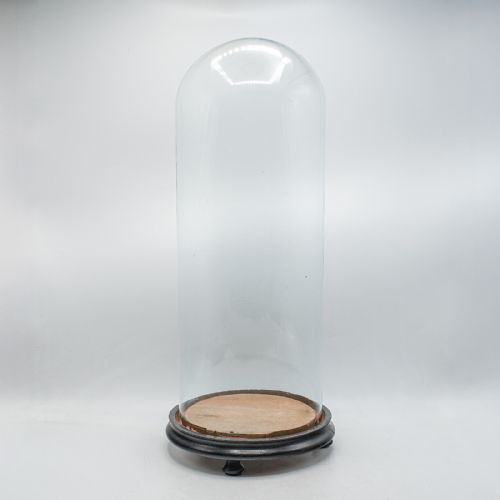
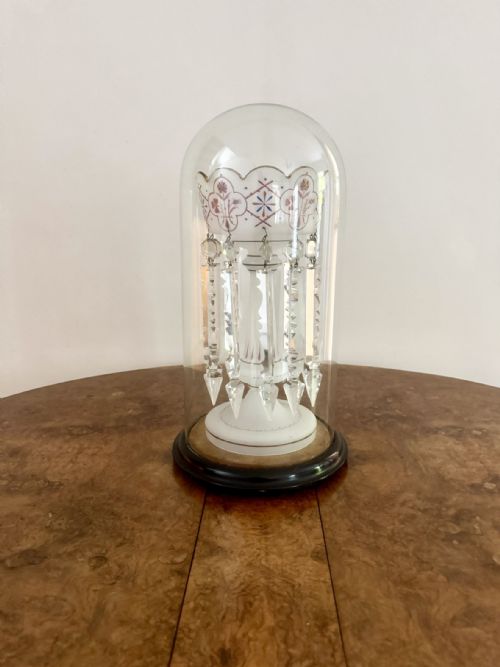
A glass display dome is a protective glass cover set upon a fitted base, designed to safeguard delicate ornaments and specimens from dust. They appear predominantly in Victorian and Edwardian forms, spanning tall showcase styles and wide oval specimen cases.
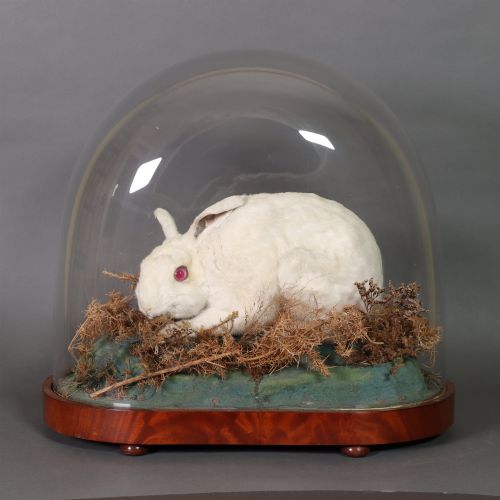
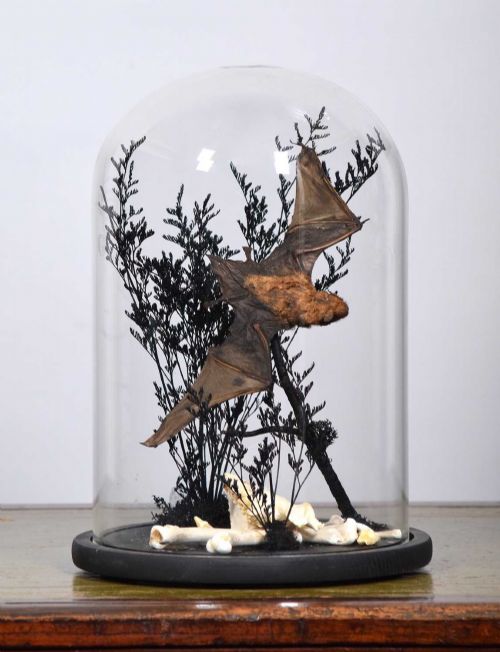
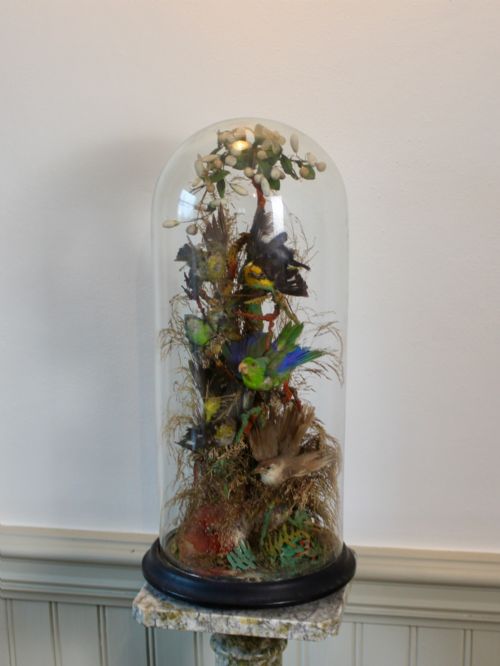
The objects housed beneath these glass covers vary widely, ranging from taxidermy birds and small mammals to intricate French beadwork bouquets, silk flowers, and botanical collections. Many function as clock domes, originally made to shield delicate mantel and carriage timepieces.
The versions most commonly met on this page originate from the nineteenth and early twentieth centuries, created by English makers and occasionally imported from France. Their bases are fashioned from turned timber, often standing on small feet to elevate the whole composition.
What varies in quality
Quality rests principally on the clarity and historic integrity of the blown glass, where older hand-blown examples display characteristic thickness variations and surface bubbles. Superior specimens retain their original matching wooden bases without splits or replacement feet.
The standard of the interior display dictates the overall merit of the piece, distinguishing professionally arranged taxidermy or intricate beadwork from simpler arrangements. Domes paired with uncommon base configurations, such as inlaid woods or integrated brass feet, command greater interest.
One Victorian dome once preserved an albino rabbit prepared by the royal taxidermist himself.
James Gardner·Henry Ward·A Pollard·Davis and Co
The Glass Display Dome Glossary
- Cloche
- A bell-shaped glass cover traditionally utilised in gardens or parlours to protect delicate plants and specimens. The term is frequently interchanged with display dome.
- Ebonised wood
- Timber treated with a dark stain or finish to imitate ebony, commonly utilised for Victorian display bases. This dark finish provides a high-contrast frame for light-coloured specimens.
- Vitrine
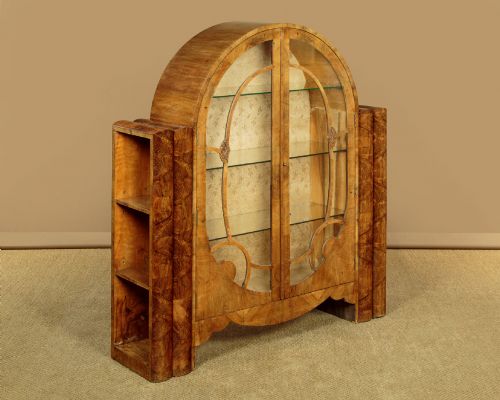
- A glass-fronted cabinet or display case designed for showcasing valuables. While distinct from a standalone dome, it shares the same nineteenth-century collecting purpose.
- Taxidermy showcase
- An enclosed display housing preserved animals, birds, or insects arranged in a naturalistic setting. These are frequently protected beneath large oval or tall glass domes.
- Bell bottom
- A descriptor for a glass dome featuring a distinct outward-curving rim at the base. This historic shape sits directly into a rebated wooden groove.
Glass Display Dome: Frequently Asked Questions
What fits under a glass display dome?
These glass covers house a variety of fragile nineteenth-century objects, including taxidermy birds, butterflies, and small mammals. They also protect delicate silk flower arrangements, beadwork bouquets, and horological items like carriage clocks.
Selecting a dome requires matching the height and footprint of the interior specimen to the internal clearance of the glass. Flat-sided and oval variants accommodate specific diorama layouts, while tall cylindrical versions suit upright botanical specimens.
How do I clean an antique glass dome?
Cleaning requires lifting the blown glass cover carefully from its wooden base using both hands on a stable surface. Use a mild glass cleaner applied to a soft cloth rather than directly spraying the glass, taking care near historic edges.
The wooden base should be dusted with a dry, soft brush to preserve the aged finish and any original fabric lining. Avoid harsh chemical polishes on ebonised or polished timber bases.
Were these domes originally made for clocks?
Many surviving examples served as clock domes, specifically manufactured to protect mechanical mantel and carriage timepieces from domestic dust. These feature heavy, perfectly round or ovoid glass covers resting on simple turned wooden plinths.
Collectors frequently repurpose clock domes today to display unrelated natural history specimens and curiosities. The presence of a small central aperture in the wooden base often indicates an original horological use.
How do I date a Victorian glass dome?
Dating relies upon examining the characteristics of the blown glass and the timber species used for the base. Hand-blown Victorian glass typically displays minor surface irregularities, uneven thickness, and occasional tiny air bubbles absent in machine-made modern alternatives.
Early pieces from the mid-nineteenth century often feature deep ebonised wooden stands with simple bun feet, whereas Edwardian iterations tend to utilise lighter oaks or simpler stepped mouldings.