






Glass Cloche Display
Glass cloche display pieces protect fragile natural specimens and precious objects under clear blown covers.
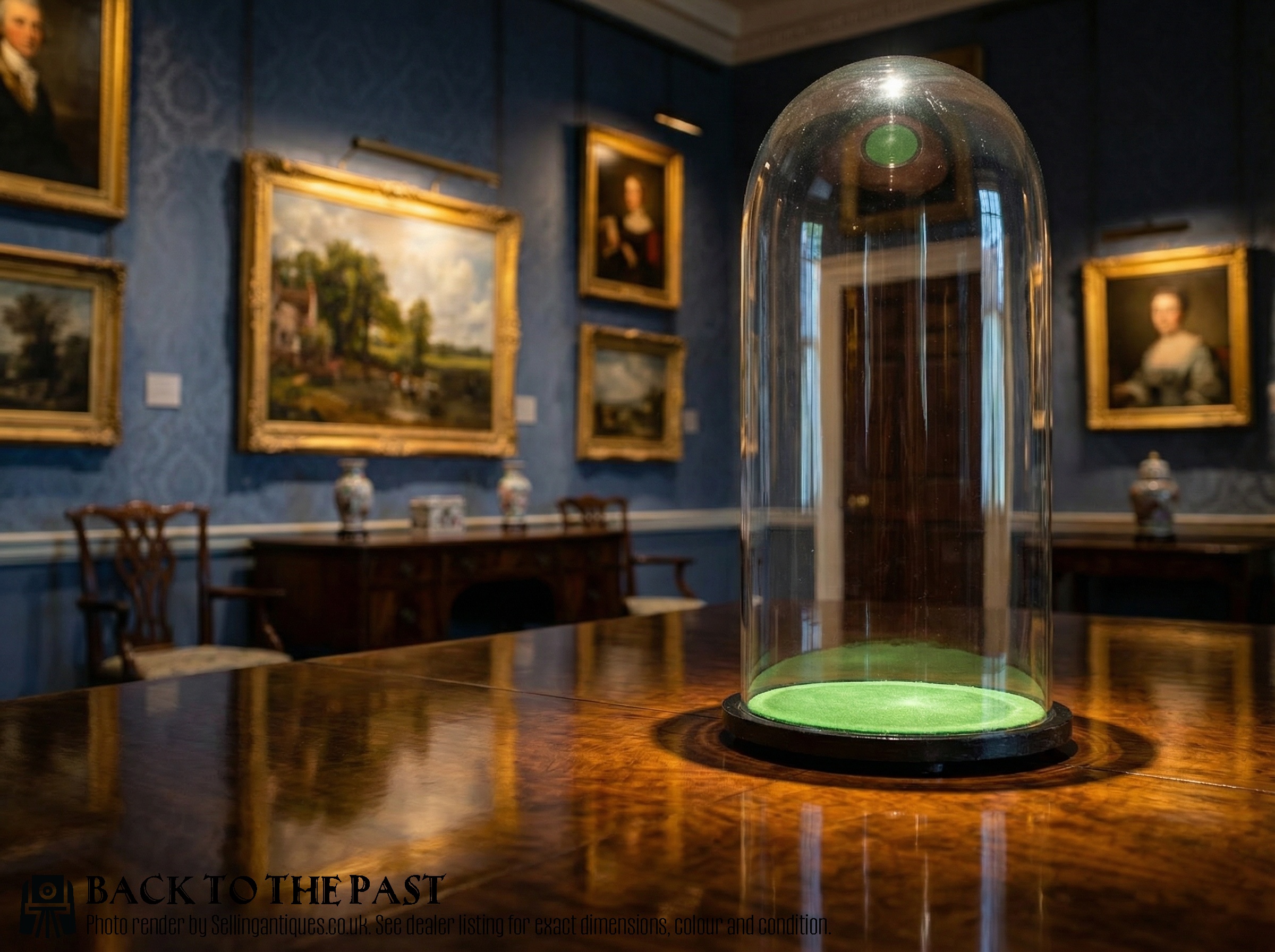
Glass Cloche Display
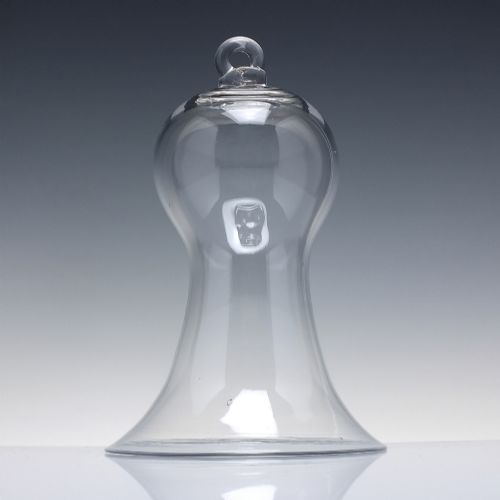
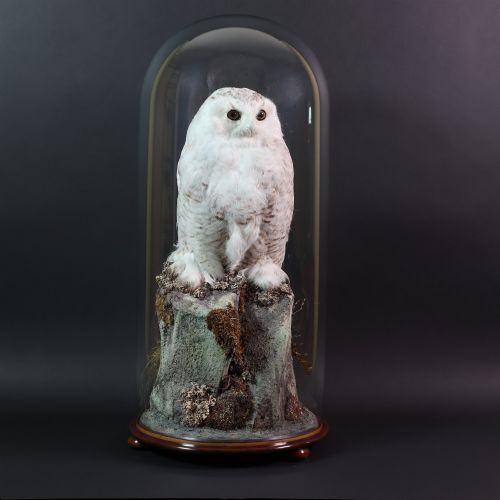
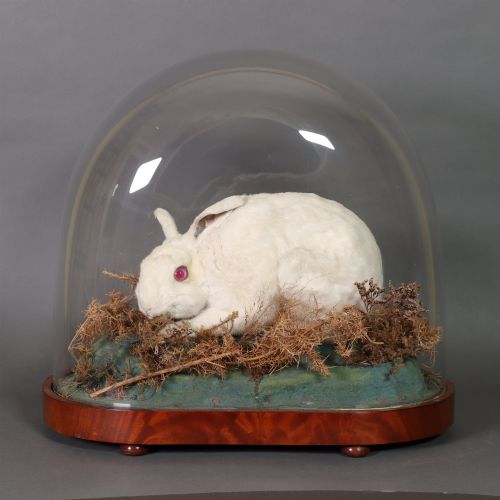
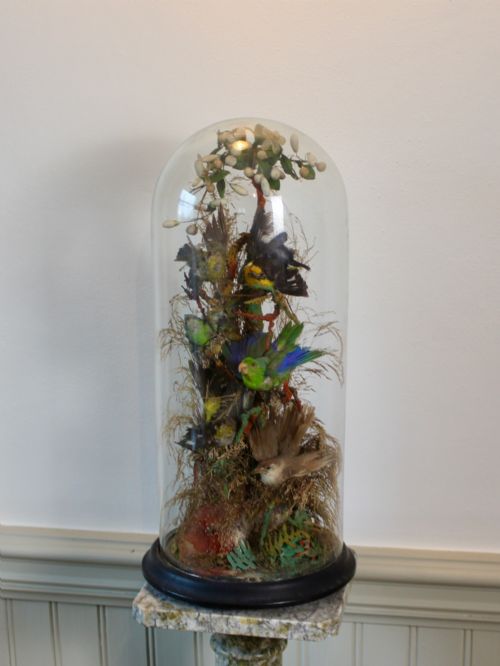
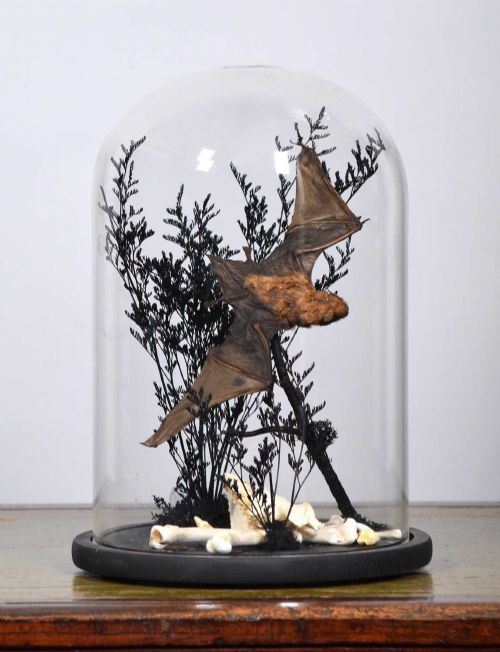
A glass cloche display serves to preserve and showcase delicate items such as taxidermy birds, botanical specimens, and devotional art. Buyers seek these enclosures to bring historical interior decoration and protected curiosities into modern spaces.
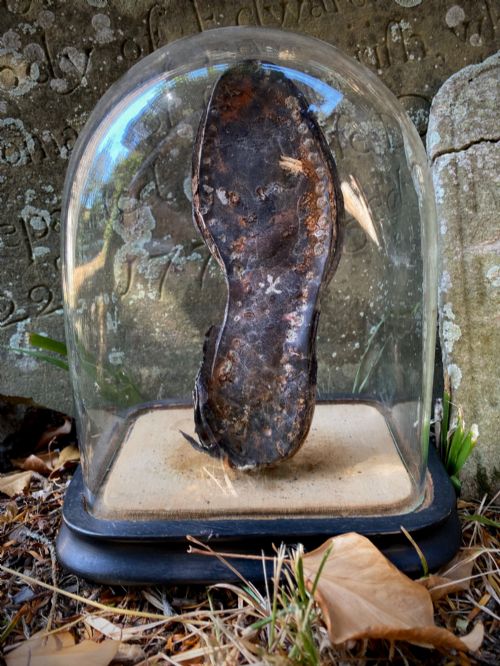
The selections available range from tall Victorian and Edwardian examples housing birds of paradise or clock movements to flat-sided domes holding snow buntings or beadwork bouquets. Most pieces combine blown glass covers with wooden bases made from oak, beech, pine, or ebonised timber.
Originating predominantly from English workshops, these items span the nineteenth and early twentieth centuries, capturing a distinct period of scientific and natural history collecting.
Materials and construction
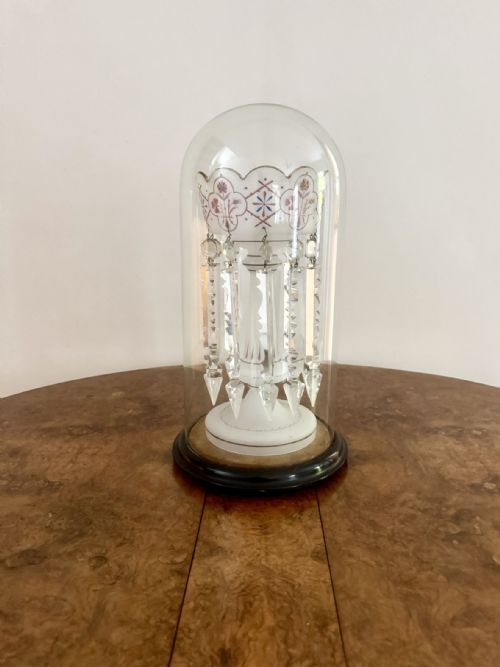
Makers fashioned the clear covers using traditional glassblowing techniques, resulting in domes with characteristic thickness and subtle surface ripples. These covered bases turned from woods like oak, beech, or ebonised timber, frequently incorporating wire or fabric supports inside.
Interiors often relied on velvet, felt, or wire frameworks to hold taxidermy specimens, still lifes of fruit, or French beadwork bouquets securely in position.
Glass Cloche Display Retail Price Guide 2026
Typical asking prices for glass cloche display among the pieces listed under this phrase on Sellingantiques today, from the lower quarter to the upper quarter. They describe what is for sale here now, not the wider market.
Variations in quality
The clarity and weight of the blown glass distinguish the standard of production, with heavier, distortion-free covers representing superior craftsmanship. Original timber bases matched accurately to their specific domes command greater regard among collectors.
The complexity and preservation of the interior contents, from multi-bird taxidermy compositions attributed to known practitioners to simple clock covers, dictate the standing of an individual piece.
James Gardner of London·Henry Ward London·A Pollard
The Glass Cloche Display Glossary
- Cloche
- A bell-shaped glass cover designed to protect plants, food, or decorative objects. The term derives from the French word for bell.
- Taxidermy
- The art of preparing, stuffing, and mounting the skins of animals for display. Victorian examples frequently paired birds or small mammals with naturalistic settings under glass.
- Ebonised
- Wood treated to imitate ebony, usually through staining or painting. This finish appears frequently on nineteenth-century display bases.
- Display dome
- A transparent glass cover paired with a stand to protect and exhibit collectibles. They served to keep dust away from delicate parlour ornaments and clock movements.
Glass Cloche Display: Frequently Asked Questions
What fits inside a glass cloche display?
These enclosures traditionally house taxidermy specimens, clock movements, botanical arrangements, and delicate decorative art objects. They maintain the condition of fragile items by keeping out dust and handling.
The scale of each dome determines its contents, ranging from small single-bird displays to tall specimen cases holding complex multi-species compositions.
How do I date a glass cloche display?
Dating relies on the characteristics of the glass, the wood of the base, and the style of the interior contents. Victorian and Edwardian examples often feature hand-blown glass with distinct thickness variations.
Base timbers like ebonised wood, oak, or beech, along with internal wire frames and mounting styles, provide further clues for placing pieces within the nineteenth or early twentieth century.
Were these domes always used for taxidermy?
While natural history specimens represent a major category, these covers served numerous domestic purposes. Many housed carriage clocks, mantel clocks, and decorative continental figures.
Others protected delicate handicrafts such as French beadwork bouquets, still lifes of fruit, and botanical specimens gathered by collectors.
How should I clean a glass cloche display?
Cleaning requires removing the glass cover carefully from its wooden base while supporting both parts. Standard glass cleaner applied with a soft cloth keeps the transparent surface clear.
Internal specimens and delicate bases should remain undisturbed, utilising only a gentle brush or dry cloth to remove superficial dust without damaging the historical materials.