
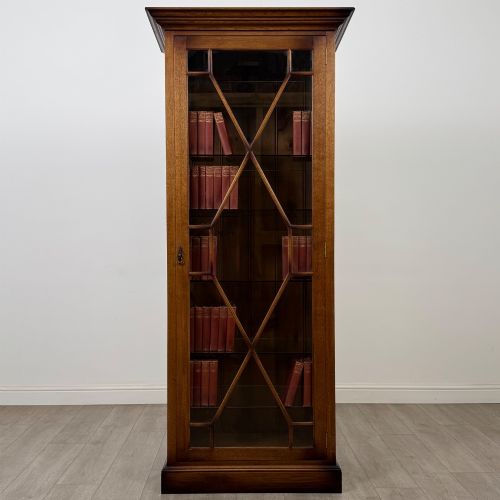


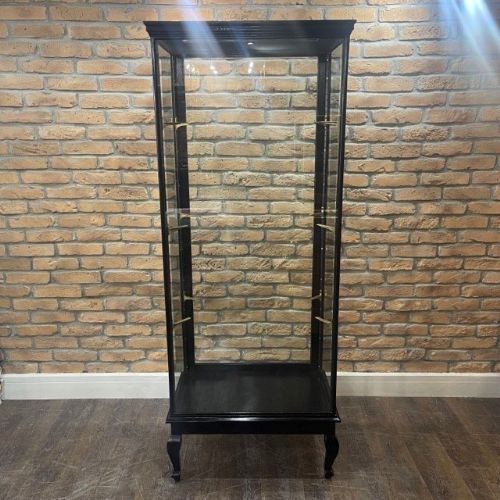


Tall Glass Showcase
A tall glass showcase offers a commanding view of treasured objects, drawing the eye upwards through expansive glazed panels.
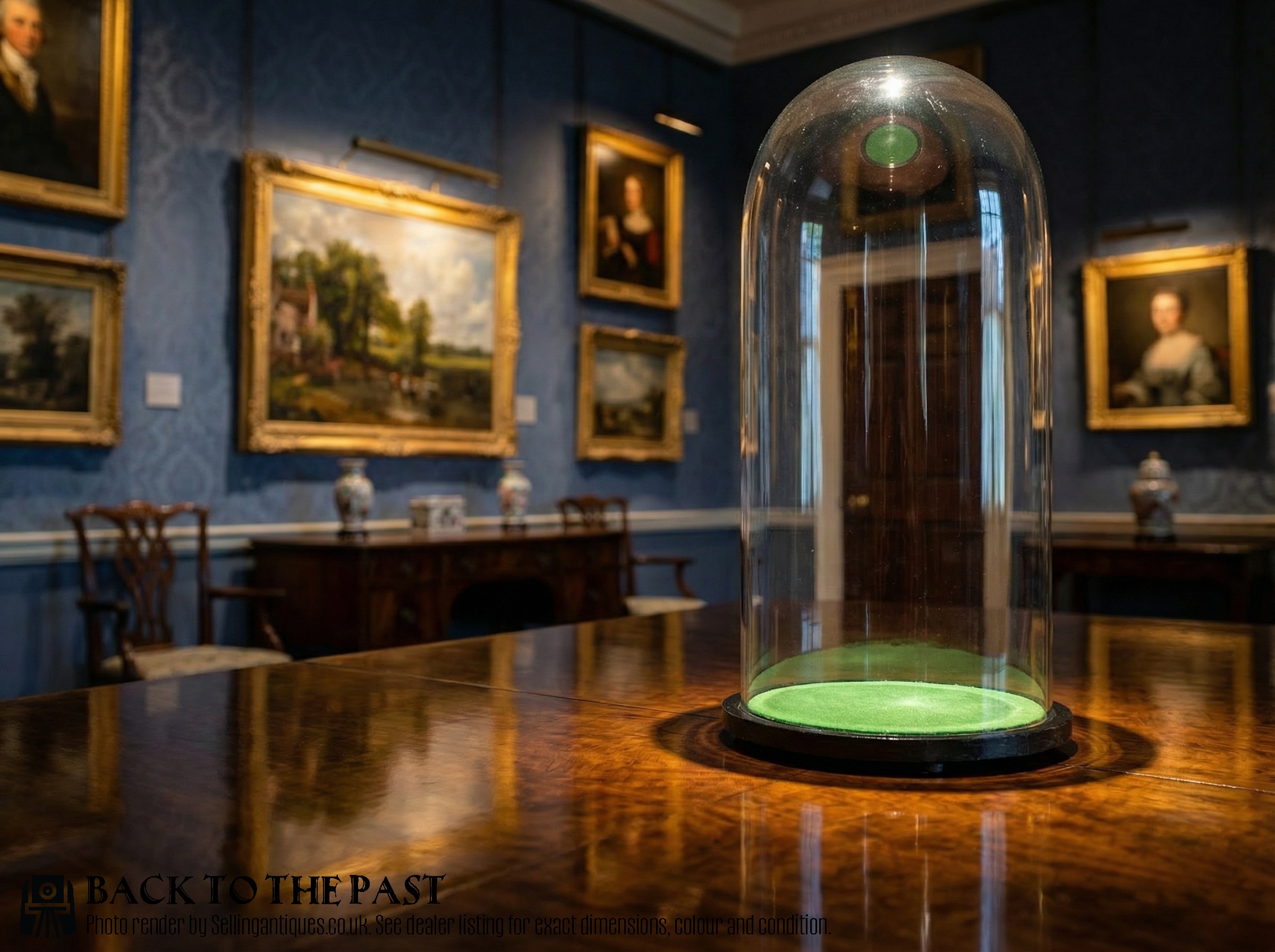
Tall Glass Showcase
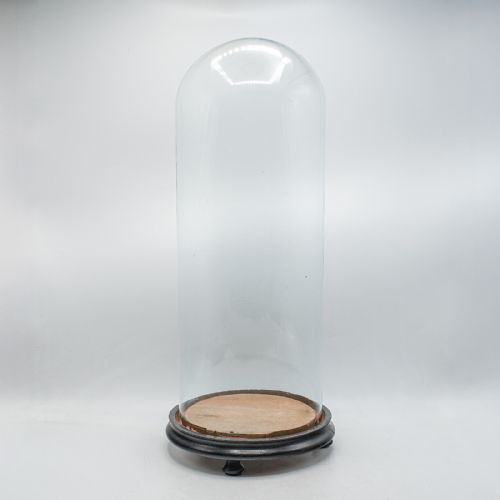
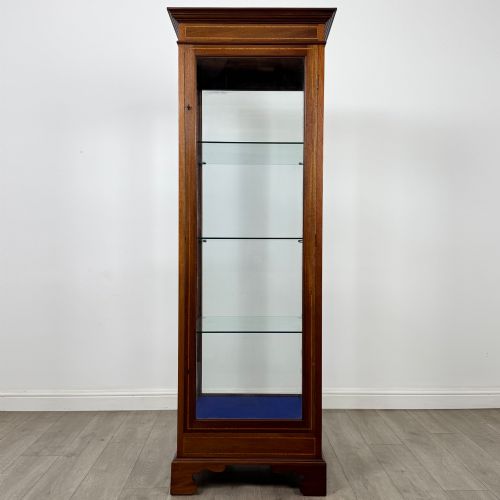
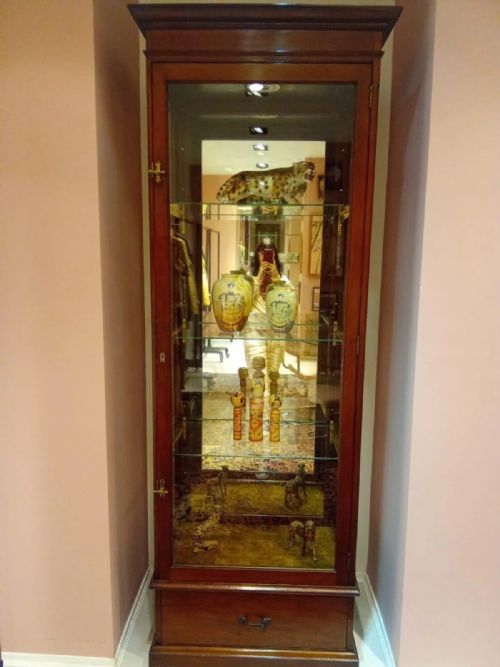
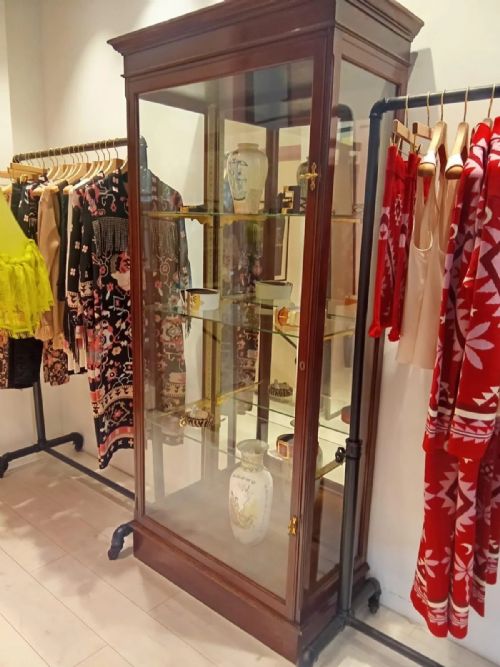
A tall glass showcase is designed to elevate and protect prized possessions, featuring prominently across Victorian, Edwardian and early twentieth-century eras. Buyers searching for a tall glass showcase will encounter upright freestanding shop cabinets, slender tower units, and imposing taxidermy domes resting on timber bases.
The materials span rich timbers like mahogany, oak, satinwood and ebonised wood, alongside specialised metal and leather frames. These pieces originate from domestic parlours, apothecary shops and retail showrooms, adapting glazed display surfaces for diverse interior settings.
How they were made
Cabinet makers utilised sturdy timber frames of mahogany, oak or ebonised wood to support large sheets of clear glass, ensuring maximum light penetration for the objects inside. Brass hardware, adjustable glass shelves and inlaid satinwood crossbanding frequently complete the construction of these upright display units.
Large blown or cast glass domes were fitted directly onto turned timber bases to create sealed dust-free environments for delicate taxidermy specimens and fragile collector items.
The listings span Victorian, Edwardian, and Art Deco periods, utilising mahogany, oak, satinwood, and brass.
What varies in quality
The distinction between standard utility cabinets and finer showroom pieces lies in the subtlety of timber selection and decorative detailing. Elaborate crossbanding, inlaid marquetry, curved bow fronts and original brass fittings elevate the visual presence of a cabinet.
Structural integrity depends on the precision of the glazed door seating and the condition of the internal adjustable shelving systems, which dictate how securely and clearly items can be exhibited.
E. Pollard & Co. Ltd.
The Tall Glass Showcase Glossary
- Bijouterie cabinet
- A glazed display table or cabinet specifically designed for small precious items, jewellery and trinkets. These pieces often feature velvet or fabric lined interiors.
- Crossbanding
- A decorative border technique where thin strips of veneer are laid across the grain of the primary wood. This adds a refined linear contrast to mahogany and satinwood furniture.
- Cloche
- A bell-shaped glass cover used to protect delicate ornaments, clocks or specimens. They sit flush against a wooden base.
- Ebonised wood
- Timber treated with a dark stain or finish to imitate ebony. This technique was widely utilised during the Victorian and Art Deco periods for a dramatic contrasting aesthetic.
Tall Glass Showcase: Frequently Asked Questions
What fits inside a tall glass showcase?
These vertical cabinets accommodate tall collections, ceramics, books, and sizeable decorative items upon their internal shelves. Freestanding tower formats make efficient use of floor space while maximising viewing angles.
Smaller enclosed domes are specifically proportioned for taxidermy specimens, delicate ornaments, and historical artefacts that require protection from dust and handling.
How do I clean the glass panels?
Use a lint-free cloth and a mild glass cleaning solution applied directly to the cloth rather than the cabinet. This prevents moisture from seeping into antique timber frames or brass joints.
Exercise caution around ebonised finishes and inlaid veneers to preserve the original surface patination during routine maintenance.
Where should I place a tower cabinet?
Position the unit away from direct sunlight to protect internal displays and prevent timber warping. Placing the cabinet against a secure interior wall ensures stability for tall glazed structures.
Ensure adequate ambient lighting in the room so light can pass effectively through the glass panels and illuminate your items.
How do I identify an Edwardian showcase?
Edwardian examples frequently display lighter mahogany timbers, delicate satinwood inlay, and refined proportions dating from around nineteen hundred to the nineteen tens. Cabinet designs from this period often emphasise domestic elegance over heavier Victorian mass.
Look for refined brass handles and adjustable glass shelving systems typical of early twentieth-century British furniture production.