


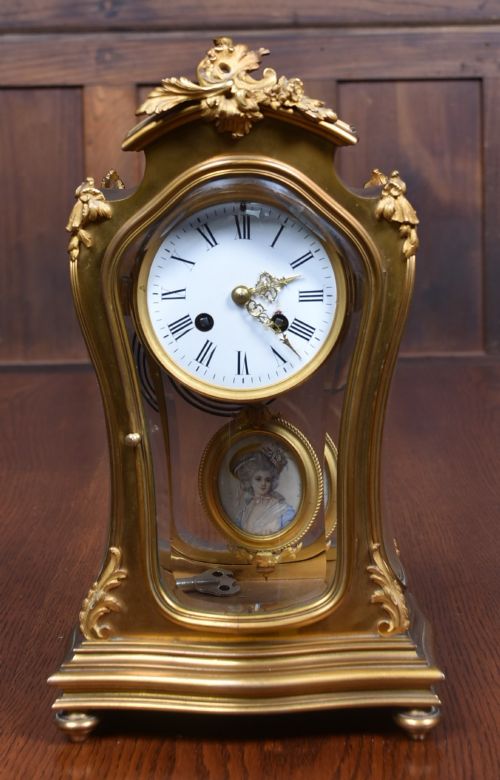
Glass Brass Table Clock
A glass brass table clock brings mechanical precision and luminous transparency together, catching the eye on any mantelpiece with polished metal and visible gears.

Glass Brass Table Clock
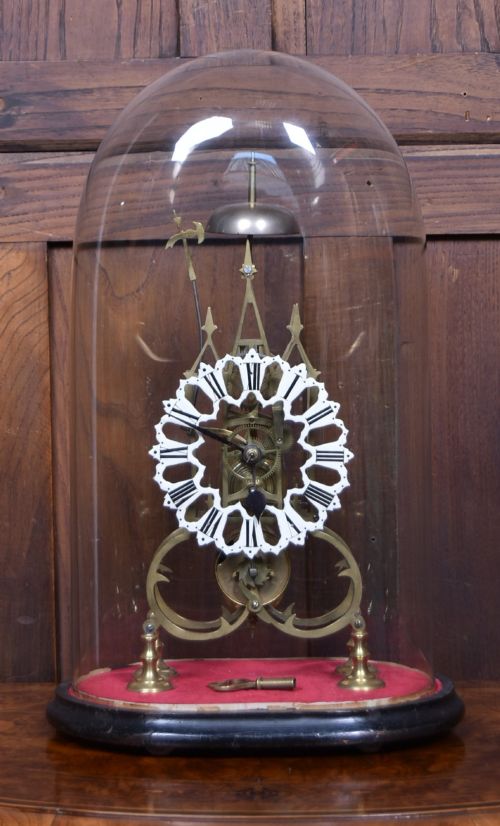
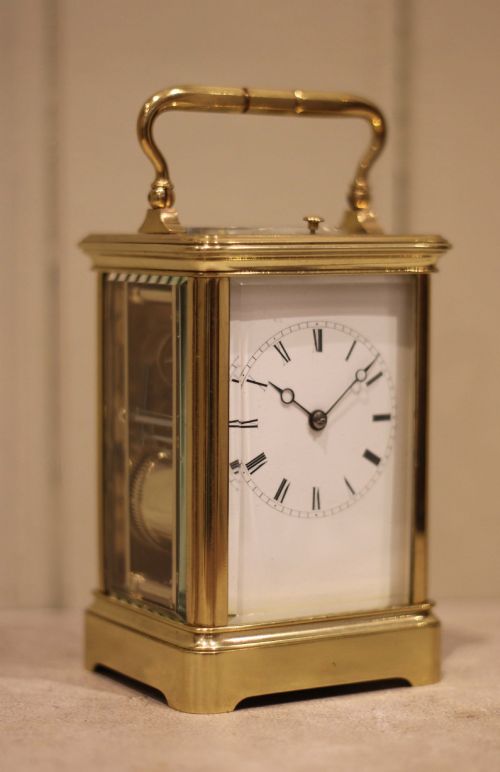
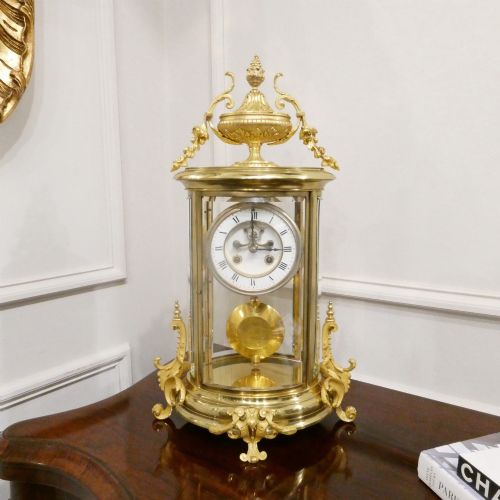
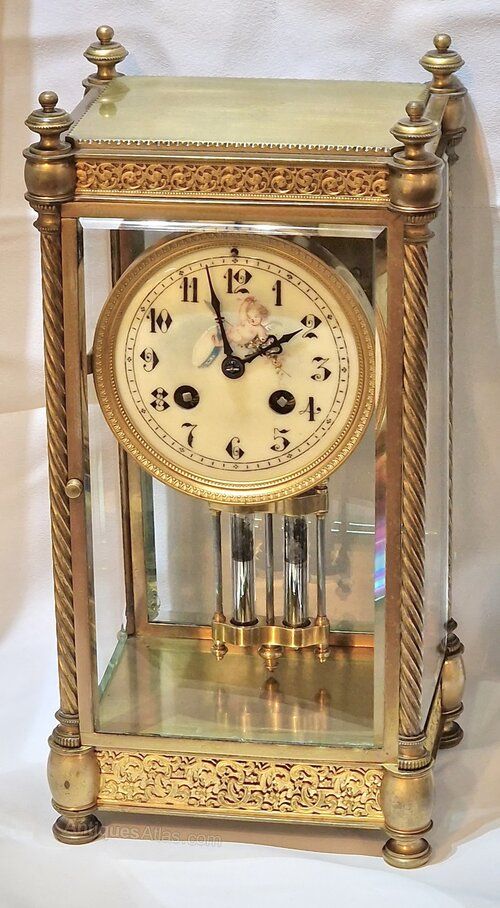
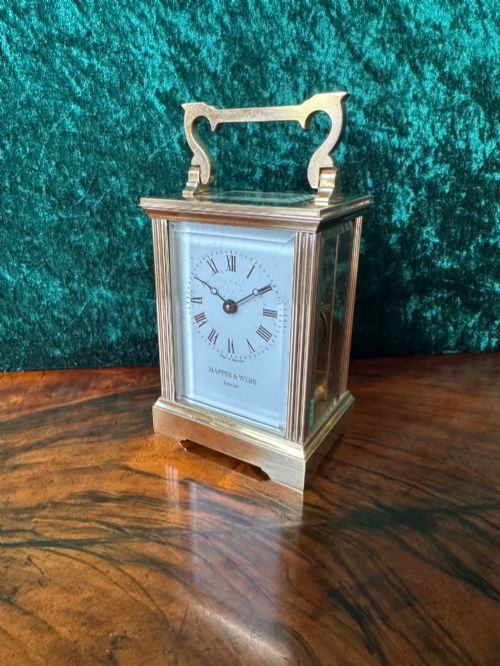
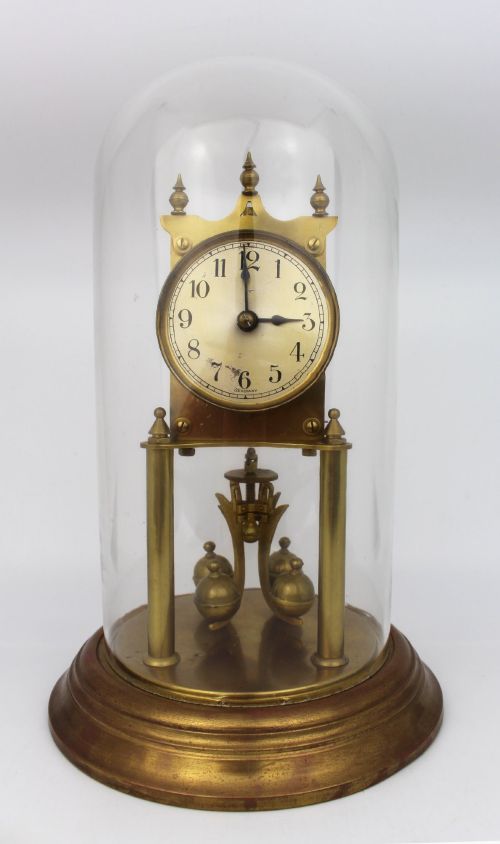
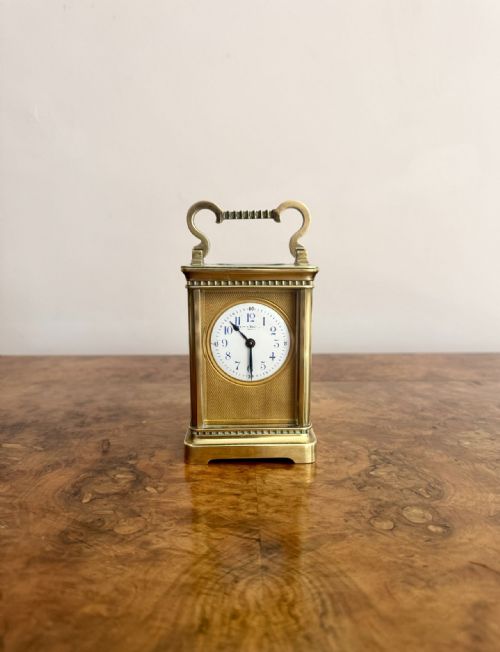
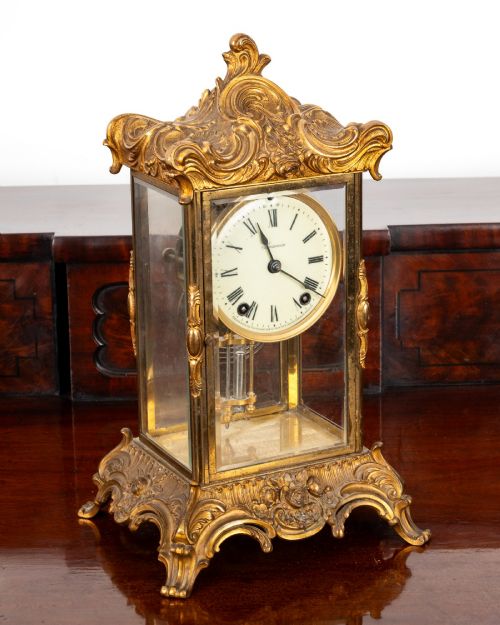
A glass brass table clock encompasses both carriage clocks and four-glass mantel designs originating predominantly from the nineteenth century. These pieces combine heavy brass framing with clear glass panels that reveal the interior movement from multiple angles.
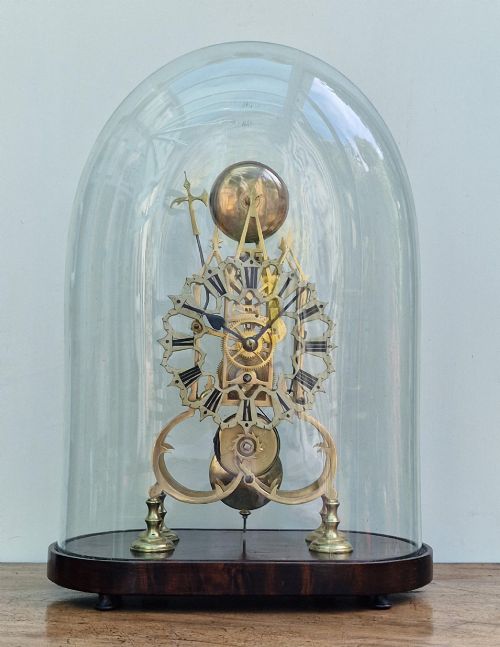
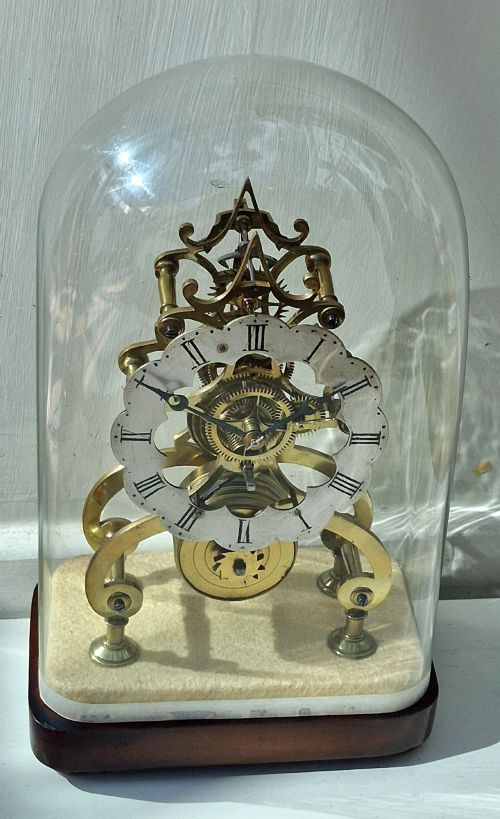
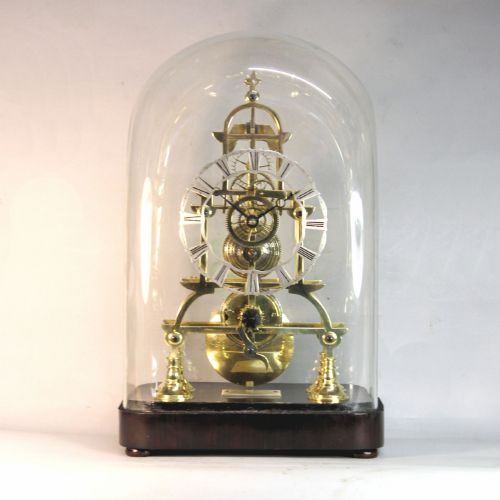
French and English workshops produced the vast majority of these items, spanning Victorian mantel clocks and precision skeleton clocks. The forms range from architectural four-glass cases to compact portable carriage designs fitted with enamel dials.
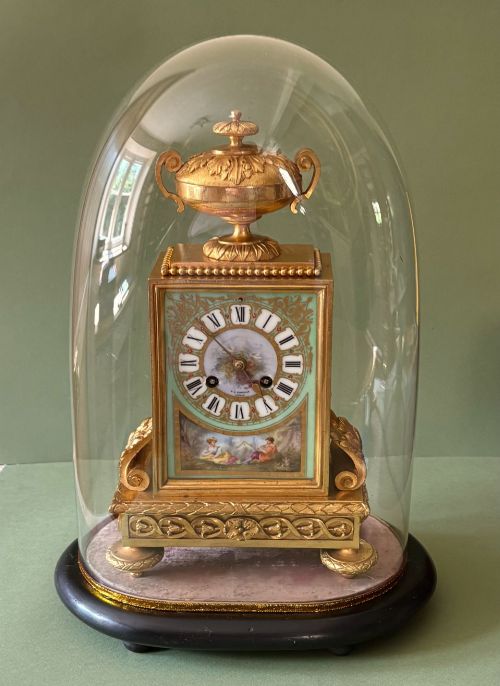
The buyer encounters various stylistic revivals alongside functional timepieces, including gilt bronze mountings and porcelain dial plaques. Each example demonstrates how Victorian and Belle Epoque makers elevated standard timekeeping into decorative art.
How they were made
Brass and gilt bronze formed the structural skeleton and heavy exterior housings, shaped through casting, engraving, and mercurial gilding or ormolu finishing. Thick bevelled glass panes were then fitted precisely into the metal rebates to protect the delicate escapements whilst offering unobstructed views.
Clockmakers utilised steel for pinions and gear wheels, brass for plates, and white enamel for circular chapter rings marked with Roman numerals. Secondary materials like porcelain panels, mahogany bases, and cut crystal further enriched the housings of higher-tier specimens.
Listings feature periods spanning from the Victorian era and 1850s up through Art Deco and Mid-Century Modern designs.
What varies in quality
Quality rests upon the crispness of the cast brass or ormolu mounts and the precision of the movement's escapement work. Finer models feature jewelled balances, engraved gorge cases, and complex strike or repeat mechanisms rather than standard time-only trains.
The clarity and thickness of the bevelled glass panels, alongside the artistry of hand-painted enamel dials and signed makers' plates, distinguish standard production pieces from exceptional workshop output.
Samuel Marti·Mappin and Webb·Richard Winter of Chieveley·Maurice and Marcel Moulin Favre-Bulle·Ansonia New York·Thwaites of London·Leroy Paris·Tiffany
The Glass Brass Table Clock Glossary
- Carriage clock
- A small, portable spring-driven timepiece designed for travelling, usually housed in a brass case with a glass top and bevelled side panels.
- Four-glass clock
- A mantel clock featuring glass on the front, back, and both sides, allowing complete visibility of the pendulum and gear train.
- Skeleton clock
- A timepiece designed with an open framework that exposes the entire gear train and escapement, often protected by a glass dome.
- Ormolu
- Finely ground high-carat gold-mercury amalgam applied to a bronze base, creating a rich golden surface finish popular in nineteenth-century French pieces.
- Gorge case
- A stepped, architectural brass carriage clock housing characterised by its distinct stacked top moulding profile.
- Fusee
- A conical pulley used in mechanical clocks to maintain an even pull on the gear train as the mainspring unwinds.
Glass Brass Table Clock: Frequently Asked Questions
How do I wind a glass brass table clock?
Most mechanical models utilise a specific winding key inserted into arbors on the dial or backplate. Turn the key gently until resistance indicates the mainspring is fully tensioned.
Avoid over-winding, as this strains the vintage metal components. Ensure you support the movement housing if the clock lacks a fixed base.
What is a striking carriage clock?
A striking carriage clock sounds the hours and sometimes the quarters automatically on a bell or gong mounted inside the brass case. Many include a repeat button that chimes the last hour on demand.
This complication required advanced gear trains and careful tuning by the original maker. It allowed owners to check the time in darkened rooms.
How do I tell a French clock from an English one?
French makers often utilised platform escapements and numbered backplates, frequently incorporating gilt bronze, porcelain panels, or elaborate ormolu cast work. English pieces from this era frequently employed fusee movements and heavy mahogany or brass architectural frameworks.
Examining the internal stampings and layout of the movement plates usually reveals the origin of the workshop.
Where should I place a four-glass clock?
Position these clocks on a sturdy, level surface away from direct sunlight and strong draughts. A stable mantelpiece or sideboard prevents vibrations that can disrupt the pendulum beat.
Because glass panels enclose all sides, keep the clock away from high-traffic areas where accidental knocks might occur.