



Giltwood Trumeau Mirror
These giltwood trumeau mirror pieces combine carved woodwork and fitted panels to bring scale and light into a room.
What They Are
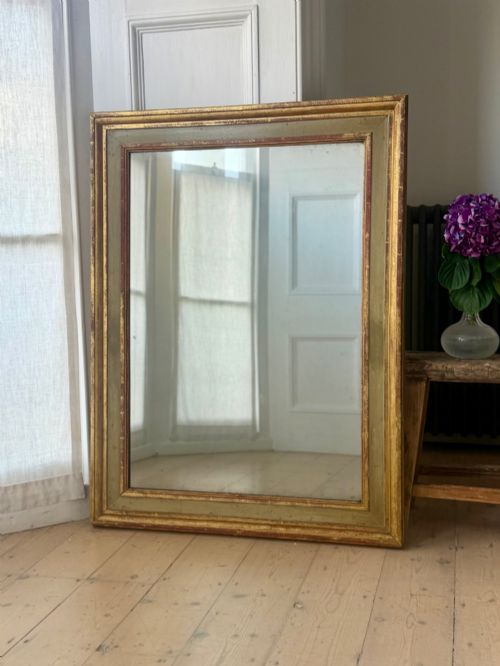
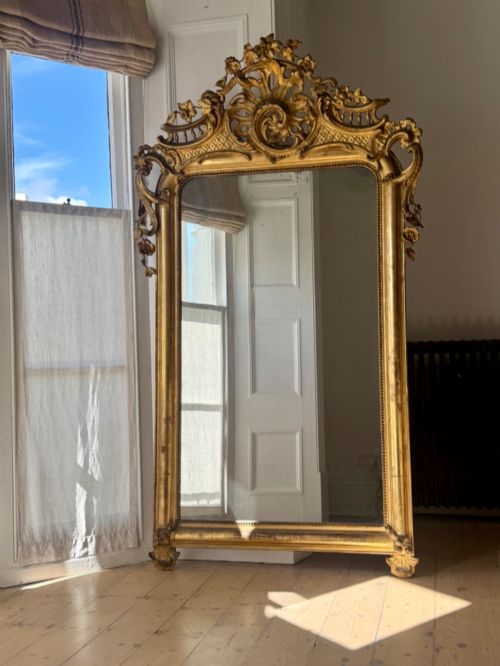
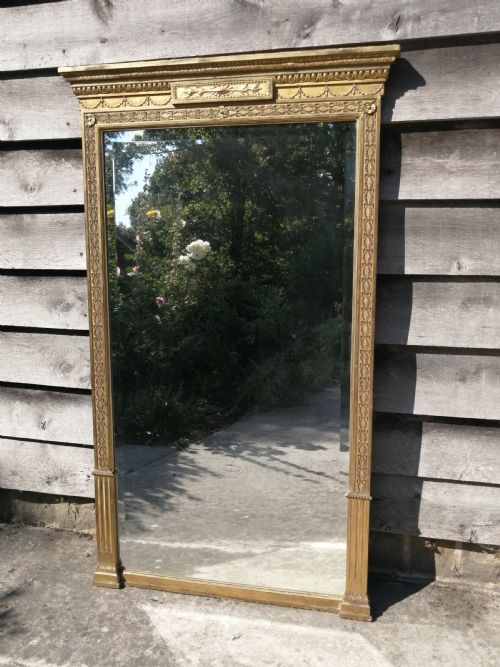
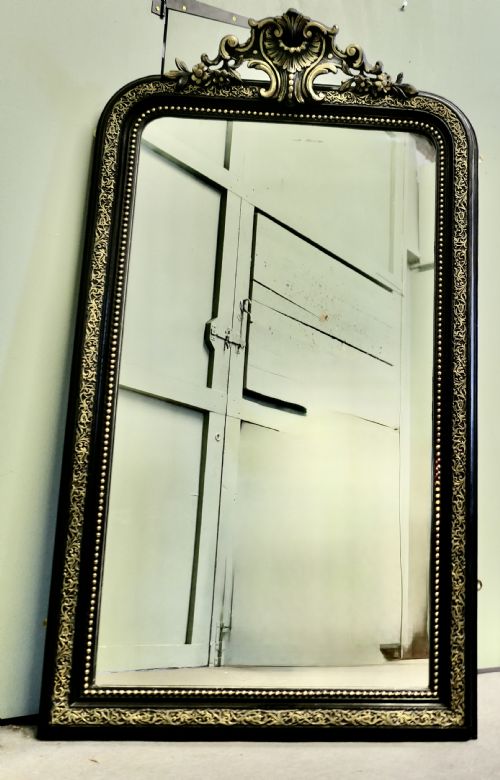
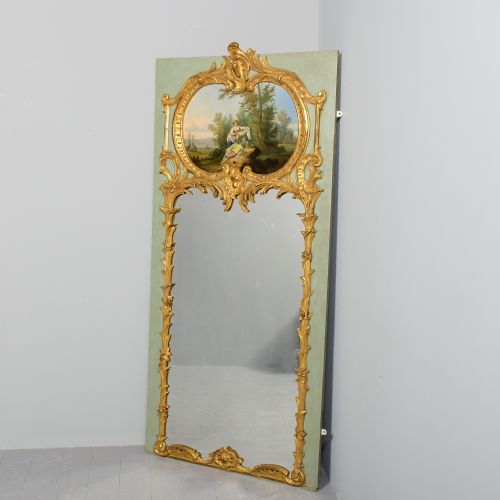
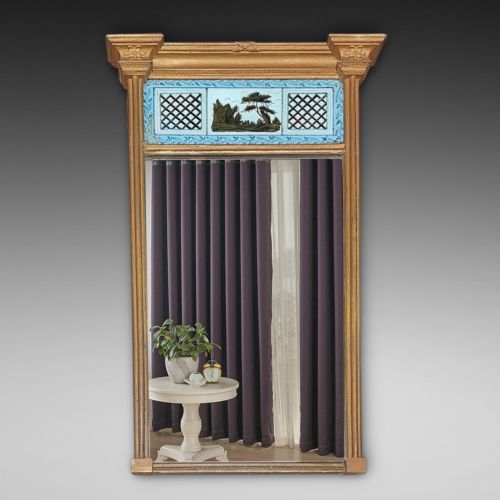
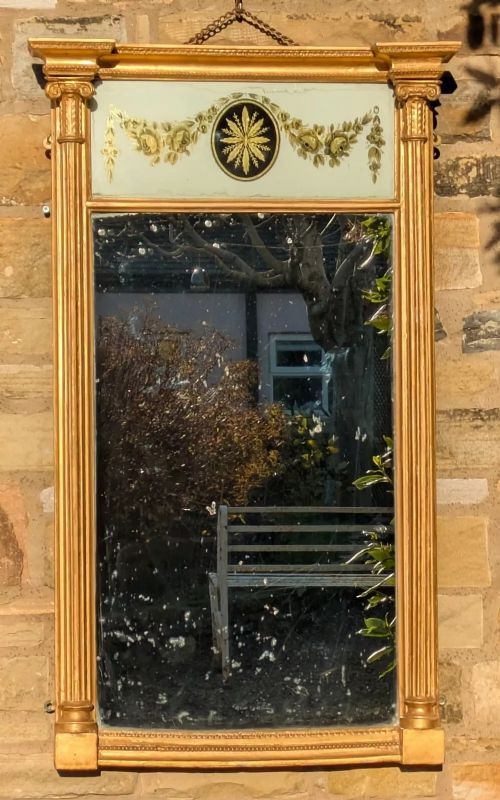
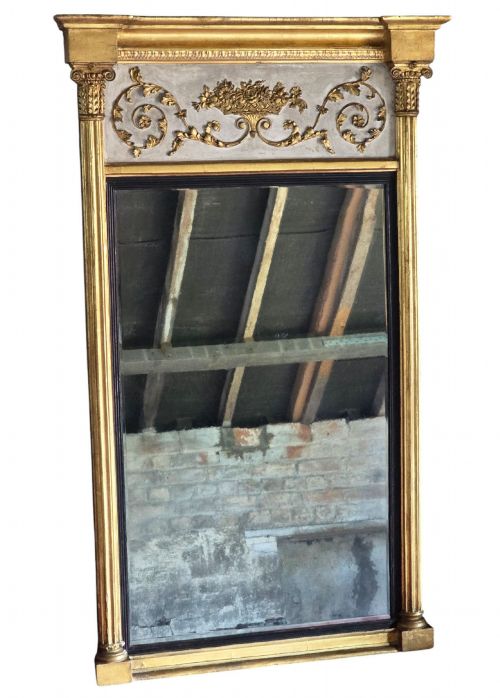
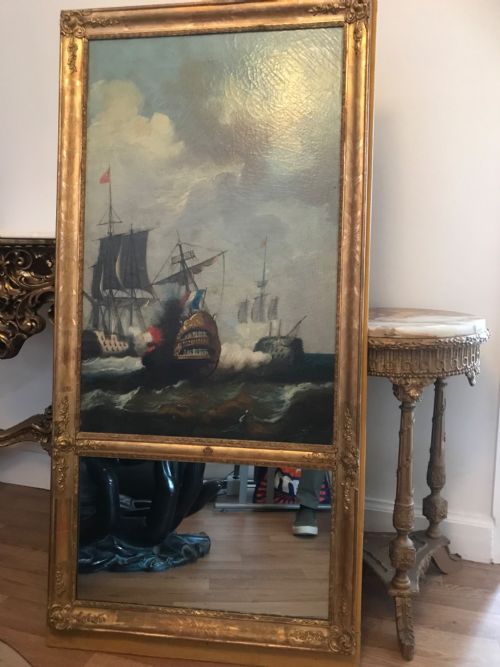
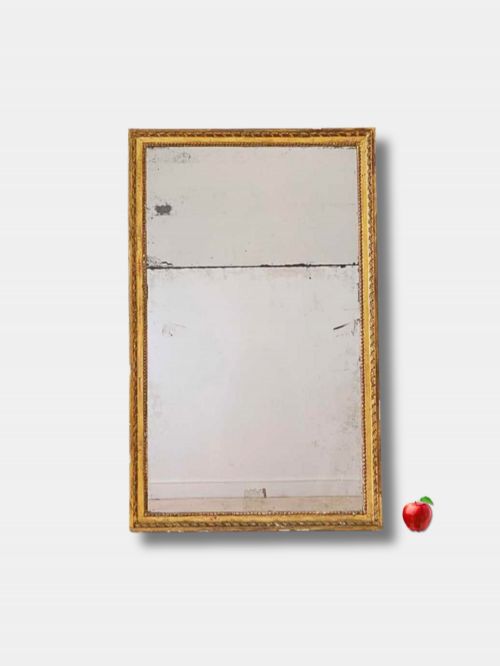
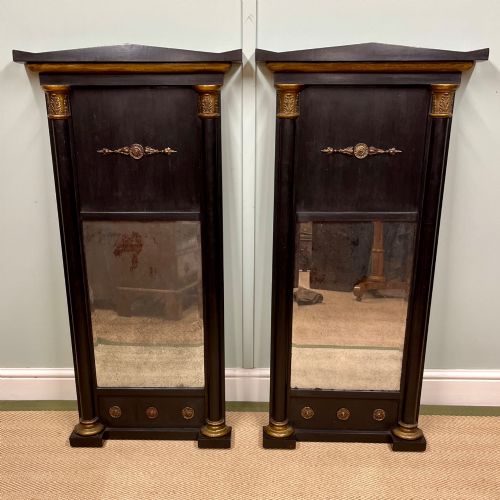
A giltwood trumeau mirror unites a looking glass with a decorative upper panel within a unified architectural frame. When you search for a giltwood trumeau mirror, you encounter wall pieces that frequently pair with console tables or stand alone as vertical focal points. The examples recorded here stem from the nineteenth century and the Victorian era, showing French and Swedish influences.
The format originates from classical interior decoration where wall space between windows required tall, balanced ornaments. Surviving instances range from plain painted wood frames with carved gilt highlights to comprehensive console table and mirror sets. Most pieces belong to revival styles such as Louis XV and Louis XVI, alongside Swedish Gustavian and French Empire designs.
How They Were Made
Carvers shaped softwoods and hardwoods before applying layers of gesso to build up relief ornamentation. Artisans then laid gold leaf over a prepared base, burnishing the metal to create contrasting matte and bright surfaces. Painted wood sections received flat or layered pigments that complemented the gilded motifs.
Upper panels within the frame occasionally feature oil paintings on canvas or decorative mouldings rather than glass. Mirror glass itself was set into the lower section, secured behind wooden rebates and backed to protect the silvering. Associated console tables utilised matching timber construction, often topped with marble slabs.
Retail Price Guide 2026
Typical UK retail prices for giltwood trumeau mirror, calculated from the Sellingantiques database of over a million retail prices indexed since 2003. This retail price guide relies exclusively on Sellingantiques data; no external sources or auction records are used, so the figures do not describe the wider market.
Some nineteenth-century mirrors feature concealed hinges, allowing the upper painted panel to swing open like a secret wall cupboard.
What Varies in Quality
The refinement of the carved detail separates standard production from superior work. Crisp undercut foliage and sharply defined moulding indicate skilled hand-carving, whereas softer, rounded edges point to moulded composition ornament. The quality of the gilding also dictates visual depth, with genuine gold leaf ageing differently from base metal substitutes.
Proportion and integrity define the upper panel of a trumeau. Original hand-painted canvases or integrated carved wooden reliefs hold greater artistic weight than plain replacement boards. Complete sets that retain their original companion console tables represent the upper tier of survivals.
The Giltwood Trumeau Mirror Glossary
- Trumeau
- An architectural term for the section of wall between two openings, applied to mirrors and panels designed for that space. These vertical compositions often combine a mirror plate below with a decorative painting or carving above.
- Giltwood
- Timber that has been decorated with gold leaf or powder. This finish reflects interior candlelight and daylight to brighten period rooms.
- Gesso
- A plaster mixture applied to wood frames to create a smooth surface for gilding. Skilled makers built up deep reliefs using this foundation before applying gold leaf.
- Console Table
- A wall table supported by brackets or legs that frequently accompanies a wall mirror. These pieces often share matching timber and decorative schemes with the trumeau above.
Frequently Asked Questions
Where were trumeau mirrors placed in historic homes?
These mirrors traditionally hung on the pier wall between two tall windows to maximise reflected light and balance the room's symmetry.
They also appeared above mantelpieces or directly over matching console tables to anchor the main decorative axis of a reception room.
How do I identify a French trumeau mirror?
French examples often display neoclassical motifs like ribbons, urns, and floral garlands carved into the upper panel frame.
They frequently utilise painted wood finishes combined with gilt highlights rather than solid gilded timber throughout.
What is a Swedish Gustavian trumeau like?
Gustavian pieces favour paler painted surfaces, such as soft greys or creams, with restrained neoclassical carving.
They lean towards simpler geometric lines compared to the more exuberant French Louis XV revival equivalents.