


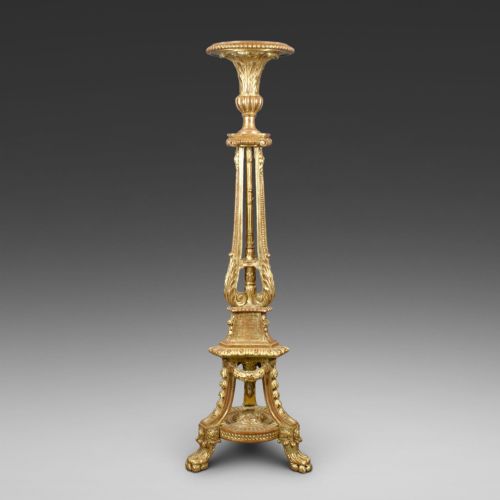

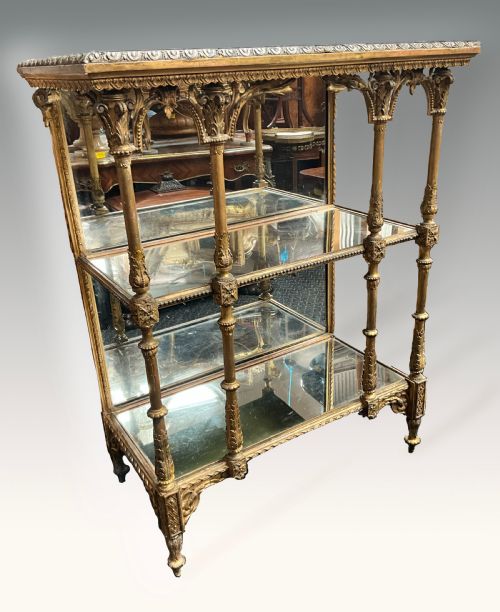
Giltwood Display Stand
A giltwood display stand brings golden light and architectural presence to a room, holding precious objects aloft with continental flair.
Giltwood Display Stand
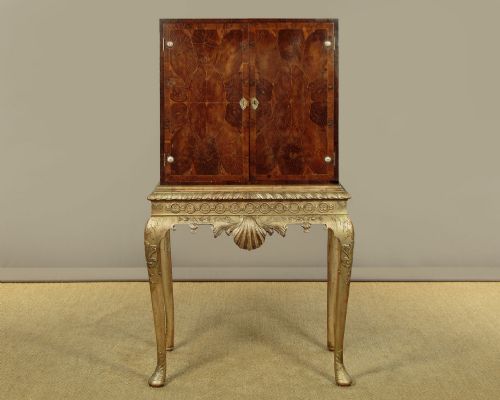
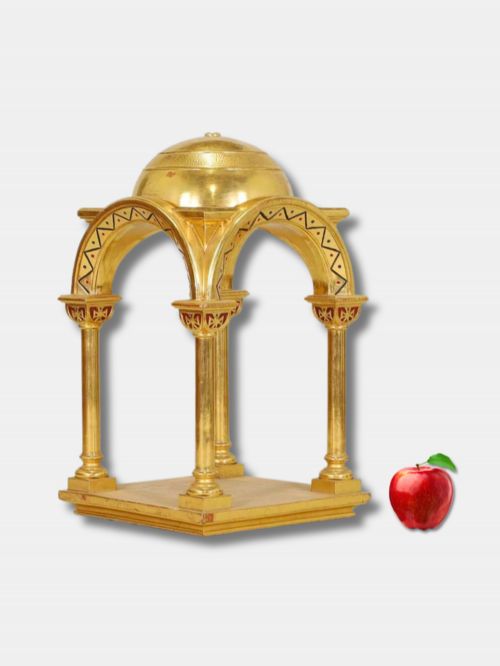
When you search for a giltwood display stand, you enter a world of carved timber, pedestals, vitrines and torcheres designed to elevate decorative objects. These pieces range from towering torchere stands and pedestals to intimate display cabinets and book troughs.
The versions you are most likely to meet on this page span the eighteenth, nineteenth and early twentieth centuries. They frequently reflect Italian Baroque, Rococo Revival and French styles intended to catch the candlelight.
How they were made
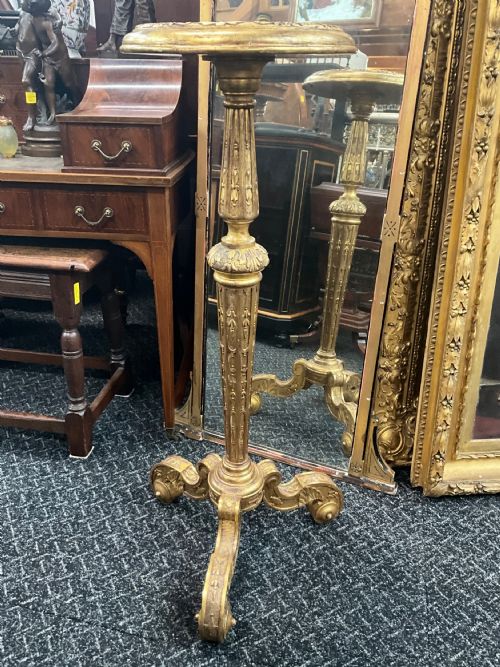
Carved wood and timber provide the foundational structure for these gilt pieces, shaped into intricate triform bases, fluted columns and detailed architectural ornaments. Artisans applied layers of gesso over the timber to smooth the surface before applying gold leaf.
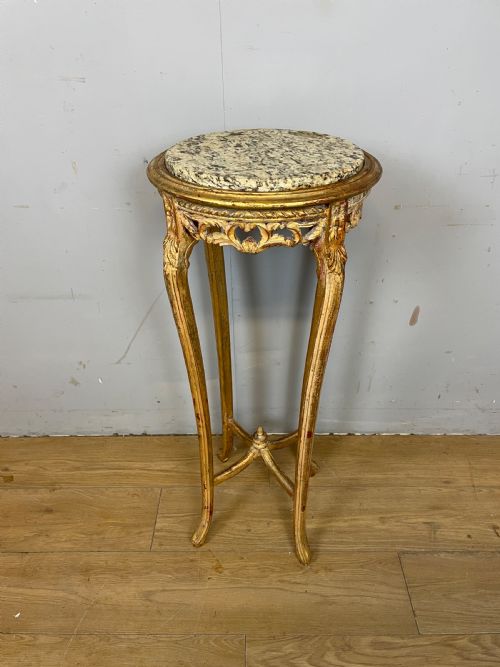
Certain pieces incorporate contrasting materials such as glass panels for cabinets and marble tops for pedestals, adding weight and refined texture to the gilded framework.
Listings feature periods spanning from the eighteenth century through to the 1930s, utilising timber, gesso, marble and glass.
What varies in quality
The depth and crispness of the carving distinguish finer examples from simpler workshop output. Hand-carved details in wood and gesso show a confident, fluid touch that mass-produced or later revival pieces rarely match.
The quality of the gilding itself, particularly the application and preservation of the gold leaf over gesso, dictates the visual warmth and longevity of the surface.
The Giltwood Display Stand Glossary
- Giltwood
- Timber that has been coated with gold leaf or gold paint. This finish creates a luminous reflective surface that defines the aesthetic of these stands.
- Torchere
- A tall stand or pedestal originally designed to hold a candle or torch. These vertical supports now serve to elevate urns, plants and sculptural objects.
- Gesso
- A plaster-like mixture applied to wood surfaces as a preparation for gilding. It provides a smooth base for intricate carved details.
- Vitrine
- A glass-fronted cabinet used for displaying fine objects and curiosities. Many examples combine glazed sides with gilded woodwork.
- Triform
- Having three sides or a triangular plan. This configuration frequently appears in the bases of pedestals and torcheres for stability.
Giltwood Display Stand: Frequently Asked Questions
What fits on a torchere?
Torcheres typically hold items with a modest footprint such as small bronze sculptures, ceramic urns or table lamps. Their elevated platforms place objects at eye level to draw attention across a room.
Heavier items require careful balancing on the central column, so lighter decorative objects remain the most practical choice for everyday display.
How do I place a display cabinet?
Display cabinets with glazed sides and mirrored backs function best against solid walls where ambient light can enter through the glass panels. Positioning them away from direct sunlight protects both the gilded finish and the interior contents.
Smaller cabinets on stands suit corners or reception spaces, anchoring decorative collections without dominating the floor plan.
Are marble tops original?
Marble inserts on torcheres and pedestals frequently date to the original construction, providing a durable and cool surface for heavy items. They were selected to contrast with the warm reflectivity of the surrounding gold leaf.
Checking the fit and edge profile helps determine whether the stone matches the period style of the timber base below.
How do I care for giltwood?
Giltwood surfaces require gentle dusting with a soft, dry brush to prevent accumulation in the carved recesses of the gesso. Moisture and chemical cleaners damage the delicate metallic leaf very quickly.
Keeping these stands away from direct heat sources and fluctuating humidity preserves both the timber substrate and the historical finish.