
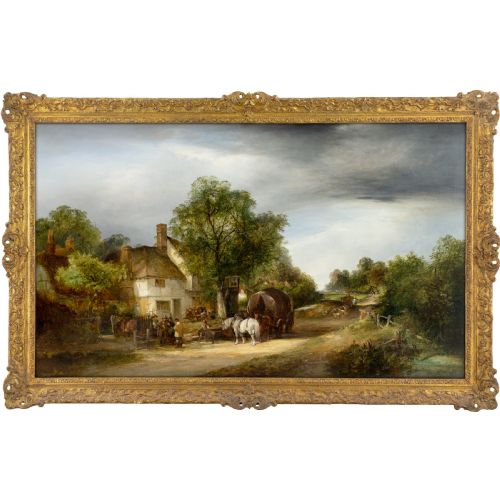
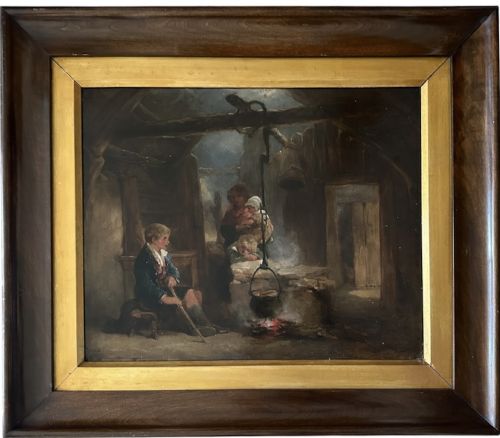
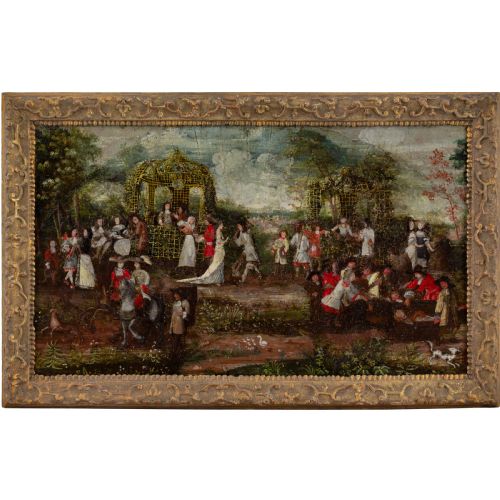
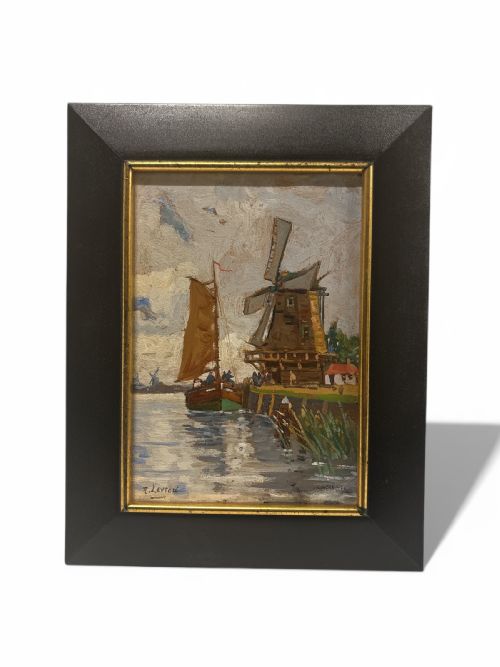
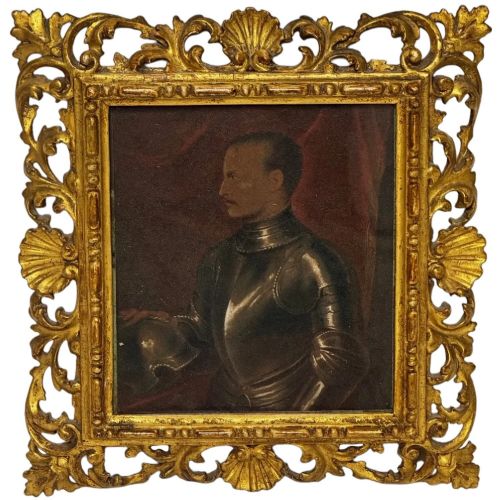
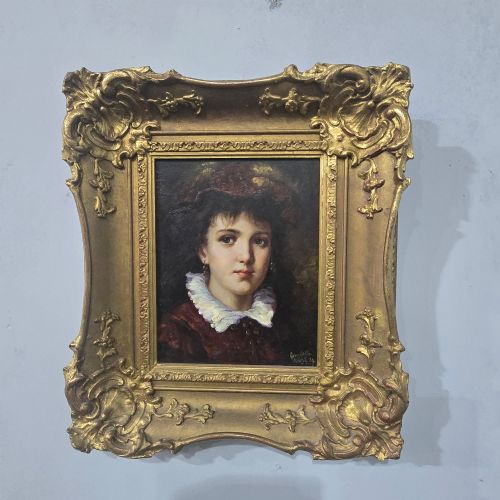
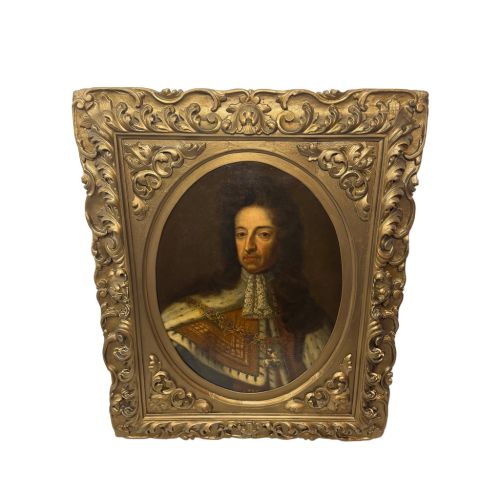
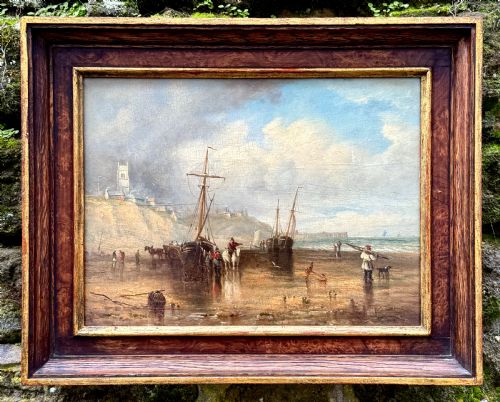
Gilt Wood Oil Artwork
These gilt wood oil artwork pieces combine oil paint on canvas or panel with ornate frames, offering centuries of historic painting traditions.
Gilt Wood Oil Artwork
A gilt wood oil artwork brings together painted canvases or panels housed within gilded wooden surrounds. Collectors search for this phrase to acquire framed oil paintings spanning periods from the seventeenth century through to the mid twentieth century.
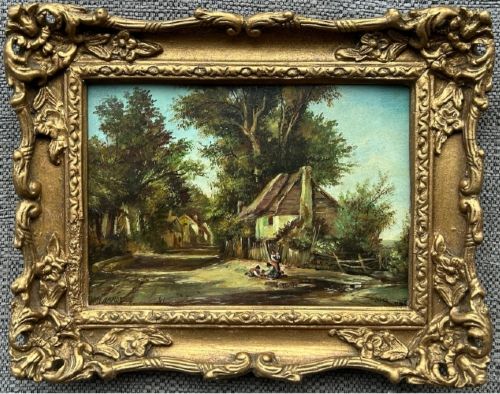
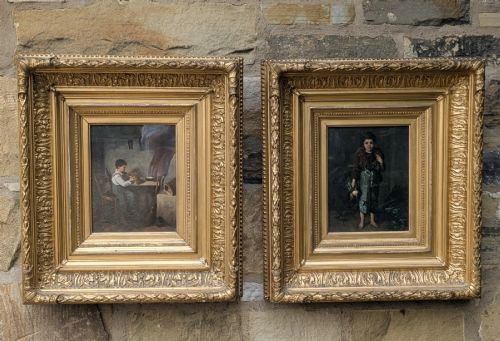
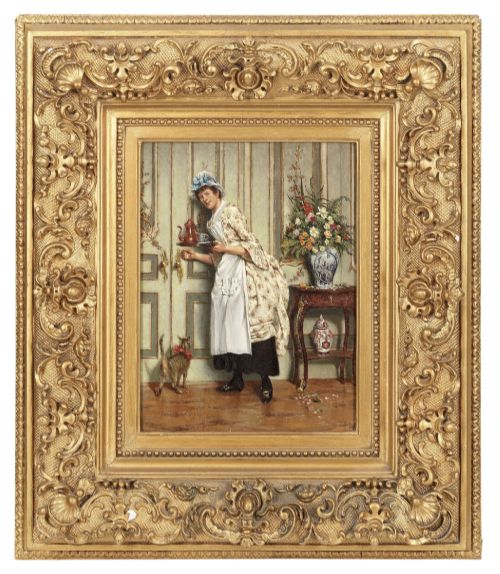
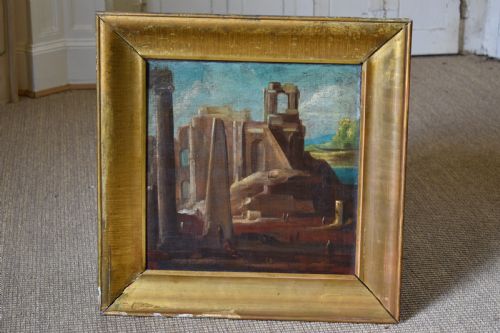
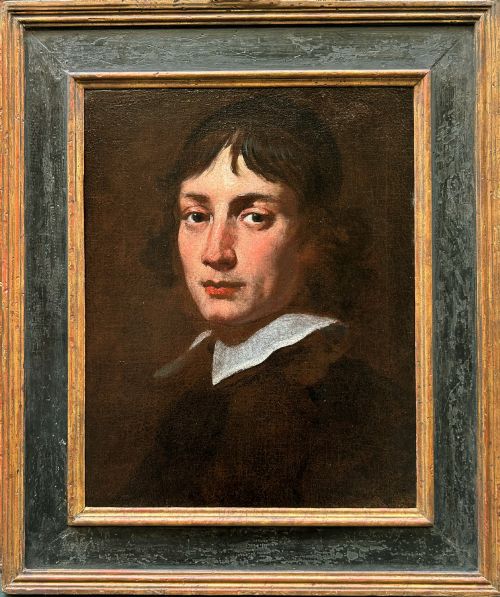
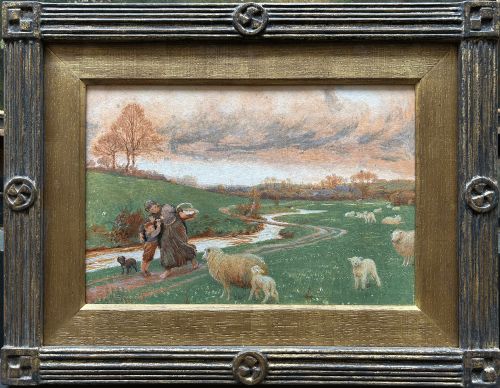
The selections on this page most commonly present nineteenth century landscapes, portraits, and genre scenes. These works appear in various forms, including framed paintings, fine art panels, and large canvas compositions set inside period frames.
How They Were Made
Makers applied oil paint onto surfaces such as canvas, wood, and board, utilising techniques ranging from impressionist brushwork to detailed academic realism. Many works incorporate preparatory layers like gesso beneath the pigment to prepare the ground.
The surrounding frames utilise wood finished with gold leaf or gilt coatings to create reflective borders. Artisans carved or moulded the wooden profiles to match the aesthetic styles of their respective eras, from baroque curves to simpler Victorian mouldings.
Framing materials include traditional gesso and gold leaf applied over wood.
What Varies in Quality
The standard of a gilt wood oil artwork depends upon the finesse of the brushwork and the preservation of the painted surface. Superior examples display confident handling of light, shadow, and subject matter by the artist.
Frame craftsmanship also dictates the overall standard, with hand-carved gilt wood exhibiting sharper detail than later moulded alternatives. The harmonious pairing of the artwork with its original period frame distinguishes finer examples on the market.
William Howard Hardy·Stephen Samuel Lewin·Thomas Creswick·Guillaume Courtois·Alfred Arthur Brunel de Neuville·Albin Mattenheimer·André Charles Voillemot·Ferdinand Victor Leon Roybet·Allan Douglas Davidson
The Gilt Wood Oil Artwork Glossary
- Gesso
- A plaster mix applied to wood panels or canvas to create a smooth surface for oil paint. This preparation layer helps secure the longevity of the pigment.
- Chiaroscuro
- An artistic technique employing strong contrasts between light and dark to give subjects volume. This method frequently appears in seventeenth-century portraiture.
- Panel
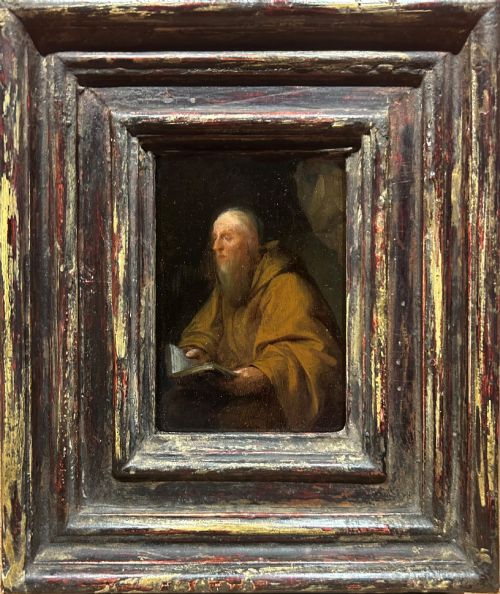
- A flat piece of wood used as a rigid support for oil paintings instead of woven canvas. Artists often utilised panels for smaller or earlier works.
- Gilt
- A thin layer of gold applied to wood surfaces for decorative effect. It creates the characteristic metallic gleam seen on period frames.
Gilt Wood Oil Artwork: Frequently Asked Questions
How do I date a gilt wood oil artwork?
Dating relies on stylistic clues within the painting and the construction methods of the frame. Examining the canvas preparation and stretcher bars also offers chronological markers.
Specific periods represented range from seventeenth century baroque pieces to Edwardian and mid twentieth century compositions.
What subjects appear in these oil artworks?
Subjects span traditional genres including pastoral landscapes, sea scapes, portraits, and interior scenes. Artists also depicted religious themes, literary narratives, and everyday genre moments.
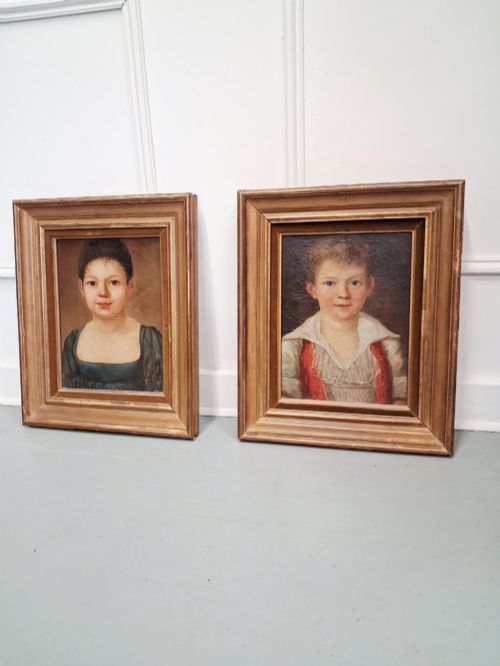
Works range from intimate child portraits to grand continental landscapes.
How should I care for a gilt wood oil artwork?
Preservation involves maintaining stable indoor humidity and temperature to protect both the wooden frame and the canvas. Direct sunlight should be avoided to prevent fading of the oil pigments.
Dusting the gilt frame gently with a dry, soft brush helps maintain the metallic finish without moisture damage.