



Gilt Wall Sconce Mirrors
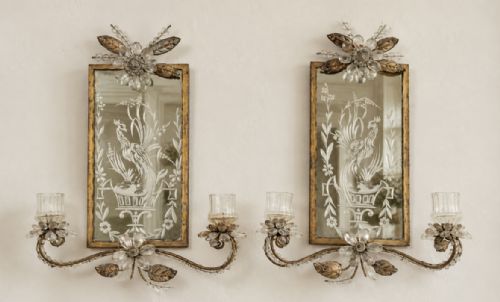
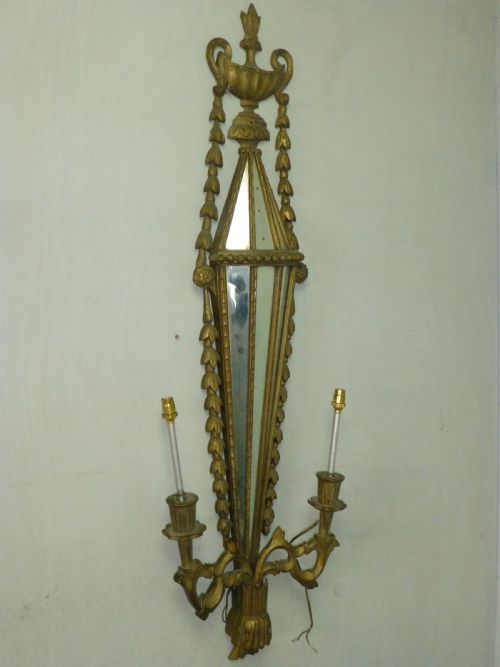
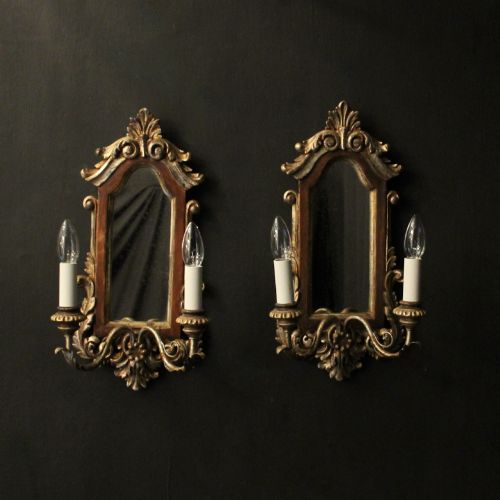
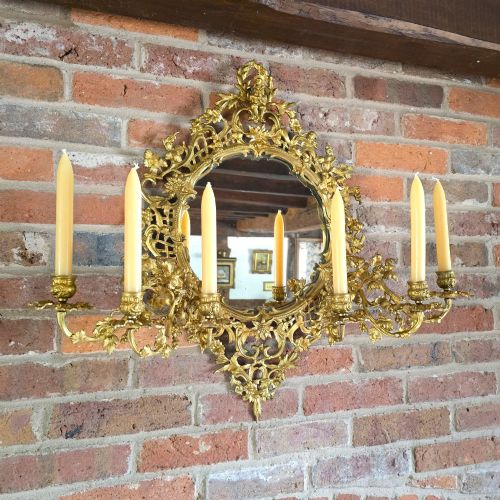
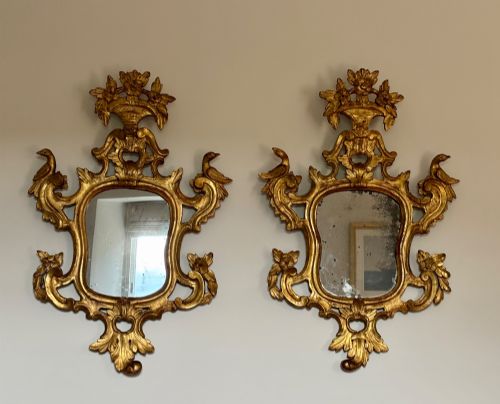
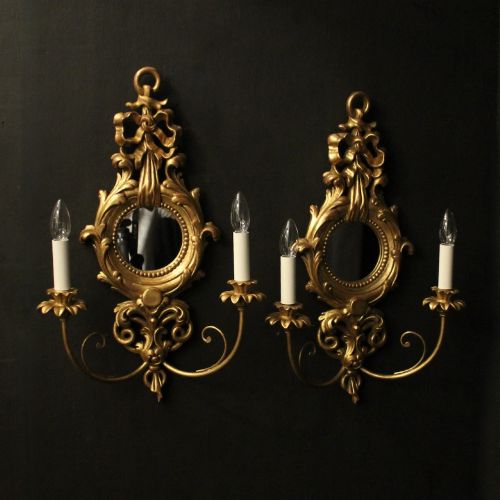
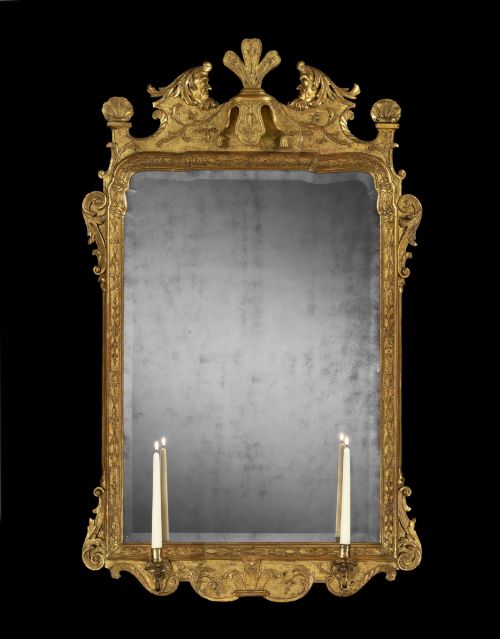
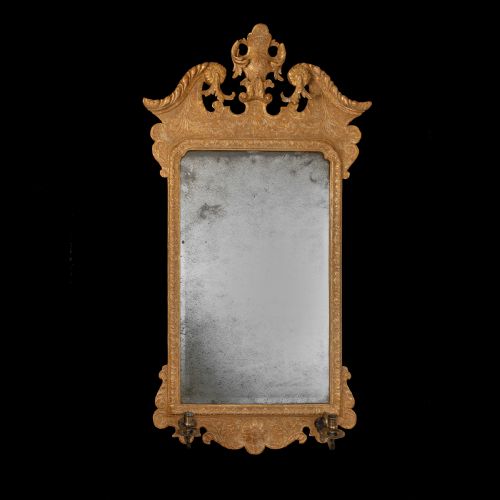
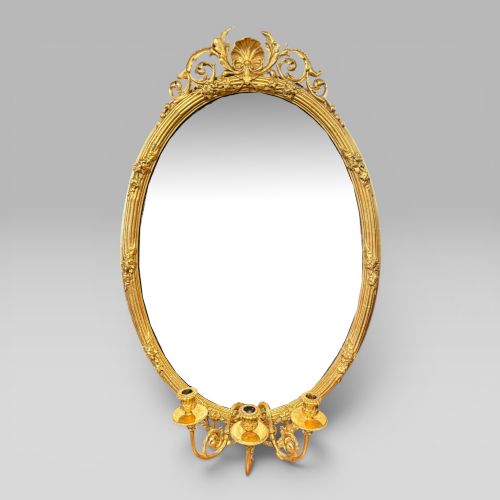
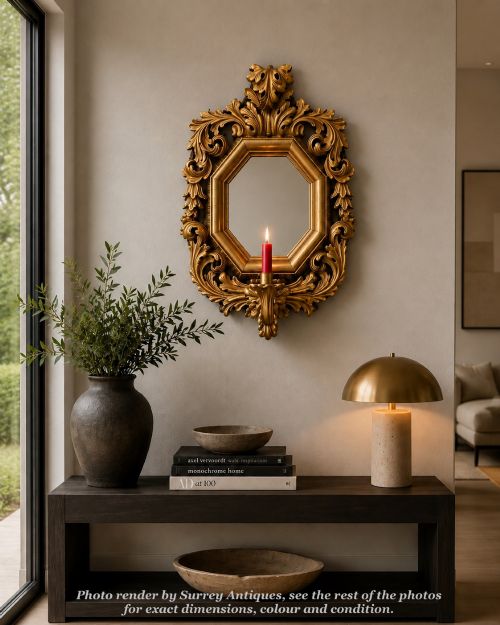
These gilt wall sconce mirrors combine reflective glass with gilded wooden frames and candle branches to cast light across a room.
Gilt Wall Sconce Mirrors
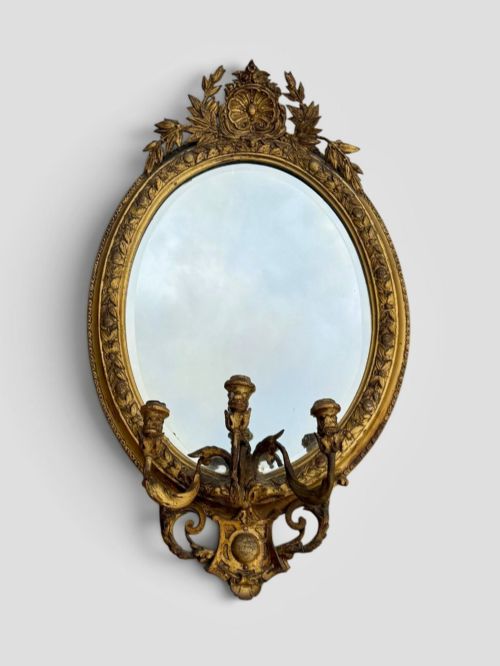
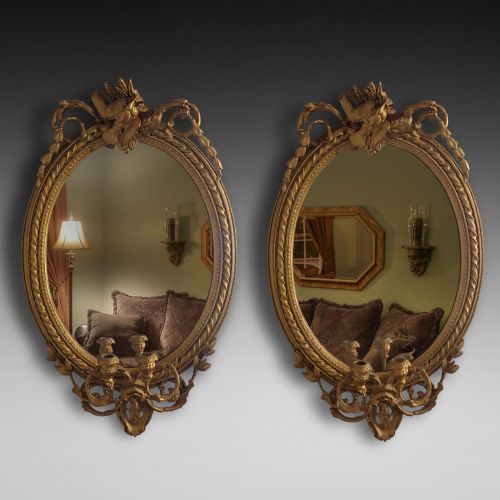
When you search for gilt wall sconce mirrors, you encounter an array of decorative lighting pieces designed to hang upon interior walls and bounce candlelight or daylight around a space. These objects combine mirrored glass plates with reflective gilded frames, frequently incorporating integrated candle arms or branches known as girandoles.
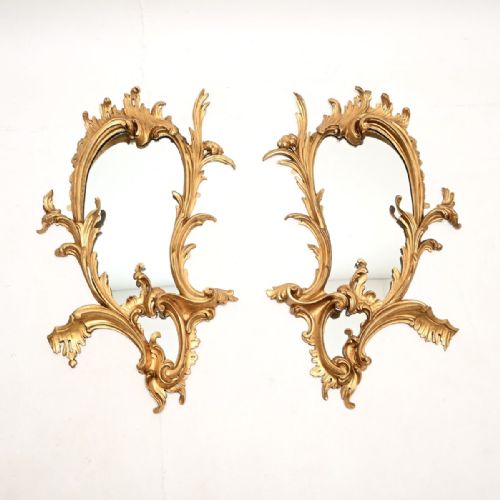
The selections span several centuries of design, ranging from the ornate carved gesso of the eighteenth century through Regency convex plates and Victorian revivals up to twentieth-century examples. You meet matching pairs alongside single grand wall lights, Italian rococo cartouche plates, and French giltwood girandoles.
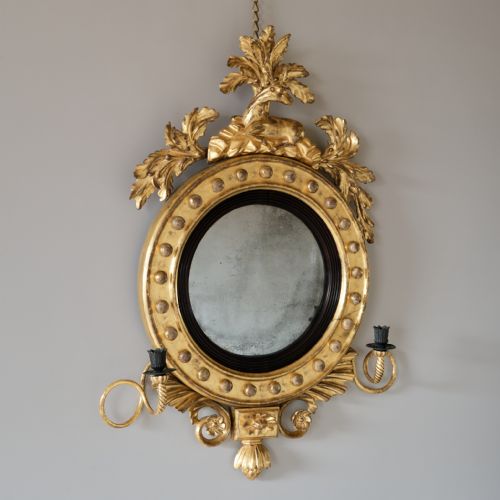
The forms encompass simple mirror-backed wall sconces, console mirrors with shelves underneath, and large convex circular glasses that distort reflections into a wide perspective. These pieces bridge the gap between functional illumination and ornamental wall art.
Materials and construction
Wood serves as the primary structural body for the majority of these pieces, shaped through carving into intricate rococo scrolls, neoclassical motifs, and crisp geometric lines. Carvers apply thin sheets of gold leaf or layer gesso over the timber base to create the characteristic bright, reflective golden surface.
Mirrored glass plates sit within these frames, often showing age through foxing spots and slight darkening of the reflective backing over the decades. Metal elements such as brass, ormolu, and gilt bronze appear in candle arms, sconce spikes, and structural brackets.
Gilt Wall Sconce Mirrors Retail Price Guide 2026
Typical asking prices for gilt wall sconce mirrors among the pieces listed under this phrase on Sellingantiques today, from the lower quarter to the upper quarter. They describe what is for sale here now, not the wider market.
The listings span the eighteenth, nineteenth, and twentieth centuries, incorporating Regency, Victorian, and Rococo Revival design styles.
Craftsmanship and preservation
The depth and sharpness of the hand-carved wooden ornament separate standard production from finer work, as skilled carvers achieve intricate undercut foliage and balanced symmetry. The quality of the gilding itself, whether layered gold leaf or painted surfaces, dictates how well the frame catches light and ages over time.
Original mirror plates with period foxing and silvering preservation hold greater integrity than modern replacement glass, maintaining the historical continuity of the piece. The structural stability of the frame joints and the original matching of candle arms in girandole pairs also define the standing of an individual mirror.
Benjamin Goodison
The Gilt Wall Sconce Mirrors Glossary
- Girandole
- A decorative wall mirror featuring integrated candle branches or sconces designed to multiply candle flame illumination. These fixtures hang in principal reception rooms to bounce light across the interior.
- Gesso
- A plaster-like mixture applied to wood frames as a smooth base layer for subsequent gilding. Craftsmen model and carve intricate surface details directly into this hardened compound.
- Foxing
- Small dark spots and gradual degradation appearing within the silvered backing of antique mirror glass. This chemical ageing process proves the age of the glass plate.
- Convex mirror
- A circular wall glass with an outward-curving surface that produces a wide-angle, fish-eye reflection of the room. Regency interiors frequently utilised these to monitor gatherings.
- Ormolu
- Finely chased and gilt bronze mounts applied to decorative objects, particularly French items from the nineteenth century. The technique creates a rich golden metallic finish.
Gilt Wall Sconce Mirrors: Frequently Asked Questions
Are original mirror plates always foxed?
Older glass naturally develops foxing spots, oxidation, and dark patches as the metal backing interacts with air and moisture over centuries. Many surviving pieces retain these original plates because collectors prize the authentic visual texture they provide.
Replacement glass appears in pieces where the original plate broke or degraded beyond utility. Examining the back of the glass reveals whether the plate dates to the same period as the frame.
Where should I hang a convex mirror?
Convex wall pieces work effectively in entrance halls, living rooms, and dining spaces where their wide-angle reflection captures activity across the entire room. Placing them opposite a window maximises the distribution of natural daylight into darker corners.
Ensure the wall anchor supports the weight securely, as carved timber frames and glass plates carry substantial heft. Hang the piece at eye level to fully appreciate the distorted perspective.
How do I tell Regency from Victorian pieces?
Regency items, often dating around eighteen-twenty, favour clean neoclassical lines, convex circular glasses, and restrained reeded or ball-decorated frames. Victorian examples from the mid to late nineteenth century lean towards heavier ornamentation, revival styles, and elaborate rococo scrolls.
Looking at the construction techniques on the reverse of the frame helps clarify the date. Fasteners, timber types, and backboards differ noticeably between the early nineteenth century and the later Victorian era.