
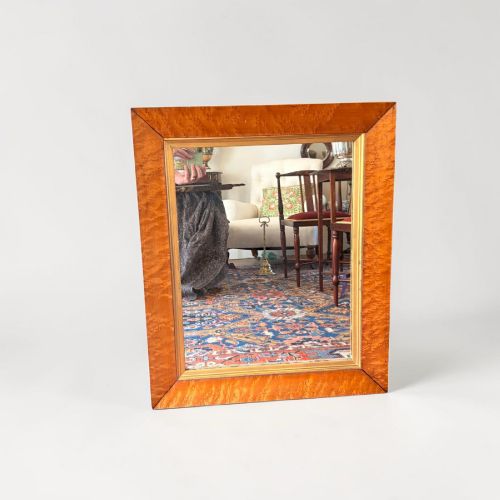
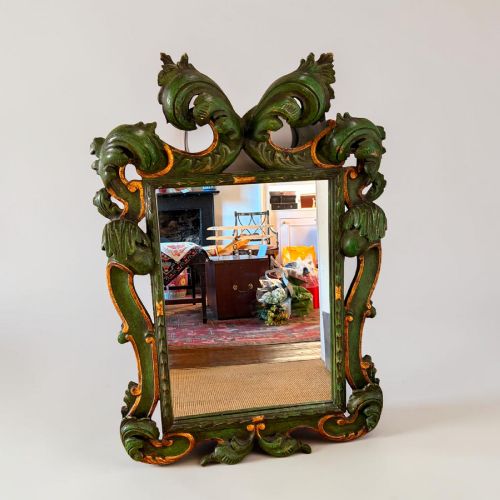
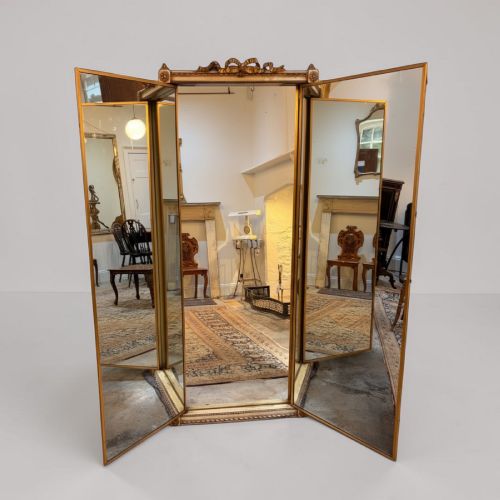
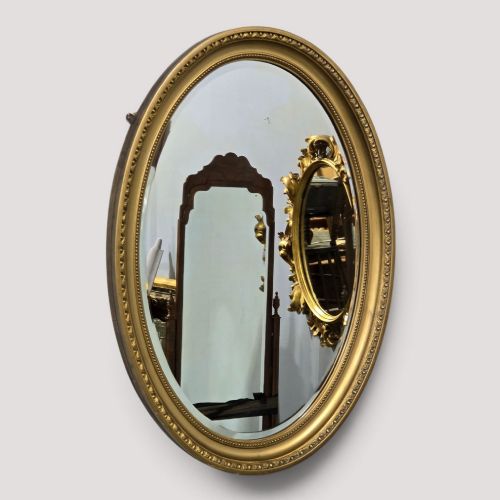



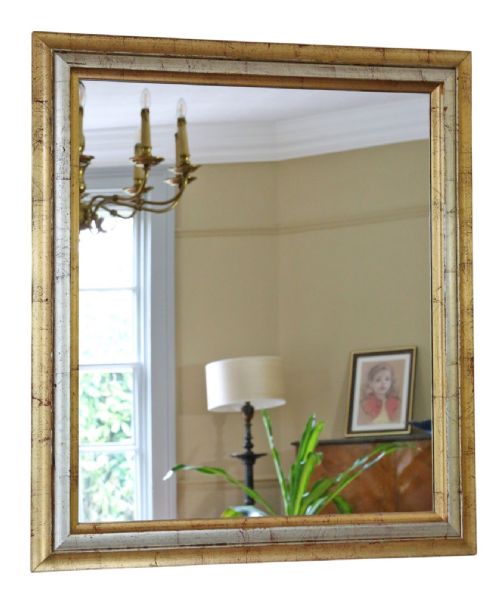
Gilt Vanity Wall Mirror
A gilt vanity wall mirror brings reflective light and decorative presence to a bedroom, hall or morning room.
Gilt Vanity Wall Mirror
A gilt vanity wall mirror is a decorative looking glass designed to hang on a wall, frequently incorporating giltwood, gesso or brass frames. These pieces originate across multiple periods, with significant representation from the eighteenth and nineteenth centuries, as well as early twentieth-century examples.
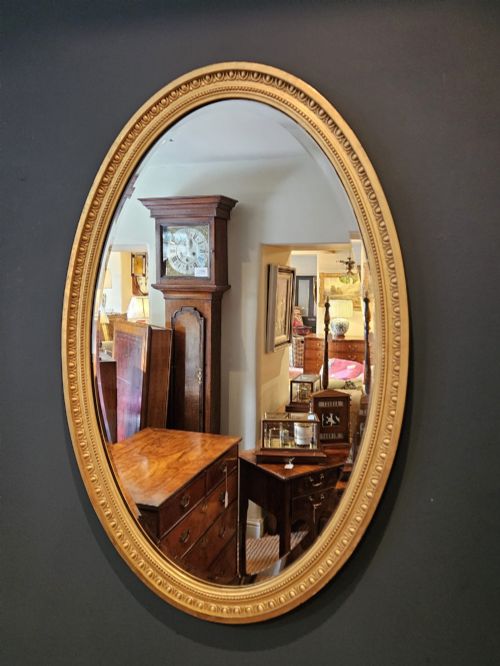
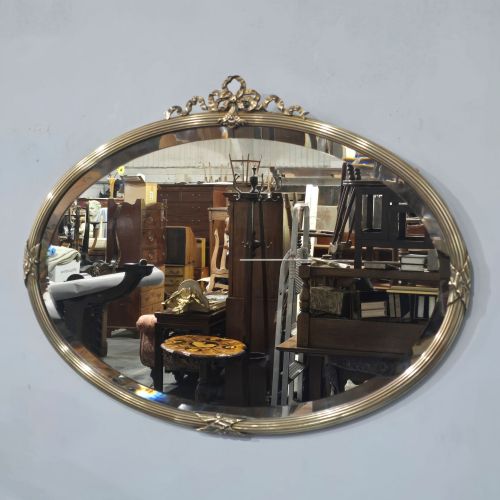
The most common form encountered on this page is the oval mirror, often styled in the Victorian or Georgian manner, alongside French rococo revival and art deco variations. Smaller English examples frequently serve traditional hall and bedroom settings.
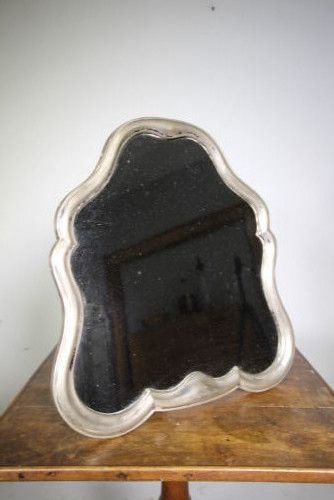
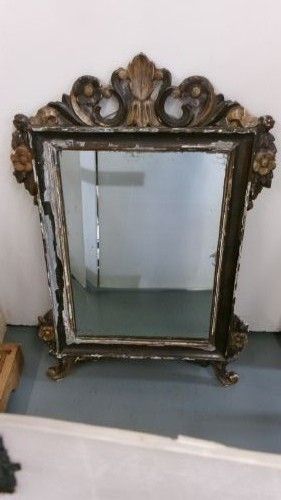
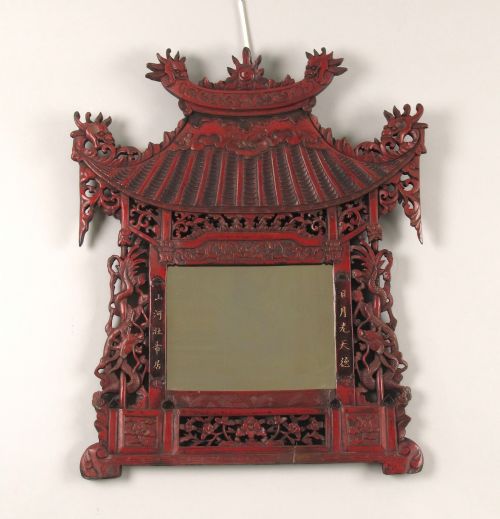
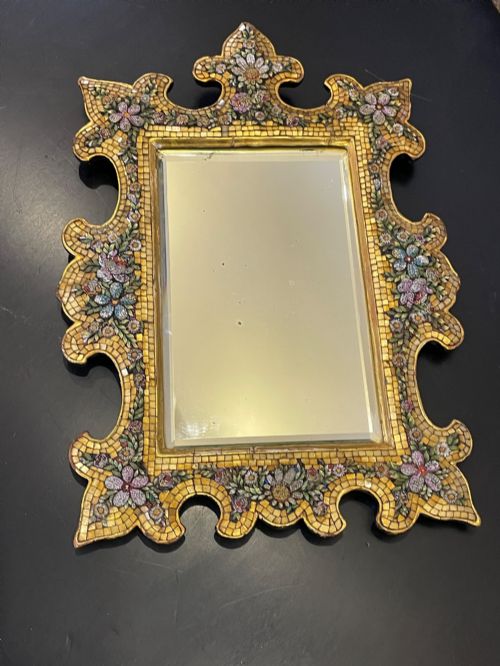
Makers and craftsmen of the past produced these mirrors in various regional styles, ranging from carved walnut and mahogany fret frames to ornate Italian and French giltwood designs. Each piece reflects the interior aesthetic of its specific decade of manufacture.
How they were made
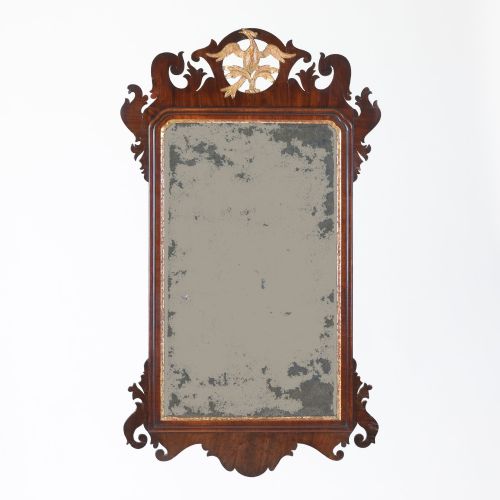
Makers constructed these frames using timber foundations such as mahogany, walnut or pine, which were then prepared with layers of gesso before applying gold leaf or paint. Carved wooden details, such as the fret-cut patterns found on Georgian pieces, required precise hand woodworking.
Giltwood and gesso ornamentation involved building up relief decoration on the wood base, allowing craftsmen to carve intricate scrolls, ribbons and floral motifs before gilding. Brass and bronze casting also formed durable metallic frames for specific French and Victorian designs.
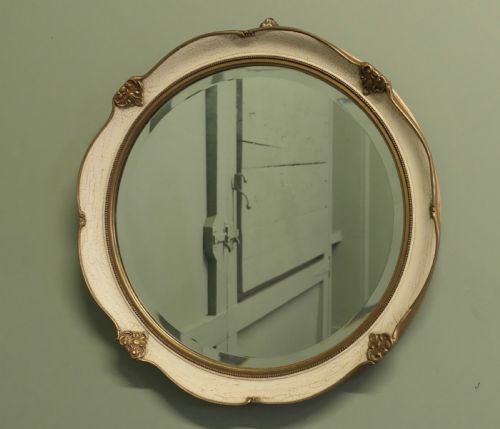
Certain Victorian oval mirrors feature whimsical barbola gesso floral decorations, bringing a delightfully tactile touch of three-dimensional pottery petals to the wall.
What varies in quality
Quality in these mirrors rests primarily on the depth and crispness of the hand-carved or moulded ornament on the frame, as well as the preservation of the original gilding or paint. Finer examples display sharp definition in gesso work and genuine gold leaf rather than later metallic paints.
The construction of the wooden frame behind the glass indicates the standard of workshop execution, with tight joinery and original backboards distinguishing superior pieces. The clarity and preservation of the glass plate itself further separate standard decorative items from finer collector examples.
The Gilt Vanity Wall Mirror Glossary
- Giltwood
- Timber that has been coated with gold leaf or gold paint. This technique provides a luminous metallic finish to the carved frame.
- Gesso
- A plaster-like mixture applied to wood frames to create a smooth surface for carving and gilding. It allows for intricate relief ornamentation.
- Fret-cut
- Woodwork cut into decorative geometric or openwork patterns using a fine saw. This technique defines many Georgian wall mirrors.
- Rococo revival
- A nineteenth-century design movement imitating the ornate, asymmetrical scrolls and natural motifs of the eighteenth-century French rococo style.
- Parcel gilt
- A decorative treatment where only specific portions of a wooden object are gilded, leaving the underlying mahogany or walnut grain visible elsewhere.
Gilt Vanity Wall Mirror: Frequently Asked Questions
Where should I hang a gilt vanity wall mirror?
These mirrors suit domestic spaces such as bedrooms, entrance halls and morning rooms where reflective light enhances the interior.
Historically, smaller vanity mirrors were positioned above dressing tables or consoles to assist with grooming and to brighten smaller rooms.
How do I identify a Georgian mirror?
Georgian mirrors frequently feature mahogany or walnut frames, often incorporating fret-cut woodwork or parcel gilt details from the eighteenth century.
Look for traditional construction methods, such as pegged joints and older mirror plates with slight distortions or foxing.
What is the difference between gesso and carved wood?
Carved wood involves shaping the actual timber frame with chisel and gouge, whereas gesso is a plaster mixture applied over a simpler wooden base to build up relief ornament.
Many nineteenth-century frames combine a wooden carcass with moulded gesso decoration to achieve ornate rococo or neoclassical scrollwork.
How do I care for antique gilding?
Original giltwood and gold leaf surfaces require gentle dusting with a soft, dry cloth without modern chemical polishes or water.
Keep these mirrors away from direct sunlight and damp environments to protect the underlying gesso and wood from cracking.