


Victorian Plaster Framed Mirror
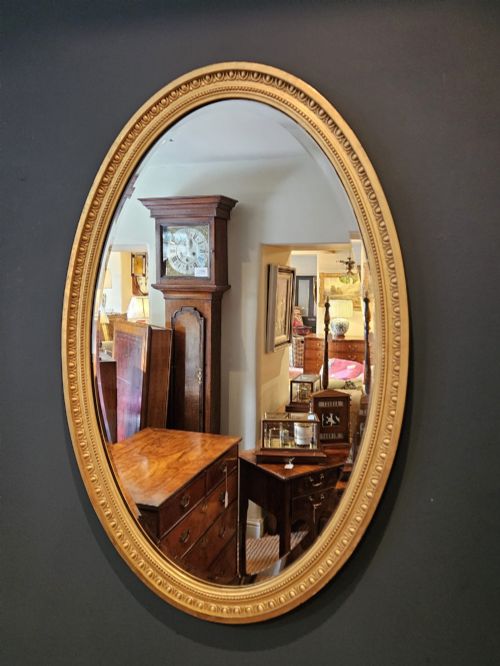
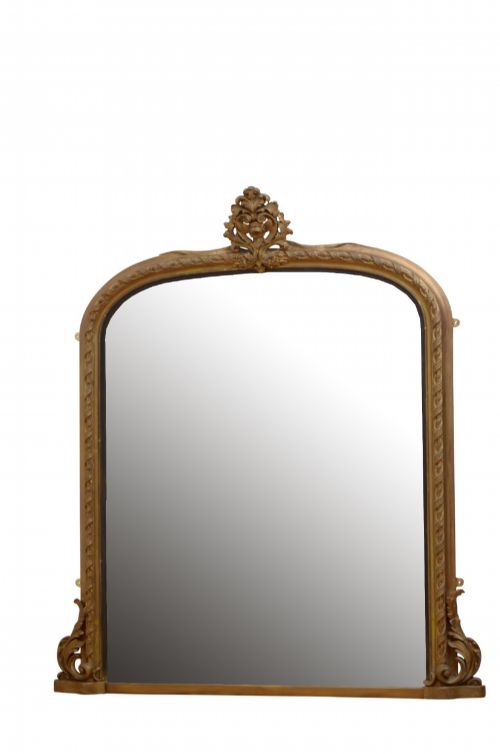
These victorian plaster framed mirror examples bring authentic nineteenth-century scale and reflectivity to a room through heavily gilded frames.
Victorian Plaster Framed Mirror
A victorian plaster framed mirror combines functional reflectivity with heavy decorative moulding designed to anchor a room. Most pieces seen on this page appear as large wall hung or overmantel mirrors intended for principal reception rooms.
The selection ranges from mid-period oval shapes to expansive arched overmantel formats spanning several decades towards nineteen hundred. These pieces rely on generous proportions and reflective glass to maximise light in domestic interiors.
Makers drew on various aesthetic revivals, producing pieces that span classic neoclassical symmetry through to sinuous art nouveau curves. The recurring presence of gesso and composition over wood provides the structural base for intricate surface ornamentation.
Materials and construction methods
Makers constructed the core framework from timber, building up the complex decorative reliefs using plaster, gesso, or moulded composition. Artisans applied thin sheets of gold leaf or gilt finish over these surfaces to achieve a luminous metallic sheen.
The reflective components consist of heavy mirror glass secured within the rebated timber and plaster rebate. Over time, the interplay between the wooden substrate and the rigid plaster coating creates characteristic surface craquelure.
Current site listings demonstrate a strong preference for gilt finishes applied over gesso, composition, and plaster substrates.
Distinguishing quality across the range
Quality reveals itself in the crispness of the moulded relief and the depth of the gilding applied over the gesso. Finer examples retain intricate ornamental detailing that remains sharp despite heavy layers of historic gold leaf.
The integrity of the original wooden frame structure and the preservation of the mirror glass determine the overall tier of the piece. Substantial overmantel formats with deep architectural moulding sit at the upper end of the decorative spectrum.
The Victorian Plaster Framed Mirror Glossary
- Gesso
- A plaster-like mixture applied to wood frames to provide a smooth surface for gilding. This material accepts deep carving and intricate relief moulding.
- Composition
- A mixture of whiting, resin, glue, and linseed oil pressed into moulds to create ornate frame decorations. It offers a resilient alternative to hand carved wood.
- Overmantel
- A large mirror designed to hang specifically above a fireplace mantelpiece. These pieces often feature extended horizontal or arched proportions.
- Giltwood
- Timber that has been coated with gold leaf or metallic powder. The underlying wood provides structural strength while the gold provides the finish.
- Craquelure
- A network of fine cracks appearing across the gesso or paint surface. This occurs naturally as the underlying materials age and settle.
Victorian Plaster Framed Mirror: Frequently Asked Questions
Where should I hang an overmantel mirror?
These large mirrors sit naturally above a fireplace mantelpiece to reflect light and anchor the room's main elevation. They also function effectively on principal walls in hallways or reception rooms where scale matters.
Ensure the wall construction and fixings can support the substantial combined weight of the timber, plaster, and glass.
What defines the Victorian style in these mirrors?
Victorian mirror frames draw heavily upon earlier design movements including neoclassical symmetry, rococo revival, and later art nouveau curves. This era favoured heavy, confident ornamentation designed to project domestic status.
The use of composition mouldings over timber allowed workshops to produce these elaborate architectural statements efficiently.
Why do antique mirror plates look speckled?
The silvering behind the glass degrades gradually over decades through exposure to atmospheric moisture and ambient temperature shifts. This oxidation process produces dark spots and a characteristic mottled reflection known as foxing.
Many collectors value this aged appearance as proof of genuine nineteenth-century provenance.