


Gilt Silver Salt
When you search for a gilt silver salt, you are looking at small silver vessels finished with a layer of gold, designed to hold dining salt.

Gilt Silver Salt
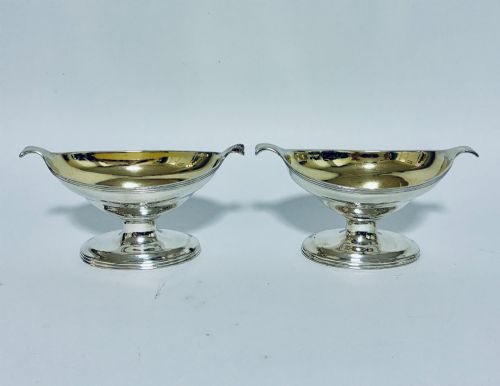
A gilt silver salt encompasses open cellars, pedestal dishes, boat forms, and tripod vessels designed to hold seasoning at the dining table. The pieces found here span the Georgian, Victorian, and Edwardian periods, alongside earlier eighteenth-century examples.
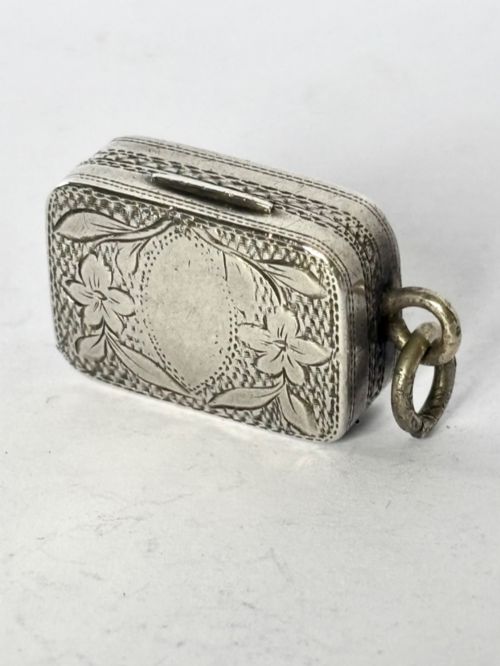
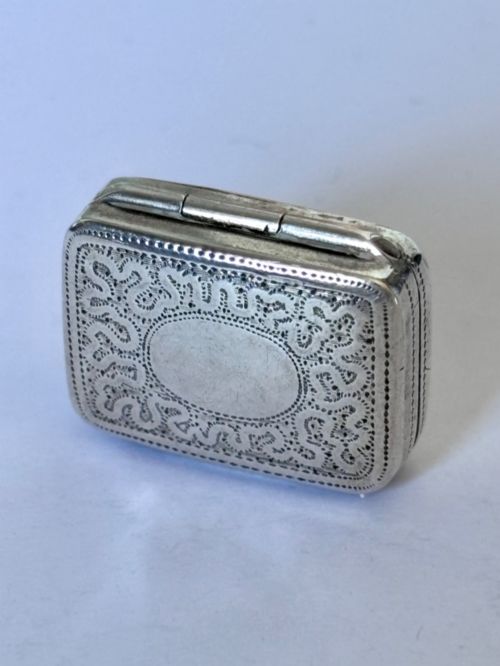
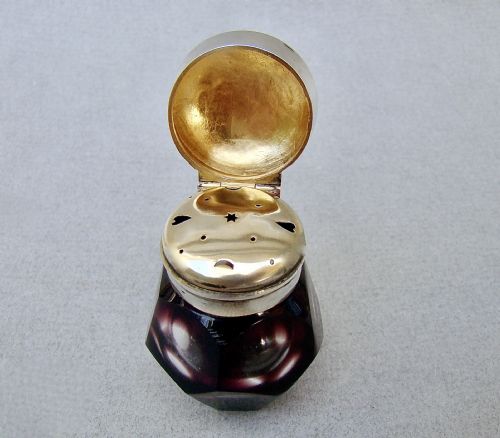
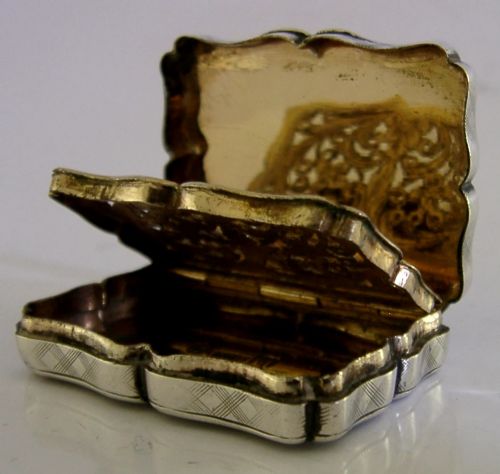
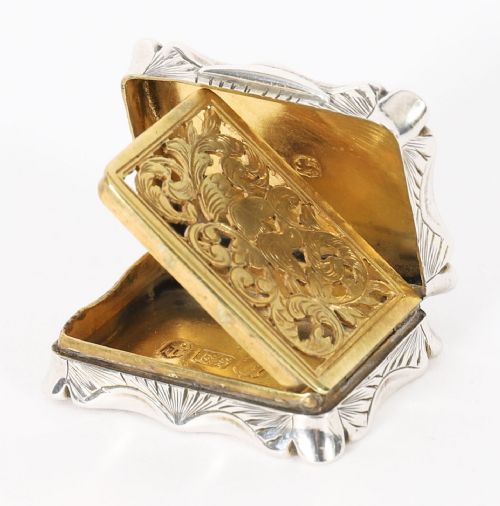
Most entries consist of matched pairs or larger sets of salt cellars, often accompanied by their original spoons or fitted presentation cases. Alongside traditional open bowls, the selection frequently incorporates small pocket vinaigrettes and novelty items featuring silver gilt finishes.
Originating largely from British workshops and silversmithing centres like London and Birmingham, these items reflect domestic dining habits across successive centuries. Collectors encounter everything from plain trencher salts to heavily decorated rococo and naturalistic floral designs.
How they were made
Silversmiths formed these vessels from sterling silver, shaping bodies through hammering, casting, or spinning before applying a layer of gold to the interior or exterior surfaces. This gilding process, historically achieved using mercury amalgamation or later electroplating, protected the reactive silver from the corrosive properties of salt.
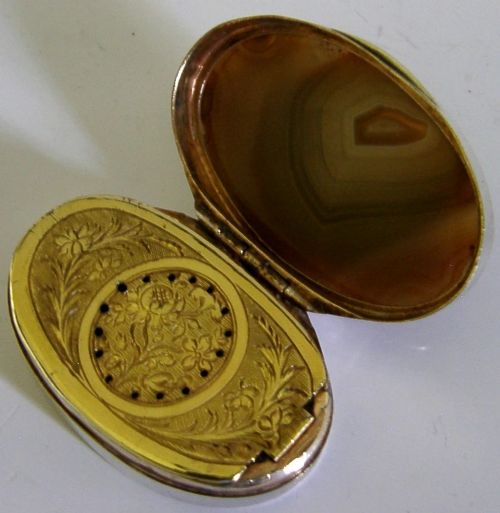
Decoration relied on hand-chasing, embossing, and piercing, creating motifs such as foliage, lion paw feet, and rococo scrolls. Many pieces also integrate cut glass bodies, enamel work, or semi-precious stones like agate and amethyst.
Listings feature silver gilt salts spanning the eighteenth, nineteenth, and early twentieth centuries, incorporating materials like cut glass, enamel, and agate alongside solid sterling silver.
What varies in quality
The distinction between standard and exceptional pieces rests upon the crispness of the cast decoration and the thickness of the applied gold layer. Master silversmiths executed chasing with deep, clean definition, whereas lesser examples exhibit softer details and worn gilding.
The reputation of the maker and the presence of matching original spoons or fitted leather cases elevate a piece above standard domestic ware. Additionally, heavy gauge silver construction provides a substantial weight and structural integrity that lighter vessels lack.
Samuel Pemberton·Thomas Johnson·Nathaniel Mills·Samson Mordan·David Hennell·William Bateman·Paul Storr·Edward Farrell·Thomas Smily·Peter and Ann Bateman·Rebecca Emes·Barnard·Thomas Robbins·Charles Boyton·Joseph Angell I
The Gilt Silver Salt Glossary
- Silver gilt
- Silver covered with a thin layer of gold, often referred to as vermeil. This technique prevents the silver from tarnishing when in contact with salt.
- Trencher salt
- A low, single-portion salt cellar placed beside the diner's plate before individual standing salts became common. These early forms are frequently square or octagonal.
- Salt cellar
- A small bowl or vessel used to hold salt on the dining table prior to the invention of modern shakers. Guests would pinch salt from the open container using their fingers or a dedicated spoon.
- Vinaigrette
- A small ornamental box containing a sponge soaked in aromatic vinegar, utilised for reviving individuals. They share manufacturing techniques and silver gilt interiors with salt cellars.
- Navette
- A boat-shaped decorative form tapering to two pointed ends at the rim. This style appears frequently in late Georgian and Edwardian open salts.
Gilt Silver Salt: Frequently Asked Questions
What is a gilt silver salt?
A gilt silver salt is a small dining table vessel made from sterling silver and coated with a layer of gold. This gold wash prevents the corrosive salt from pitting and blackening the underlying silver.
These pieces were essential for formal dining before free-flowing table salt was invented. Guests used small spoons or their fingers to take salt from the open container.
How do I date an antique salt?
Dating relies heavily upon the hallmarks stamped into the silver, which record the assay office, the year of production, and the maker's mark. Reference books match these official stamps to specific date ranges.
Stylistic clues also help narrow the period, such as the heavy rococo scrolls of the Georgian era or the cleaner neoclassical lines of the Regency period. Matching hallmarks on both the vessel and its lid or spoon provide the most reliable evidence.
Can I still use antique salts today?
These pieces function well for modern dining provided they receive proper care. The gold lining protects the silver from direct salt corrosion during use.
Owners should empty and wash the vessels promptly after use to prevent residue buildup. Hand washing with mild soap preserves the historic surface better than modern dishwashers.